HomeAI · summaries
Storia in 2 fonti
A simple reason why the market's biggest investors say they aren't worried about AI bubble, tech stock selling
The biggest tech companies in the market have an advantage that didn't exist during dotcom bubble, say fund managers overseeing tens of billions of dollars.
Confronto fonti
2 prospettive sulla stessa storiaTimeline cronologica
- ·
cnbc.com

AI anxiety on the rise: Startup founders react to bubble fears
Short sellers like Michael Burry and Jim Chanos are circling, warning that the AI buildout isn’t a one-time investment but a recurring cost wave.
- ·
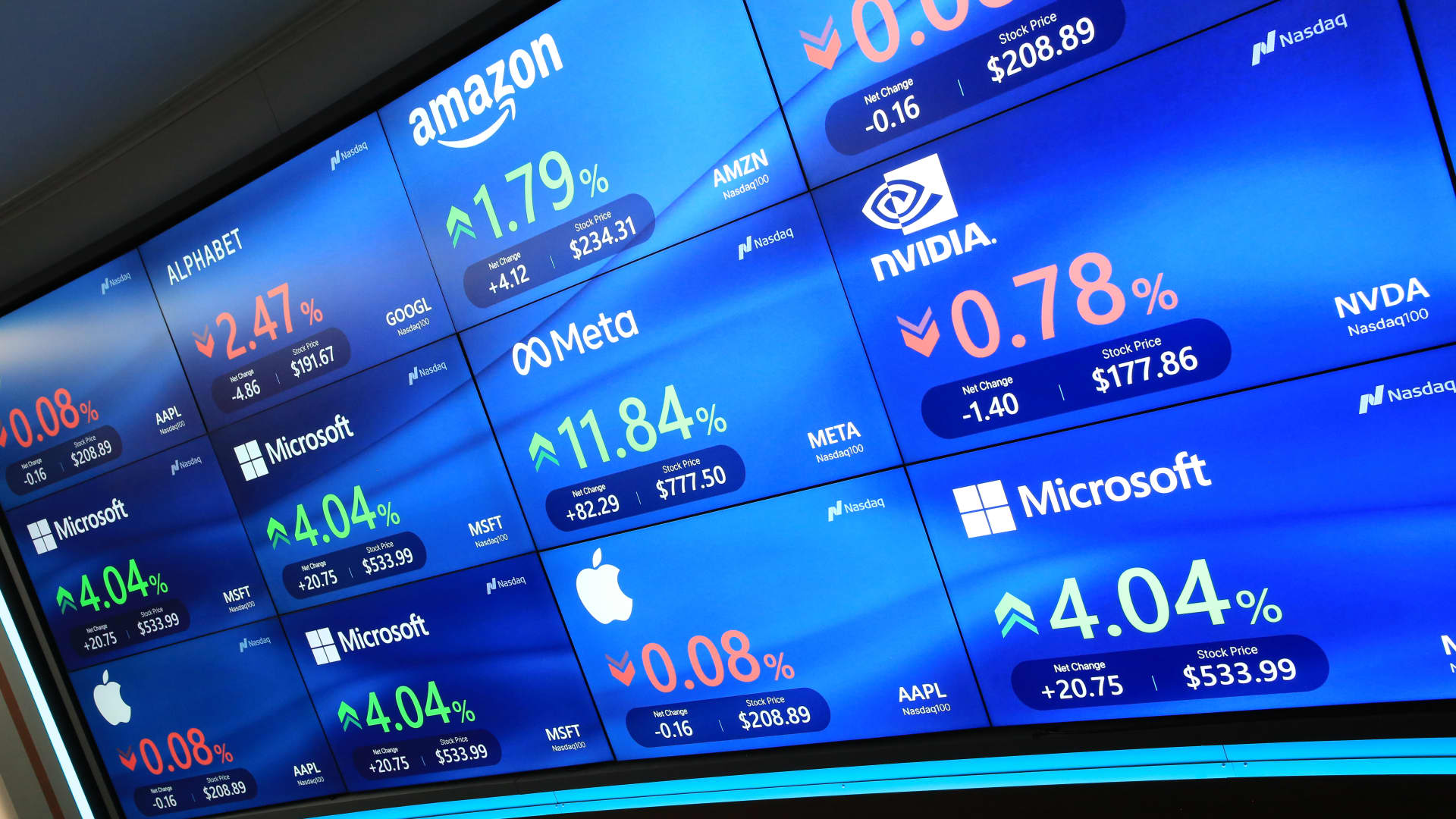
A simple reason why the market's biggest investors say they aren't worried about AI bubble, tech stock selling
The biggest tech companies in the market have an advantage that didn't exist during dotcom bubble, say fund managers overseeing tens of billions of dollars.