WARPTECHNEWS · LAB
HomeAIBusinessTechArchive
WARPTECH LAB NEWS

Warptech Lab News aggrega le notizie più rilevanti da oltre 700 fonti internazionali, con classificazione AI, TL;DR sintetici e timeline cluster su singole storie.

Navigazione

  • Home
  • Archivio
  • Editor's Brief
  • Cerca
  • Il tuo account
  • Newsletter tech/AI

Informazioni legali

  • Privacy Policy
  • Termini di servizio
  • Cookie Policy

© 2026 Sparktech S.R.L. — Tutti i diritti riservati. Sito gestito e manutenuto da Sparktech S.R.L.

Sede legale: Corso Libertà 55, 13100 Vercelli (VC), Italia · P.IVA / C.F. 02835910023 · Contatti: admin@warptechlab.com

Home
Storia in 2 fonti

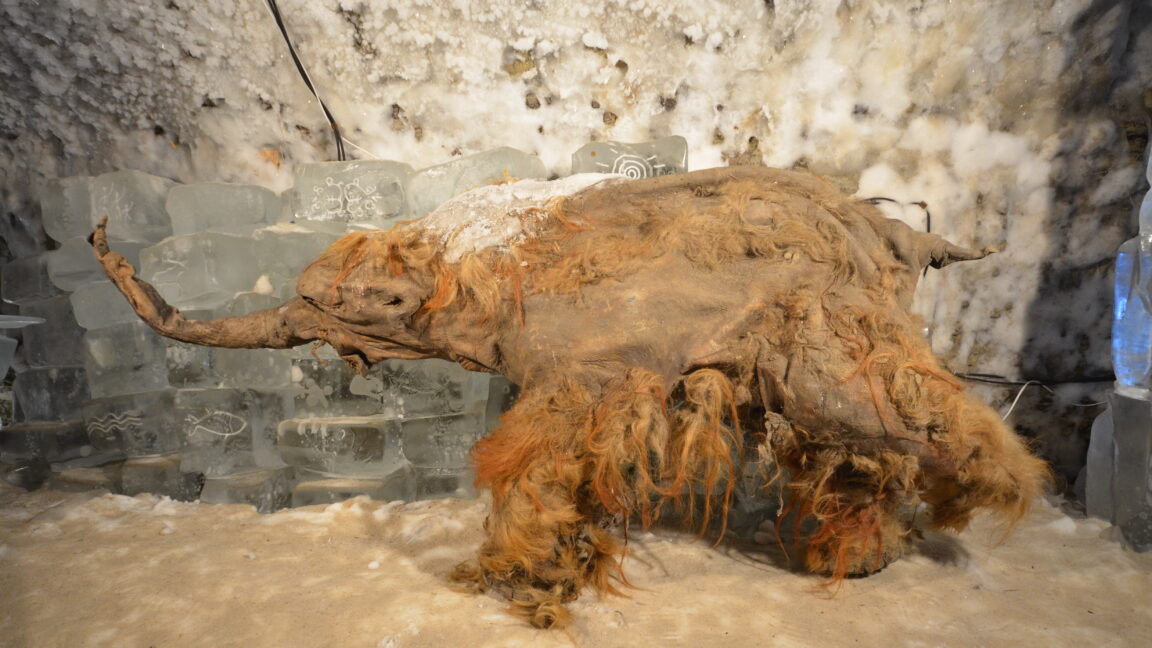
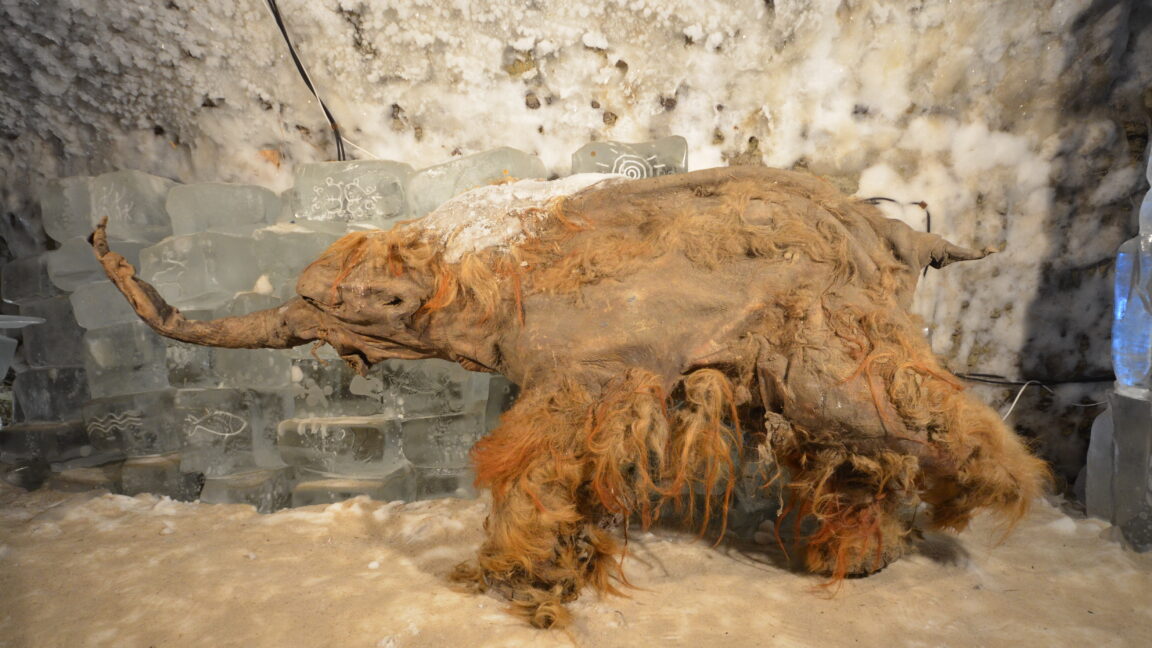
Scientists extract viable RNA from woolly mammoth remains - UPI.com

The well-preserved remains of a woolly mammoth found in Siberia enabled scientists to extract RNA for the first time and learn more about the animal.
Raccontata daarstechnica.comupi.com

Confronto fonti

2 prospettive sulla stessa storia
AI · summaries
upi.comStai leggendo7 mesi fa

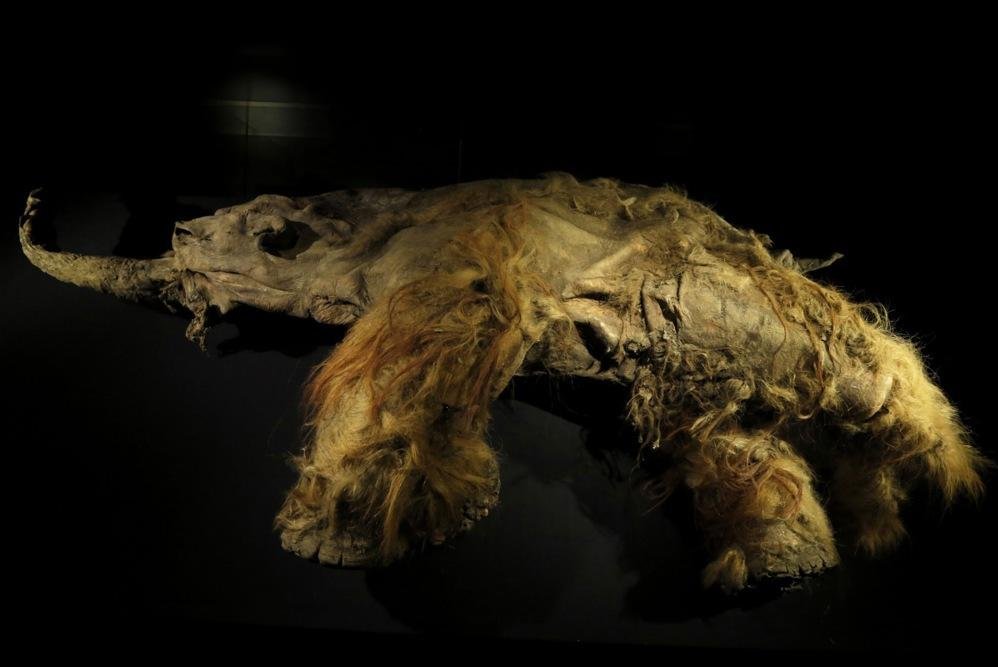
Scientists extract viable RNA from woolly mammoth remains - UPI.com

The well-preserved remains of a woolly mammoth found in Siberia enabled scientists to extract RNA for the first time and learn more about the animal.
originale
arstechnica.com7 mesi fa

World’s oldest RNA extracted from Ice Age woolly mammoth

Sequencing an ancient creature’s RNA opens up a new window into extinct life.

Leggi questa versione → originale

Timeline cronologica

  1. venerdì 14 novembre 2025·arstechnica.com

    World’s oldest RNA extracted from Ice Age woolly mammoth

    Sequencing an ancient creature’s RNA opens up a new window into extinct life.

  2. venerdì 14 novembre 2025·arstechnica.com

    World’s oldest RNA extracted from ice age woolly mammoth

    Sequencing an ancient creature’s RNA opens up a new window into extinct life.

domenica 16 novembre 2025·upi.com

Scientists extract viable RNA from woolly mammoth remains - UPI.com

The well-preserved remains of a woolly mammoth found in Siberia enabled scientists to extract RNA for the first time and learn more about the animal.