HomeAI · summaries
Storia in 3 fonti
Ancient skull unearthed in China challenges human origin story
Stay up to date with notifications from The IndependentNotifications can be managed in browser preferences.Jump to contentThank you for registeringPlease refresh the page or navigate to another page on the site to be automatically logged inPlease refresh your browser to be logged inAllNewsSportCultureLifestyleA fossilized human skull, Yunxian 2, found in China and dated to approximately one million years ago, suggests a radical shift in understanding human origins. New computer modelling and genetic analysis indicate the skull belongs to Homo longi, a sister species to Neanderthals and modern humans, rather than Homo erectus as previously thought. This research implies that Homo sapiens may have emerged at least half a million years earlier than the previously accepted 300,000 years ago, potentially existing a million years ago. The findings suggest that Homo sapiens, Neanderthals, and Homo longi could have co-existed for up to 800,000 years, significantly extending their shared period on Earth. While the study, published in Science, is welcomed by experts, some caution is advised regarding the precise timing estimates due to the inherent difficulty in such analyses. In fullWhat a million-year-old skull could reveal about human evolutionThank you for registeringPlease refresh the page or navigate to another page on the site to be automatically logged inPlease refresh your browser to be logged in
Confronto fonti
3 prospettive sulla stessa storiaTimeline cronologica
- ·
theguardian.com

Study of 1m-year-old skull points to earlier origins of modern humans
Skull found in China may be Homo longi, potentially revising understanding of human evolution
- ·
bbc.com
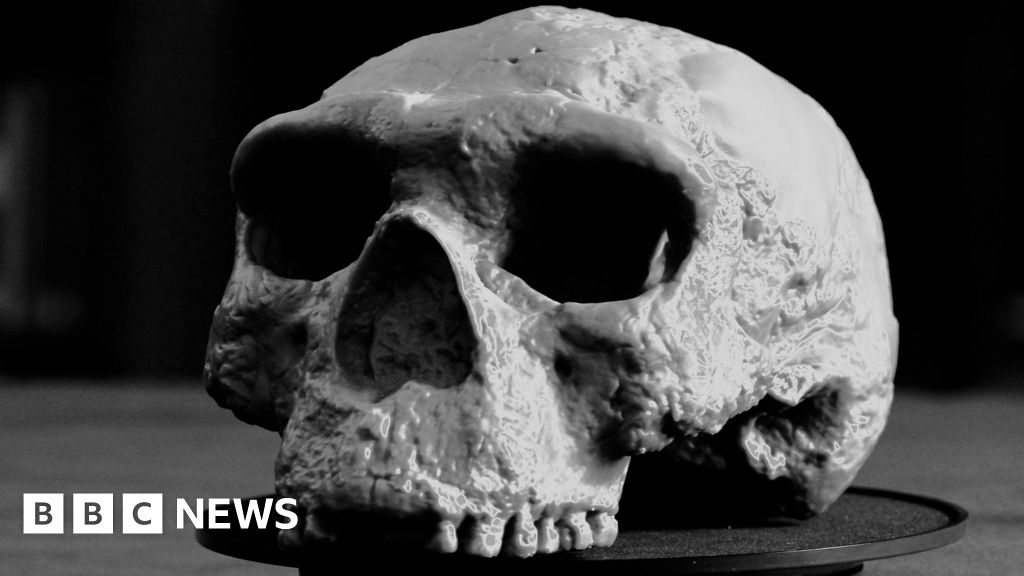
Million-year-old skull rewrites human evolution, say scientists
New analysis suggests our species began to emerge at least half a million years earlier than we thought
- ·
independent.co.uk

Ancient skull unearthed in China challenges human origin story
Stay up to date with notifications from The IndependentNotifications can be managed in browser preferences.Jump to contentThank you for registeringPlease refresh the page or…
- ·

What a one million-year-old skull could reveal about human evolution
Homo sapiens may have emerged at least half a million years earlier than previously thought