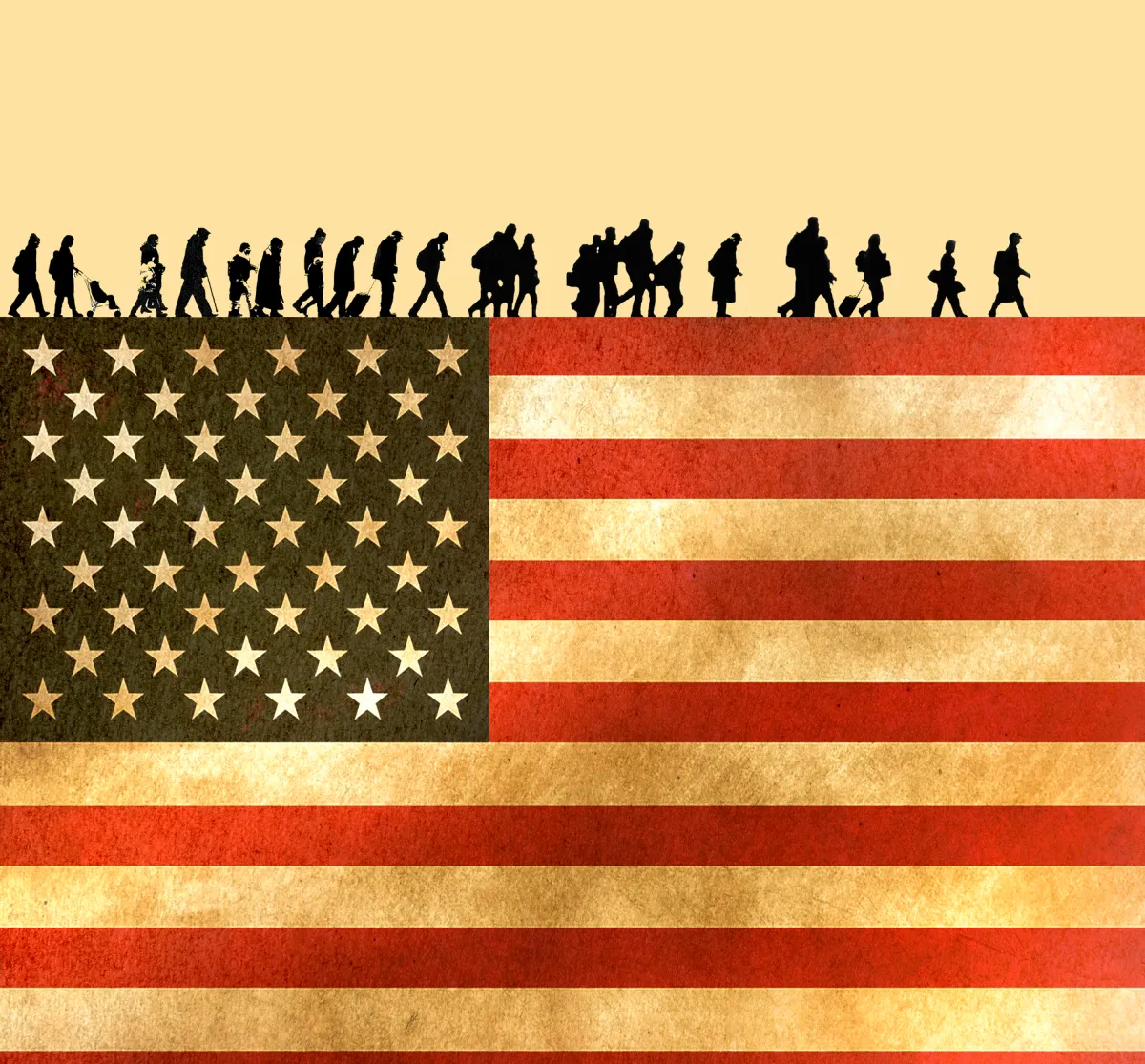
Here's why the new H-1B fee is another setback for entrepreneurs and American innovation.

Move is a blow to big tech companies, which rely heavily on visas to hire staff from overseas, particularly India

The six-figure H-1B visa fee has jolted companies that have long relied on the program to bring in top global talent.
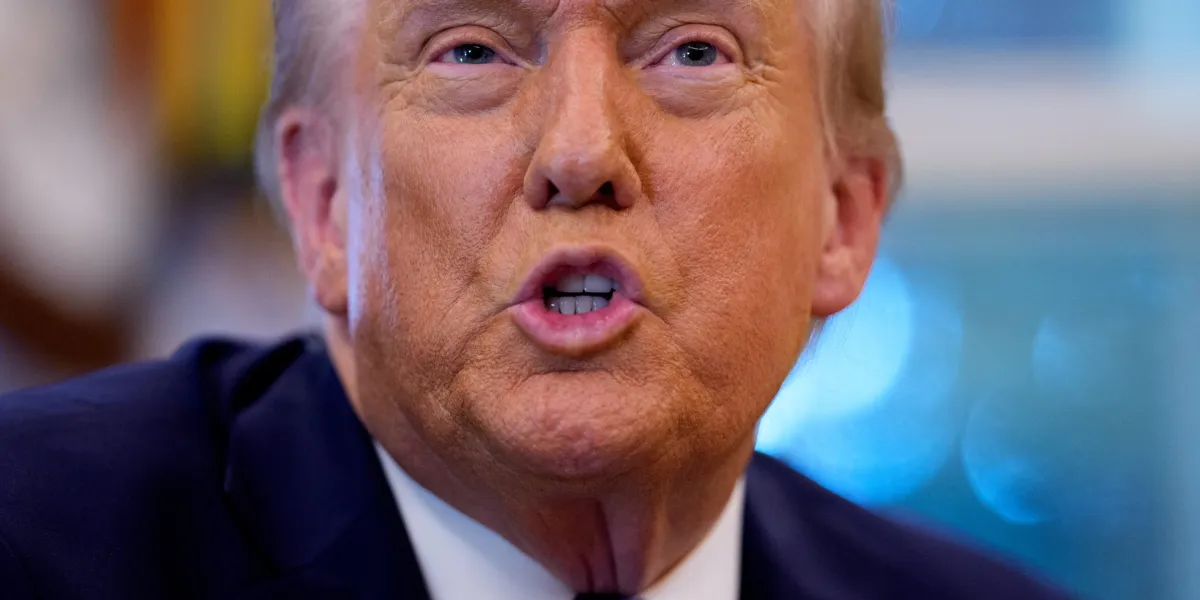
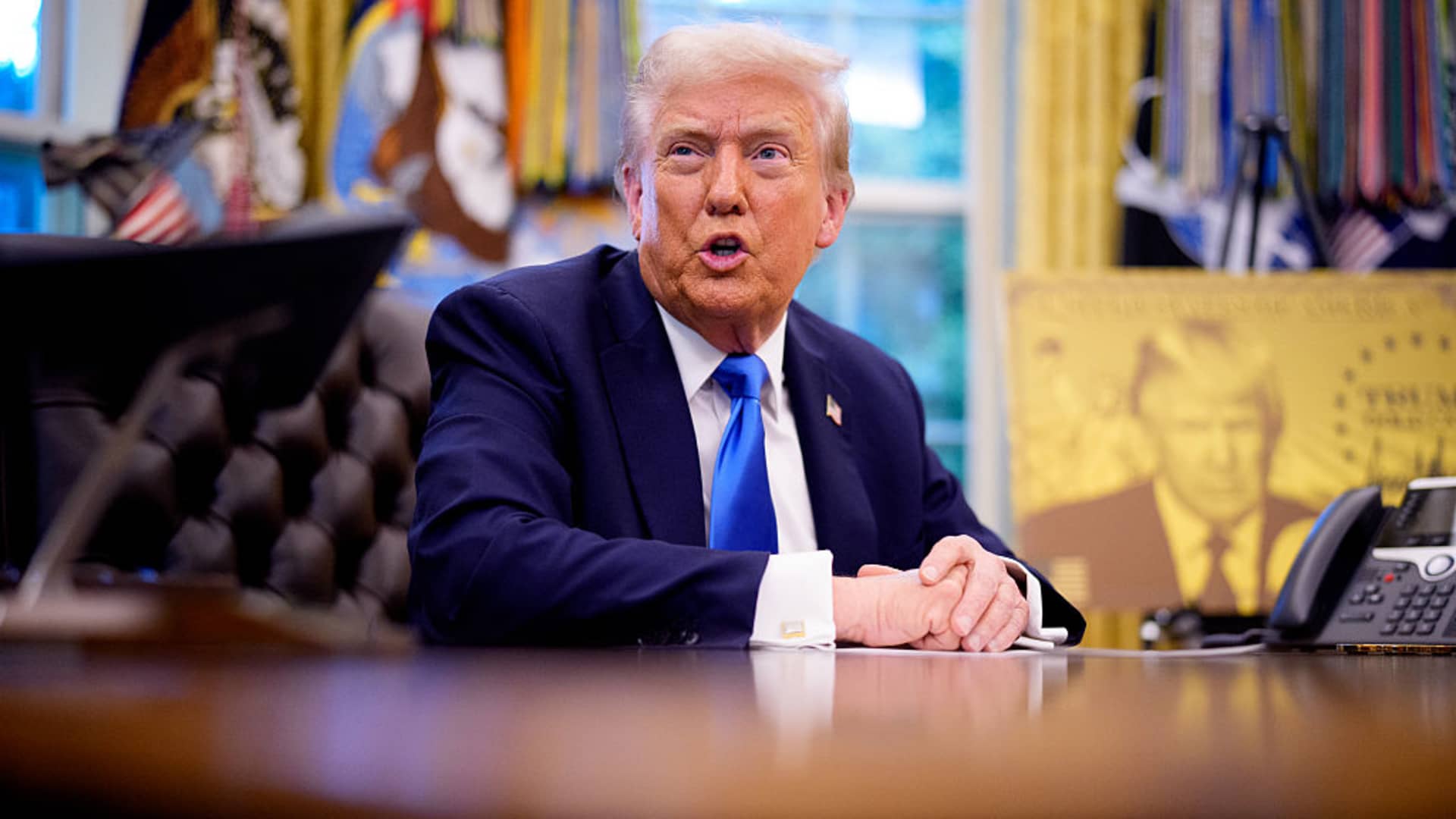
The founder of Greycroft Partners says "there is not a single company that I have invested in the last 10 years that could afford to pay this."

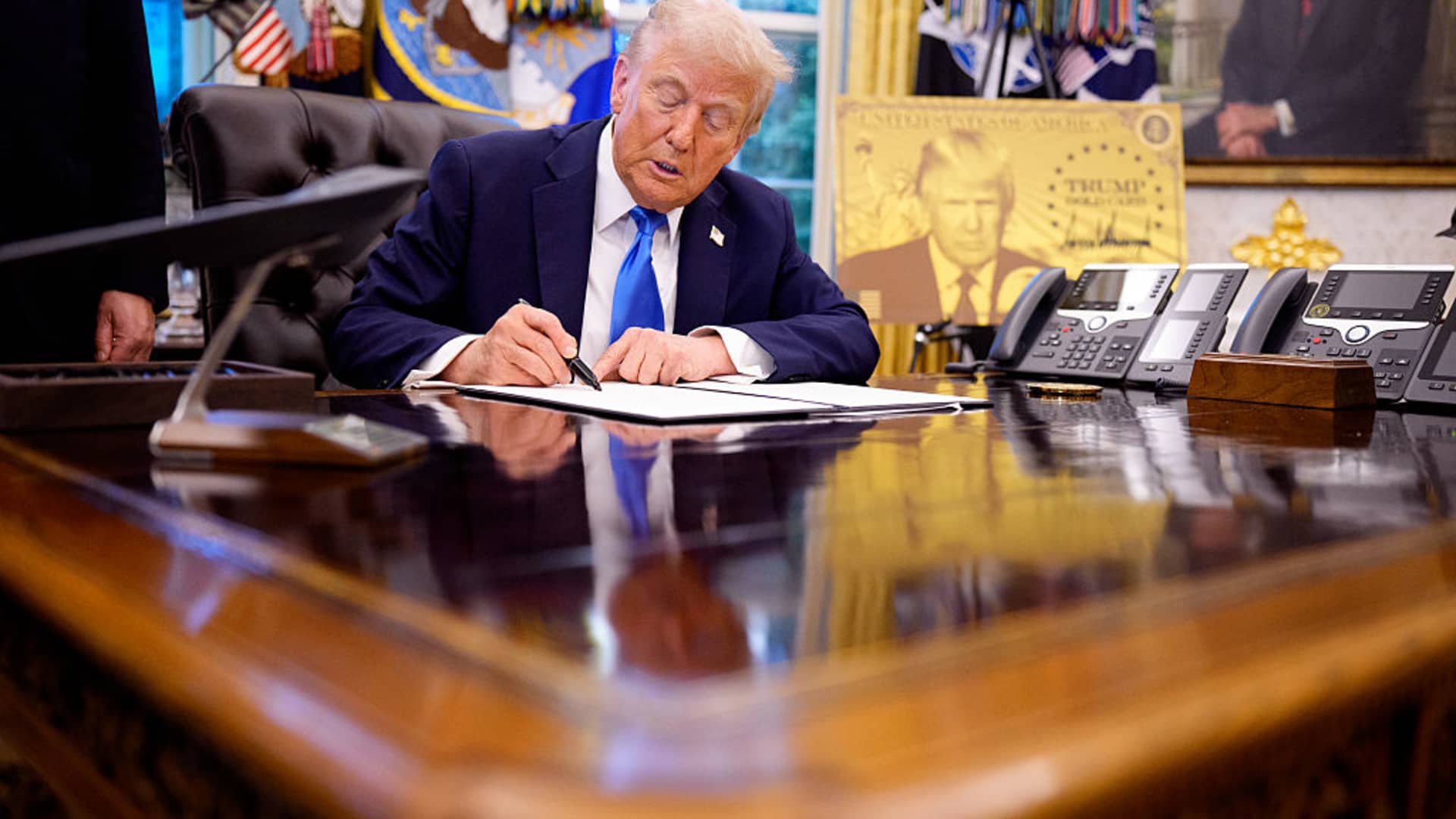
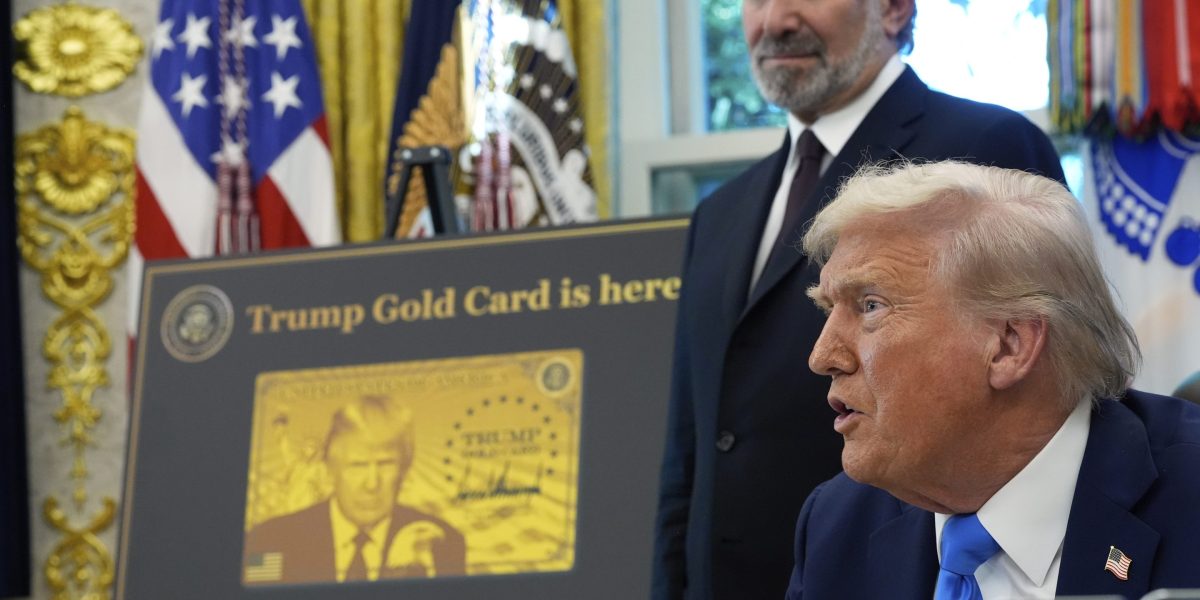
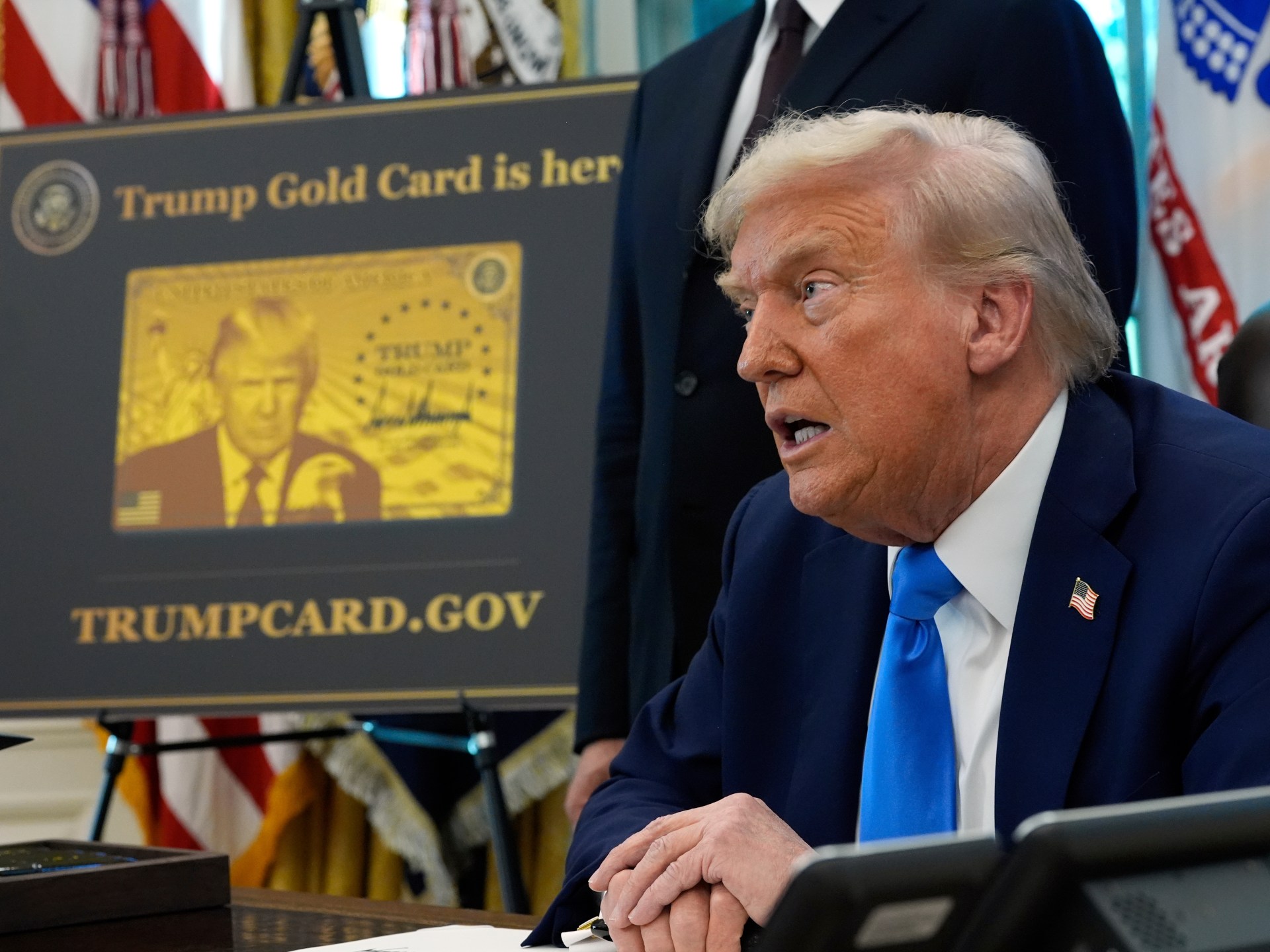
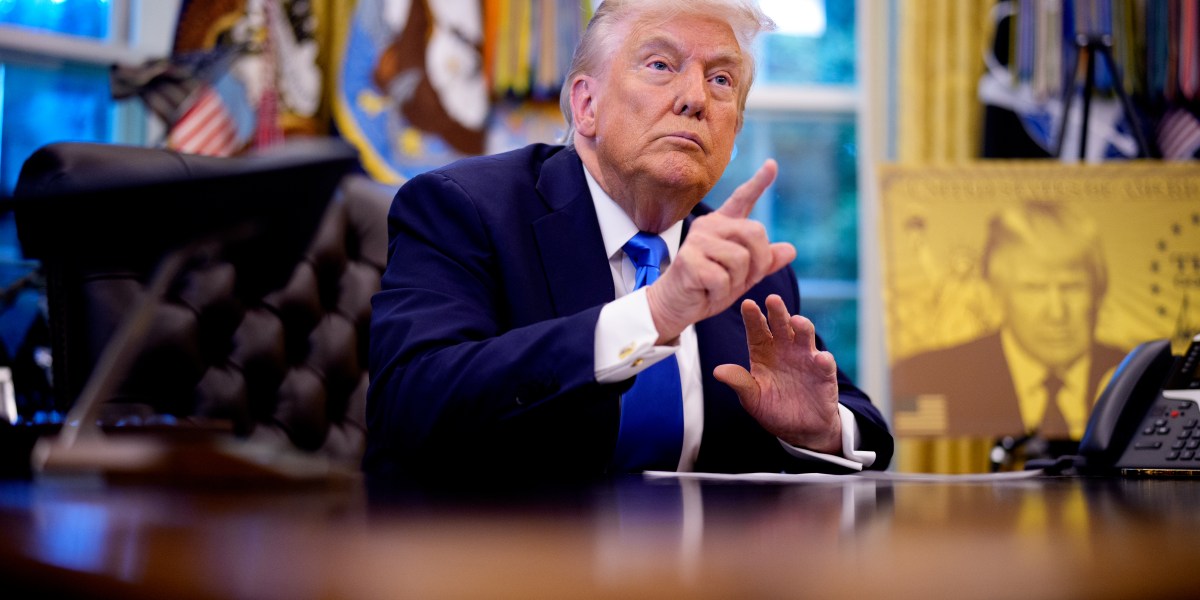
President Donald Trump raised the fee for an H-1B visa to $100,000 on Friday, leaving companies scrambling to respond.

When Trump’s announcement came, it didn’t give companies or lawyers any time to prepare. “It was timed to create pandemonium,” said a New York–based immigration lawyer.

White House proclamation announcing new visa fees has prompted questions and confusion – here’s what to know

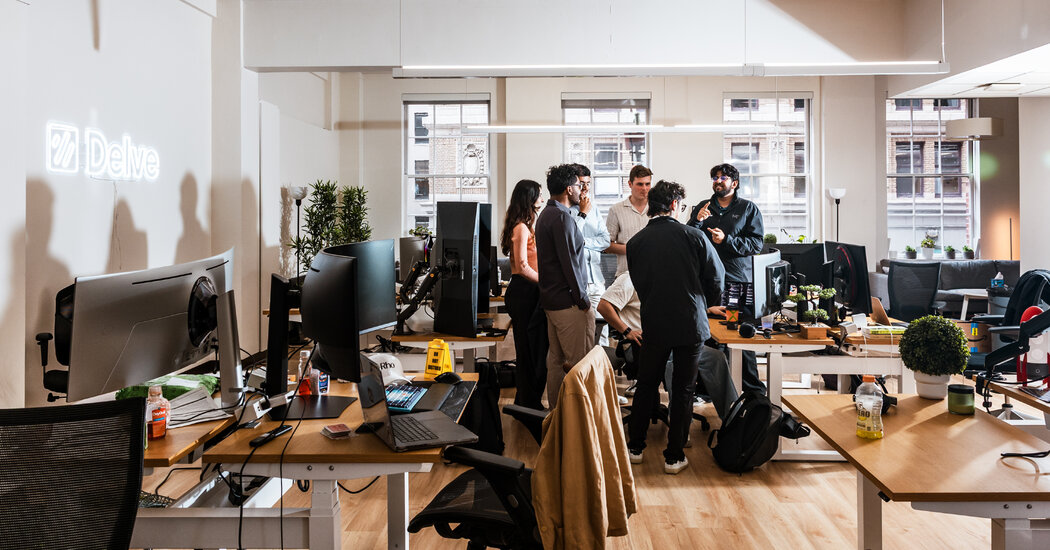
Startups across the U.S. have been left worrying about the implications of potential hefty fees on H-1B visas.

Silicon Valley start-ups said they were concerned they would be disproportionately hurt by the new visa fee for skilled foreign workers, given their limited resources.

“What actually is the process for paying this $100,000?” said lawer Leon Rodriguez, former Obama official. "At this point, we don’t actually know.''

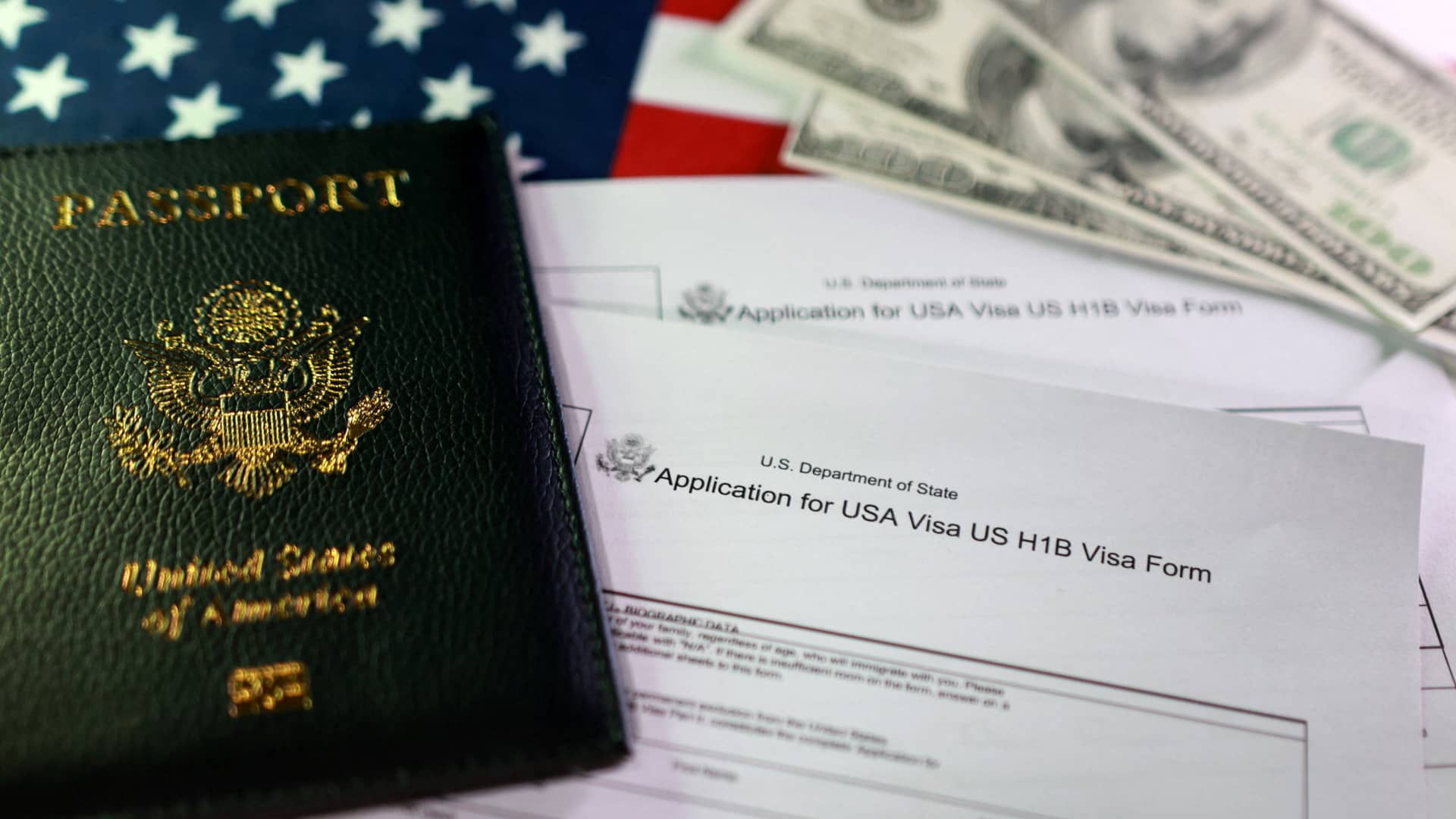
The new plan follows a proclamation on Friday requiring a $100,000 fee for new H-1B applications.

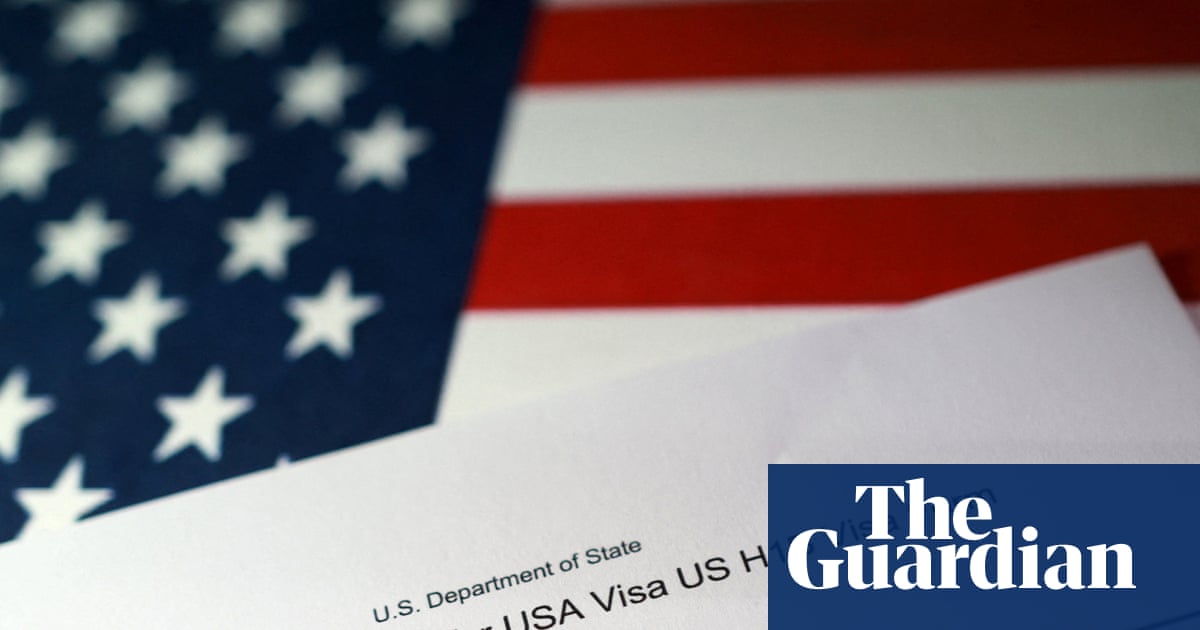
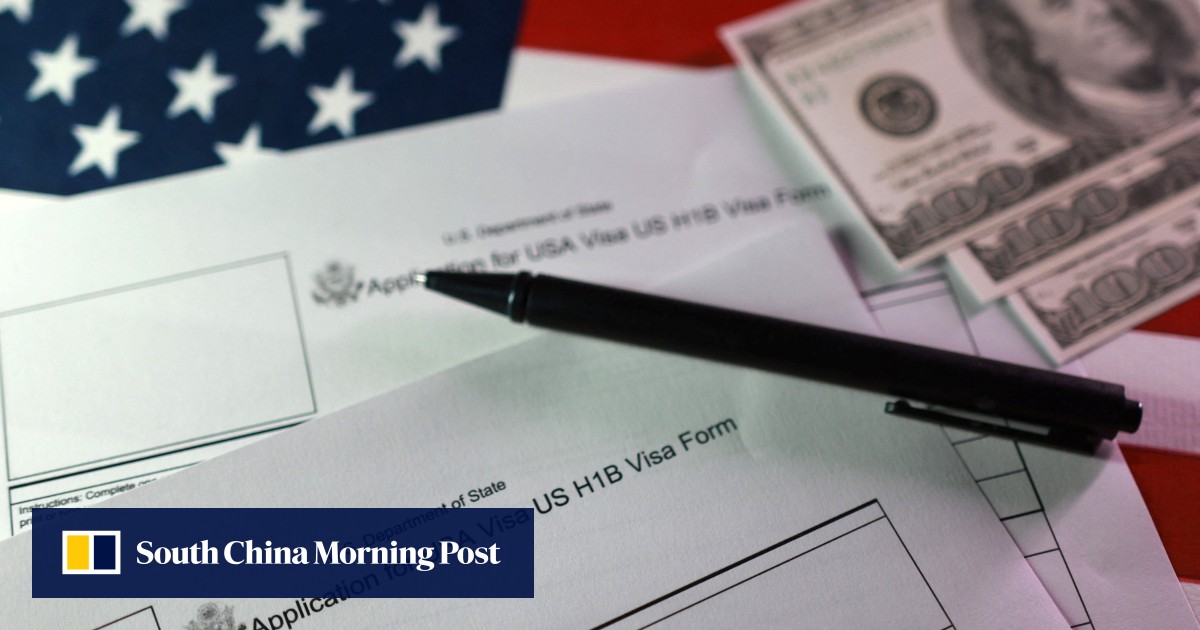
The US president has introduced a US$100,000 fee for the visas, which American firms rely heavily on for hiring skilled workers.

Every time new H1-B restrictions appear, jobs go to Canada.

Here's why the new H-1B fee is another setback for entrepreneurs and American innovation.

Startups and smaller firms could bear the brunt of Trump's new H-1B visa fee, and some fear it could thwart US innovation.

The price hike for H1B visas could have detrimental impact on the startup industry, experts say.