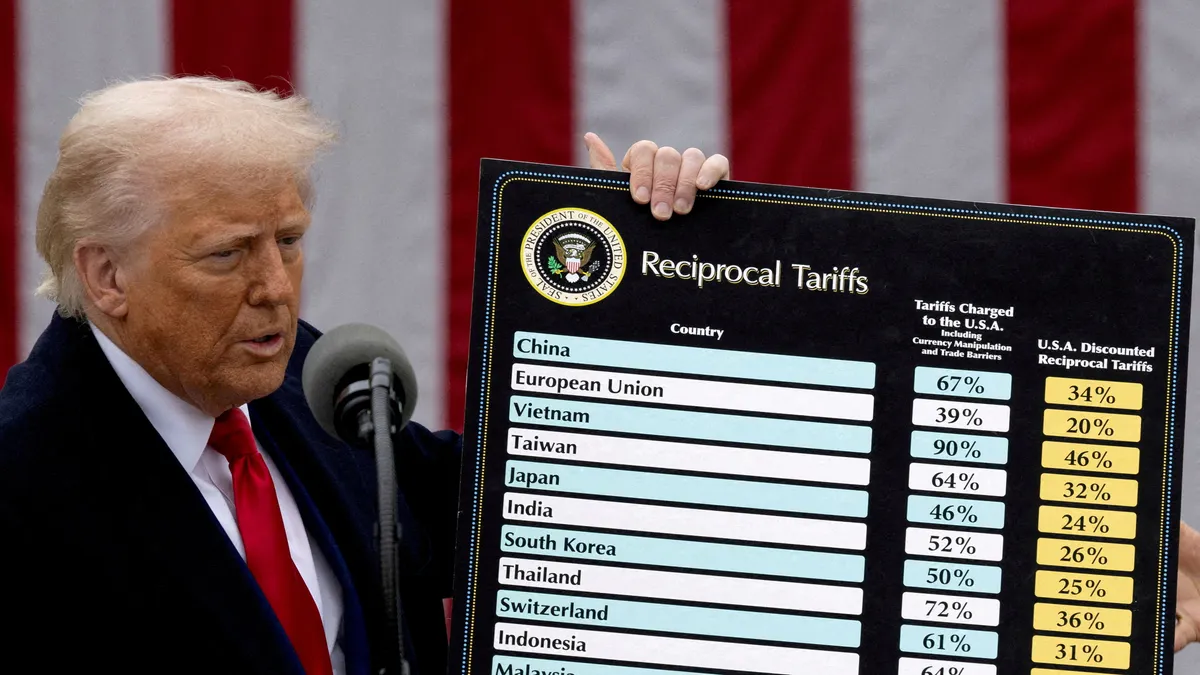
President Trump is counting on the Supreme Court to save the centerpiece of his economic engine – sweeping tariffs.

A divided U.S. appeals court ruled that most of President Donald Trump's tariffs are illegal, undercutting his use of the levies as a key economic policy tool.

A federal appeals court last week ruled most of President Donald Trump’s global tariffs are illegal, undercutting his expansive trade policy.
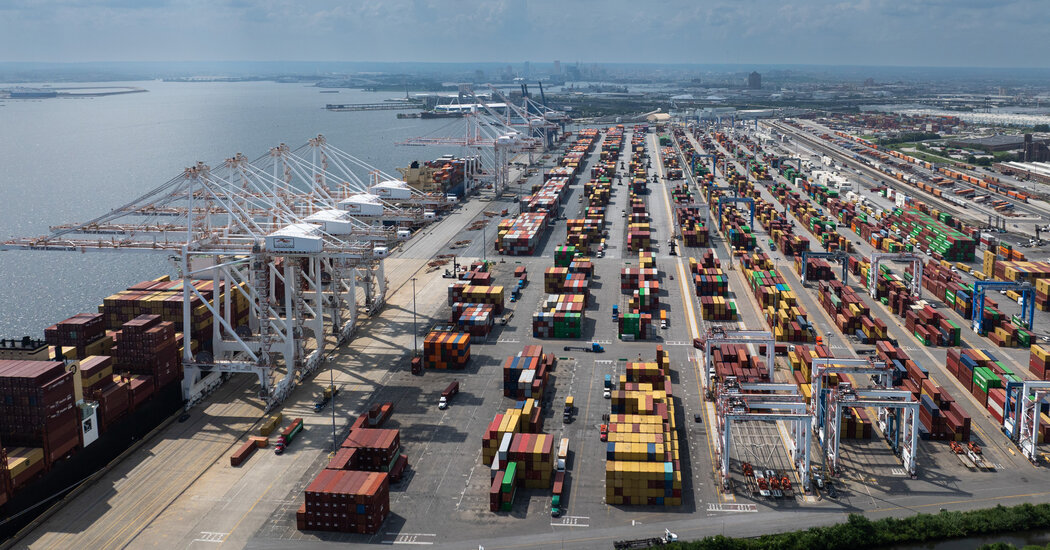
A federal appeals court had invalidated a centerpiece of President Trump’s economic strategy, finding that a 1977 law did not authorize the tariffs.

The fate of most of President Trump's tariffs are at stake in the appeal, which seeks to overturn lower-court ruling saying he usurped Congress' authority.

The appeal court argued that the power to impose tariffs lies primarily with Congress, as outlined in the US Constitution.

The move is in response to a lower court ruling that some tariffs did not fall within the president's mandate.

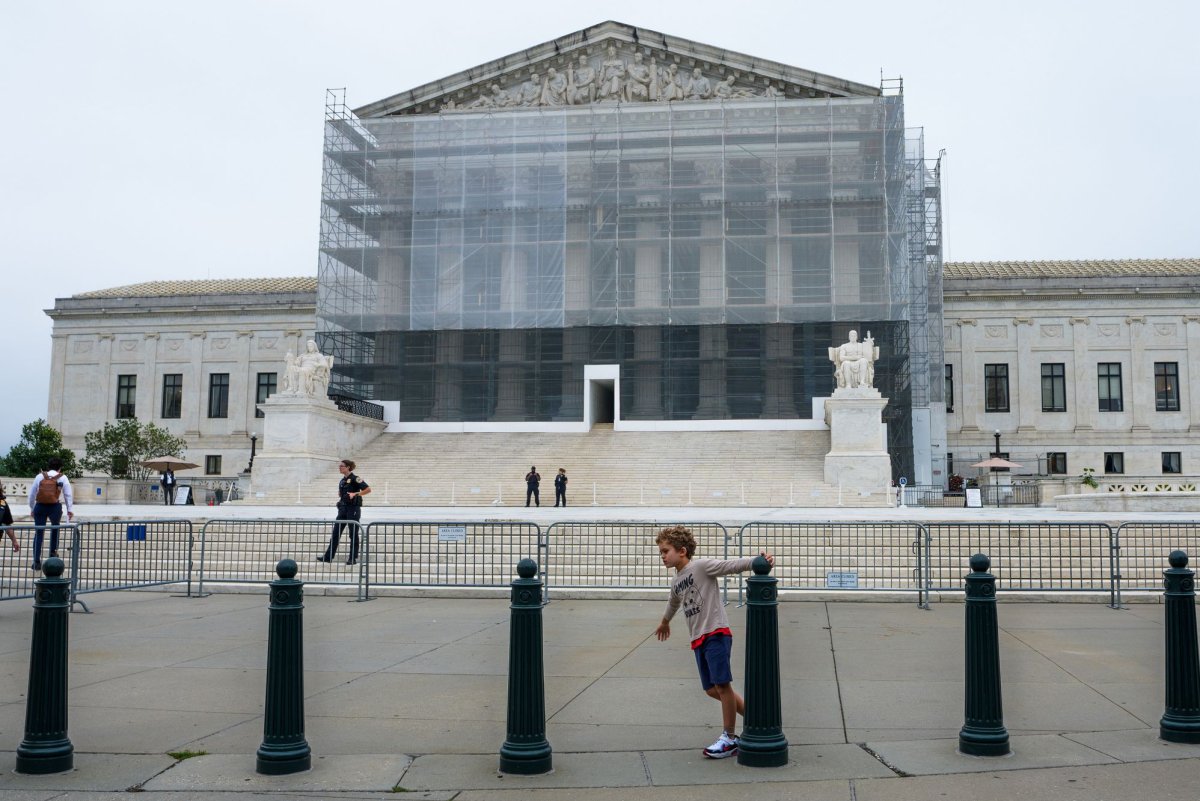
After an appeals court ruled that most of Trump's tariffs were illegal, the administration asked the Supreme Court to weigh in.

After an appeals court ruled that most of Trump's tariffs were illegal, the administration asked the Supreme Court to weigh in.

The government called on the court to reverse an appeals court ruling that found most of President Donald Trump's tariffs are an illegal use of an emergency powers law.

Government seeks Supreme Court reversal of ruling on Trump's tariffs, arguing they're legal use of emergency powers.

Move follows federal appeals court decision that sweeping ‘liberation day’ levies on imports had overstepped presidential powers

President Trump is counting on the Supreme Court to save the centerpiece of his economic engine – sweeping tariffs.

President Trump launched a bid in the Supreme Court to overturn the U.S. Court of Appeals ruling that most of his tariffs were unlawful.