WARPTECHNEWS · LAB
HomeAIBusinessTechArchive
WARPTECH LAB NEWS

Warptech Lab News aggrega le notizie più rilevanti da oltre 700 fonti internazionali, con classificazione AI, TL;DR sintetici e timeline cluster su singole storie.

Navigazione

  • Home
  • Archivio
  • Editor's Brief
  • Cerca
  • Il tuo account
  • Newsletter tech/AI

Informazioni legali

  • Privacy Policy
  • Termini di servizio
  • Cookie Policy

© 2026 Sparktech S.R.L. — Tutti i diritti riservati. Sito gestito e manutenuto da Sparktech S.R.L.

Sede legale: Corso Libertà 55, 13100 Vercelli (VC), Italia · P.IVA / C.F. 02835910023 · Contatti: admin@warptechlab.com

Home
Storia in 2 fonti

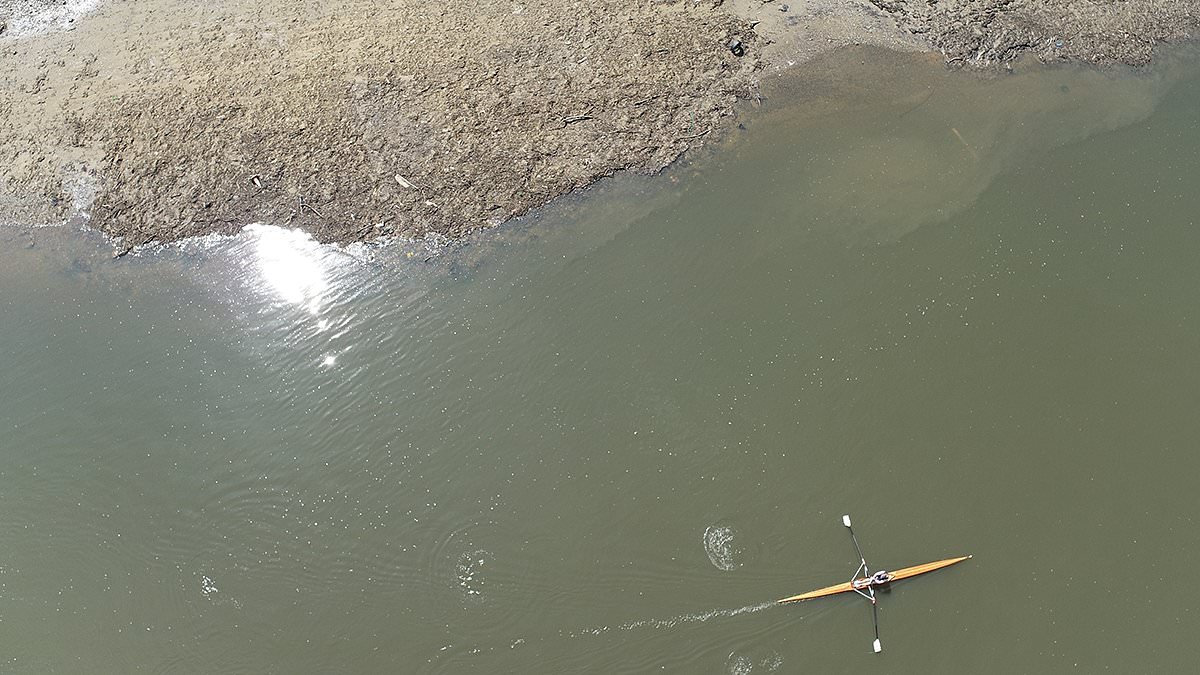
Wave goodbye to 'Wet Wipe Island': Thames' first mass removal begins

The underwater 'island', which is the size of two tennis courts and weighs the same as two double decker buses, is said to have harmed the wildlife and ecology of the river.

Raccontata dadailymail.co.uktelegraph.co.uk

Confronto fonti

2 prospettive sulla stessa storia
AI · summaries
dailymail.co.ukStai leggendo10 mesi fa

Wave goodbye to 'Wet Wipe Island': Thames' first mass removal begins

The underwater 'island', which is the size of two tennis courts and weighs the same as two double decker buses, is said to have harmed the wildlife and ecology of the river.

originale
telegraph.co.uk10 mesi fa

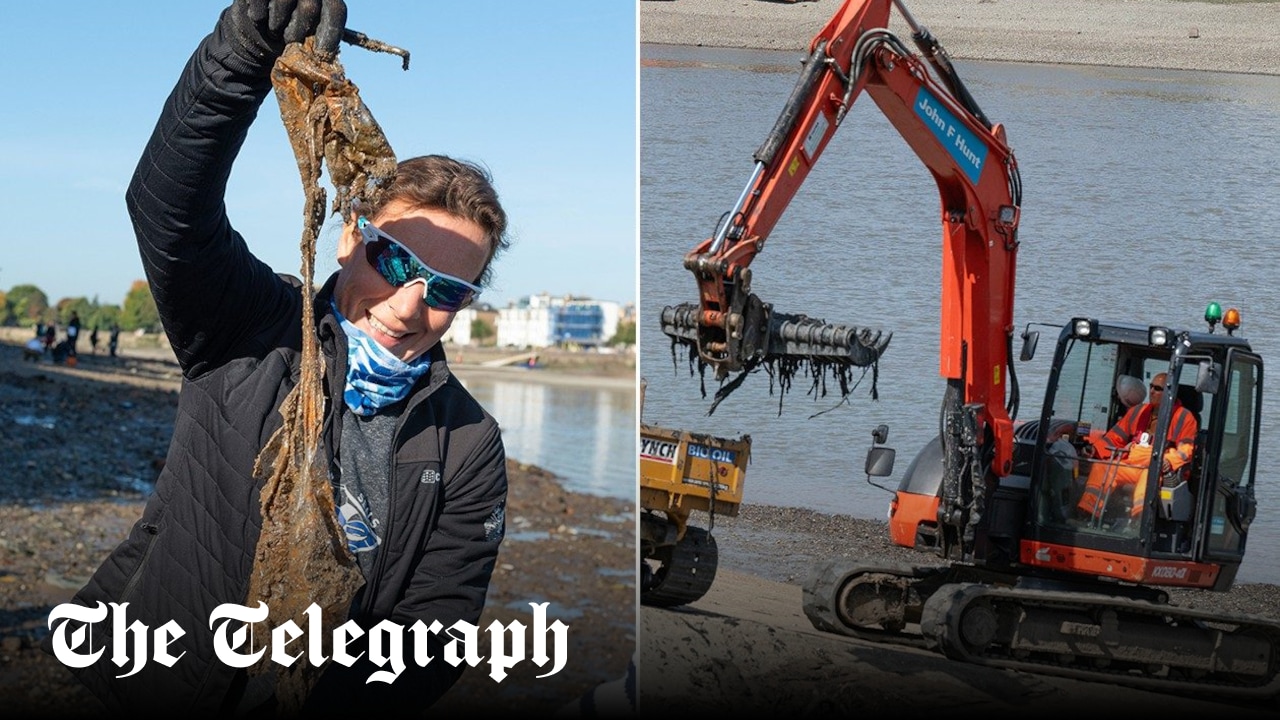
The 180-ton ‘wet wipe island’ that’s clogging up the Thames

Some 11 billion wet wipes are used every year in the UK. The mass found in west London is the size of two tennis courts

Leggi questa versione → originale

Timeline cronologica

  1. lunedì 11 agosto 2025·dailymail.co.uk

    Wave goodbye to 'Wet Wipe Island': Thames' first mass removal begins

    The underwater 'island', which is the size of two tennis courts and weighs the same as two double decker buses, is said to have harmed the wildlife and ecology of the river.

  2. martedì 12 agosto 2025·telegraph.co.uk

    The 180-ton ‘wet wipe island’ that’s clogging up the Thames

    Some 11 billion wet wipes are used every year in the UK. The mass found in west London is the size of two tennis courts