HomeAI · summaries
Storia in 3 fonti
Google DeepMind’s new AI model helps researchers understand ancient text.
The model, called Aeneas, is designed to contextualize Latin inscriptions by tracking down similarities across thousands of ancient texts. Google DeepMind says researchers can adapt Aeneas to other ancient languages, scripts, and media as well. Already, Aeneas has explored the dating of the autobiography written by Rome’s first emperor, Augustus, determining the Latin text was most likely etched in stone between 10 and 20 CE. [Link: A.I. May Be the Future, but First It Has to Study Ancient Roman History | https://www.nytimes.com/2025/07/23/science/ai-history-ancient-rome-google-deepmind.html?partner=slack&smid=sl-share | nytimes.com]
Confronto fonti
3 prospettive sulla stessa storiaTimeline cronologica
- ·
bbc.com
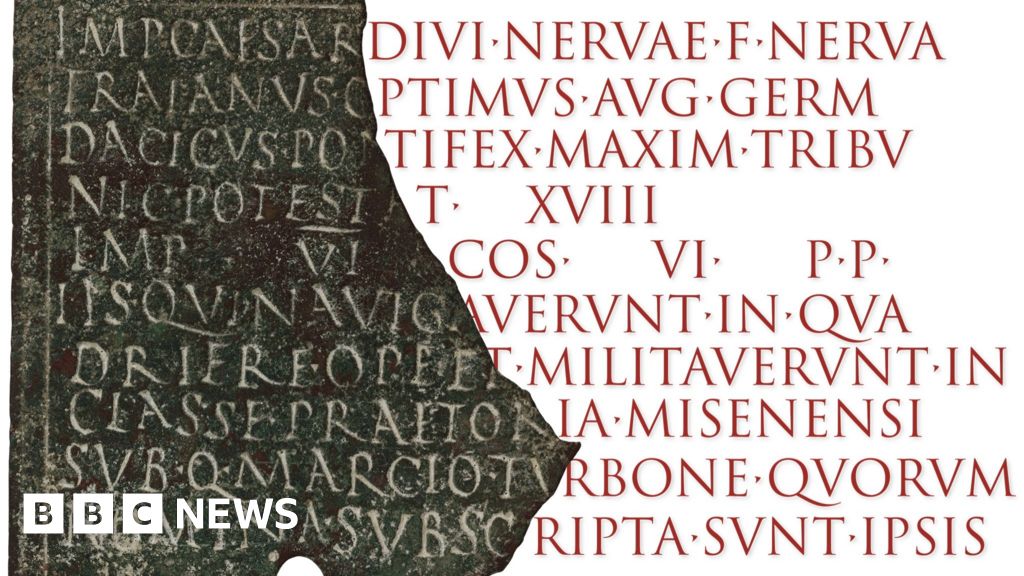
Gaps in what we know about ancient Romans could be filled by AI
A new system fills in missing words from ancient inscriptions carved on monuments and everyday objects.
- ·
theverge.com

Google DeepMind’s new AI model helps researchers understand ancient text.
The model, called Aeneas, is designed to contextualize Latin inscriptions by tracking down similarities across thousands of ancient texts. Google DeepMind says researchers can…