HomeAI · summaries
Storia in 9 fonti
Why the Strait of Hormuz, A Vital Oil Route, Is Vulnerable to Israel-Iran Conflict
Every day, roughly one-fifth of the world’s oil supply squeezes through a narrow waterway on Iran’s southern border. It is one of the energy industry’s most important trading routes — and one of its most vulnerable.
Confronto fonti
6 prospettive sulla stessa storiaTimeline cronologica
- ·
haaretz.com
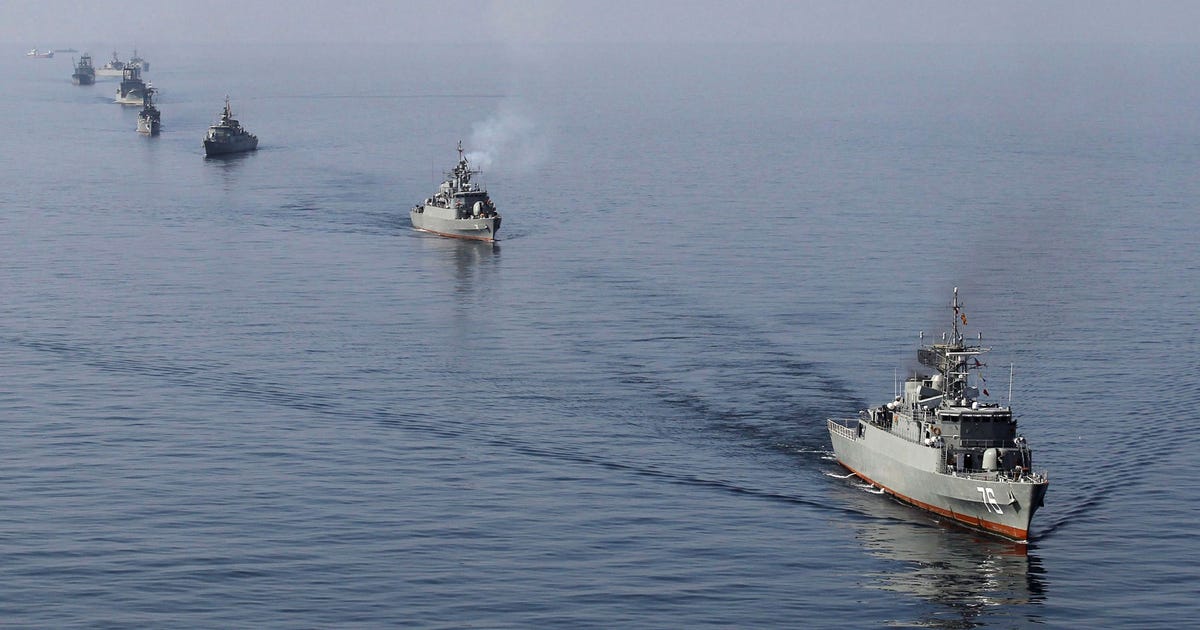
Iran moves to close the Strait of Hormuz amid war with Israel, U.S. strikes
Iran's parliament on Sunday approved a move to close the Strait of Hormuz, the entrance to the Persian Gulf where nearly a quarter of the oil shipped around the world passes…
- ·
independent.co.uk
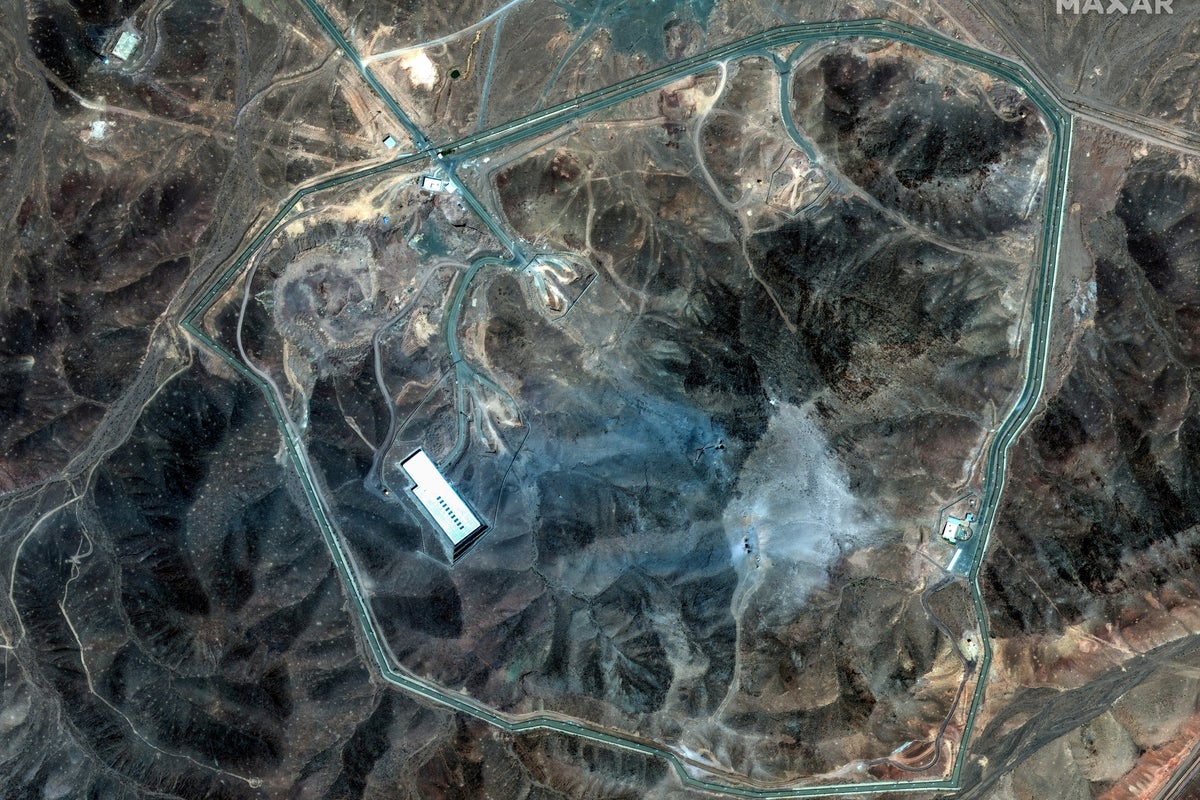
Iran could close Strait of Hormuz - how might it affect global oil and gas?
One-fifth of the world’s oil and gas passes through the Iranian-controlled Strait of Hormuz
- ·
scmp.com
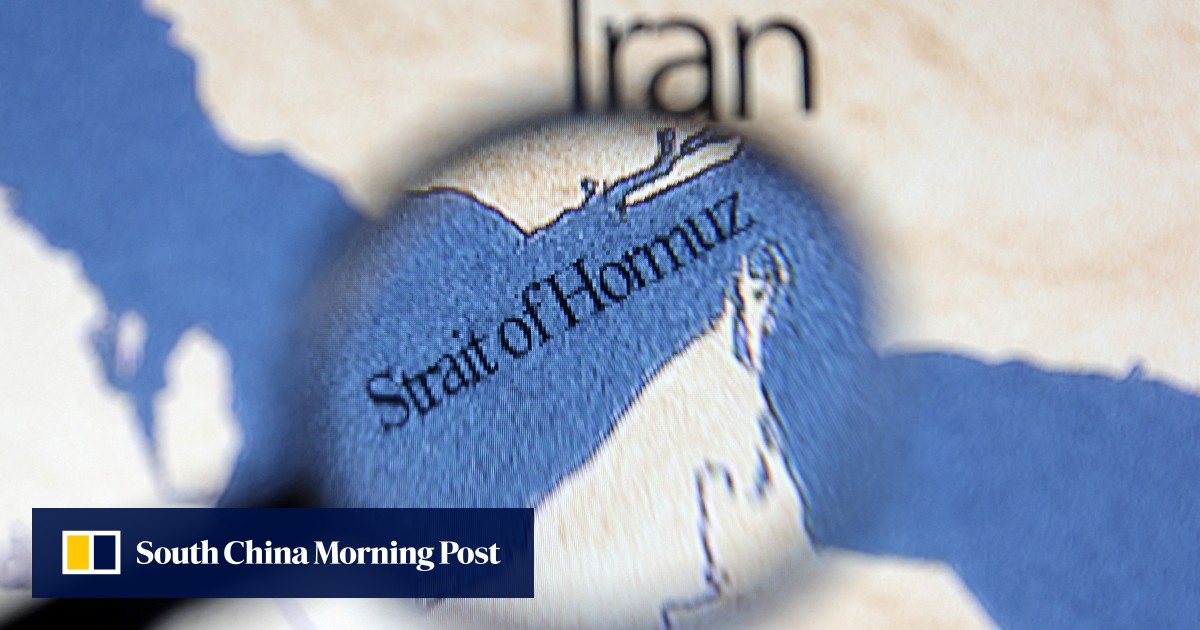
Why the Strait of Hormuz matters – and what a blockade could mean for Asia
As the US joins Israel’s war with Iran, Tehran threatens to block strategic waterway – risking global energy and trade crisis.
- ·
cnbc.com
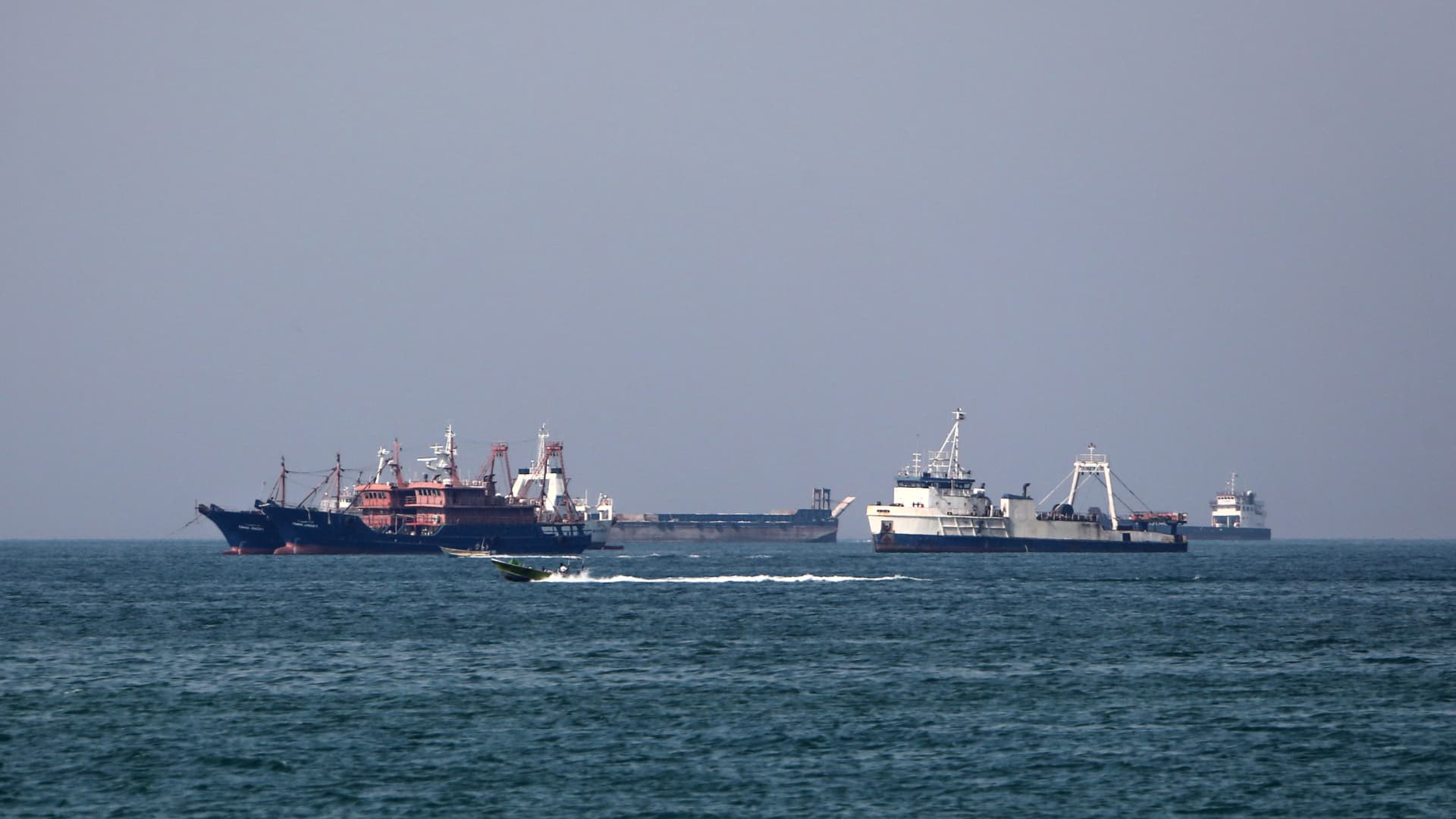
Iran's threat to close the Strait of Hormuz could deepen Tehran's isolation, experts say
The Straits are the only sea route from the Persian Gulf to the open ocean, and about 20% of the world's oil transits the waterway.
- ·
bbc.com
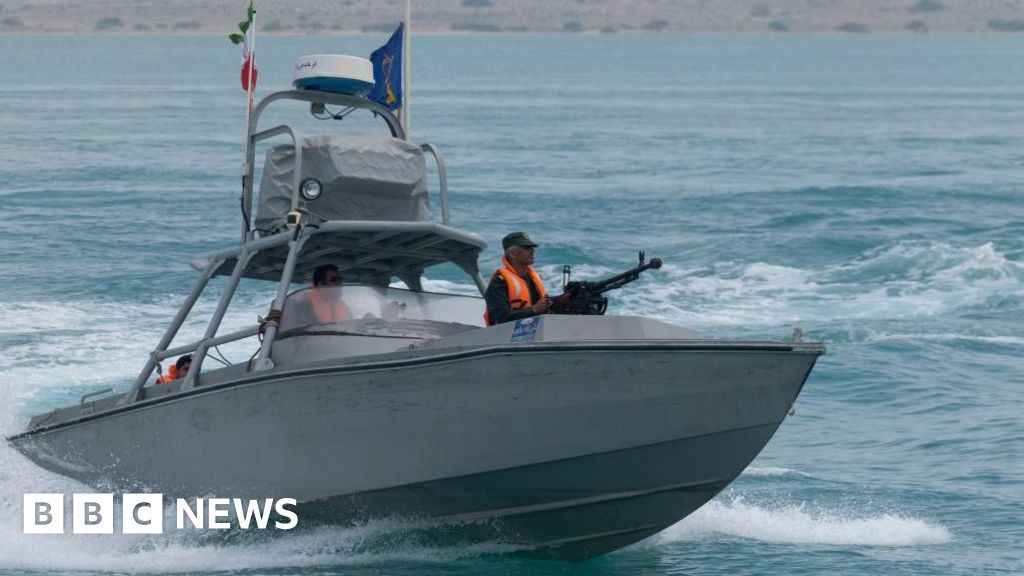
What is the Strait of Hormuz and why does it matter?
Iran's threat to block the world's most vital oil transit point has raised fears of major global economic consequences.
- ·
aljazeera.com
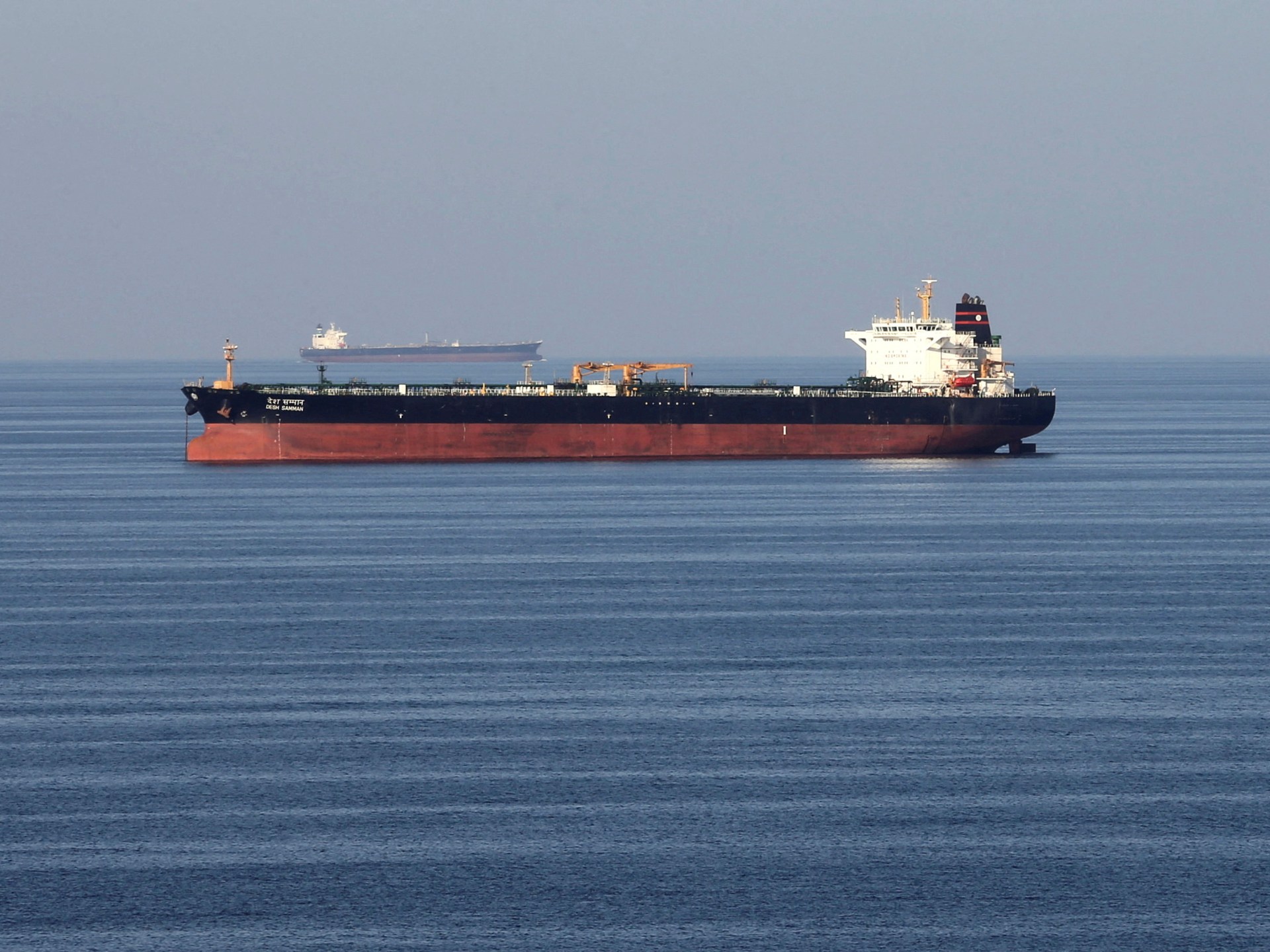
Can Iran really shut down the Strait of Hormuz?
Iran may close the vital maritime route, through which one-fifth of the world’s oil supply is shipped every day.
- ·
fortune.com
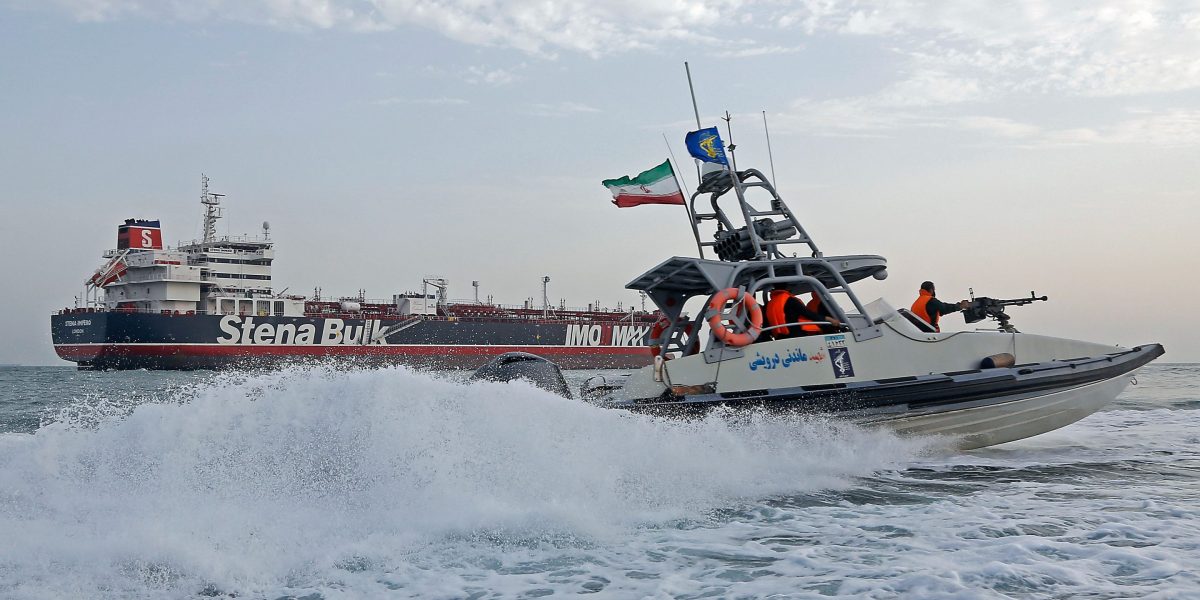
The Strait of Hormuz is a critical chokepoint for global energy markets, but there are ways to get around it
About 20 million barrels of oil a day flow through the Strait of Hormuz, or the equivalent of 20% of global petroleum liquids consumption.
- ·
lemonde.fr
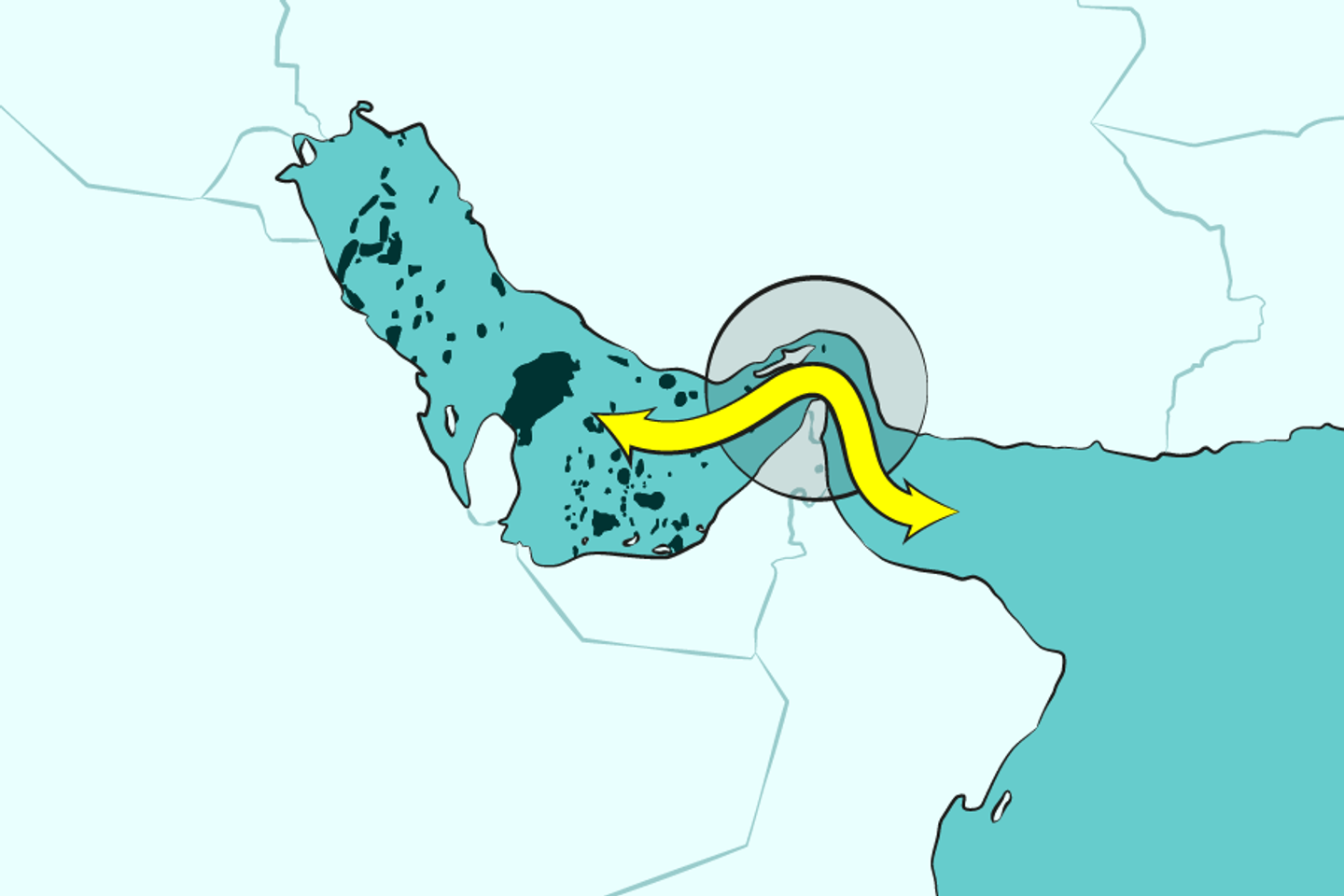
Israel-Iran war: Hormuz, the world's oil chokepoint, is under tension
A blockade of the strait, through which one-fifth of global oil consumption passes, would have a catastrophic impact on the world economy. Iran, which depends on its oil revenues,…
- ·
nytimes.com
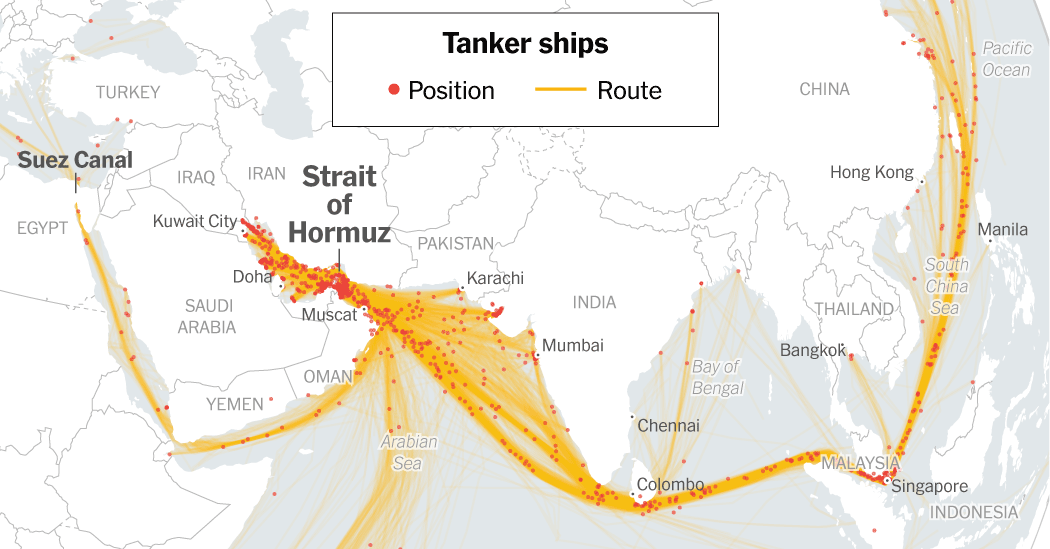
Why the Strait of Hormuz, A Vital Oil Route, Is Vulnerable to Israel-Iran Conflict
Every day, roughly one-fifth of the world’s oil supply squeezes through a narrow waterway on Iran’s southern border. It is one of the energy industry’s most important trading…