Home
Storia in 4 fonti
Overview: Rapidly Rising Supply Restrains Geopolitical Risk Premium
June should erase May's surplus, but the second half of the year is fraught with daunting oversupply now that Opec-plus is upping production.
- ·
scmp.com
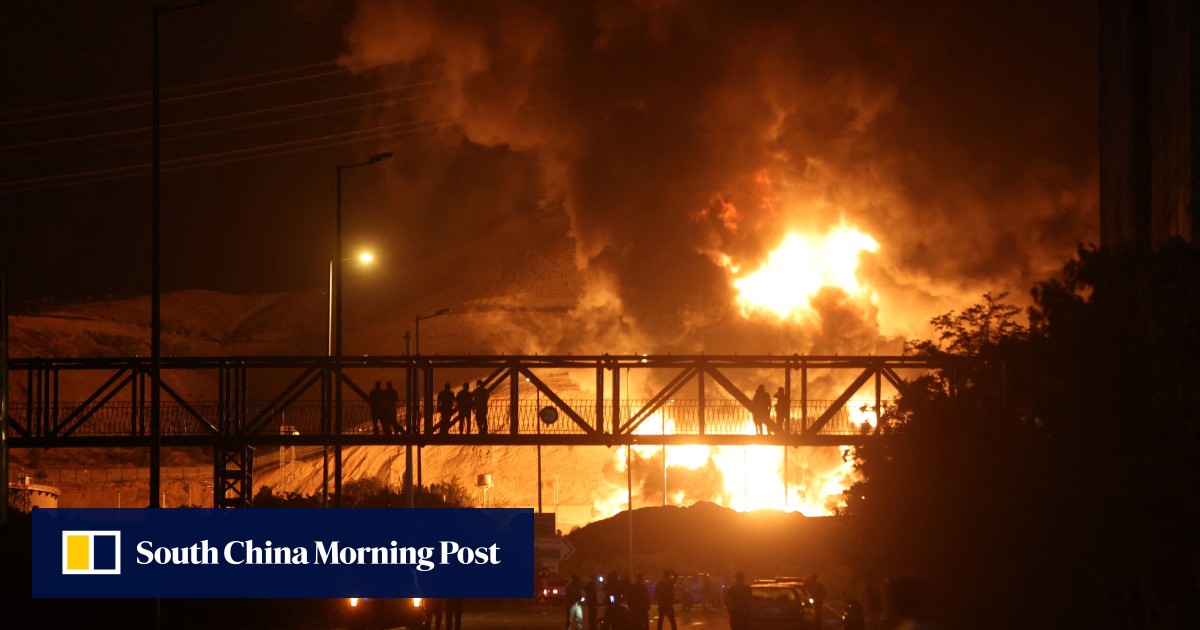
Oil price spike likely following US strikes on Iran, investors say
The reaction in Middle East stock markets suggested investors were assuming a benign scenario, even as Iran intensified its missile attacks on Israel.
- ·
fortune.com

Oil prices could spike 10% after the U.S. attack on Iran — 'But don’t be fooled, this may not last'
Based on the closing price of Brent crude on Friday, a 10% jump would send the global oil benchmark to nearly $85 per barrel.
- ·
cnbc.com
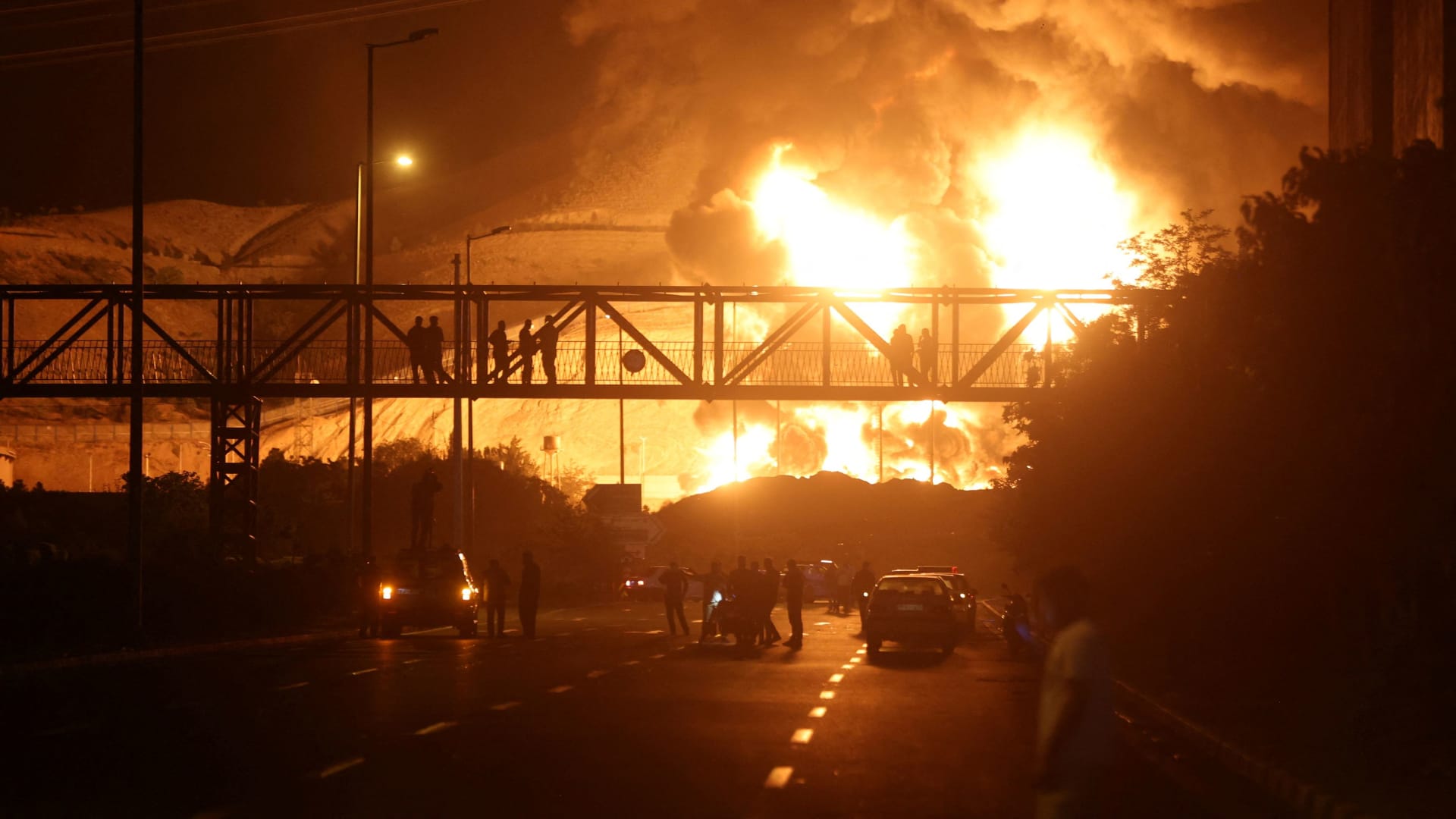
Oil prices jump more than 2% after U.S. strikes on Iran raise fears of supply disruption
Oil markets are reacting to the impact of a U.S. decision to directly enter the Iran-Israel conflict.
- ·
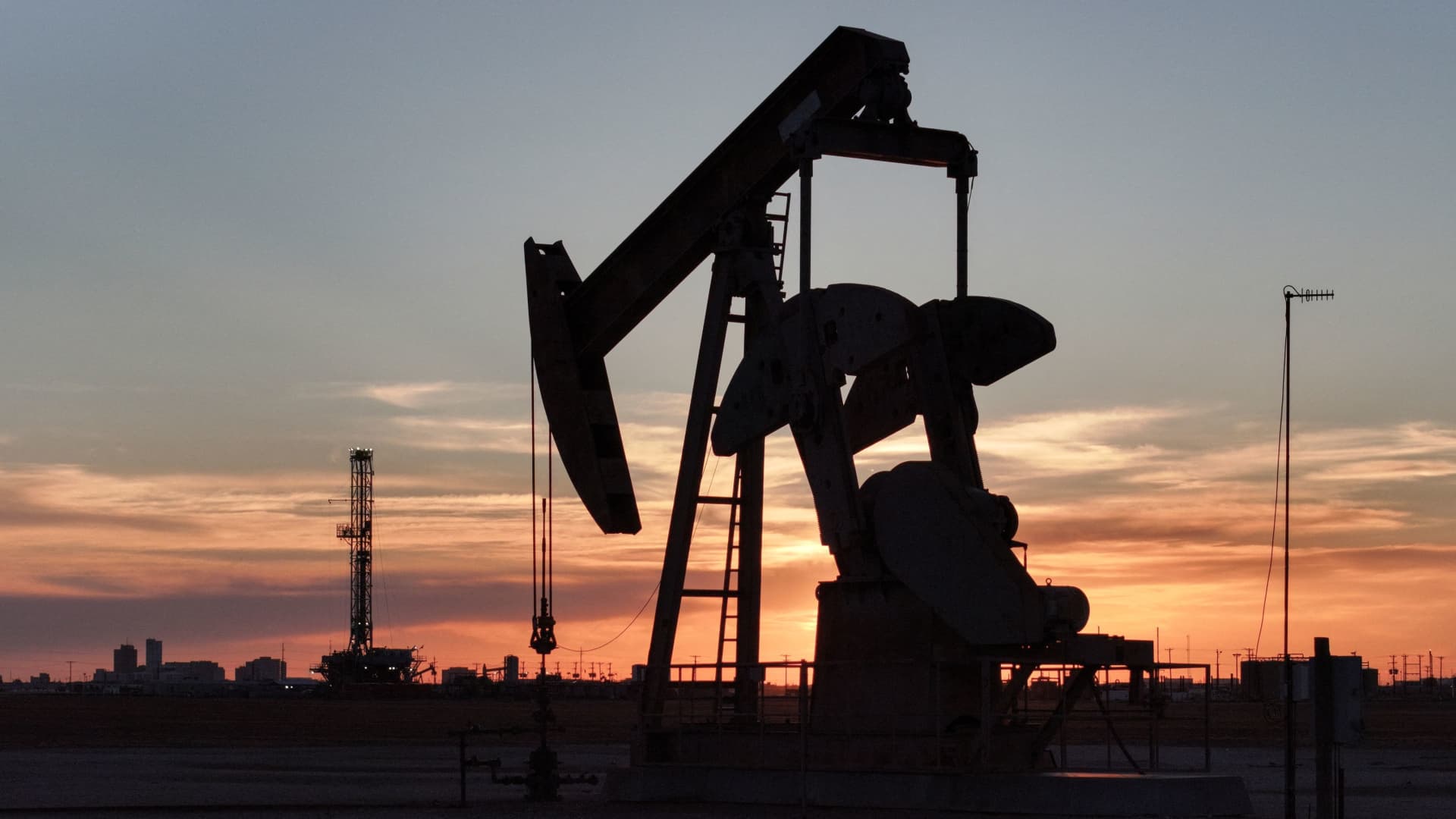
Oil at $100 a barrel? U.S. role in Iran-Israel fight fuels market jitters
Oil markets are entering a new phase of uncertainty after the U.S. entered the war between Iran and Israel, said industry watchers.
- ·
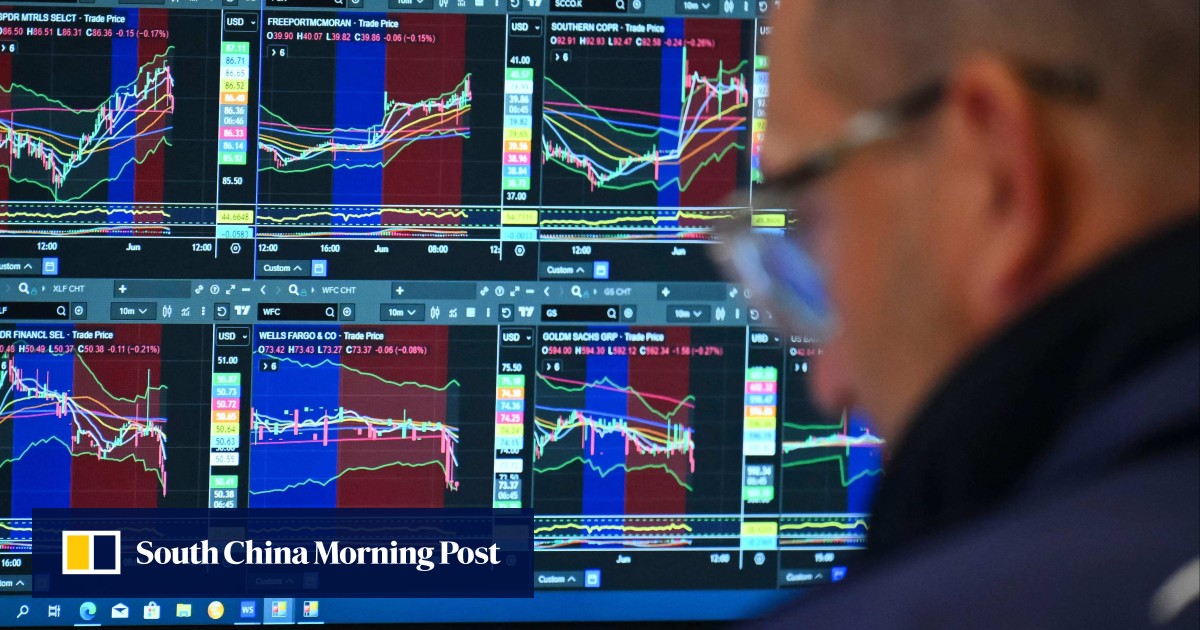
Global economy jitters grow after Trump’s Iran strikes, Strait of Hormuz fears
Escalating Israel-Iran conflict could disrupt oil trade and shake markets, analysts say.
- ·
energyintel.com
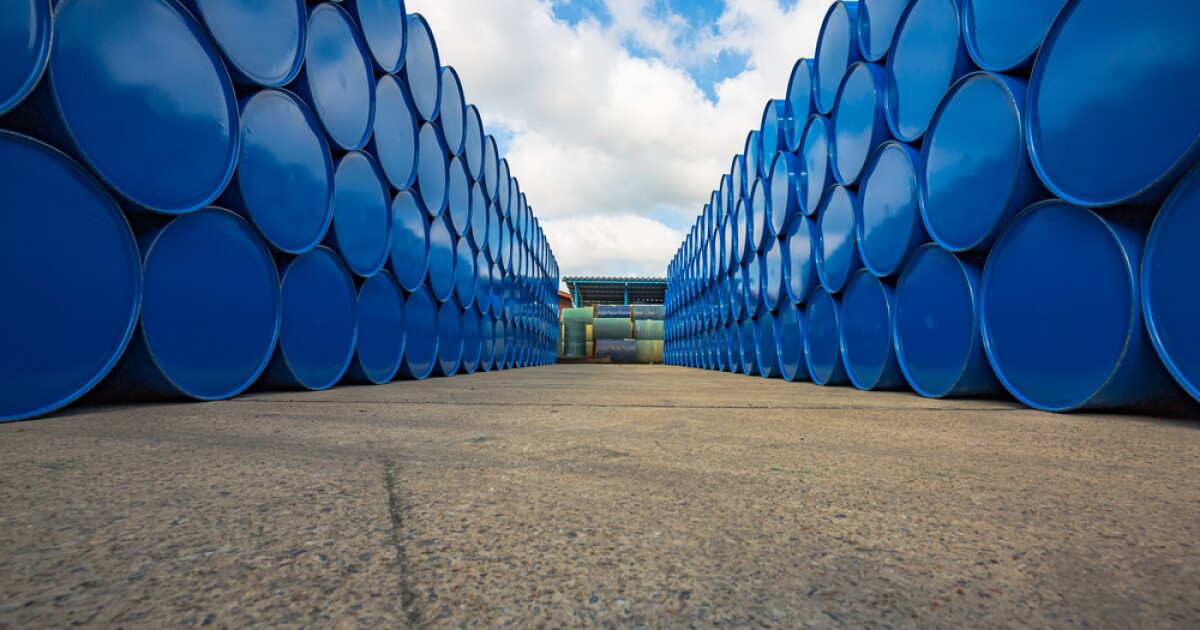
Overview: Rapidly Rising Supply Restrains Geopolitical Risk Premium
June should erase May's surplus, but the second half of the year is fraught with daunting oversupply now that Opec-plus is upping production.
- ·

Investors liked the peace but they love war even more, asset markets are saying today
Investors are unconcerned about major oil disruptions, reasoning that Iran is unlikely to close the Strait of Hormuz and harm its own economy.
- ·

Fundamentals Dominate as Oil's War Premium Evaporates
The crude price collapsed after the US bombed Iran, underscoring the limits of event-driven price moves amid demand uncertainty and a coming wall of supply.