WARPTECHNEWS · LAB
HomeAIBusinessTechArchive
WARPTECH LAB NEWS

Warptech Lab News aggrega le notizie più rilevanti da oltre 700 fonti internazionali, con classificazione AI, TL;DR sintetici e timeline cluster su singole storie.

Navigazione

  • Home
  • Archivio
  • Editor's Brief
  • Cerca
  • Il tuo account
  • Newsletter tech/AI

Informazioni legali

  • Privacy Policy
  • Termini di servizio
  • Cookie Policy

© 2026 Sparktech S.R.L. — Tutti i diritti riservati. Sito gestito e manutenuto da Sparktech S.R.L.

Sede legale: Corso Libertà 55, 13100 Vercelli (VC), Italia · P.IVA / C.F. 02835910023 · Contatti: admin@warptechlab.com

Home
Storia in 2 fonti

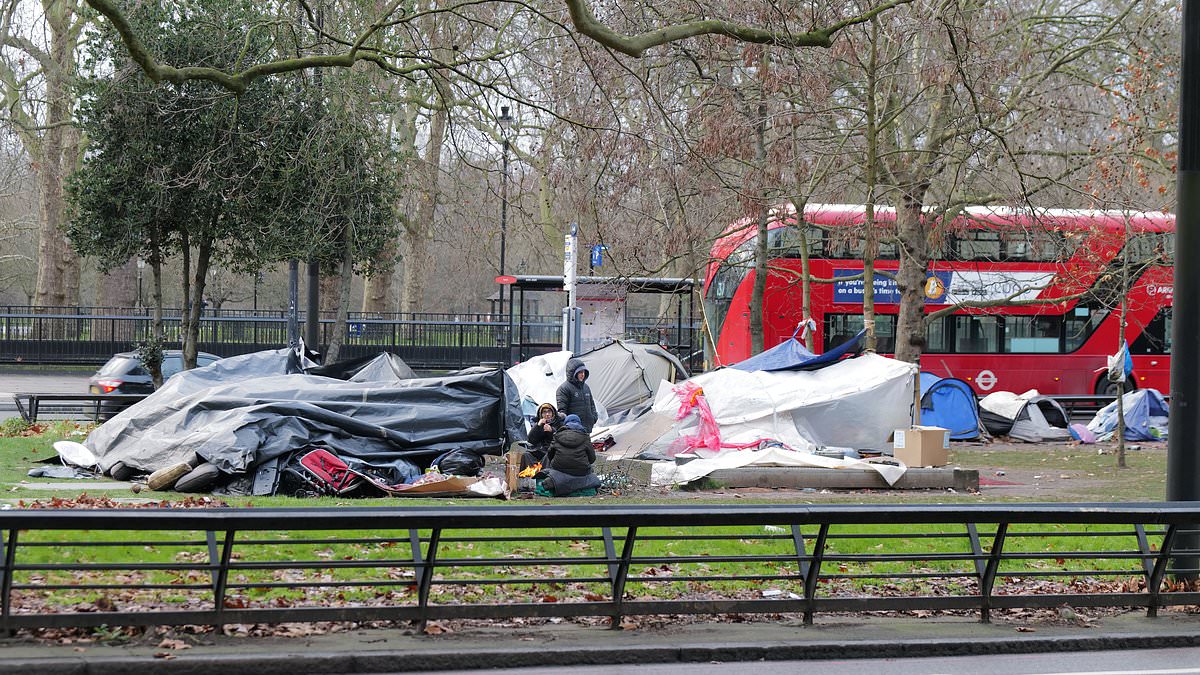
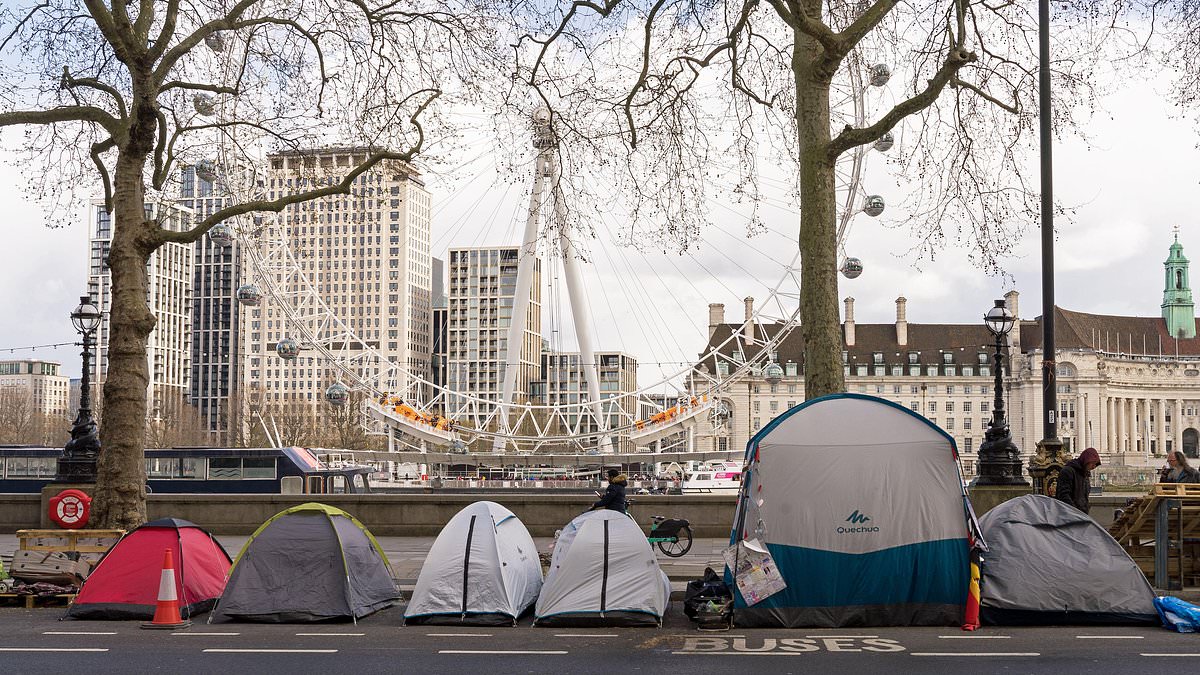
Fears of rise in tent cities as rough sleeping is decriminalised

The number of rough sleepers has risen dramatically since 2010, from 1,768 people thought to be sleeping rough on an average night in England to 4,667 last year.
Raccontata datelegraph.co.ukdailymail.co.uk

Confronto fonti

2 prospettive sulla stessa storia
AI · summaries
dailymail.co.ukStai leggendo1 anni fa

Fears of rise in tent cities as rough sleeping is decriminalised

The number of rough sleepers has risen dramatically since 2010, from 1,768 people thought to be sleeping rough on an average night in England to 4,667 last year.

originale
telegraph.co.uk1 anni fa

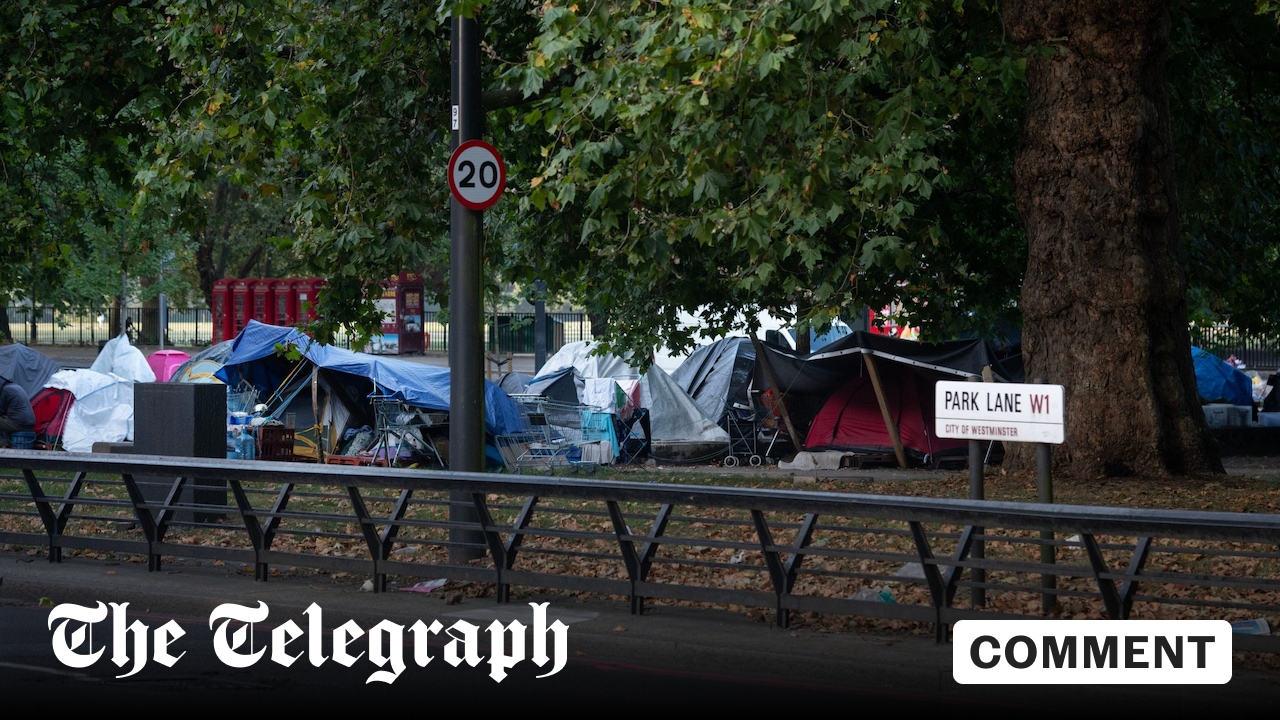
Brace for a new era of tent cities

Government set to decriminalise rough sleeping

Leggi questa versione → originale

Timeline cronologica

  1. mercoledì 11 giugno 2025·telegraph.co.uk

    Brace for a new era of tent cities

    Government set to decriminalise rough sleeping

  2. mercoledì 11 giugno 2025·dailymail.co.uk

    Fears of rise in tent cities as rough sleeping is decriminalised

    The number of rough sleepers has risen dramatically since 2010, from 1,768 people thought to be sleeping rough on an average night in England to 4,667 last year.

  3. giovedì 12 giugno 2025·dailymail.co.uk

    Fears of tent cities as rough sleeping is decriminalised

    Tent cities could pop up across the UK as rough sleeping is decriminalised, critics of the policy say.