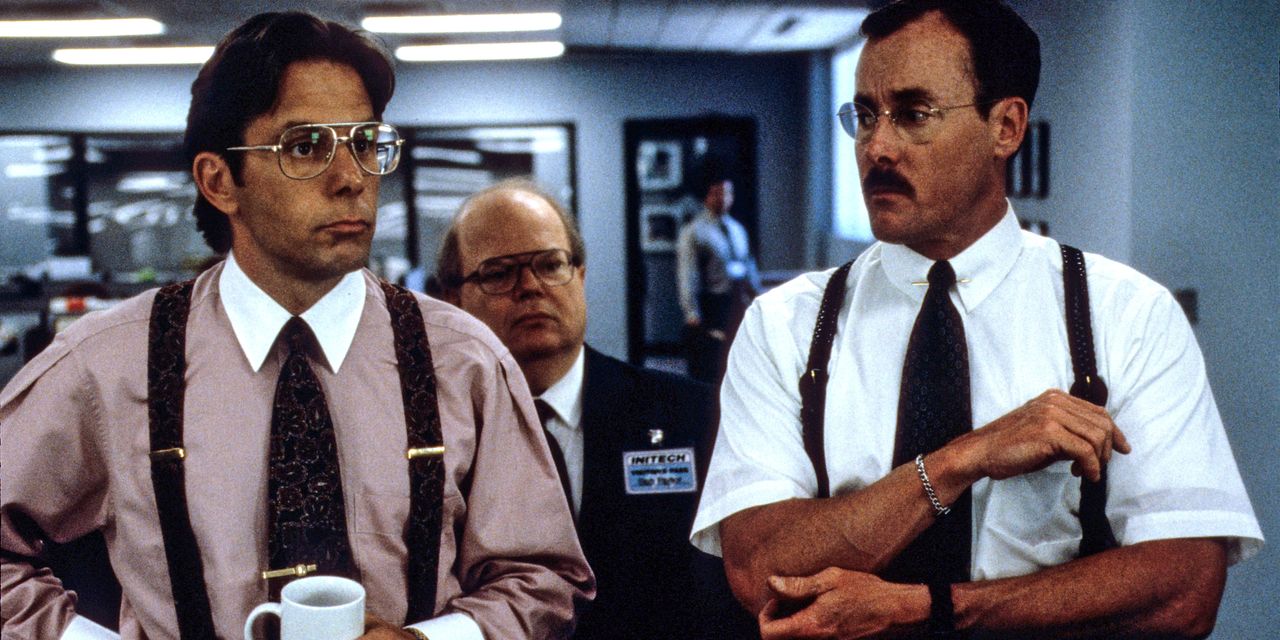
IN 2018, Rutledge’s, a 54-year-old classic men’s clothing store in Colorado Springs, Colo., sold a healthy 35 neckties a month. In 2020, that number has dipped to just 15. In an interview, the store’s vice president Luke Faricy joked that when he recently compared those sales figures, he “cried a little bit.” Ties were once an easy-to-sell accessory for Rutledge’s, with locals and tourists alike snatching them up. Today, neckwear sits largely ignored on the sales floor.
During the pandemic year, oh-so-casual Zoom shirts leapfrogged corporate attire. Interest in the necktie—already waning in recent decades—was nearly extinguished. Seigo Katsuragawa, the proprietor of Seigo, a beloved, tie-focused store on Manhattan’s Upper East Side, said this past year was the worst in his company’s 30-year history. “9/11 was bad,” he said, but it was nothing like this.
Although some of his favorite customers have come by to check in on the store, they’ve told Mr. Katsuragawa they just don’t wear ties anymore. “They’re dressed up in T-shirts and polo shirts,” not ties, he said, sounding more than a bit wounded.
He might find some solace in knowing that he’s not the only haberdasher taking a hit. Ashton Greene, a salesman at men’s clothier H. Stockton in Atlanta for 33 years, noted that tie sales are “certainly not at the levels we [experienced] even a year and a half ago.” He speculated that 90% of men in the store’s Atlanta neighborhood walk around tieless in “golf shirts every single day.”