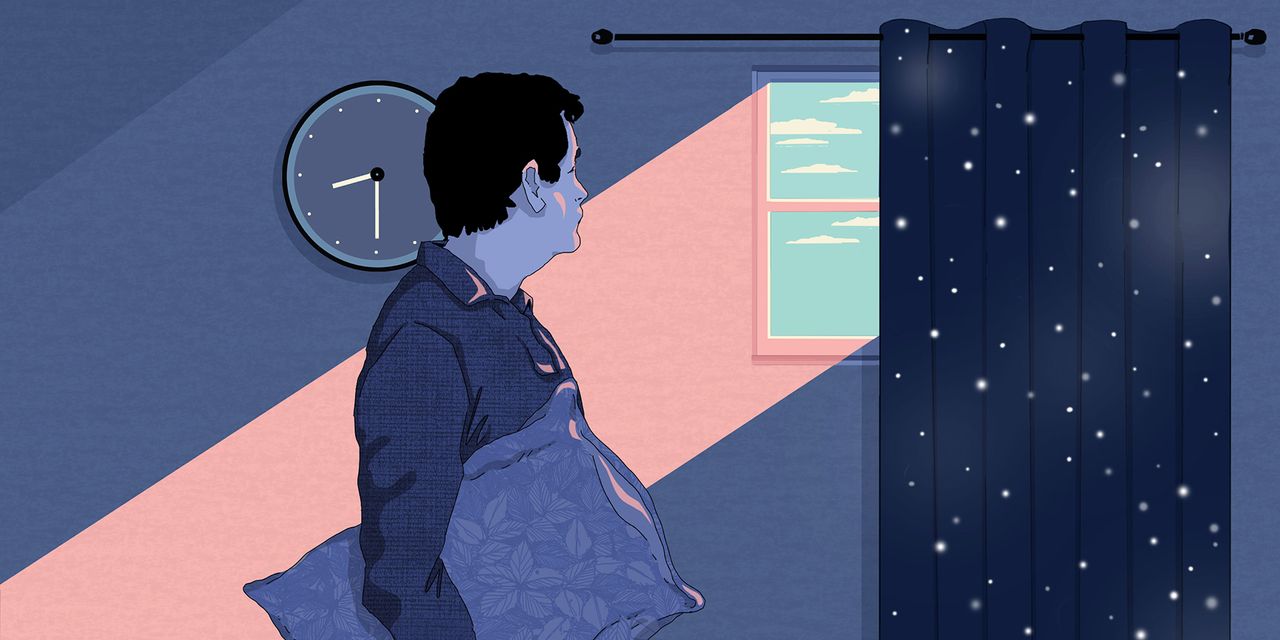
Many of us are excited about having more light in the evenings after the clocks spring forward early Sunday. Doctors aren’t.
When daylight-saving time takes effect March 12, clocks will move forward by one hour in nearly every state. The shift has been linked in recent studies to a range of ills, including shorter and less restful sleep and a higher risk of cardiac problems such as heart attack, atrial fibrillation-related hospital visits, and an increase in ischemic stroke. Keeping a consistent bedtime helps to ensure that you get enough rest and helps prevent disruption to your body’s natural sleep cycle.