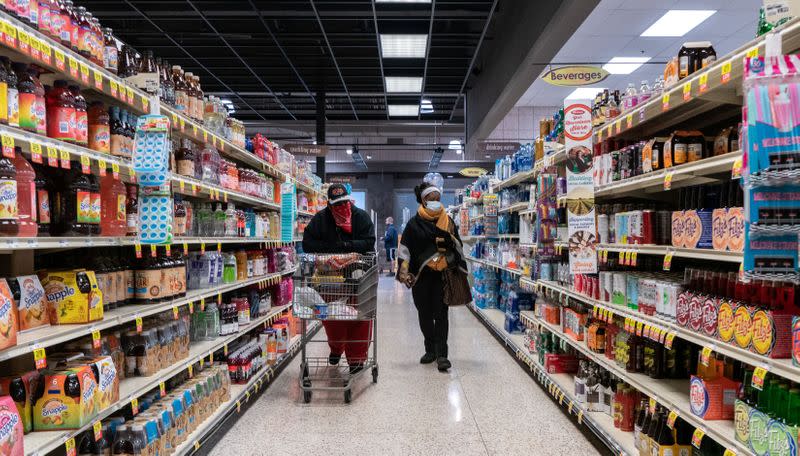
It’s been a while since the U.S. economy endured serious inflation, but we now have price hikes for some products that are denting the family budget. Year-over-year inflation was 4.2% in April and economists think it could go higher. San Francisco Federal Reserve President Mary Daly recently predicted this bout of inflation would persist into 2022.
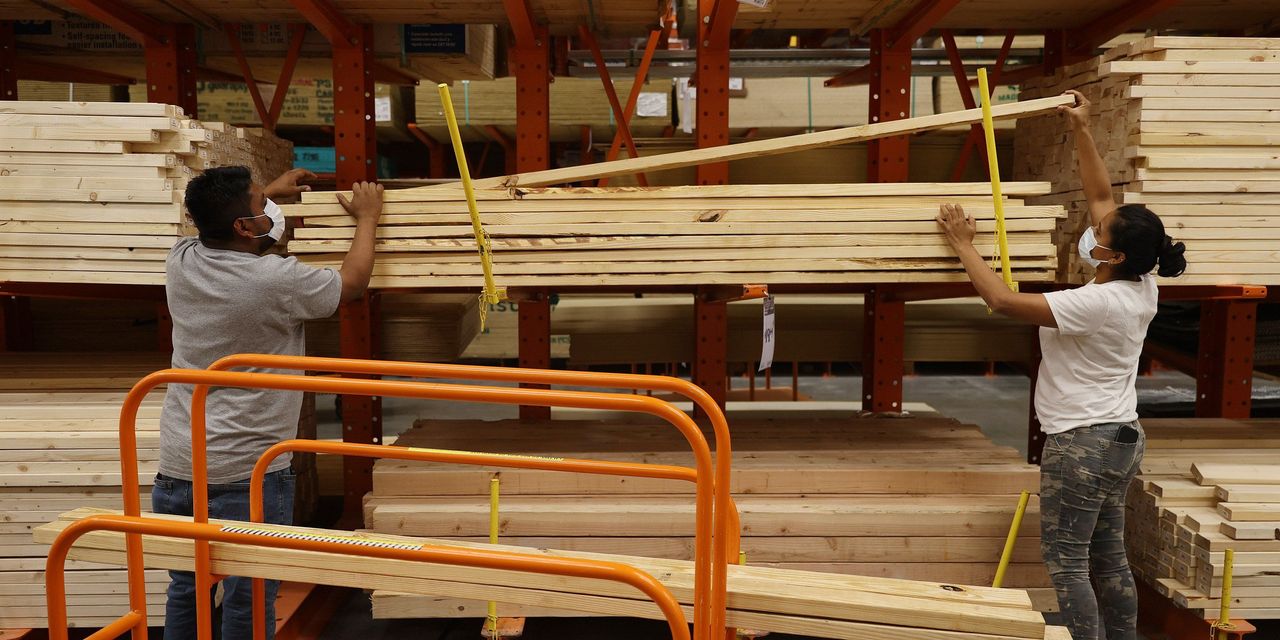
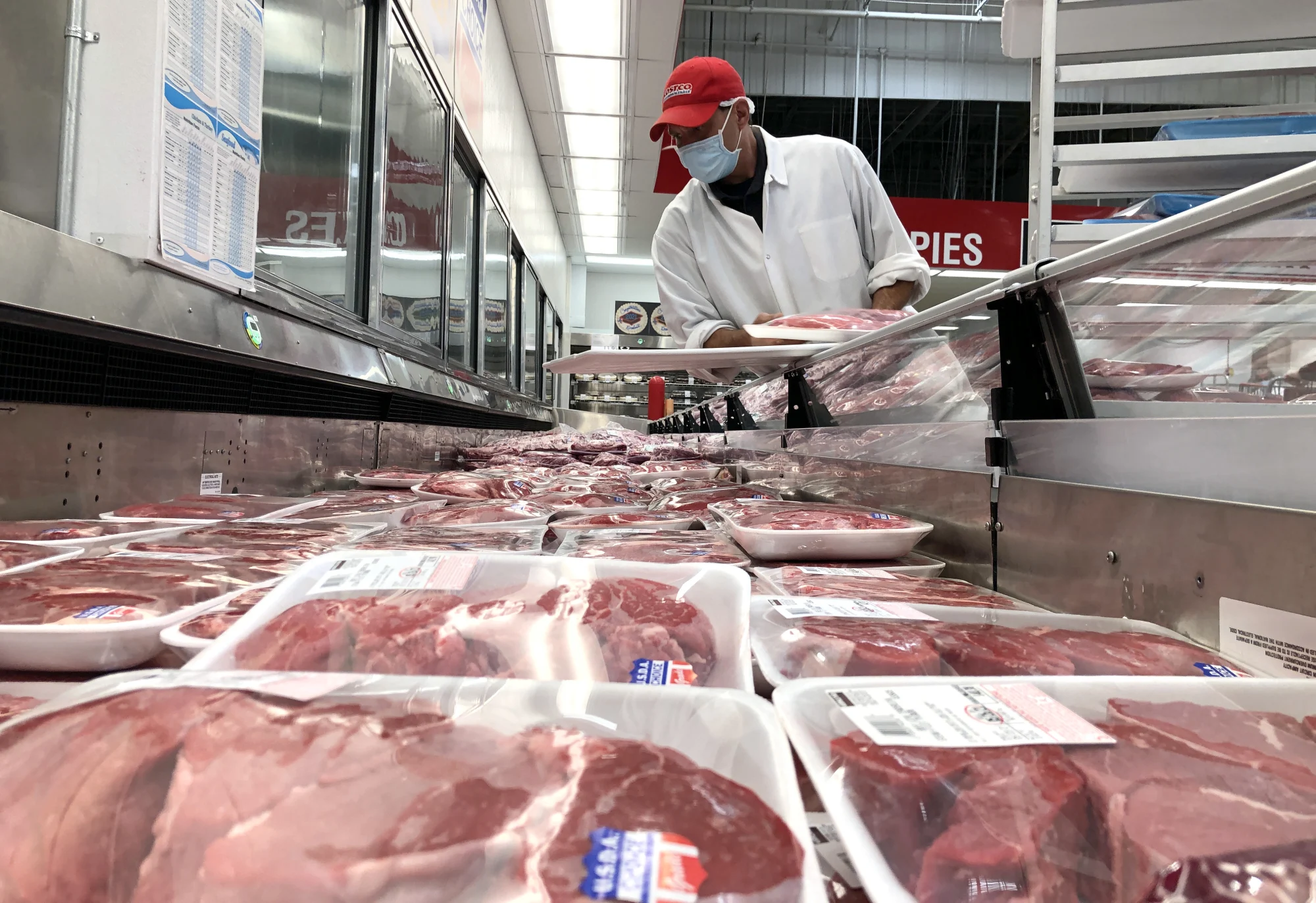
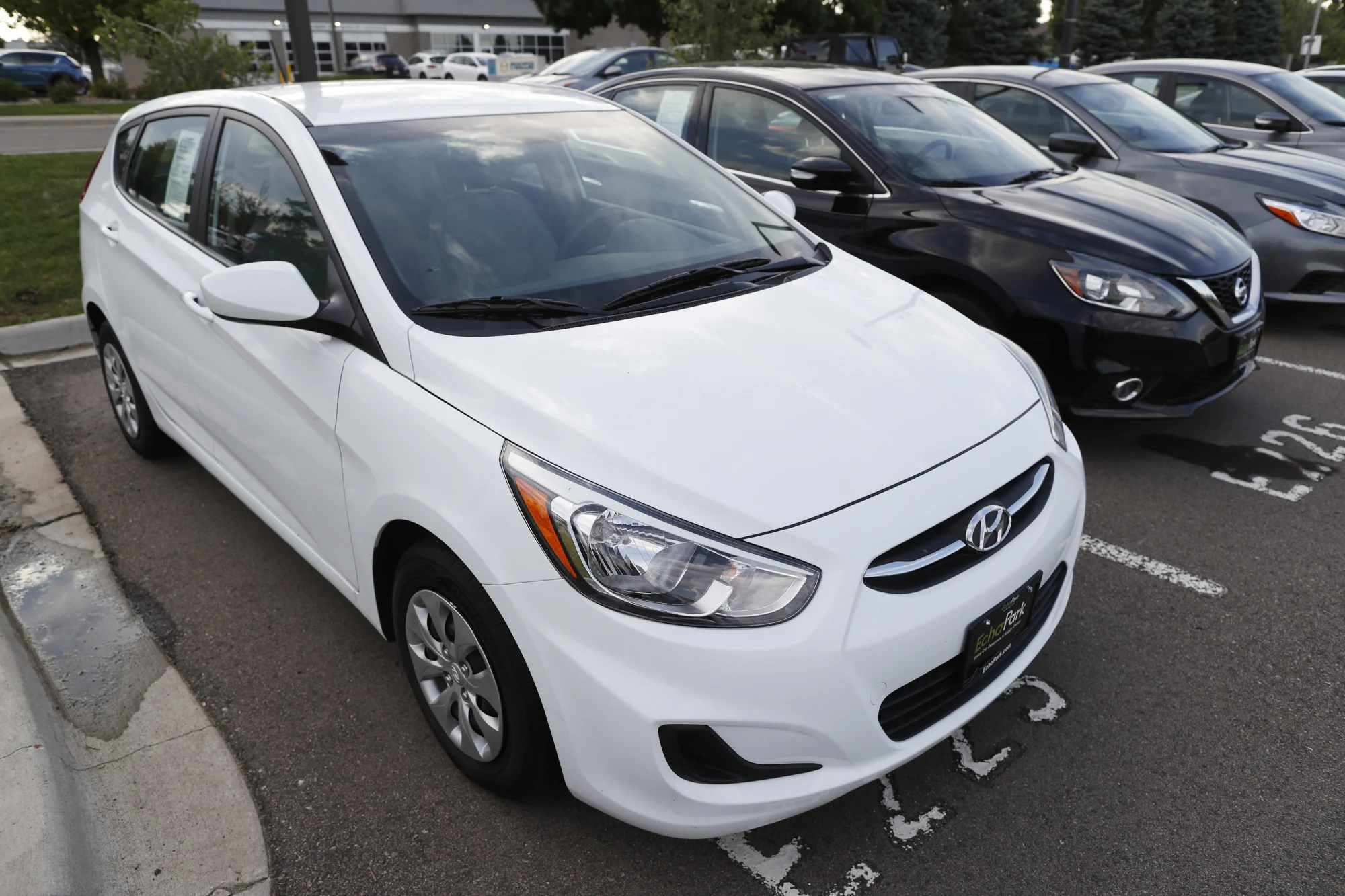
Price hikes are hitting certain types of products suffering supply disruptions as the economy rebounds from the coronavirus pandemic much faster than many expected. A shortage of microchips has cut into new-car production, so buyers are snapping up used cars, pushing prices up 21% during the last year. Rental-car agencies slashed inventories last year, and with travel recovering, rental rates are up 82%. Lumber prices are four times higher than they were a year ago, pushing up construction costs. Home values have risen by record levels, exasperating buyers. Gasoline is up, too.
When consumers start to worry about rising prices, it can distort spending decisions and depress the entire economy. That happened in the late 1970s, when inflation got as high as 14% and “stagflation” caused two recessions. We’re probably not headed for stagflation now, since consumers have options and most supply-demand mismatches will sort themselves out. Still, it may be time for some careful budgeting. Here are 4 ways to cope with inflation.