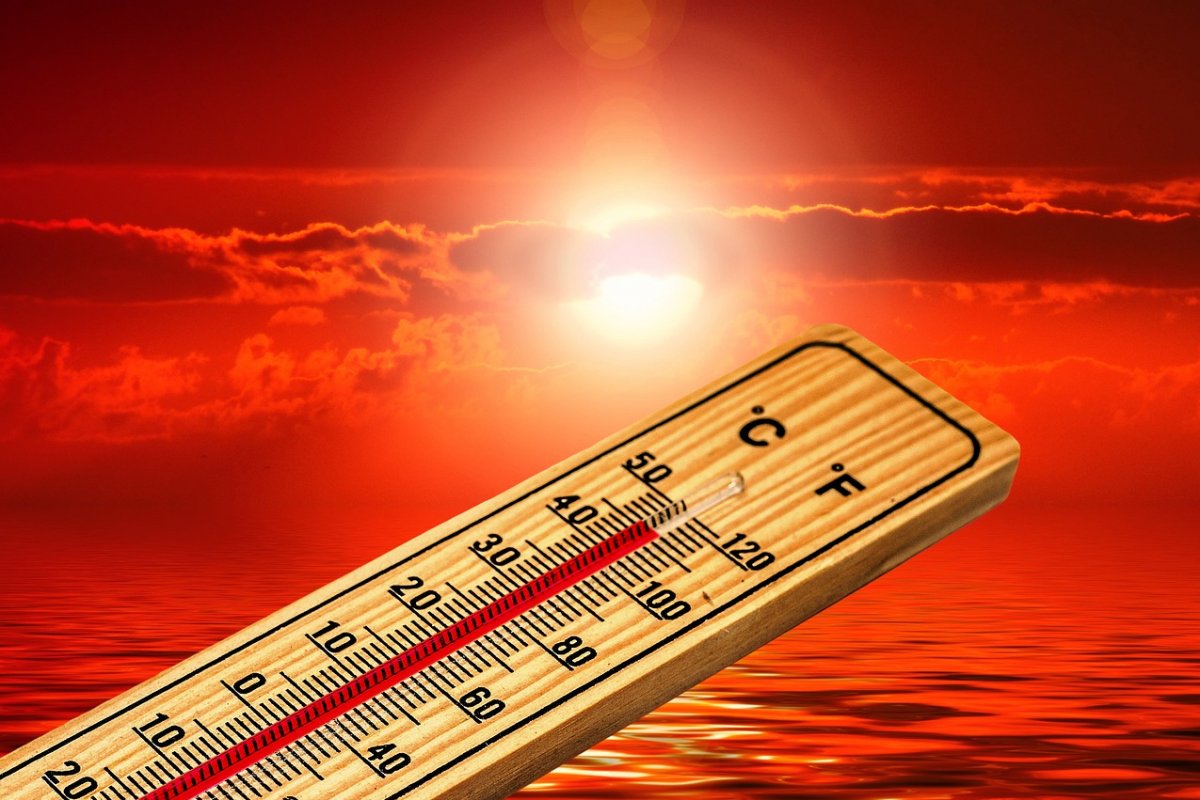
Life-threatening heat waves will become more common by the end of this century, according to a new study.
A "dangerous" heat index -- what the temperature feels like when humidity and air temperature are combined -- is defined by the National Weather Service (NWS) as 103 degrees Fahrenheit. NWS defines "extremely dangerous" as 124 degrees F -- unsafe to humans for any amount of time.
Crossing the "dangerous" threshold will be three to 10 times more common by 2100 in the United States, even if countries manage to meet the Paris Agreement goal of limiting global warming to just 2 degrees Celsius (or 3.6 F), researchers report.
And in a worst-case scenario where emissions remain unchecked, "extremely dangerous" conditions could become common in lands closer to the equator, the study warns.
August may not see any tropical storms for just 3rd time in 60 years