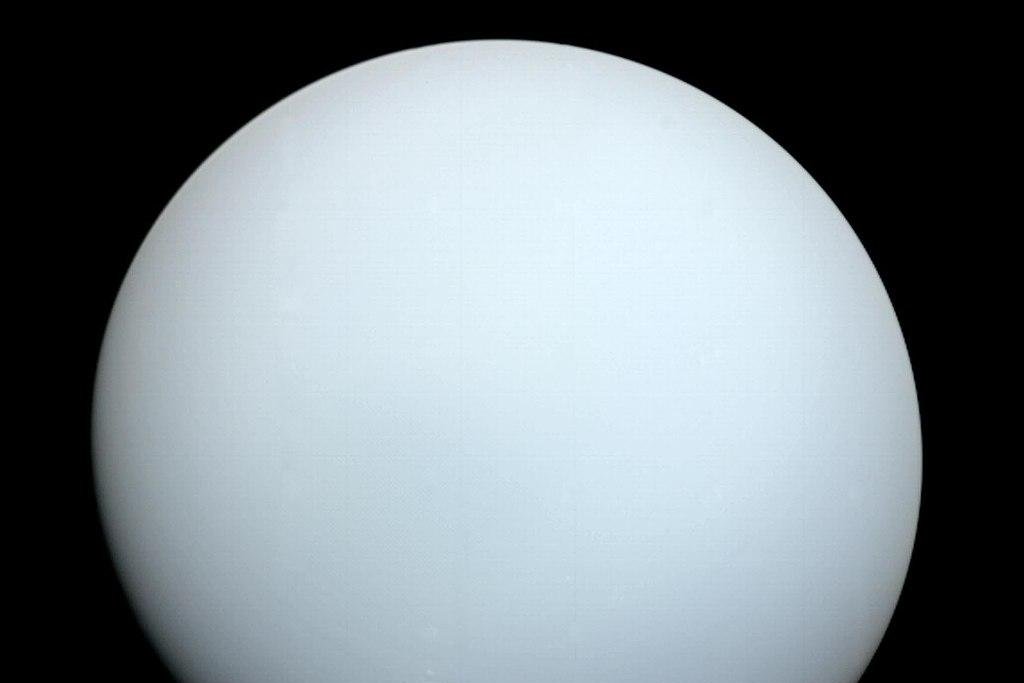
Aug. 24 (UPI) -- As part of a cosmic phenomenon called retrograde motion, Uranus -- the second-to-last planet in our solar system -- will reverse its eastward course on Wednesday and begin moving west in the sky for a few months.
Retrograde motion occurs as the Earth moves around the sun and the stellar views at night change little by little. The orbit, in turn, makes objects like planets in our solar system move horizontally across the sky throughout the year.
All the outer planets of the solar system are affected by retrograde motion periodically before they reach opposition.
Uranus can be seen in the night sky with the naked eye, but retrograde motion requires a telescope or binoculars.
The ice giant will enter retrograde motion beginning at 9:40 p.m. EDT Wednesday and will remain in the motion until Jan. 22.