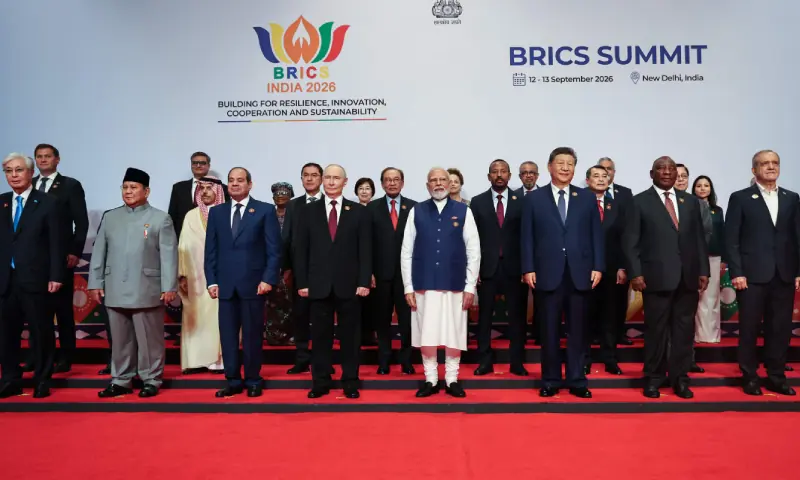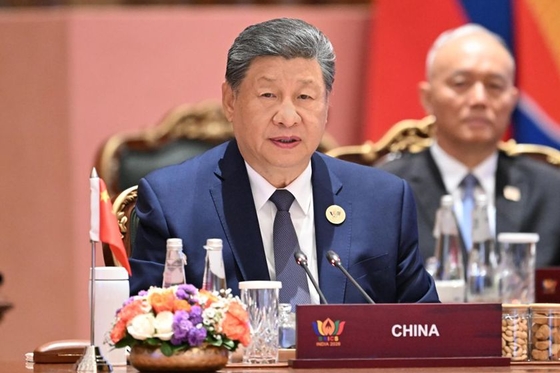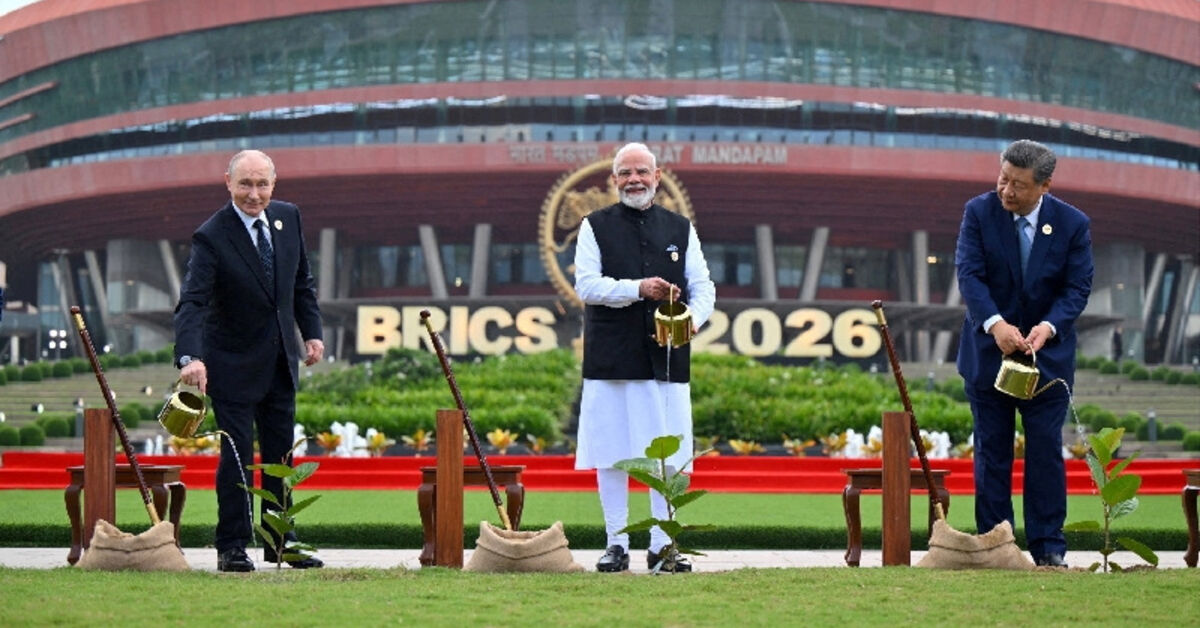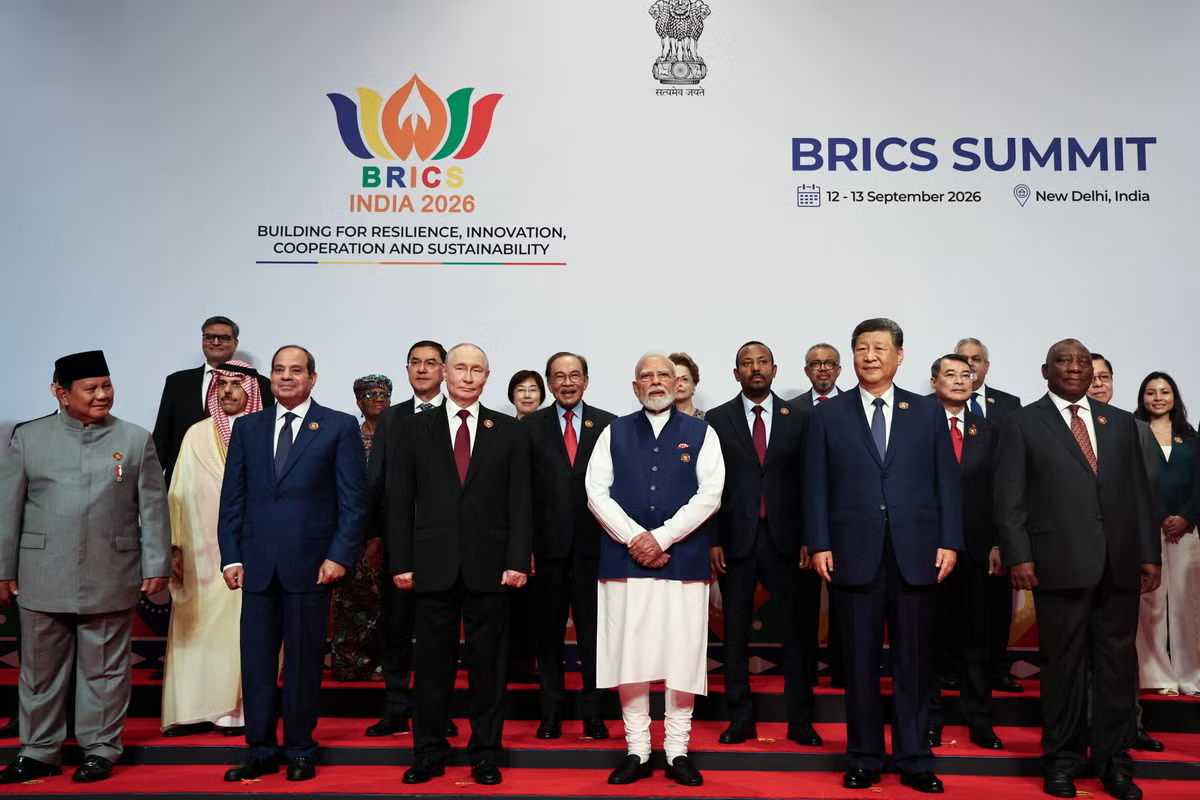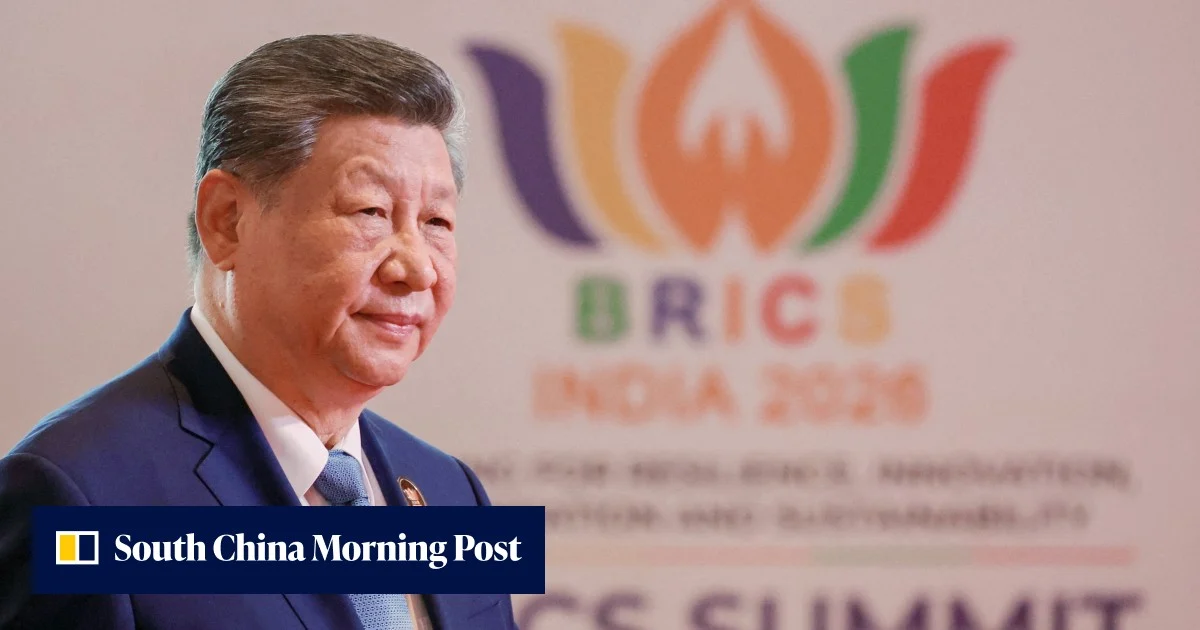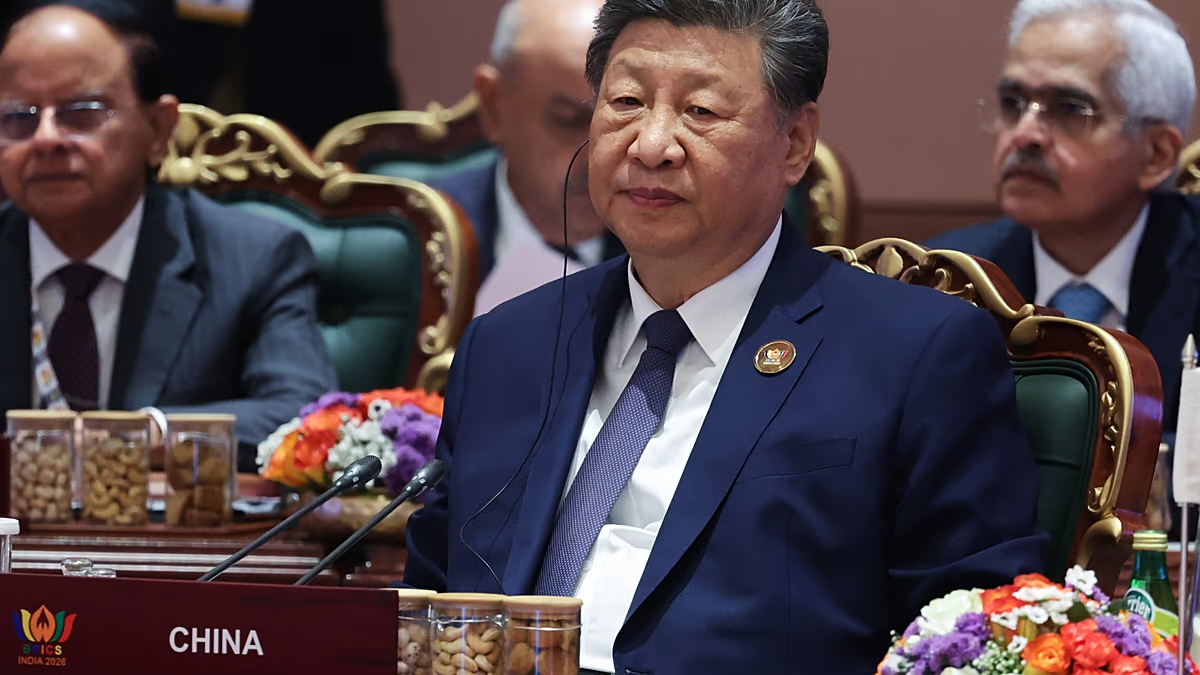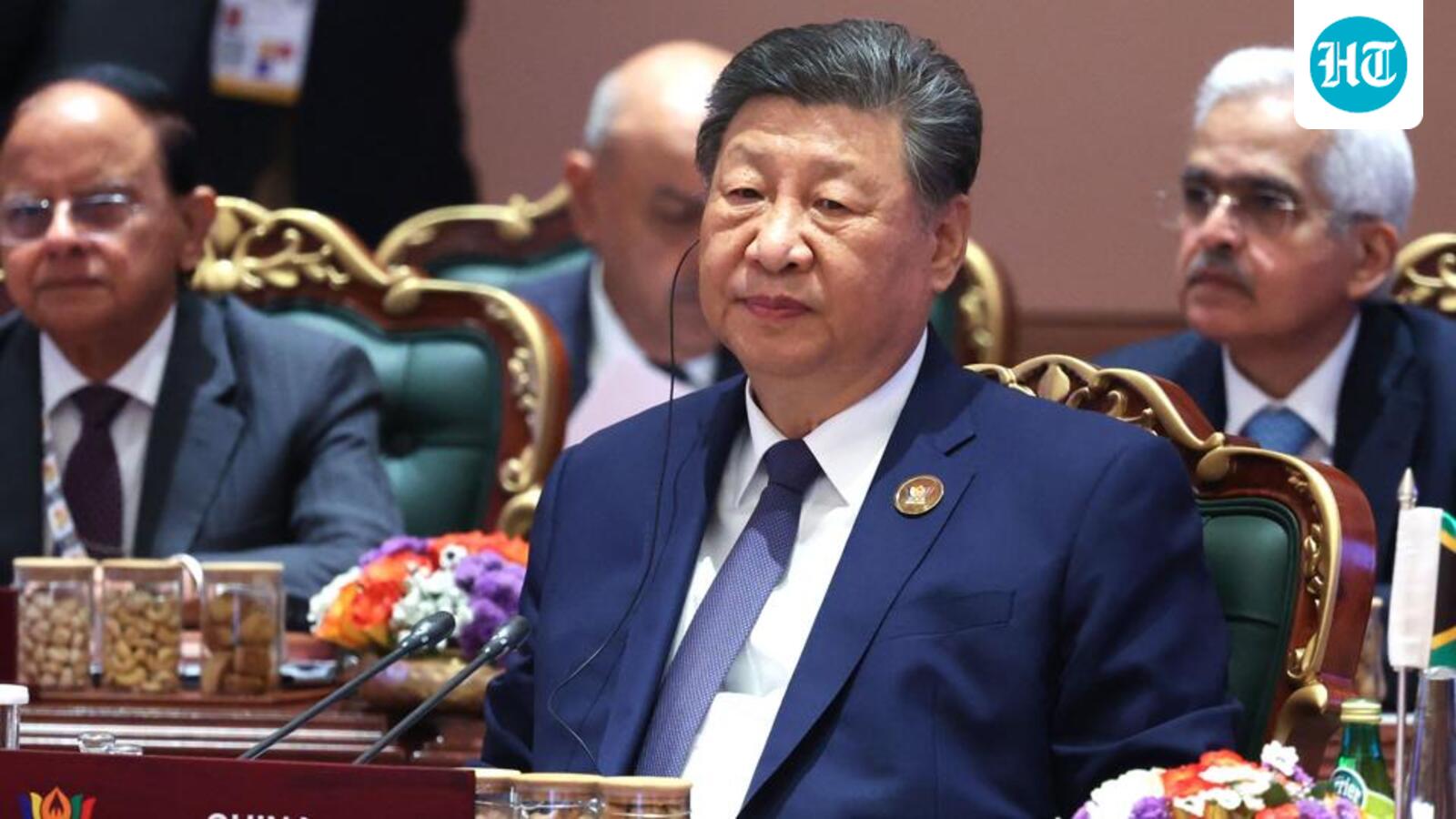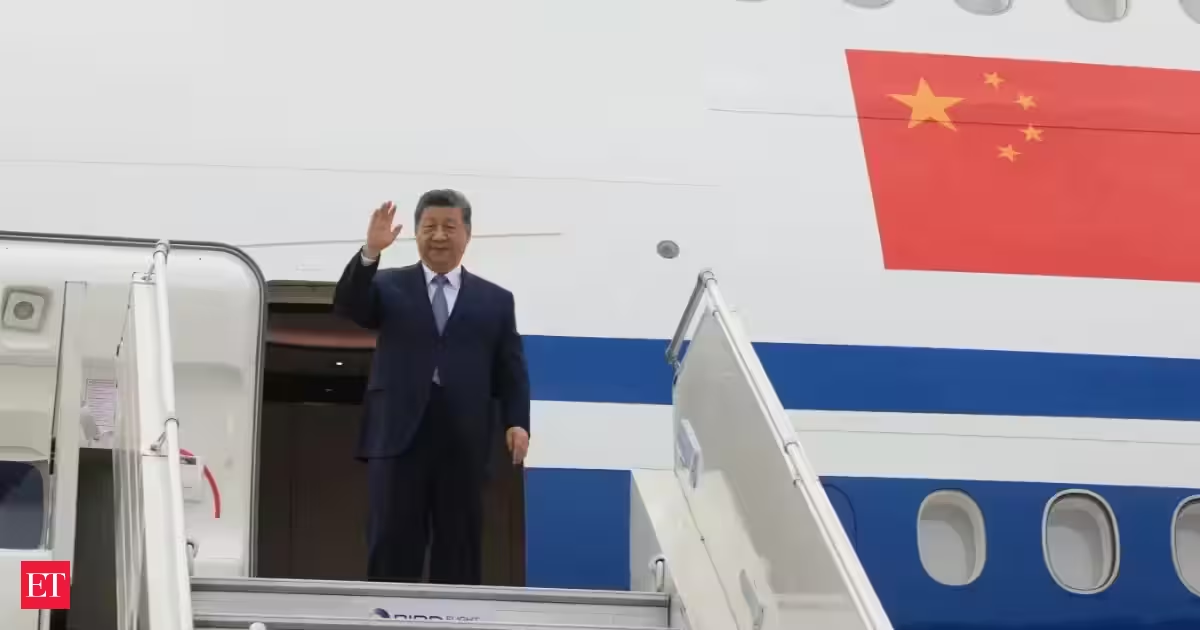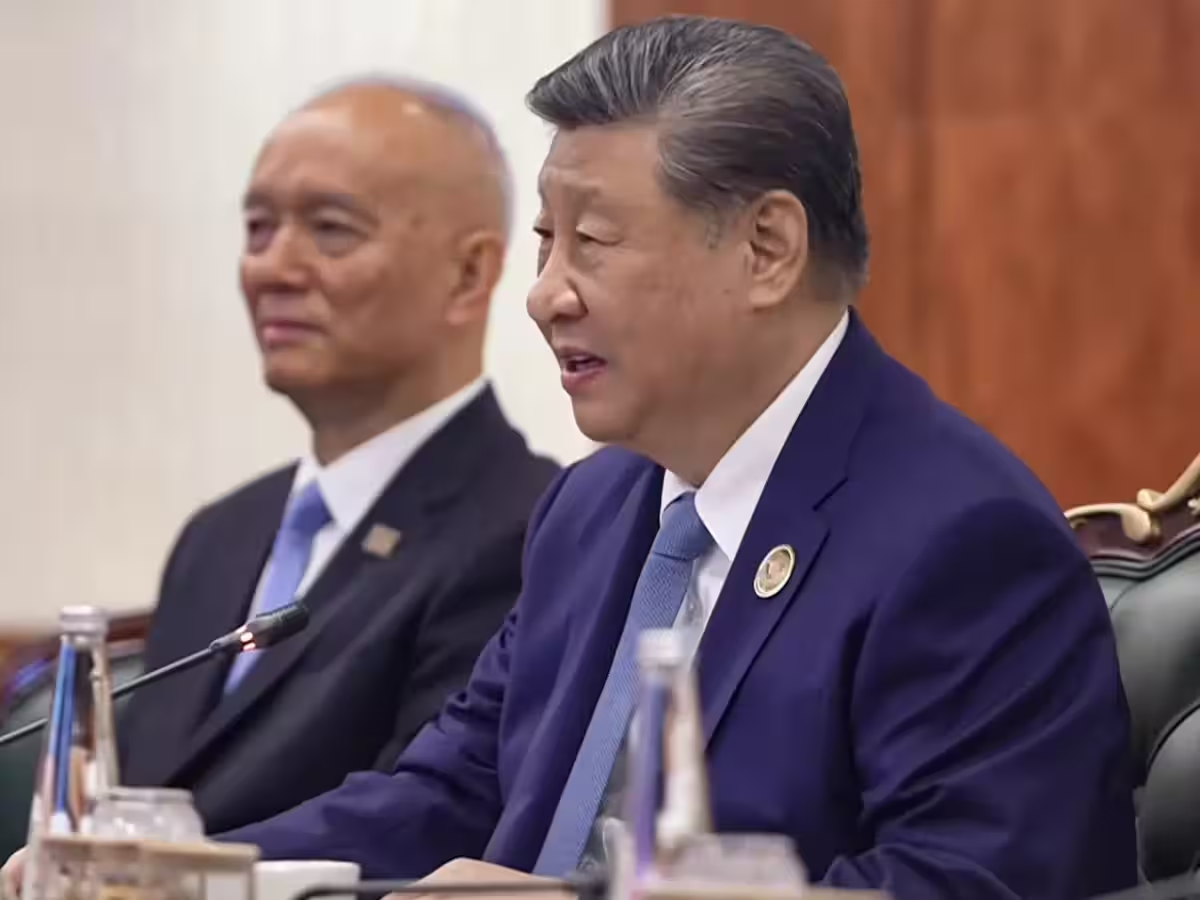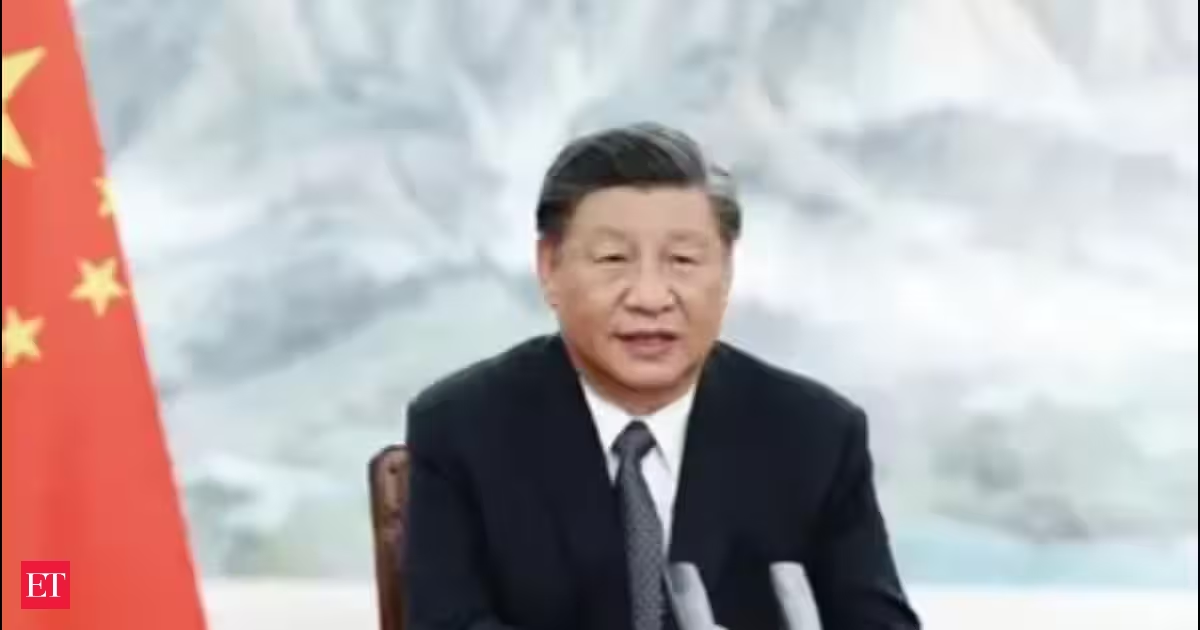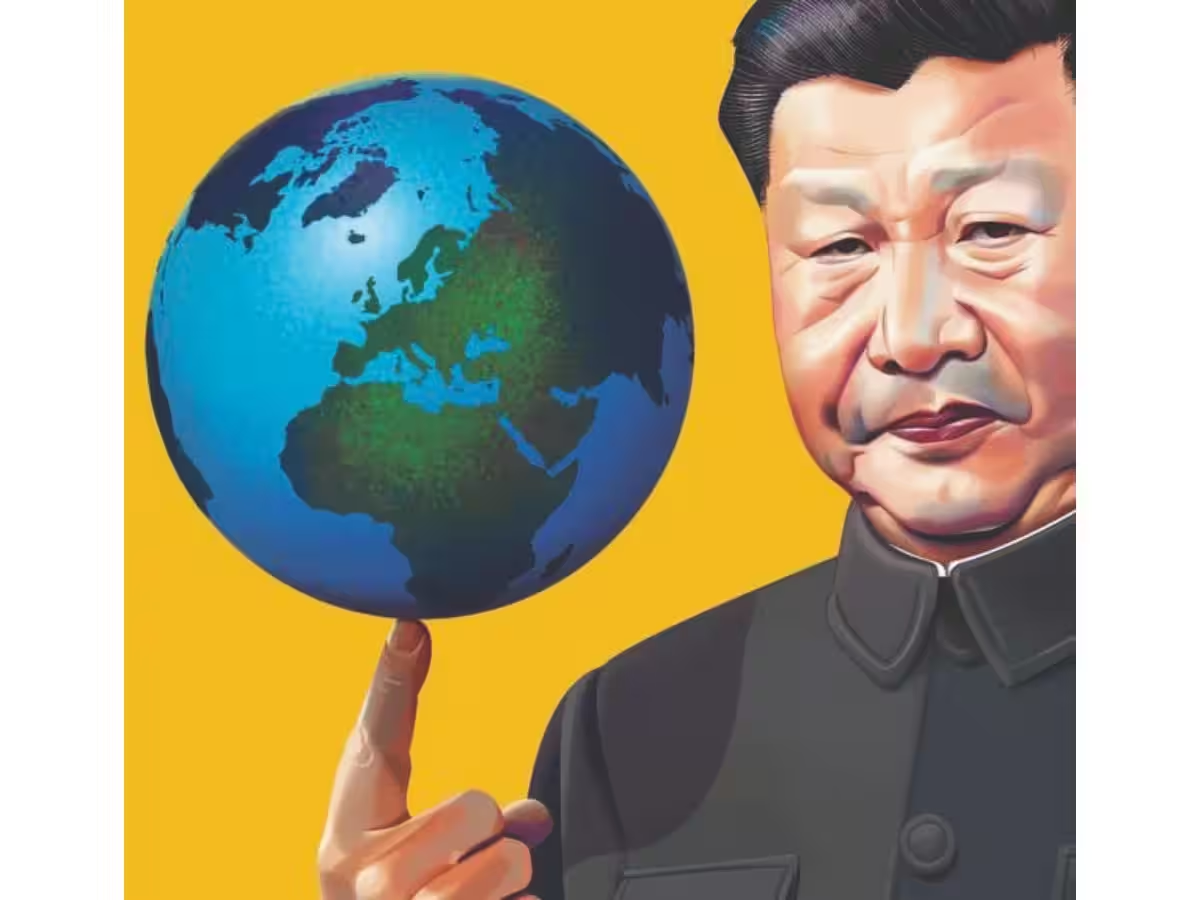
SynopsisXi Jinping's five-point plan offers greater BRICS cooperation and a potential shift in focus. This initiative places technology and industrial integration at its core. Member nations should offer transparent alternatives to China's proposed AI framework. Past chairs have ensured BRICS serves as a forum for emerging economies. Developing economic ties beyond the group will broaden future options.AgenciesXi Jinping’s five-point action plan for greater BRICS cooperation could reshape the grouping, potentially making it more cohesive under China’s influence.The 5-point action plan Xi Jinping unveiled in New Delhi for 'greater BRICS cooperation' presents a fork-in-the-road moment for the grouping. For the first 20 yrs of its existence, BRICS has been a proscenium addressing issues confronting emerging economies and developing countries. Xi's plan has the potential to change the group's nature, transitioning it into a more cohesive group underwritten by China.Beijing's plan places tech, industrial integration and digitisation at the core of China's BRICS chairship in 2027. The 5 elements - AI open-source community, integrated market for streamlined commerce, digital ecosystem cloud platform, standardised advanced industrial or intelligent manufacturing, and science and technical expertise alliance - are intended to create ties that bind BRICS countries with the Chinese 'techno-engineering state' at its core. Greater cohesion will, however, require more established BRICS members to step up. Rather than let Xi's push for a collaborative AI framework become an alibi for China exporting and institutionalising its LLMs across member states, countries like India and Brazil should present more transparent alternatives. This should be useful not just for Delhi and Brasilia but for Beijing and others as well.Also read: AI’s Asilomar or Hiroshima? The world is running out of time to decide whether to slow the AI race before technology outruns human controlAs successive chairs, India, Brazil and South Africa have ensured that BRICS serves as the forum for emerging economies and developed countries to set out their PoVs. They have done it despite a pandemic, simultaneous wars, and notions of a world order with Trumpist characteristics. It is for these countries to work with members and partners, including India and China, to develop economic ties, not just among group members but beyond BRICS, broadening the grouping's economic options.(Disclaimer: The opinions expressed in this column are that of the writer. The facts and opinions expressed here do not reflect the views of www.economictimes.com.) ...moreElevate your knowledge and leadership skills at a cost cheaper than your daily tea.Subscribe Now
Xi's plan, with more BRICS characteristics - The Economic Times
Xi Jinping's five-point plan offers greater BRICS cooperation and a potential shift in focus. This initiative places technology and industrial integration at its core. Member nations should offer transparent alternatives to China's proposed AI framework. Past chairs have ensured BRICS serves as a forum for emerging economies. Developing economic ties beyond the group will broaden future options.
402 words~2 min read