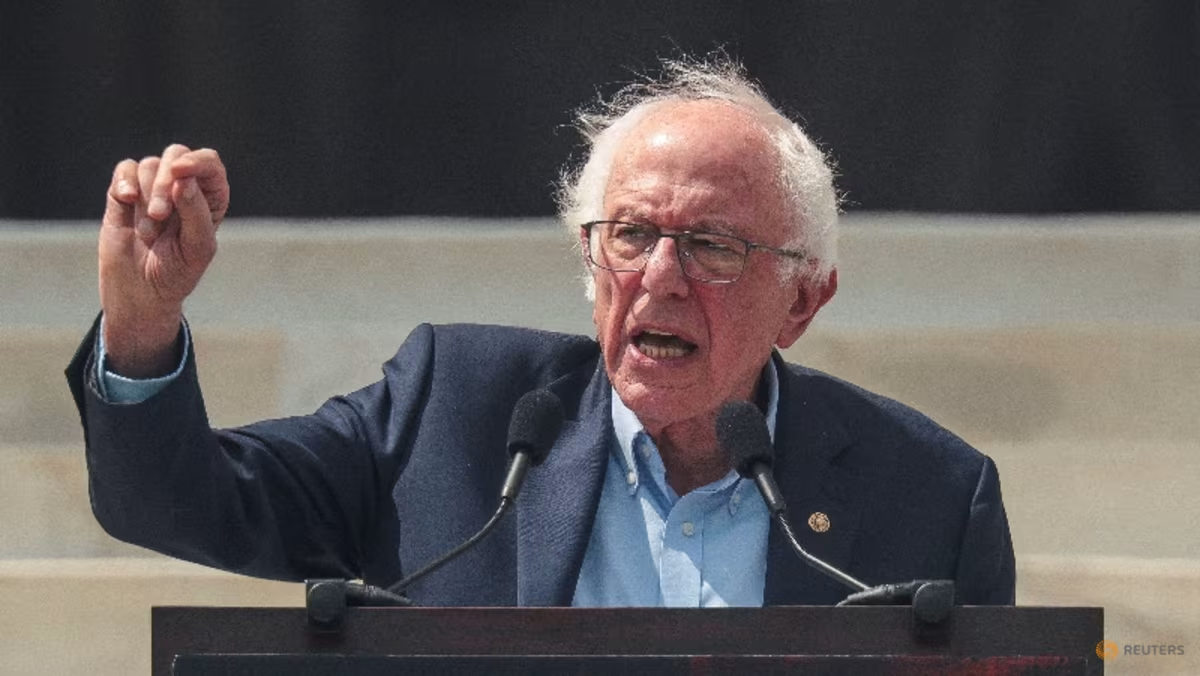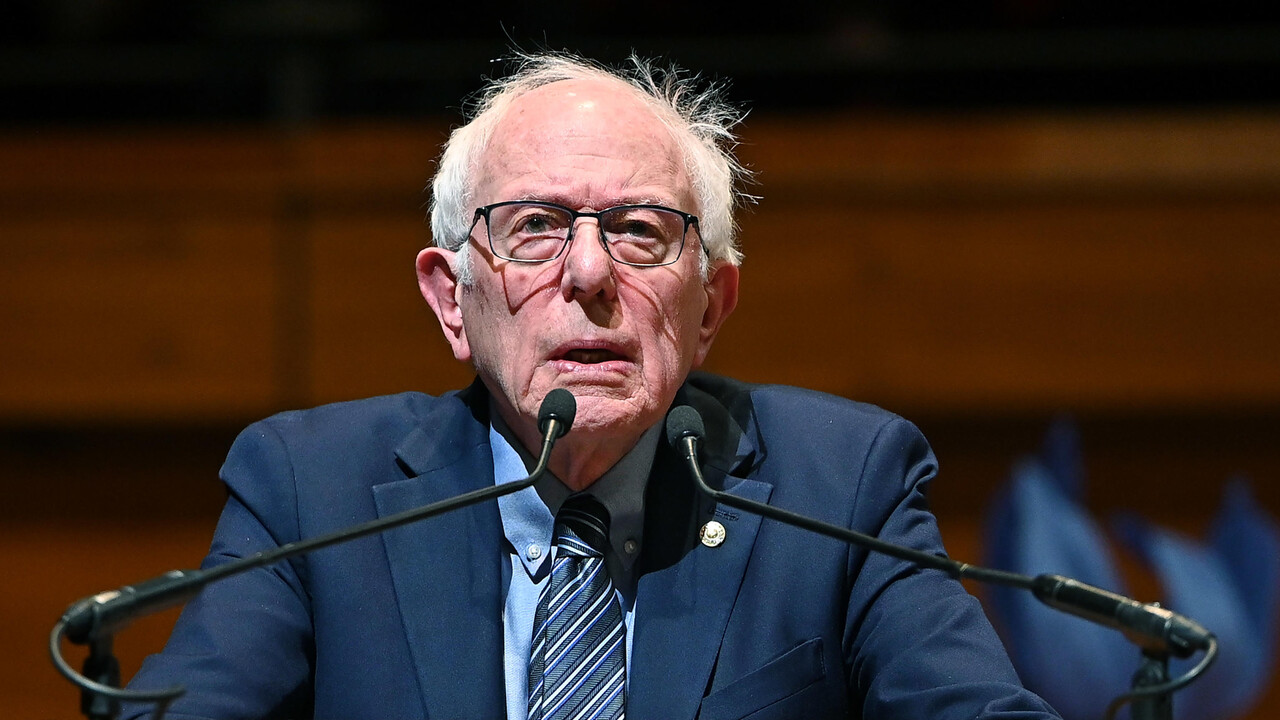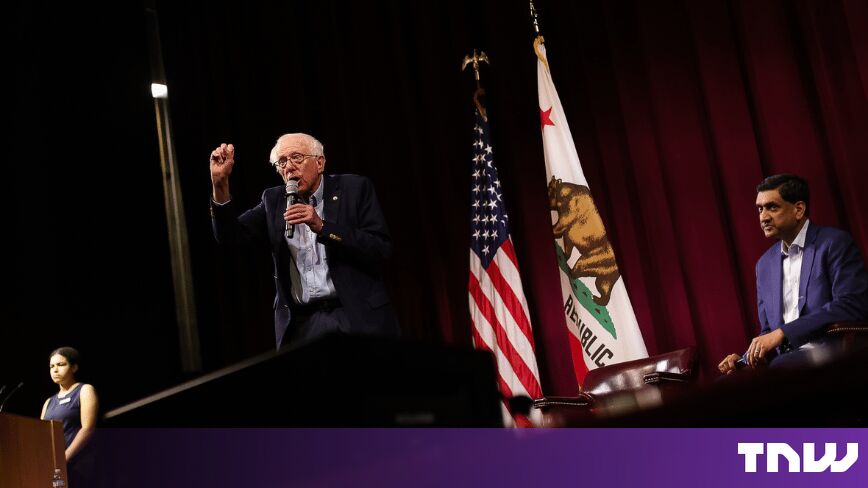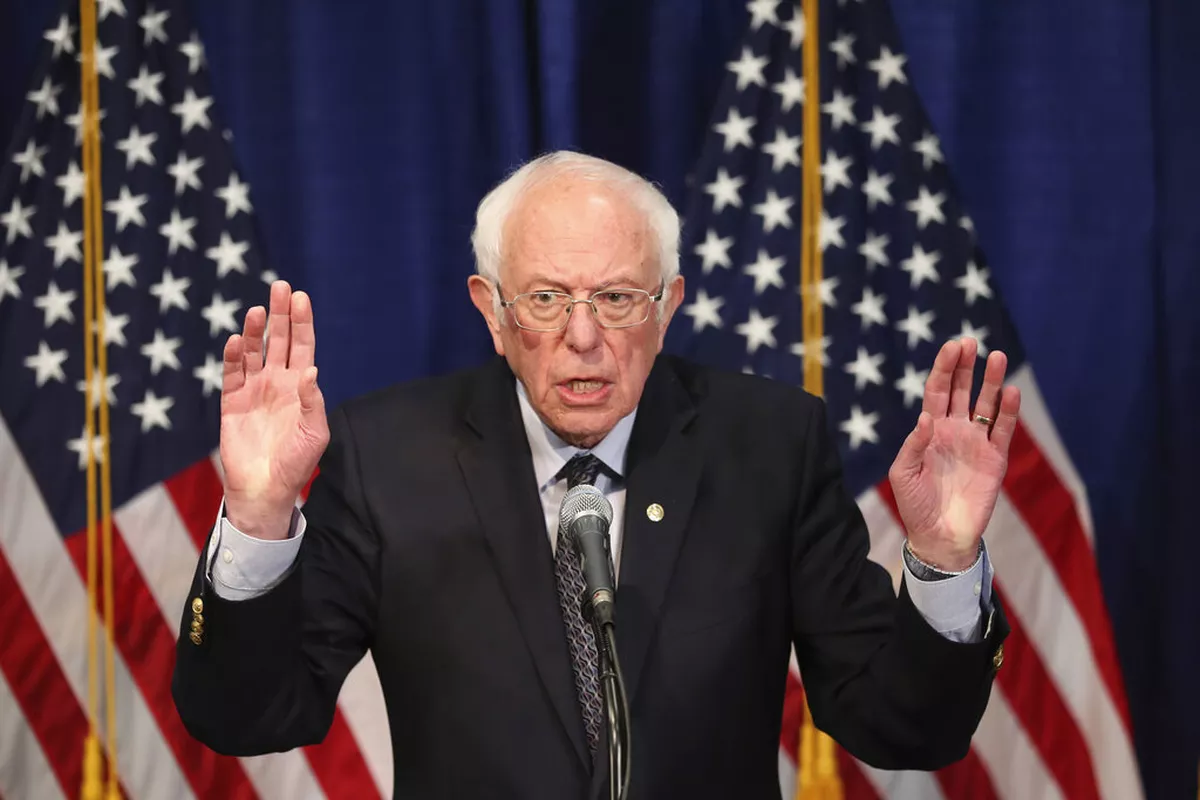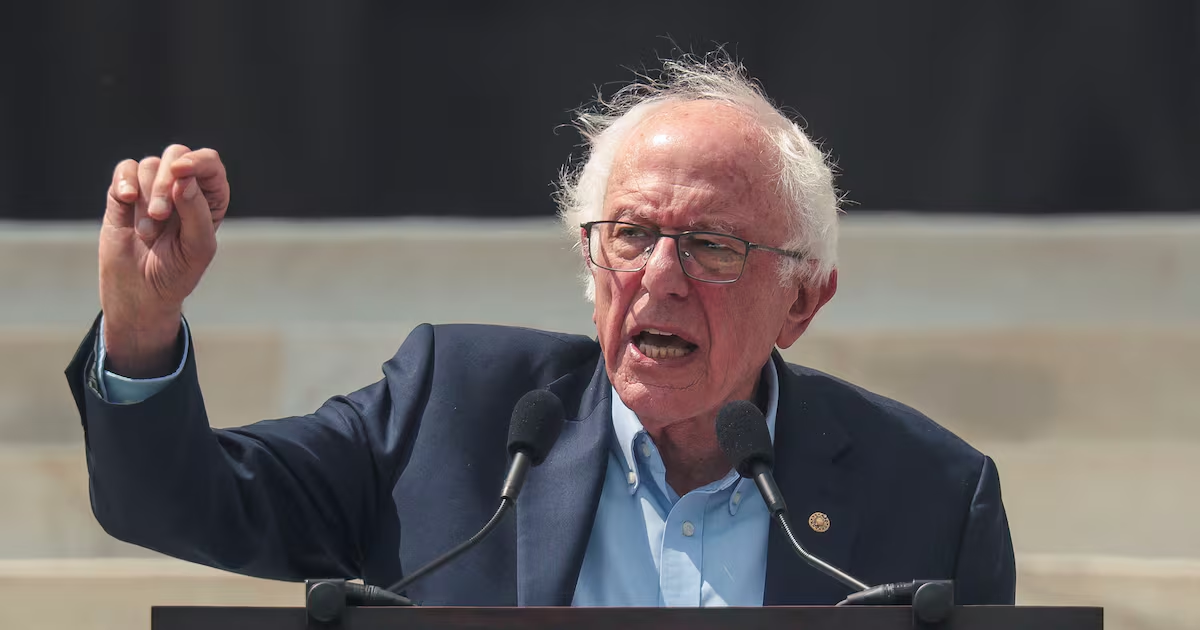
Concerns over artificial intelligence have led to an unlikely event that will include socialist US Senator Bernie Sanders, far-right populist Steve Bannon and the Archbishop of San Francisco.In what organisers are calling the Pro-Human Assembly, those in attendance at Tuesday's event, as well as elected officials, actors and media personalities, will speak about their concerns regarding the potential ramifications of AI, such as labour disruption, environmental effects and national security vulnerabilities. Actors Ashley Judd and Joseph Gordon-Levitt, AFL-CIO president Liz Shuler, American Federation of Teachers president Randi Weingarten and Sag-Aftra director Duncan Crabtree-Ireland will also take part and deliver speeches. Actor Joseph Gordon-Leavitt is to attend the Pro-Human Assembly in Washington. Photo: UNShow caption: Actor Joseph Gordon-Leavitt is to attend the Pro-Human Assem…Mr Sanders, Republican Senator Marsha Blackburn, Democratic Representative Greg Casar, Republican Representative Chip Roy will also participate. "Together, we'll explore a better, pro-human AI path that harnesses the benefits of technology while keeping the future firmly in human hands," said a news release from the Future of Life Institute, a non-profit group that has been critical of the path of AI development by technology companies.The document said "several major announcements" will be made during the event, which is to include panel discussions focused on ways to prioritise humans amid the global AI development race.Mr Sanders has become a leading figure in voicing concerns over the path of AI development, as has Geoffrey Hinton, widely considered to be the godfather of the technology.At an event in November, Mr Sanders asked Mr Hinton whether he thought that some of the staunchest proponents of unregulated AI, such as Elon Musk, Jeff Bezos, Mark Zuckerberg and Larry Ellison, were concerned about the possibility of mass unemployment. "They should be, but I don't think they are," Mr Hinton said.Mr Bannon, conservative media personality and former adviser to US President Donald Trump, has also not been shy about expressing his concerns about AI amid the investment boom in the technology. Late last year, he joined the UK's Prince Harry, Apple co-founder Steve Wozniak and former US president Barack Obama's national security adviser Susan Rice in signing a petition calling for the prohibition of the development of AI superintelligence.The Pro-Human Assembly will take place as AI worries reach fever pitch. Some of those fears stem from recent incidents in which technology companies including OpenAI, Meta and Anthropic have admitted their models have escaped their digital testing areas and attempted to compromise other systems without being told to do so. Tuesday's gathering in Washington also comes after a string of resignations of various high-profile employees at AI companies such as former Anthropic researcher Jacob Coxon, who wrote a letter warning that there was too little oversight, and that many "building AI earnestly believe that it could kill us all by the end of the decade”. Last week, in an effort to promote transparency and show how the company is trying to prevent the misuse of its technology, Anthropic released a report detailing several incidents in which people used the company's AI models “in ways that could support biological weapons development”.The report, Detecting and Countering Misuse of AI, also described an ambitious weapons development effort in northern Yemen, where a group was working on three sophisticated missile projects simultaneously.“The activity took place between December 2025 and August 2026, involved Claude Haiku, Sonnet and Opus models, and was disrupted by Anthropic, which banned the accounts and published the case in the report,” the company said.Though some applauded Anthropic for sharing the analysis, others looked at the report as validating the need for more government oversight. On Saturday, Anthropic’s chief executive Dario Amodei wrote an almost 4,000-word essay that sought to address rising concerns about AI. “Since roughly this summer, AI has been advancing drastically faster, driven primarily by AI’s growing ability to build the next generation of AI,” he wrote in part. The Anthropic chief executive said that as a result, “we must slow the pace at which we improve the capabilities of AI models”.What really made Mr Amodei’s essay generate headlines was the fact that OpenAI boss Sam Altman and X chief Elon Musk later endorsed much of his calls for a slow down. Just hours after Mr Amodei posted the essay, however, Mr Sanders essentially said he would not be slowing his push for more accountability and regulation. “That’s a start, but it’s not enough,” he said, referring to Mr Amodei, Mr Altman and Mr Musk all appearing to be on the same page on Saturday. “When you are racing towards a cliff, you don’t just ease up on the gas pedal … You hit the brakes,” Mr Sanders added. Meanwhile, opposition to data centre construction, induced by the AI boom, has continued to spread throughout the US and in other countries.
Bernie Sanders and former Trump adviser to join AI event in Washington as tech concerns rise | The National
Democrats, Republicans and labour leaders to participate in Pro-Human Assembly
TL;DRAI
Anthropic discloses Claude models enabled biological weapons development in Yemen; bipartisan Washington assembly with Sanders, Bannon, unions debates AI governance. Tech leaders endorse slowdown; regulatory scrutiny will reshape infrastructure investment and governance frameworks.
796 words~4 min read