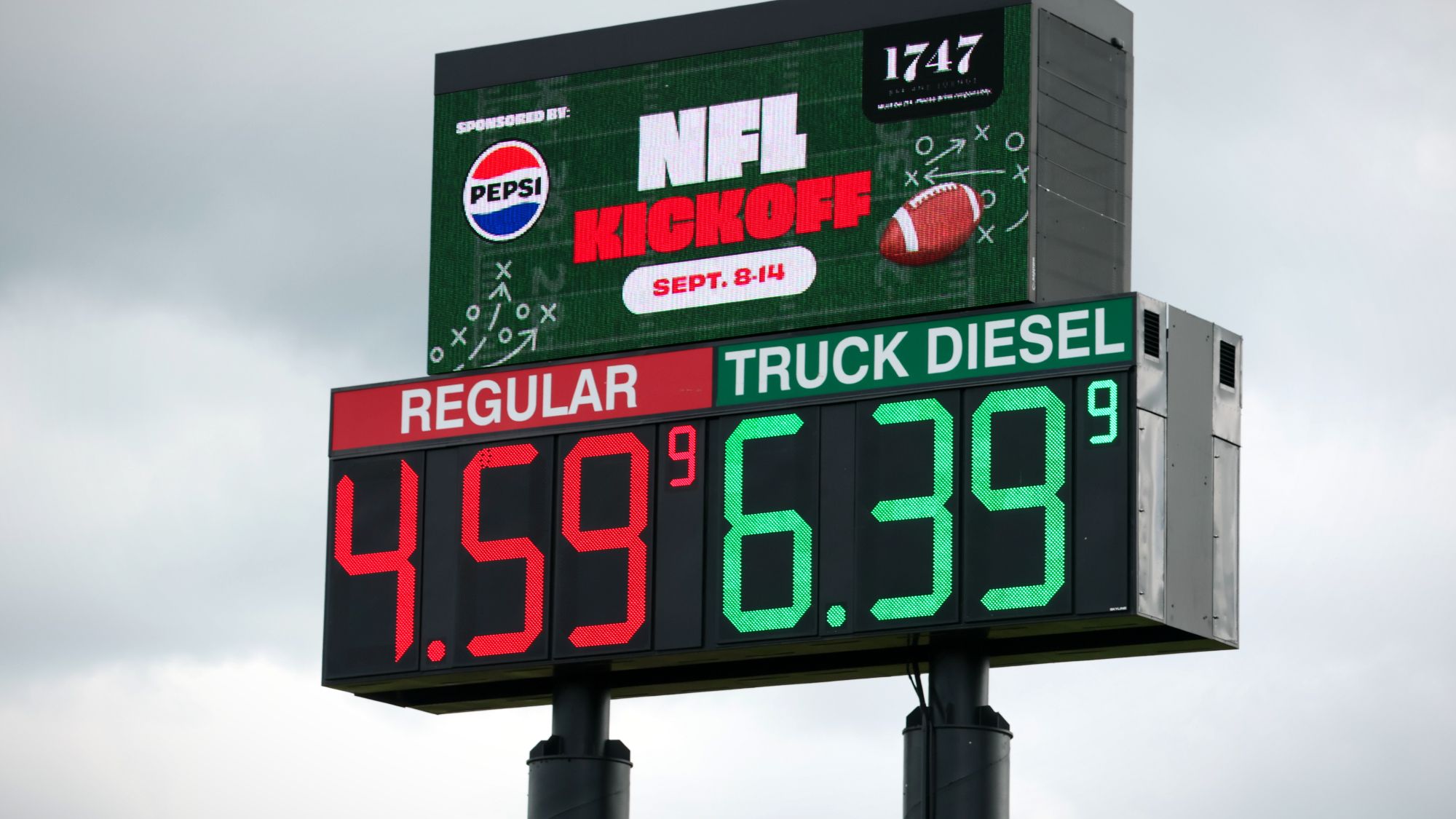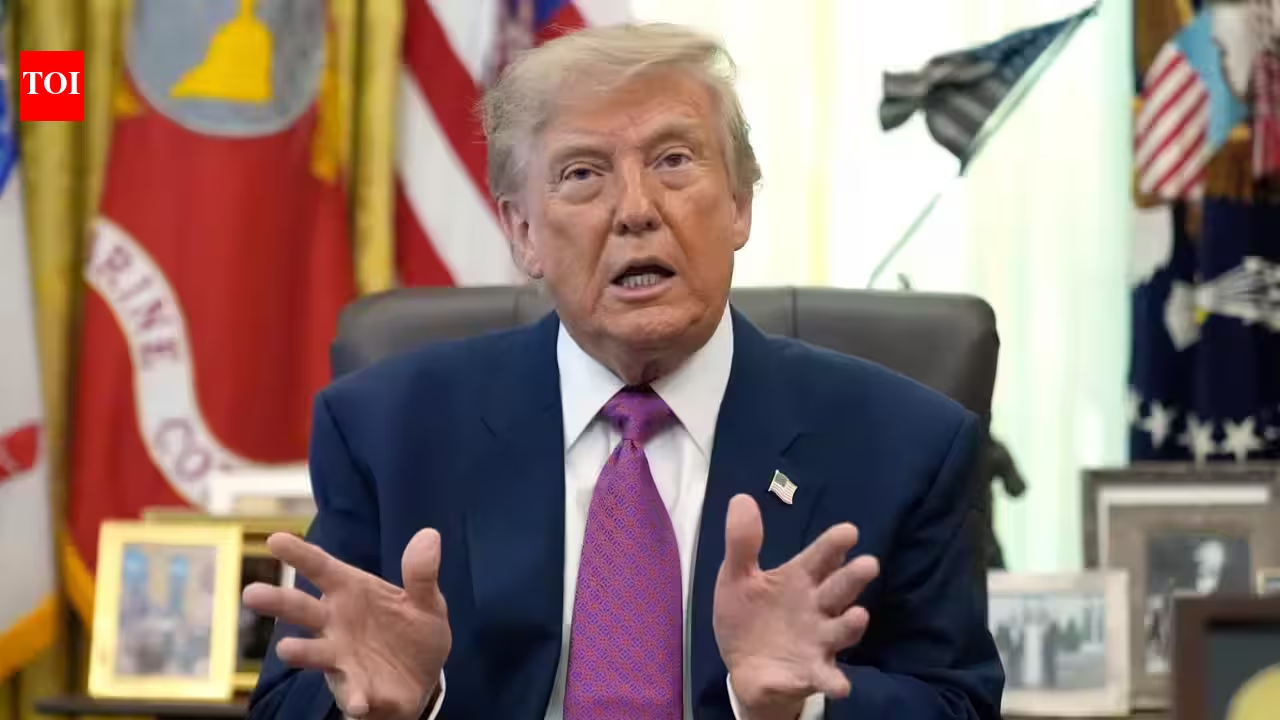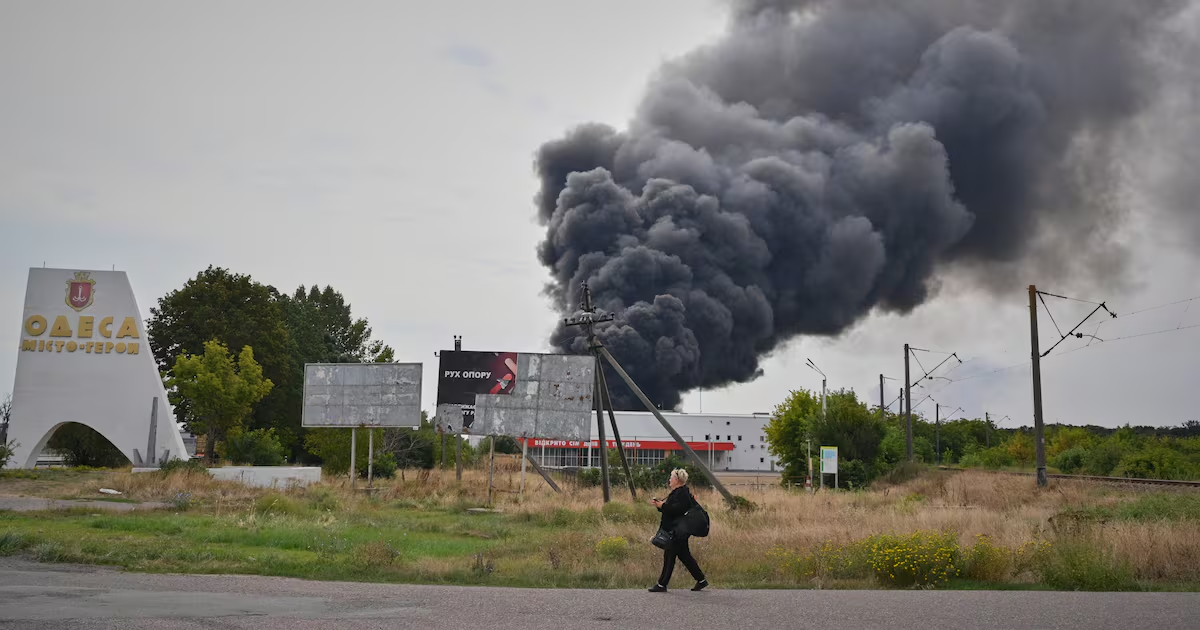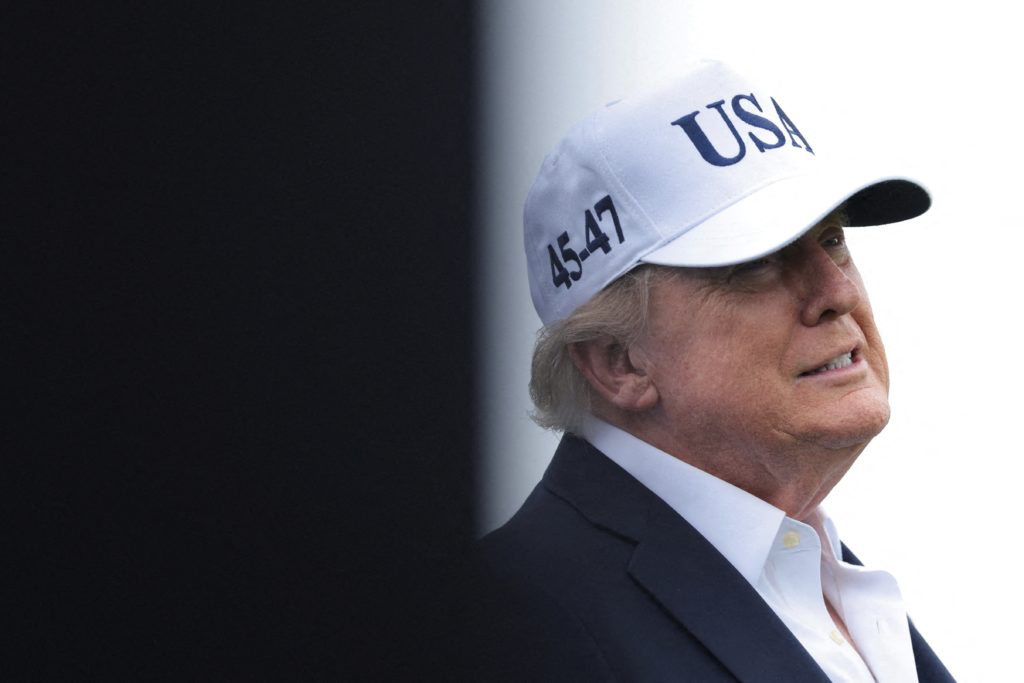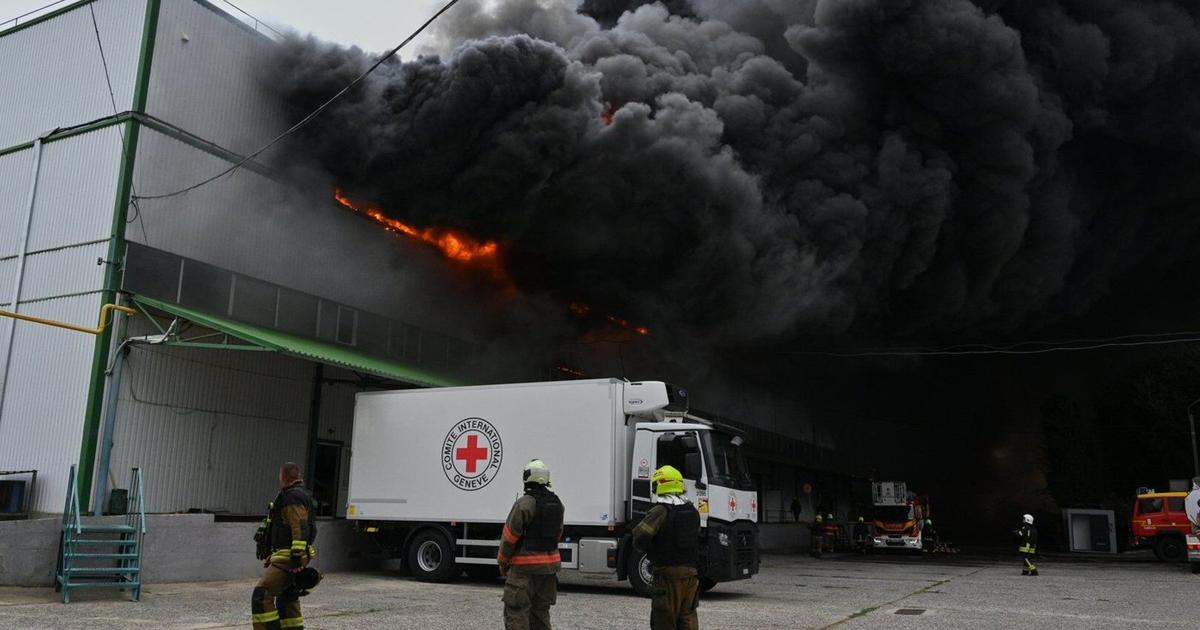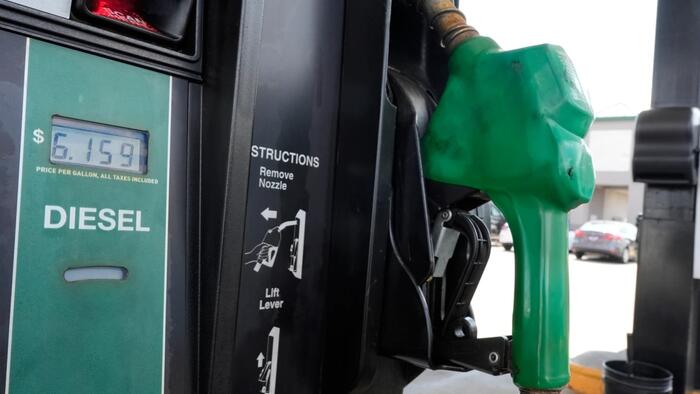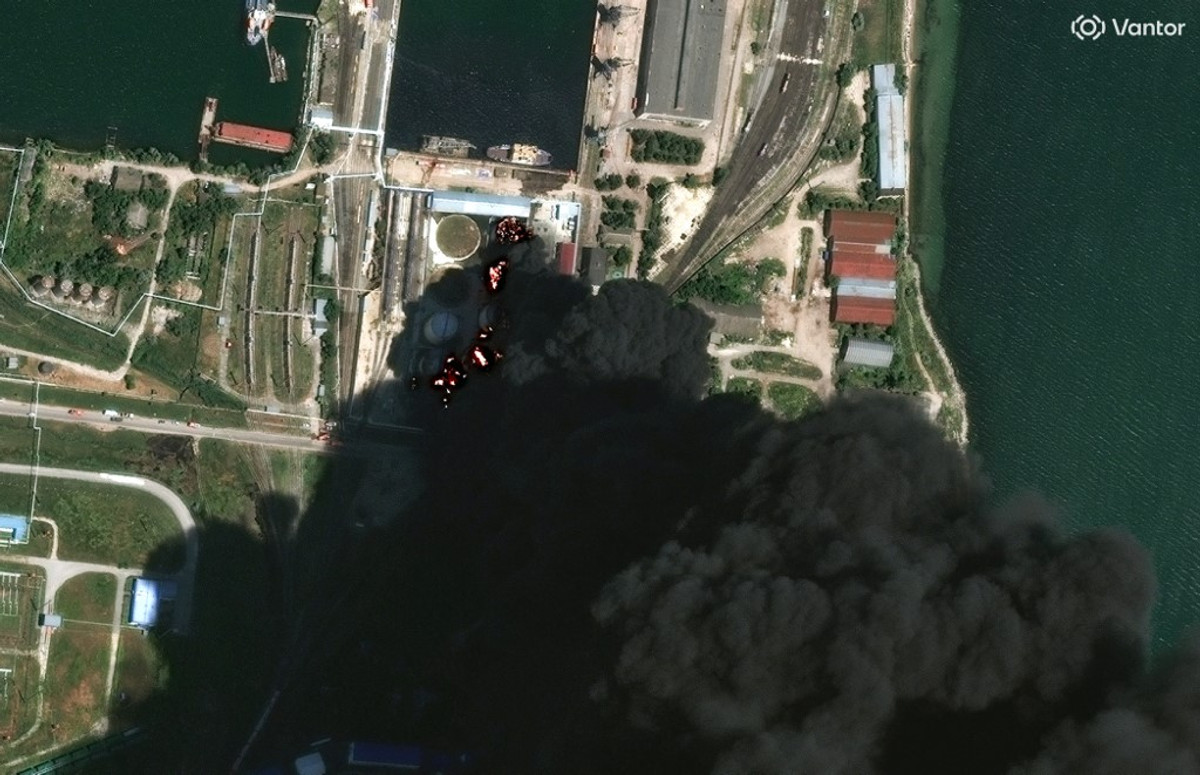
Notable to hear President Trump announce that he had been in contact with President Zelensky of Ukraine to call on him to stop attacks on Russian energy infrastructure. Trump suggested that these Ukrainian attacks had been behind the ramp up in diesel prices in recent weeks. This appeared to repeat a narrative from Treasury Secretary Bessent that it was Ukrainian attacks on Russia, and not the war effort on Iran, which had driven US diesel prices to record prices - over $6 a gallon. Obviously, it’s politically useful for Trump to blame the war in Ukraine for the elevation in global energy prices since the war in Iran given the proximity of midterms.JOIN US ON TELEGRAMFollow our coverage of the war on the @Kyivpost_official. It’s true that Ukraine has been increasingly successful in hitting Russian energy infrastructure. Ukrainian deep strike drone attacks have hit 30-40% of Russian refineries. It is hard to determine how much capacity has been taken out of action, but it’s been so significant that Russia, which was a significant diesel and refined product exporter, has banned exports. There have, meanwhile, been significant shortages at the pumps across Russia. Ukraine was forced to develop its own – and therein put much effort into the development of deep strike drone capability to replace the US systems. These systems are now proving so effective against Russian energy infrastructure. Trump might be eager to deflect blame for the global spike in energy, and particularly from the war in Iran, but he cannot escape from some of the blame even for Ukrainian strikes on Russian energy infrastructure. Important here to note that under the Biden presidency when US was providing significant military support to Ukraine – particularly long-range HIMARS and ATACMSs systems – it had leverage over Ukraine. It could threaten to pull those systems unless Ukraine held to certain red lines – particularly limiting attacks on Russian assets with global market impact. Ukraine generally complied.
Ukraine Has Leverage Over Trump Now
Trump is trying to shift blame for rising global energy prices onto Ukraine, deflecting responsibility from himself while venting frustration over Kyiv’s increasingly assertive and autonomous course.
696 words~3 min read