France and the European Union have condemned a Russian strike on a passenger train on the Polish border that has raised concerns about the risks of the war spreading closer to EU and NATO territory.
Issued on: 14/09/2026 - 14:45
2 min Reading time
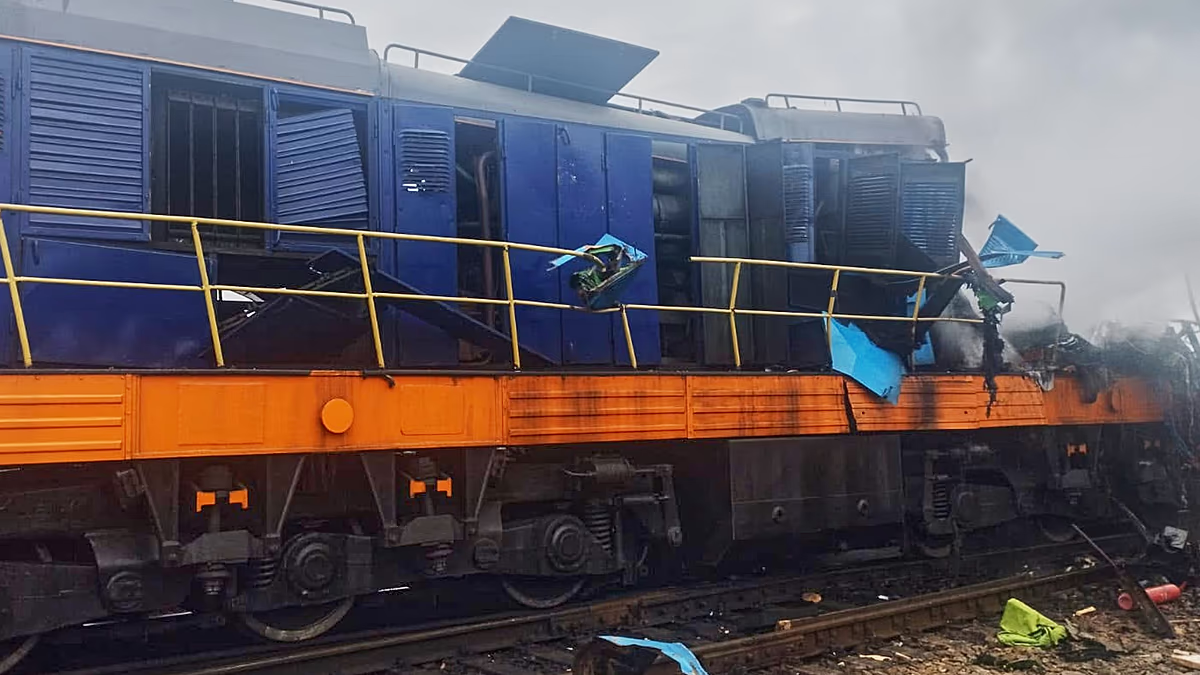
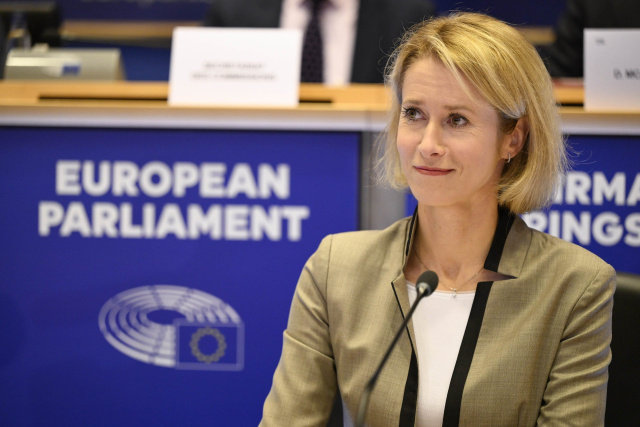
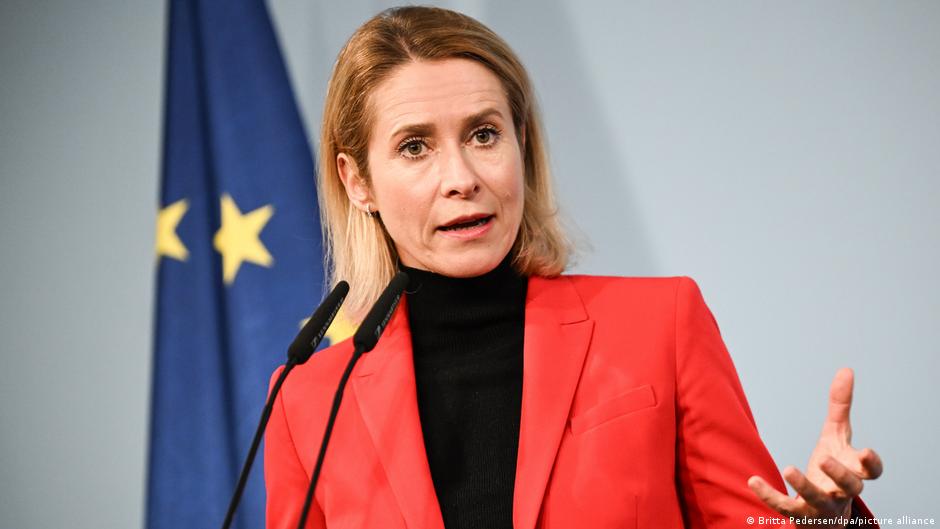
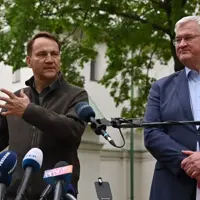
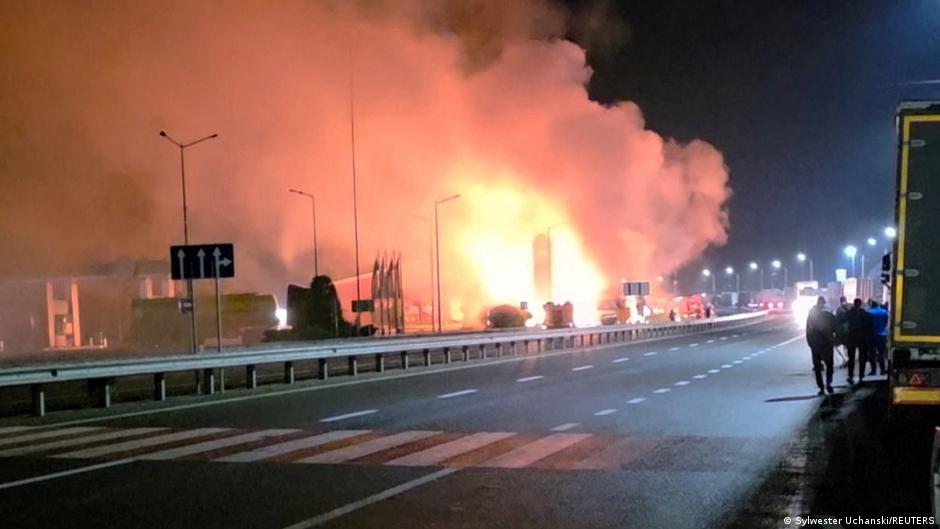
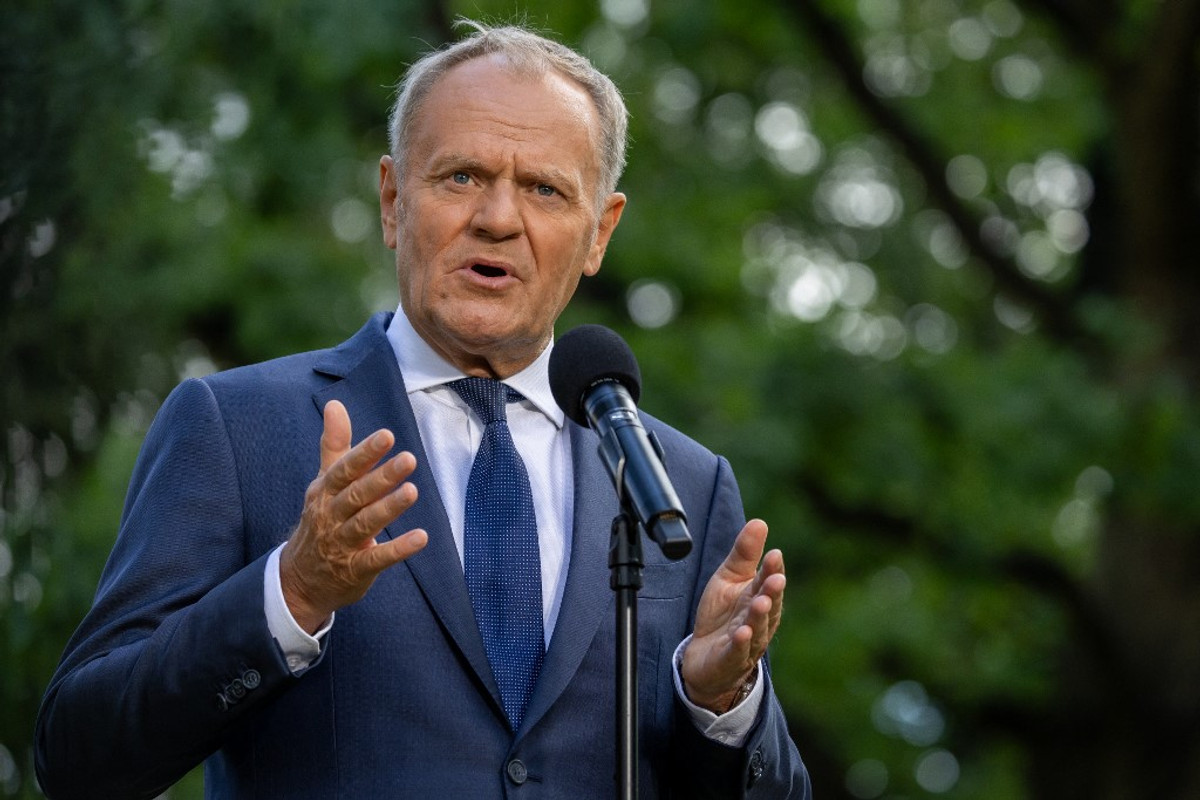
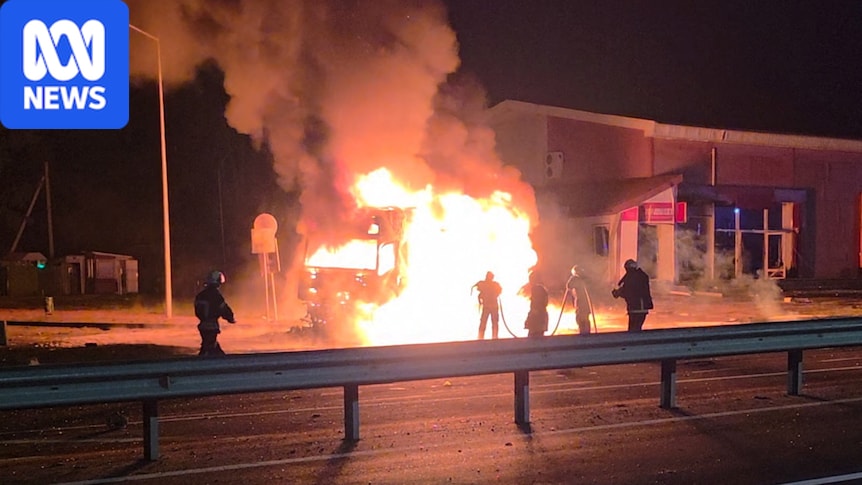
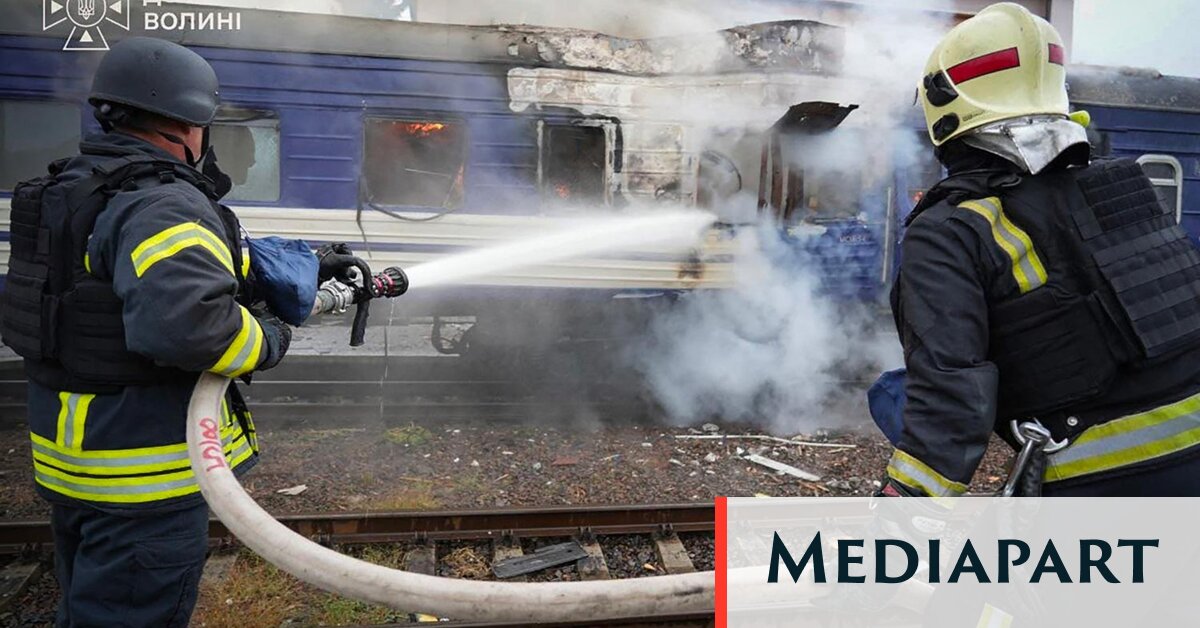
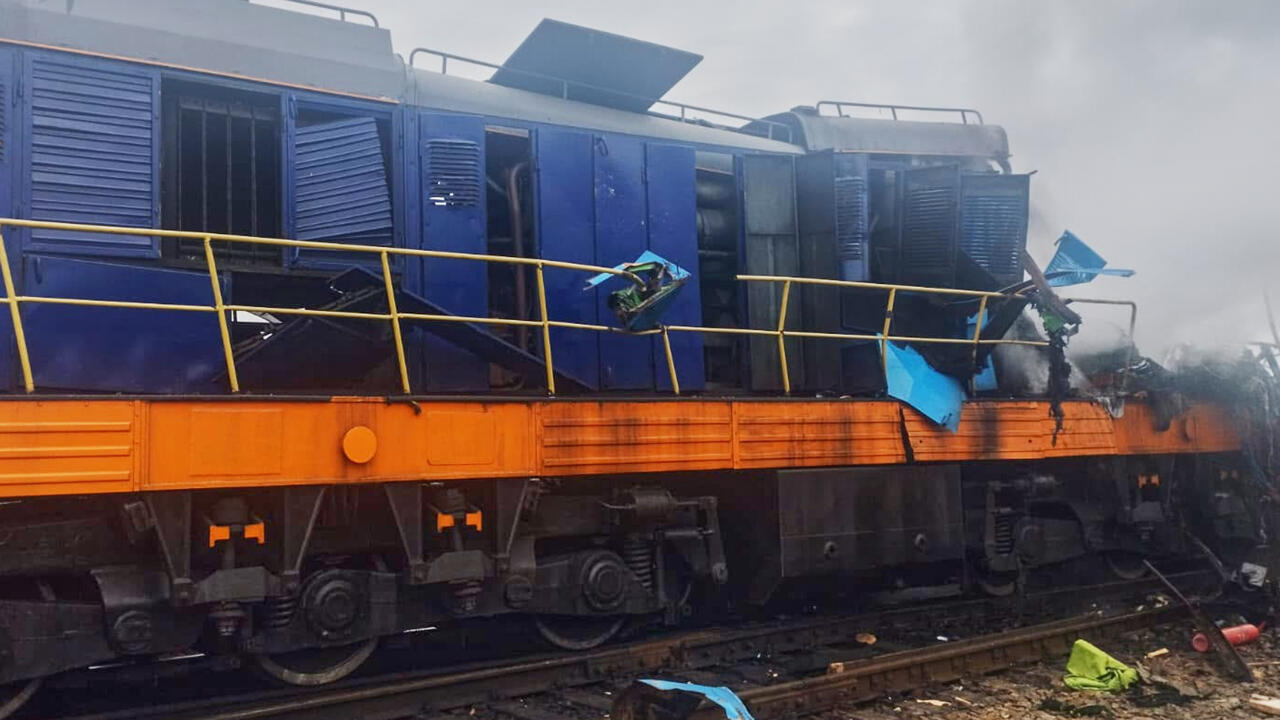
Russian strikes in Ukraine over the weekend, including one that hit a passenger train going to Poland, have "a clear goal: "to intimidate Europeans, discourage them and also to divide them", French Foreign Minister Jean-Noël Barrot said Monday. The attacks came as Ukraine was hosting a major economic support forum, attended by business leaders and diplomatic representatives from abroad. EU foreign policy chief Kaja Kallas also said the strikes were meant to "frighten" Western countries away from supporting Ukraine, and she called on allies to do "the opposite". A Russian drone hit the engine of the PKP Intercity passenger train travelling Sunday to Warsaw, just two kilometres from the Polish border. None of the 206 people on board were reported injured. Ukrainian President Volodymyr Zelensky called it a "deliberate" attack. NATO chief Mark Rutte said on Monday that it was a desperate act on behalf of Russia. "The strike on a passenger train in Ukraine yesterday shows how desperate (Russian President Vladimir) Putin has become. He thinks that he can stop us from supporting Ukraine and that he can undermine our unity. He is wrong. Our answer is to increase support," Rutte told journalists. France gathers Ukraine's allies to boost resistance to Russia The line is used regularly by foreign officials going to and from Kyiv. Ukraine's rail operator said former British Prime Minister Boris Johnson and former US CIA director David Petraeus had been travelling back from a conference in Kyiv on separate trains on the same line around the time when the locomotive was hit. Russia said it had targeted railway infrastructure used to transport military cargo from European countries. Strikes over the weekend also killed at least two people in Kramatorsk, and 20 people, including two children, were wounded in a second day of attacks on the southern port city of Odesa. Poland's Prime Minister Donald Tusk chaired an emergency meeting in Warsaw following the strikes, and warned he expected Russia to escalate the war "in the coming weeks". Poland's foreign minister Radoslaw Sikorski said the "escalation" should lead to allies to "double" their support for Ukraine. Kyiv has meanwhile increased long-range strikes on Russian territory, notably targeting refineries and logistics depots. The escalation has led to the highest civilian death toll since the early days of the war. France and the European Union have stressed that Russia must not be allowed to intimidate European governments or weaken their support for Kyiv. Diplomatic efforts to revive negotiations between Russia and Ukraine remain uncertain. The Kremlin said further talks could take place in October. (with newswires)