SummaryHouthis attacked a Saudi air base with missiles and drones, claiming major damage.Houthis seized more Red Sea territory, including Perim Island near the Bab al-Mandab Strait.Shipping risks are rising, with vessels avoiding the Red Sea and taking longer routes around Africa.Iran-Gulf diplomacy was postponed, delaying efforts to address the Strait of Hormuz crisis in what was to be a rare GCC-Iran meeting.Saudi oil exports face ongoing disruption after a pipeline shutdown, pushing oil prices above $100/barrel.Trump invokes war powers in Yemen by September 30?
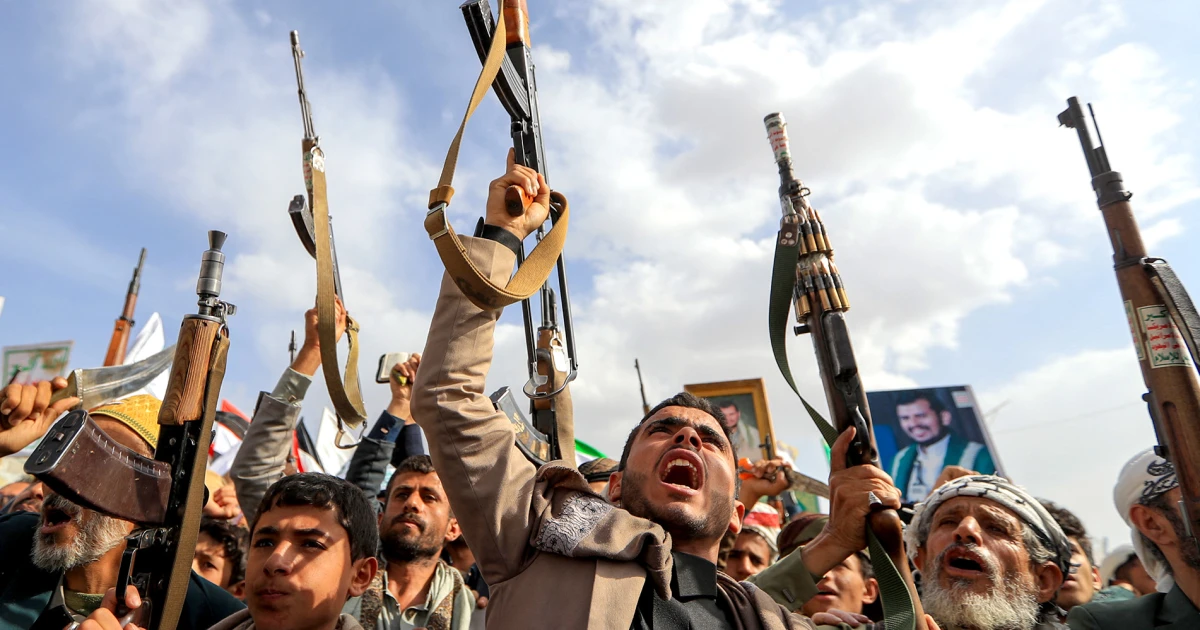
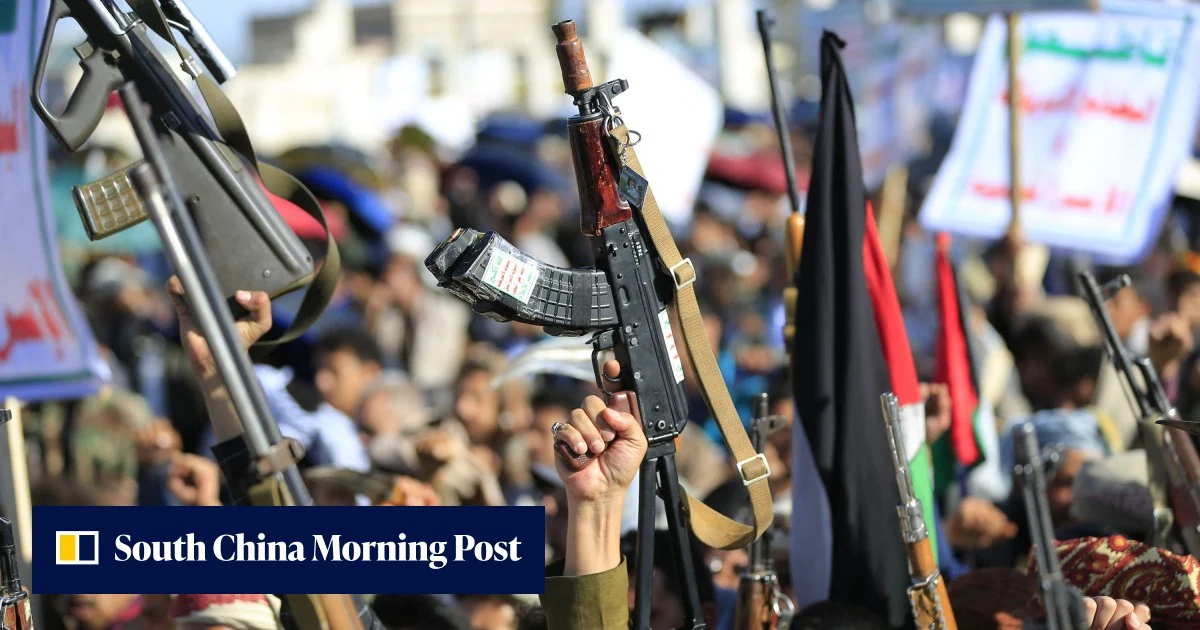
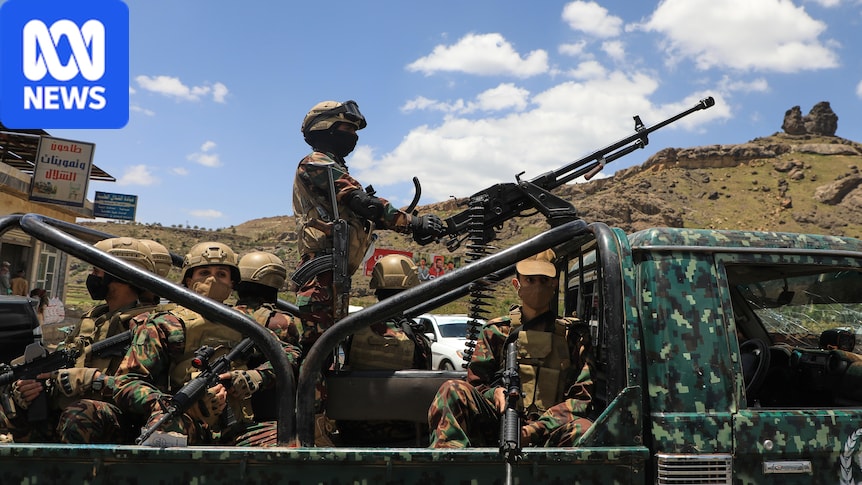
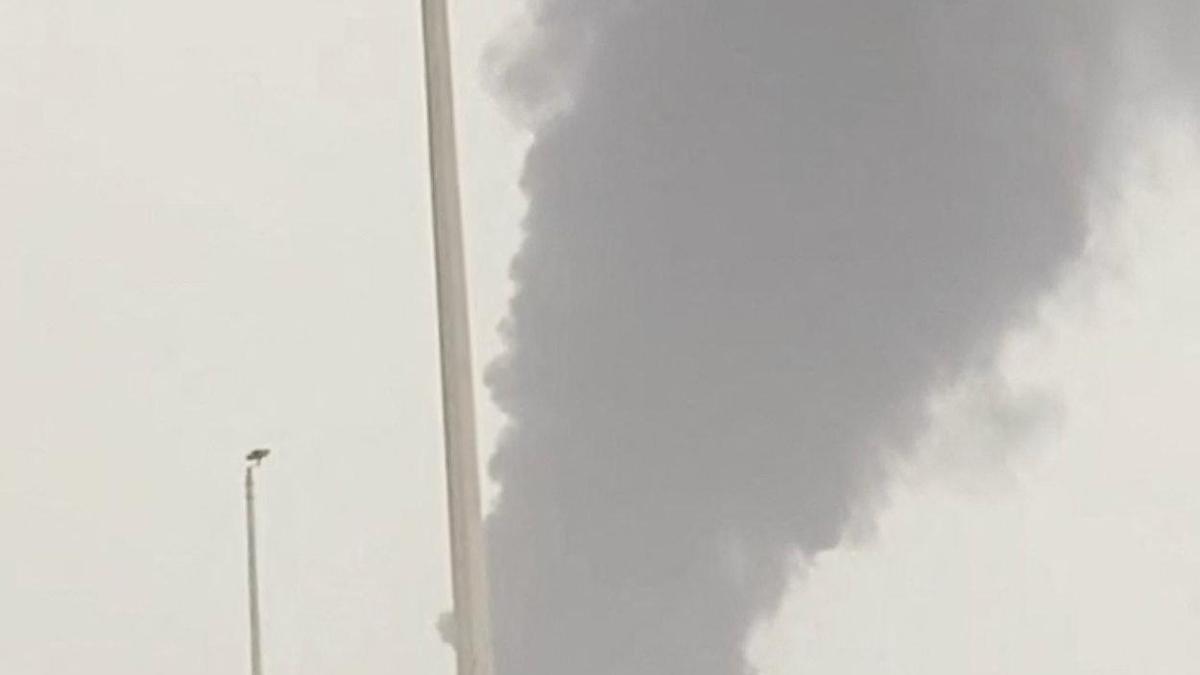
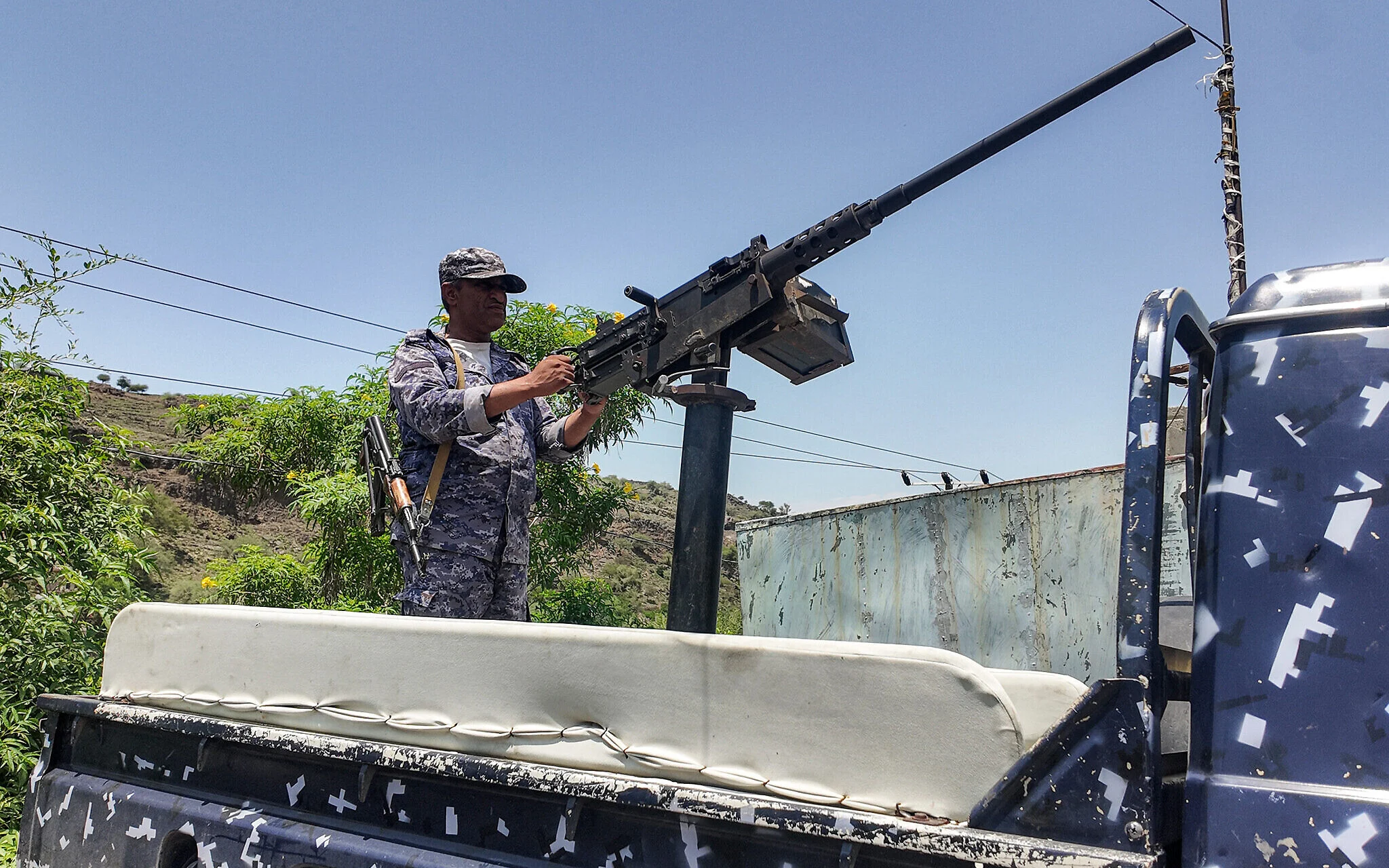
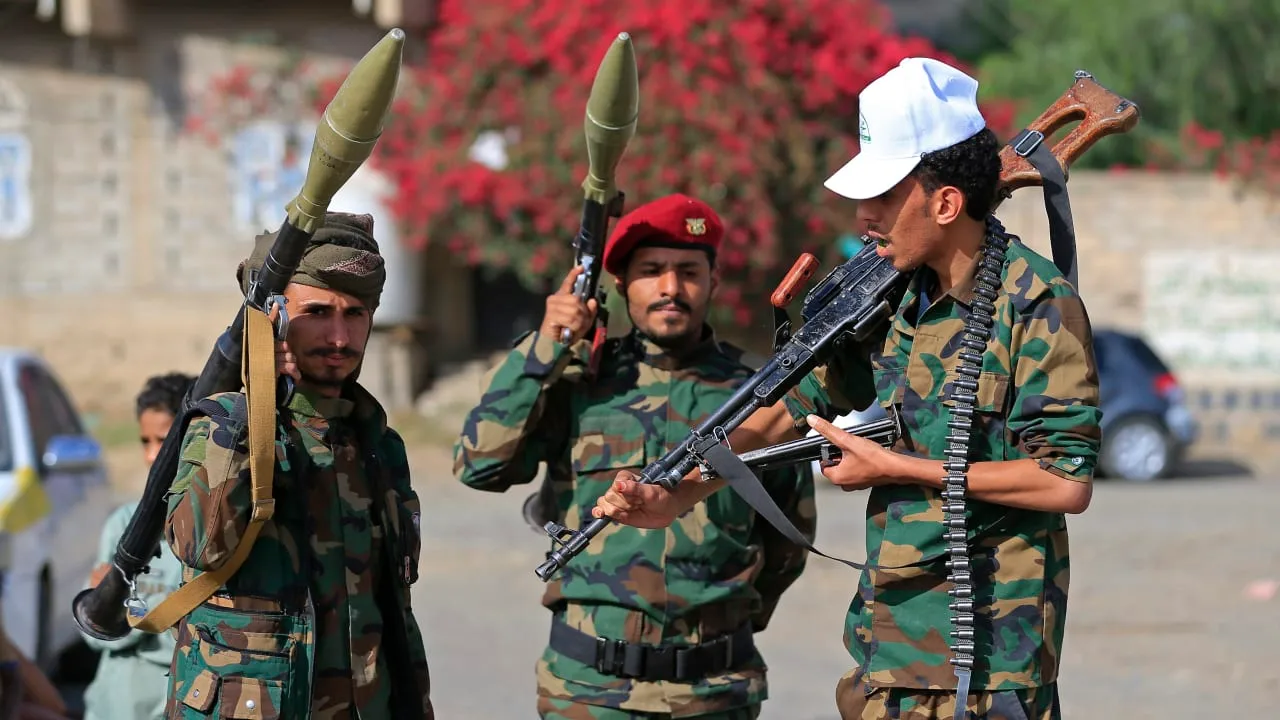
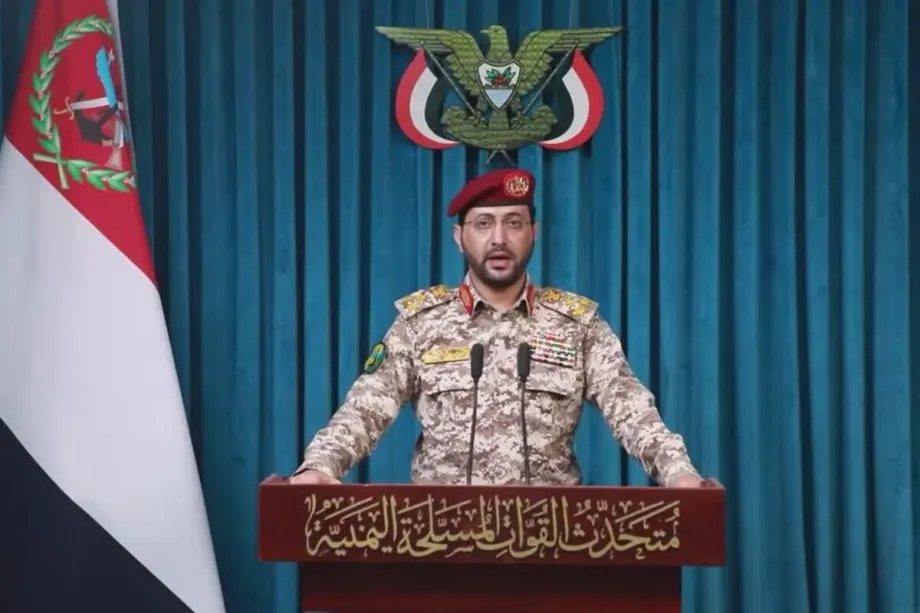
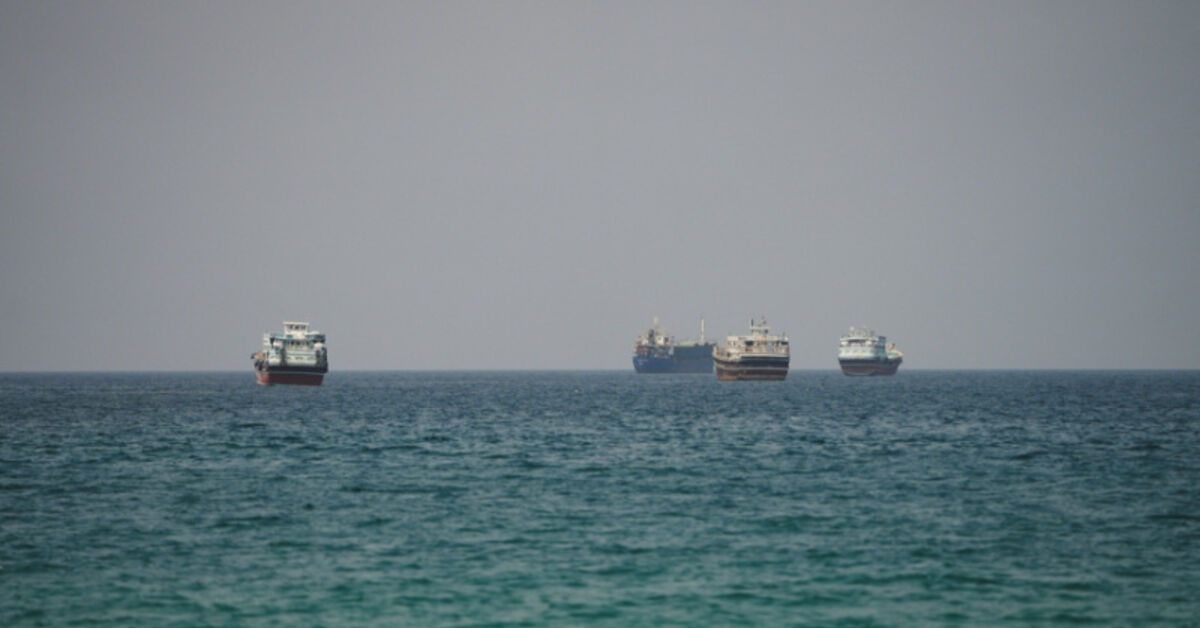
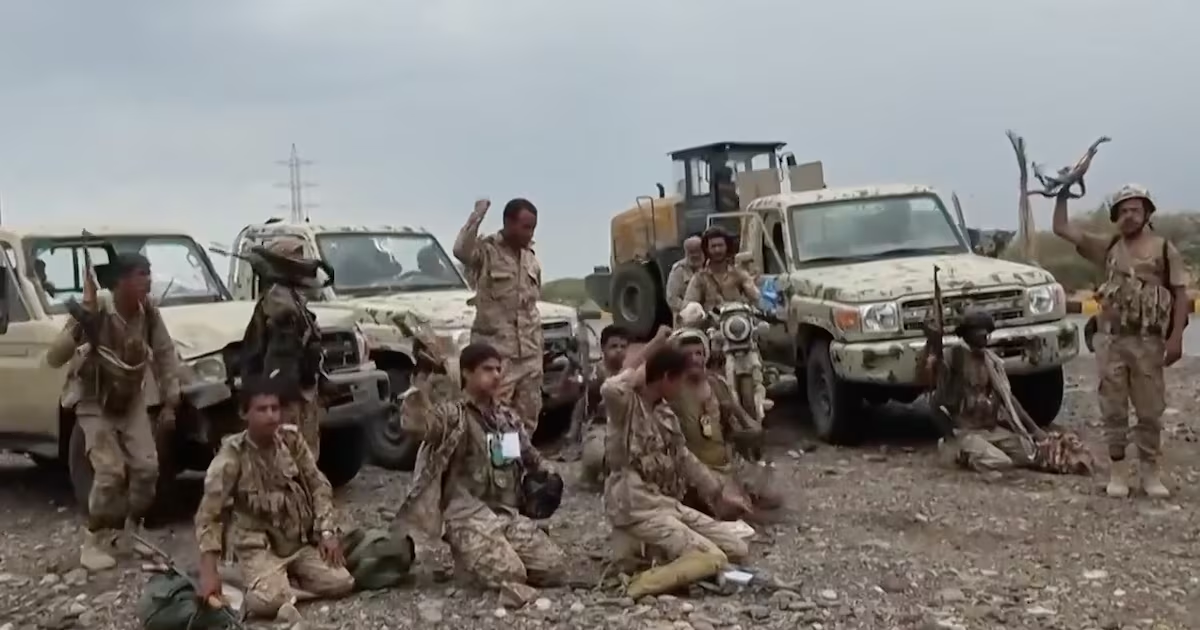
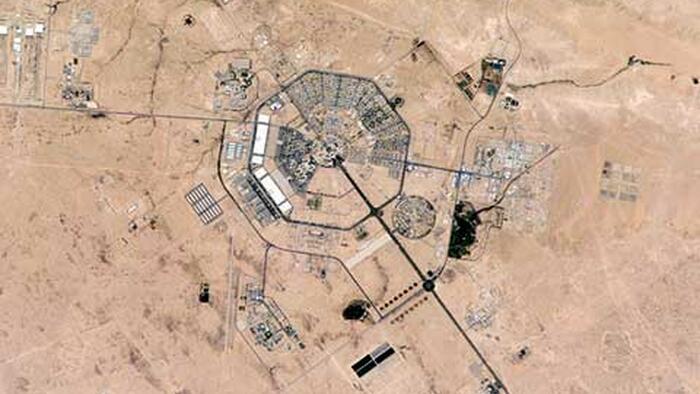
Yes 5% · No 95%View full market & trade on Polymarket * * *Yemen's Houthis Attack Saudi Base, And Take Fire After Major ConquestYemen's Ansar Allah -- also known as the Houthis -- claimed it fired drones and missiles at King Khalid Air Base in southern Saudi Arabia. Dozens of ballistic missiles and drones targeted military infrastructure in the rare and major cross-border attack.The Houthis say the base suffered direct hits and extensive damage in a "large-scale military operation", though this could not be immediately verified, after the operation which their military spokesman described as retaliation more than 300 Saudi airstrikes across Yemen over most of the past week. Early reports from open source analysts suggest serious damage sustained at the base.The sprawling base in Khamis Mushait has historically been used at times by US and UK advanced fighter jets, and has hangars that are well-fortified, though it's unknown the degree to which Western assets continue to be stationed there. For example, it was heavily utilized by the Pentagon during the first Gulf War, from where stealth fighters were launched to attack high priority targets in Iraq.A Houthi spokesman has declared that the ongoing mission's targeting includes "weapons depots and command and control centers that are managing the aggression against our nation and people."On Sunday, the internationally recognized Yemeni government -- which controls neither the capital nor territory encompassing a majority of the population -- said its air force launched three strikes on Houthi positions in the Taiz region. There were also reports of artillery fire on a Houthi stronghold in Saada province, on the northern border with Saudi Arabia.Via Institute for the Study of WarIn a blitz that caught the world by surprise, the Houthis late last week achieved an enormous strategic victory by conquering the remainder of Yemen's western coastline it didn't already control -- positioning it to easily enforce its declared blockade against Saudi-related shipping entering or leaving the Red Sea via the Bab al-Mandab Strait. Houthi soldiers also took over Perim Island, which sits in the strait. As Associated Press noted, the seizure of the new territory puts the Houthis in much closer proximity to US forces: The Houthis’ advance puts them just 20 miles (32 kilometers) from the U.S. military base in Djibouti, on the other side of the Bab el-Mandeb Strait. It’s the main U.S. base in Africa and one of several foreign military bases in Djibouti, including those of China, France and Japan.The Houthi blockade is positioned as retaliation for the Saudi coalition's siege and blockade of Houthi-controlled areas of Yemen. Though the Houthi blockade only targets Saudi shipping, global cargo lines are highly wary of transiting the waterway that's narrower than the Strait of Hormuz. Many are rerouting traffic all the way around Africa's Cape of Good Hope, which requires at least 20 extra days and a lot more money. “Freedom of navigation and international trade in the Red Sea and Bab al-Mandeb are safe and orderly,” a Houthi official told Al Jazeera. While it's too little, too late for Riyah's hopes of some kind of big Washington intervention in Yemen, Saudi Arabia's Crown Prince Mohammed bin Salman on Monday met US Central Command chief Admiral Brad Cooper in Jeddah, the Saudi Press Agency (SPA) has confirmed. Likely they reviewed the coalition's narrowing options going forward, but President Trump has thus far expressed reluctance to get directly involved militarily, at a moment he's still trying to figure out what's next with Iran.Iran Diplomacy PostponedCold water has been thrown on flickering hopes for finding an exit from the latest and most dangerous chapter in America's "endless wars," as a highly-anticipated Monday summit of Iran and other Persian Gulf states was postponed. That bad news follows an eventful several days that saw Yemen's Iran-allied Ansar Allah take control of a large swath of strategic coastside territory. Saudi Arabia's critical east-west pipeline, shut down after a drone attack that originated in Iraq, may be the center of a major hit to global oil supply. The Monday meeting was set to take place in the Omani coastal city of Salalah, with attendees including foreign ministers of Iran, Oman, Iraq, Saudi Arabia, UAE, Kuwait and Qatar. Taking a US-friendly line, Bahrain had declined to attend, saying stability "cannot be preserved through a policy of appeasement” and demanding the strait be re-opened without "discrimination, fees or permits." The tiny state that is was home to the US Navy's Fifth Fleet also cited its ongoing suspension of diplomatic relations with Iran. The meeting was going to focus on a proposed arrangement by which Iran and Oman would jointly manage the flow of shipping through the Strait of Hormuz. Traffic through the vital waterway is at a near standstill, more than six months after the United States and Israel launched a war on Iran. Axios' Barak Ravid, seen by many as a conduit for US-Israeli narratives, reported that Saudi Arabia had submitted amendments to the proposal.