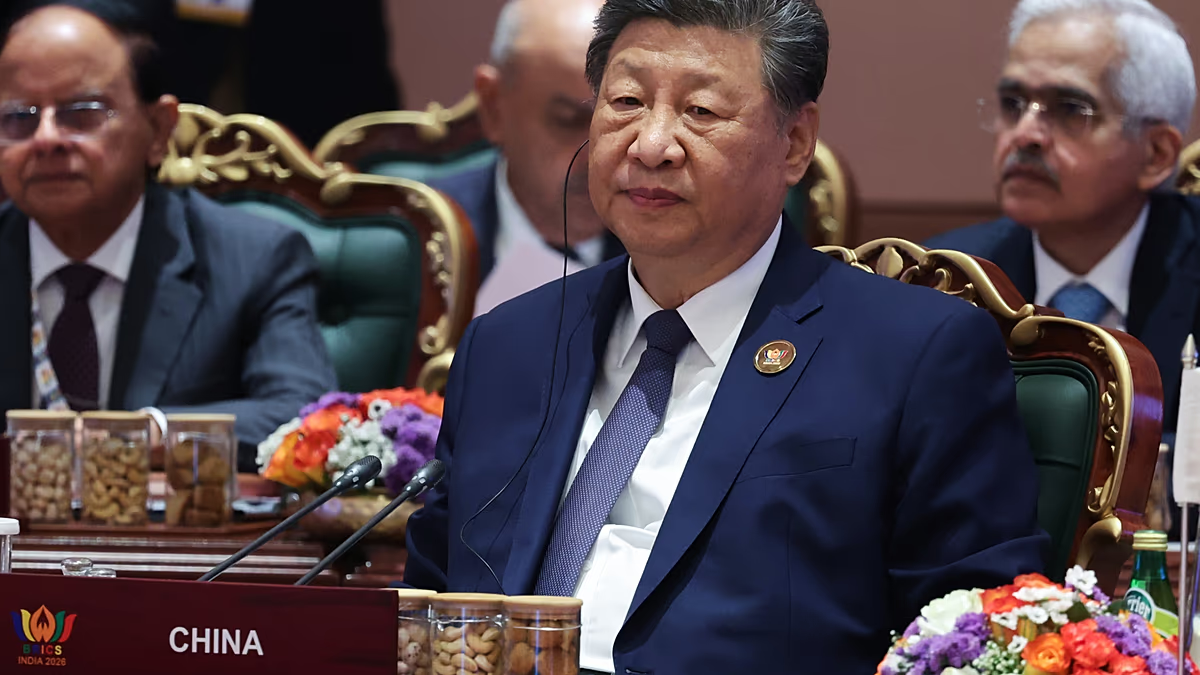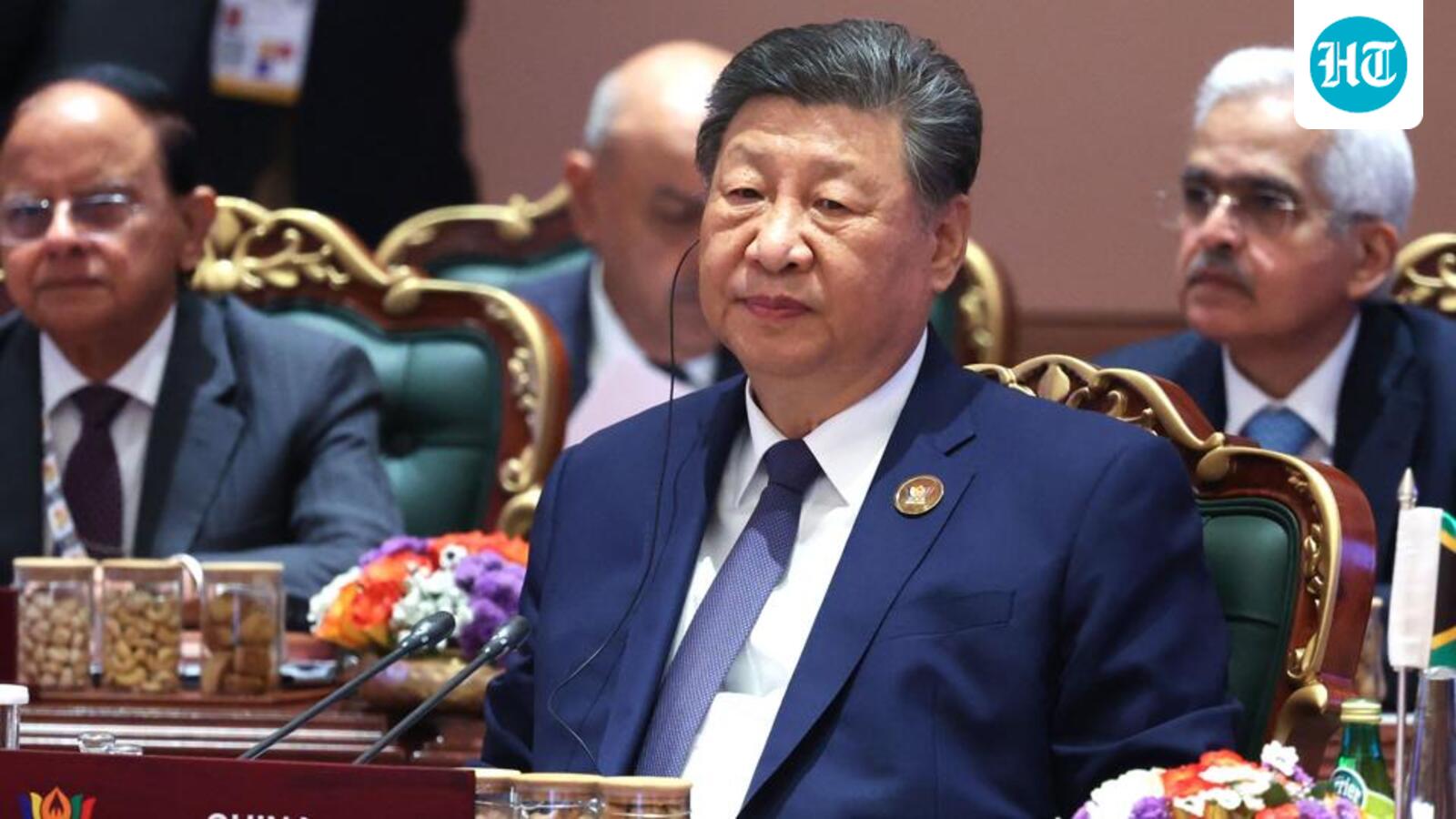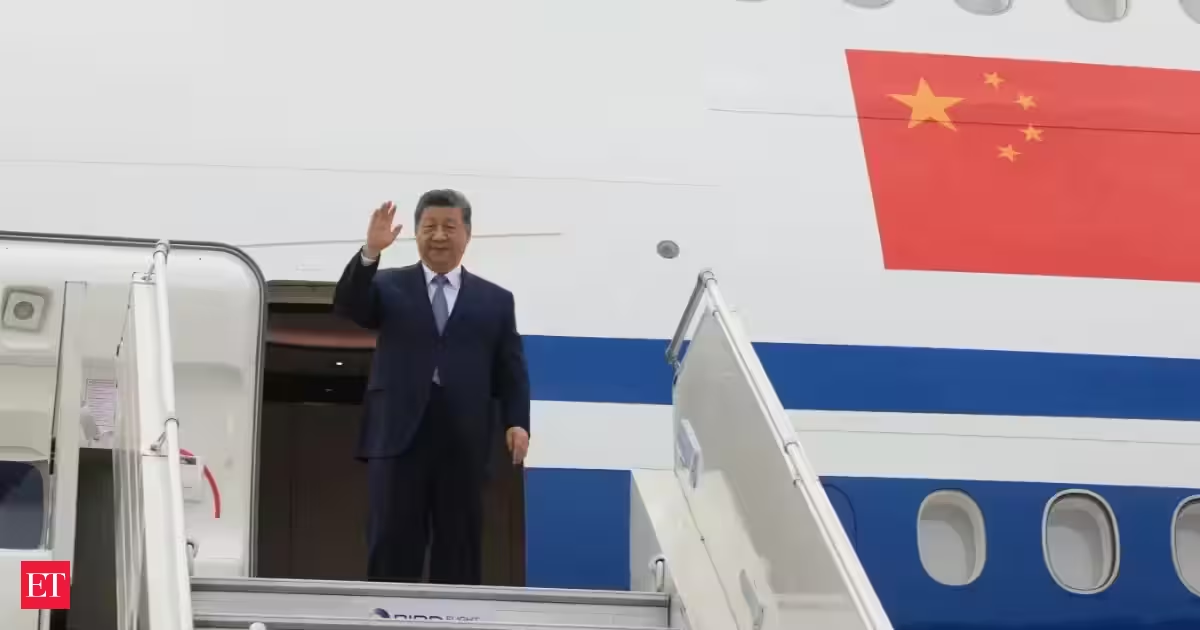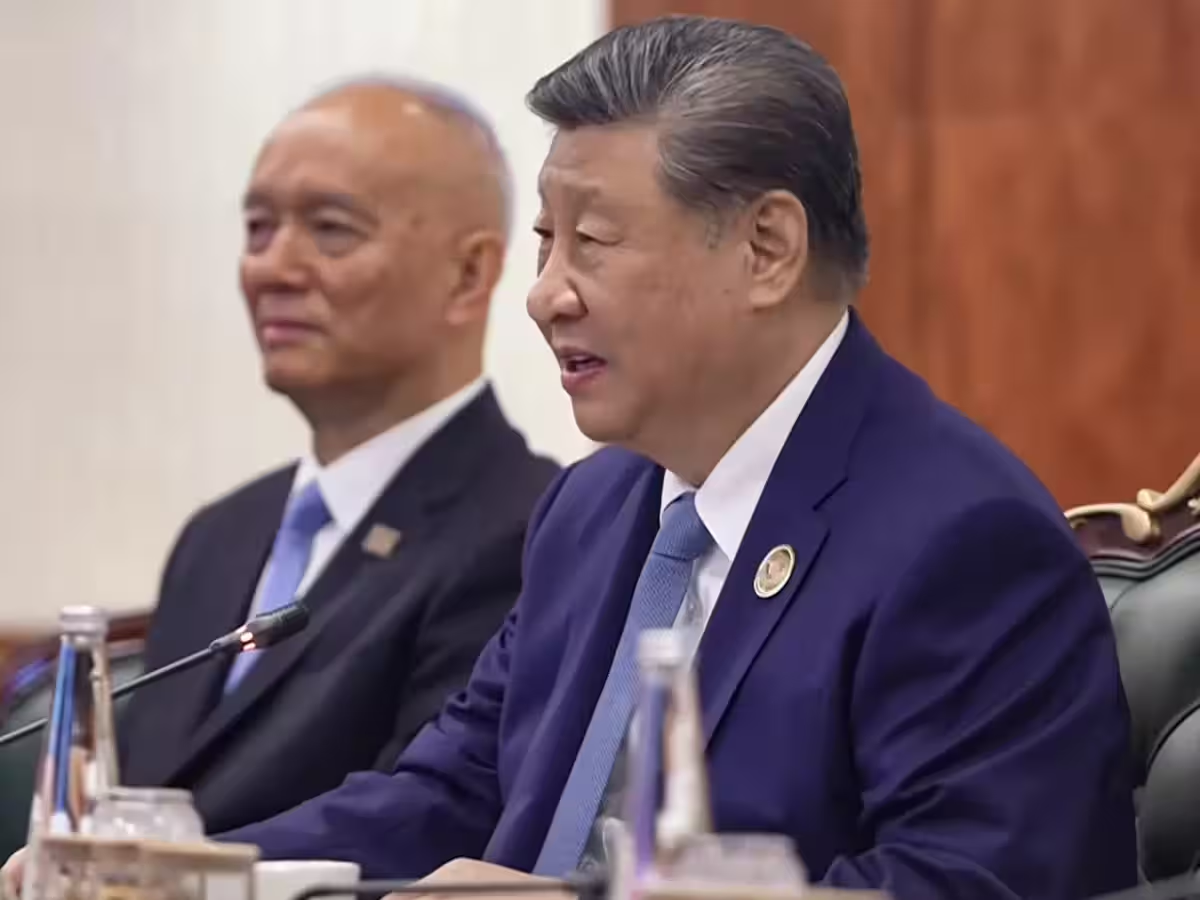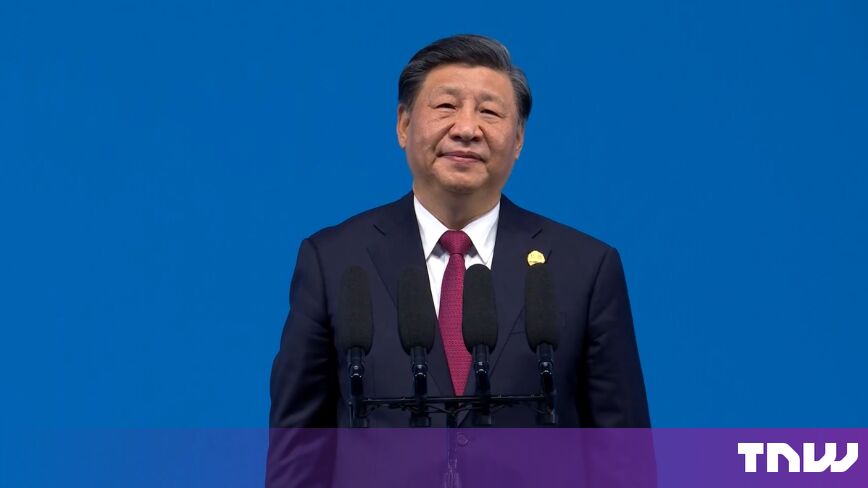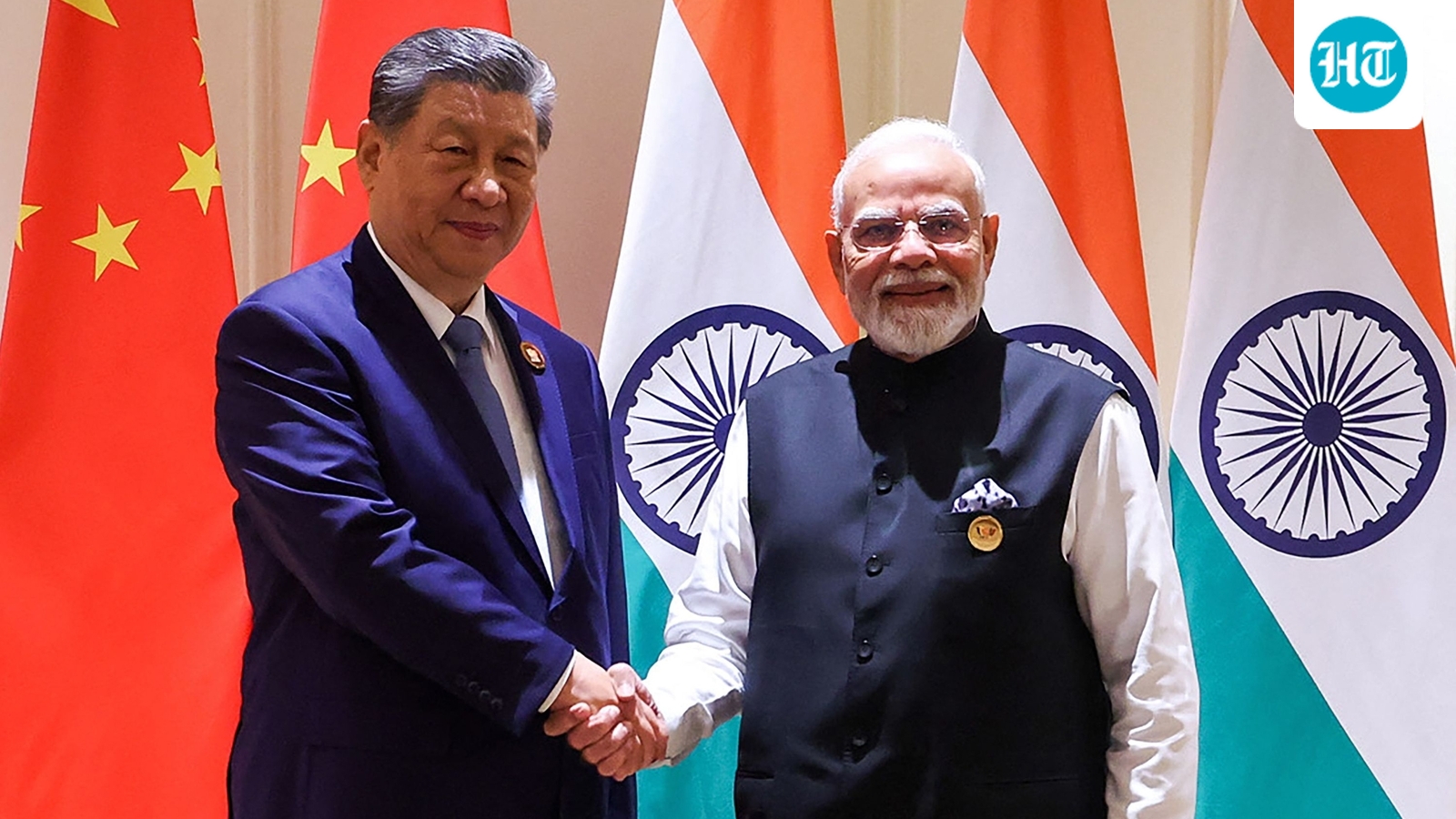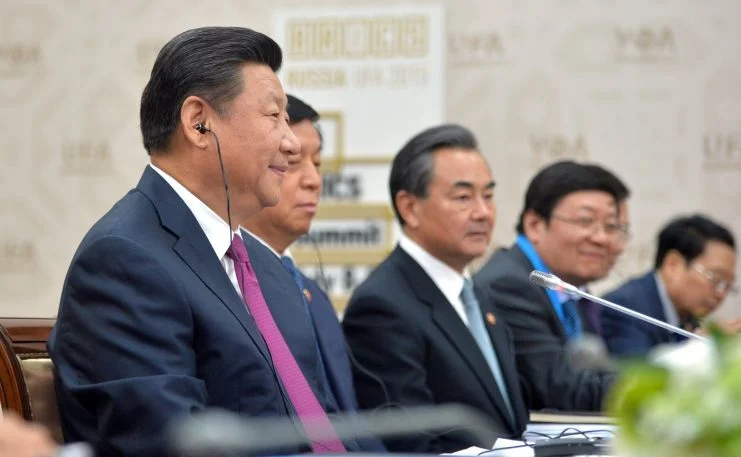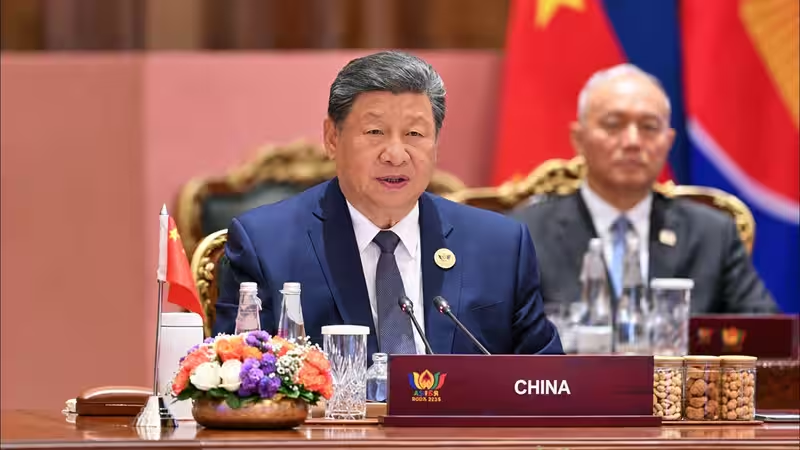
As New Delhi hosts the latest BRICS summit, the intersection of geopolitics and technology has taken centre stage. Chinese President Xi Jinping used the platform to announce a sweeping strategy aimed at positioning developing nations at the forefront of artificial intelligence. The centrepiece of this strategy is a proposed "BRICS AI open-source community", a move that carries significant implications for India’s rapidly growing tech ecosystem.Key HighlightsAbout The AuthorI love telling stories about technology that actually matter. I enjoy going beyond specs and buzzwords to understand how tech is changing the way we live, work and connect. I started my journalism journey in 2015, and over the years, I’ve learned that the best tech stories are not always about the newest gadget, but about why it matters to you.• The Proposal: China will pioneer a BRICS AI open-source community, contrasting with proprietary models favoured by US tech giants.• Five Tech Pillars: The initiative covers AI ecosystems, digital industry cloud platforms, intelligent manufacturing, trade facilitation, and tech talent development.• India's Stance: India is likely to engage cautiously, prioritising its own 'IndiaAI' mission and data sovereignty over reliance on Chinese-led infrastructure.• Global South Focus: The move aims to reduce emerging economies' dependence on Western technology stacks by sharing underlying AI code.The Push for Open-Source AI CollaborationThe core of the announcement is China's commitment to establish a shared, open-source AI ecosystem for BRICS nations. This initiative is designed to provide member countries with access to the underlying code of advanced artificial intelligence models, allowing for local adaptation and development.This approach presents a direct contrast to the current trajectory of major United States technology firms, which have largely favoured closed, proprietary development cycles. By championing open-source models, China aims to lower the barrier to entry for emerging economies, enabling them to build and apply large language models (LLMs) without being locked into expensive, restrictive foreign software ecosystems.More articles by AuthorTrending StoriesThe Five Core Technology InitiativesTo operationalise this vision, President Xi outlined five specific initiatives aimed at cementing technological cooperation among the 11-nation bloc. These pillars are designed to build a self-sustaining digital infrastructure for the Global South.InitiativeCore ObjectiveKey Actions Proposed1. Open-Source & Inclusive AIBuild a shared AI ecosystemEstablish BRICS AI open-source community, support LLM cooperation, and host specialised AI training seminars.2. Trade & Investment FacilitationCreate new economic driversForm a BRICS special economic zone partnership with an intelligent policy portal.3. Digital Industry CooperationEnable digital economy growthLaunch a BRICS digital ecosystem cloud platform and conduct cross-border digital skills training.4. Intelligent ManufacturingUpgrade industrial standardsAssist member nations in building smart factories and developing unified manufacturing norms.5. Science & Tech TalentCultivate future innovatorsForm a BRICS engineer cultivation alliance for mutual recognition of competency standards.The India Angle: Balancing Access with Data SovereigntyFor India, this proposal presents a complex technological and geopolitical equation. On one hand, the Indian developer community and AI startups could theoretically benefit from access to world-class, open-source foundational models, accelerating research and reducing compute costs.On the other hand, India has consistently prioritised data sovereignty and digital independence. With the government actively pushing the ambitious 'IndiaAI' mission to build indigenous large language models and computing infrastructure, reliance on a China-led technological bloc is unlikely. Furthermore, given India’s history of banning numerous Chinese applications over national security and data privacy concerns, New Delhi is expected to tread very carefully.India’s participation in these discussions will likely focus on the broader "Global South" narrative of fair technology access and AI governance, while simultaneously doubling down on its own sovereign tech stack and partnerships with Western and domestic entities.Shaping Global AI GovernanceBeyond immediate technical cooperation, the address emphasised the need for a structured, consensus-based global AI governance framework. The speech argued that new technologies must be developed with a people-centred philosophy, ensuring they serve as tools for shared prosperity rather than instruments of geopolitical dominance.By pooling resources and sharing technical expertise, the BRICS bloc aims to reduce its reliance on Western-dominated institutions and establish an independent, multipolar technological environment. For Indian tech observers, the key takeaway is that the battle for the future of AI will not just be fought in Silicon Valley, but increasingly in the collaborative forums of the Global South. FAQsWhat is the BRICS AI open-source community proposed by China?The BRICS AI open-source community is a proposed initiative announced by Chinese President Xi Jinping to create a shared AI ecosystem for BRICS nations, allowing member countries access to underlying AI code for local adaptation and development.What are the five core technology initiatives outlined by President Xi for BRICS?The five core technology initiatives include: 1. Open-Source & Inclusive AI, which aims to build a shared AI ecosystem; 2. Trade & Investment Facilitation, focusing on creating new economic drivers; 3. Digital Industry Cooperation for enabling digital economy growth; 4. Intelligent Manufacturing to upgrade industrial standards; 5. Science & Tech Talent to cultivate future innovators.How does India's stance on the BRICS AI initiative reflect its national interests?India is likely to engage cautiously with the BRICS AI initiative, prioritizing its own 'IndiaAI' mission and concerns over data sovereignty, while focusing on fair technology access within the Global South narrative and seeking to strengthen its sovereign tech stack without heavy reliance on Chinese-led infrastructure.What is the proposed BRICS AI open-source community and its purpose?The BRICS AI open-source community, proposed by Chinese President Xi Jinping, aims to create a shared AI ecosystem for BRICS nations. It intends to provide access to underlying AI code, promoting local adaptation and development, contrasting with proprietary models favored by US tech giants.How does India plan to engage with the BRICS AI initiative?India is likely to engage cautiously with the BRICS AI initiative, prioritizing its own 'IndiaAI' mission and data sovereignty over reliance on Chinese-led infrastructure. India seeks to ensure fair technology access while developing its own sovereign tech stack.What are the five core technology initiatives outlined by President Xi?The five core technology initiatives include: 1. Open-Source & Inclusive AI - Establishing a shared AI ecosystem; 2. Trade & Investment Facilitation - Creating new economic drivers; 3. Digital Industry Cooperation - Enabling digital economy growth; 4. Intelligent Manufacturing - Upgrading industrial standards; and 5. Science & Tech Talent - Cultivating future innovators.What is the BRICS AI open-source community proposed by China?The BRICS AI open-source community is an initiative announced by Chinese President Xi Jinping aimed at creating a shared, open-source AI ecosystem for BRICS nations. This community will provide member countries with access to the underlying code of advanced artificial intelligence models, allowing for local adaptation and development.What are the five core technology initiatives outlined by President Xi?The five core technology initiatives include: 1) Open-Source & Inclusive AI for building a shared AI ecosystem, 2) Trade & Investment Facilitation for creating new economic drivers, 3) Digital Industry Cooperation to enable digital economy growth, 4) Intelligent Manufacturing for upgrading industrial standards, and 5) Science & Tech Talent for cultivating future innovators.How does India's stance on data sovereignty affect its participation in the BRICS AI initiatives?India is likely to engage cautiously with the BRICS AI initiatives, prioritizing its own 'IndiaAI' mission and data sovereignty over reliance on Chinese-led infrastructure. Given its history of banning numerous Chinese applications due to national security concerns, India’s participation will focus on fair technology access while maintaining its independent tech stack.READ NEXT ARTICLE
BRICS Summit in New Delhi: China Proposes Open-Source AI Bloc, What It Means for India’s Tech Ecosystem
At the BRICS summit in New Delhi, China proposed an open-source artificial intelligence community for developing nations. While this offers Indian developers potential access to advanced, cost-effective large language models, India is expected to balance this with its sovereign 'IndiaAI' mission and strict data localisation norms.
TL;DRAI
China announced a BRICS open-source AI community for 11 member nations, bypassing Western proprietary foundational models. Emerging-market tech leaders gain an alternative governance path; India balances access against its IndiaAI mission and data sovereignty.
1,205 words~5 min read