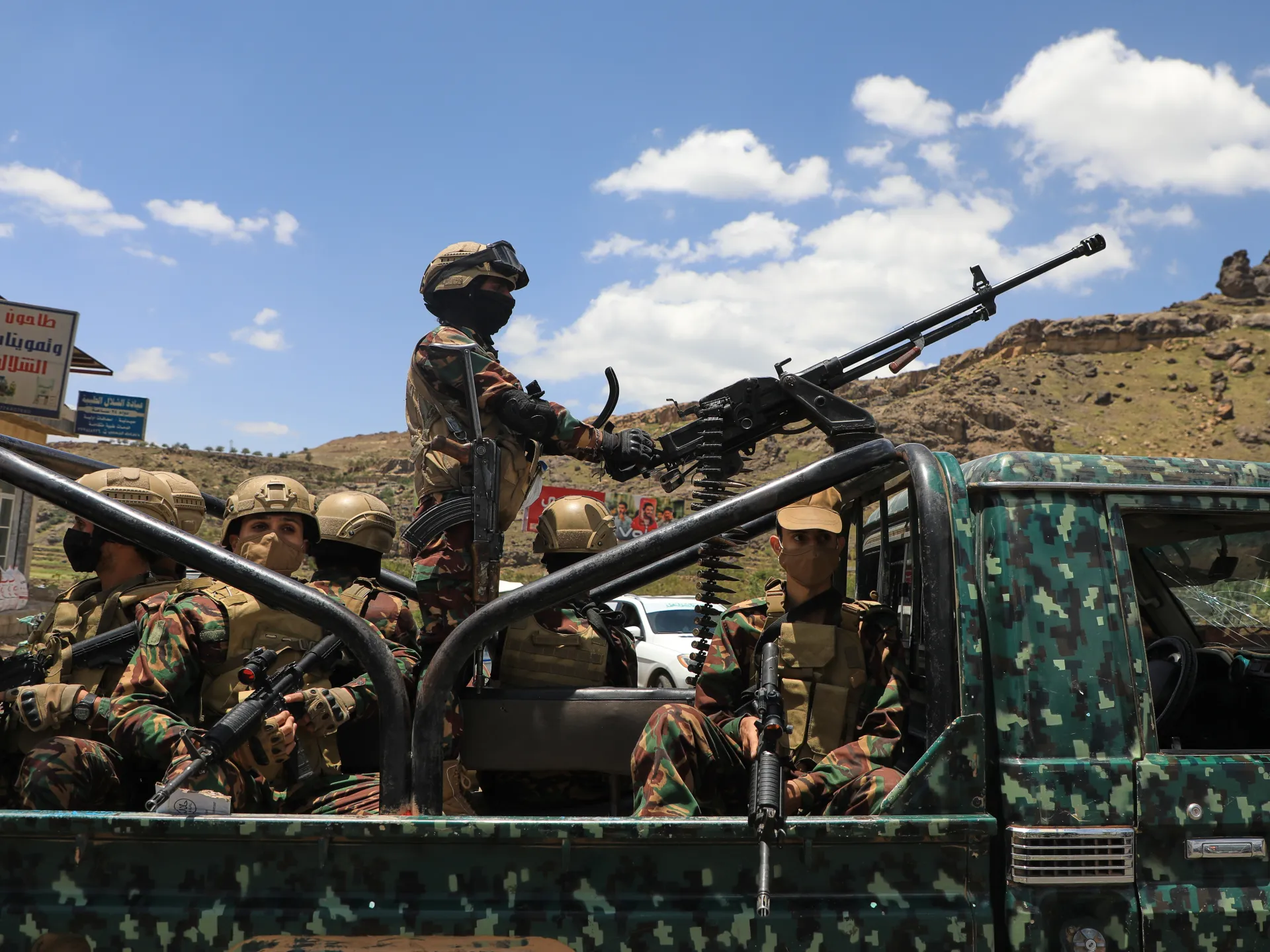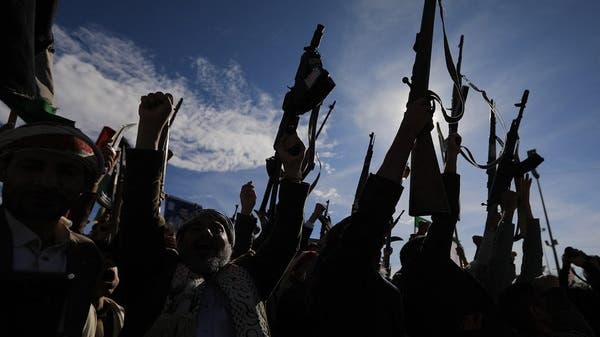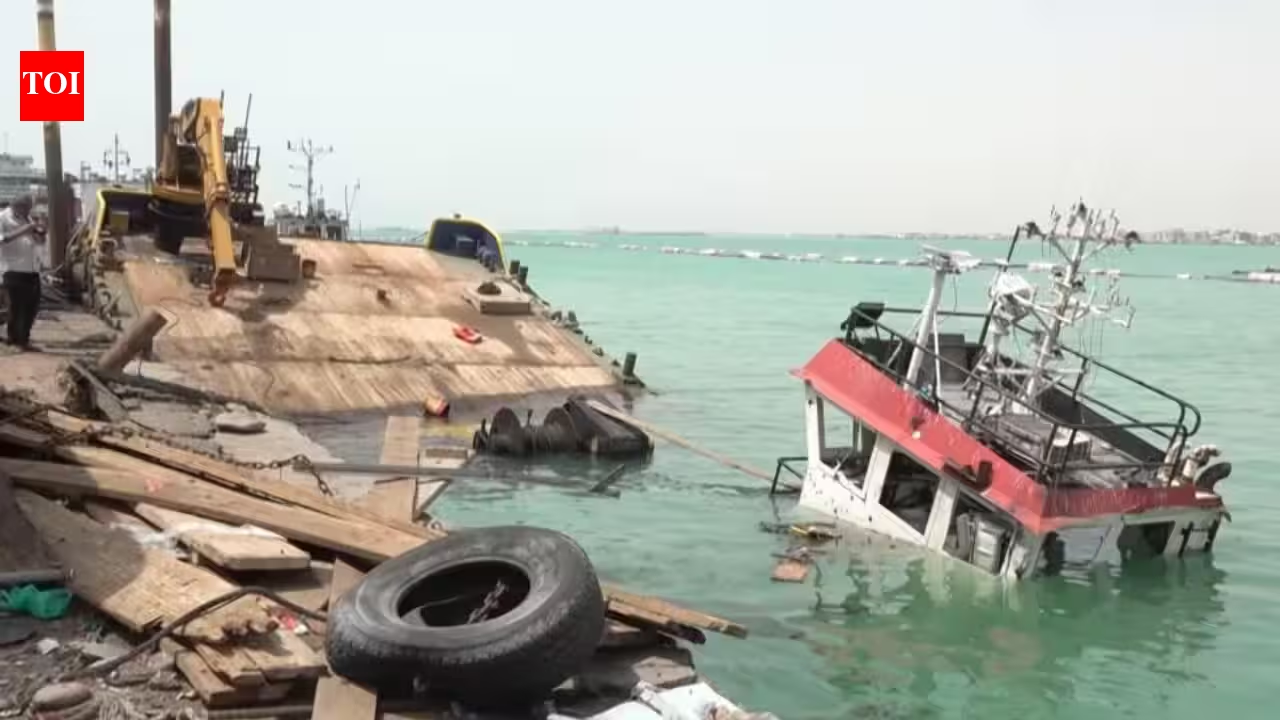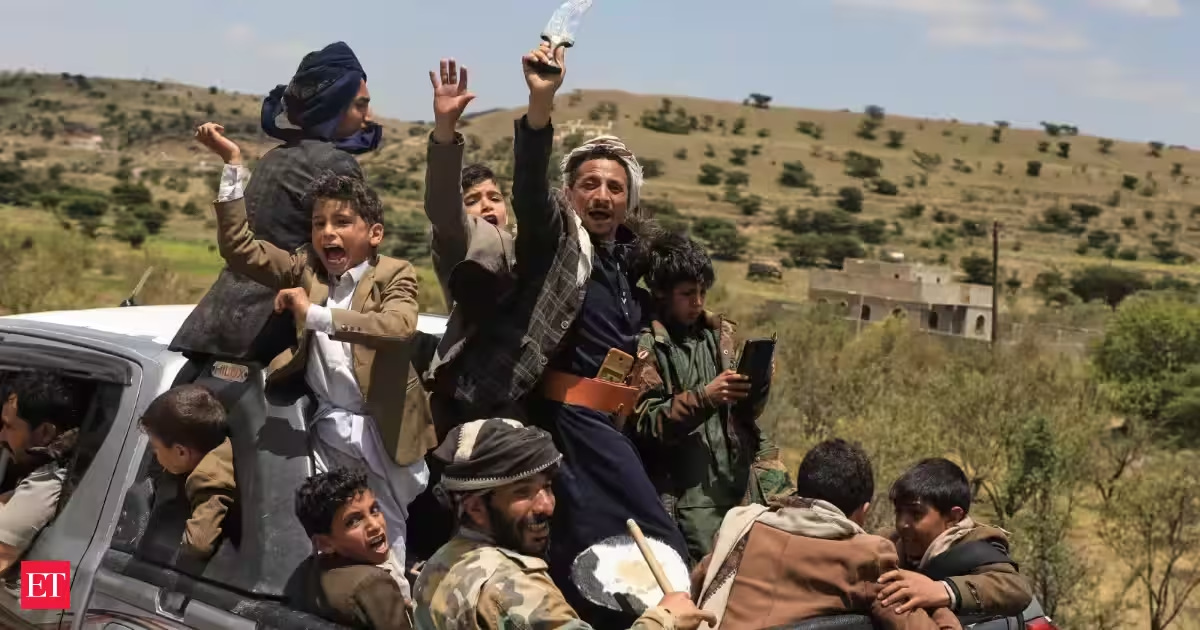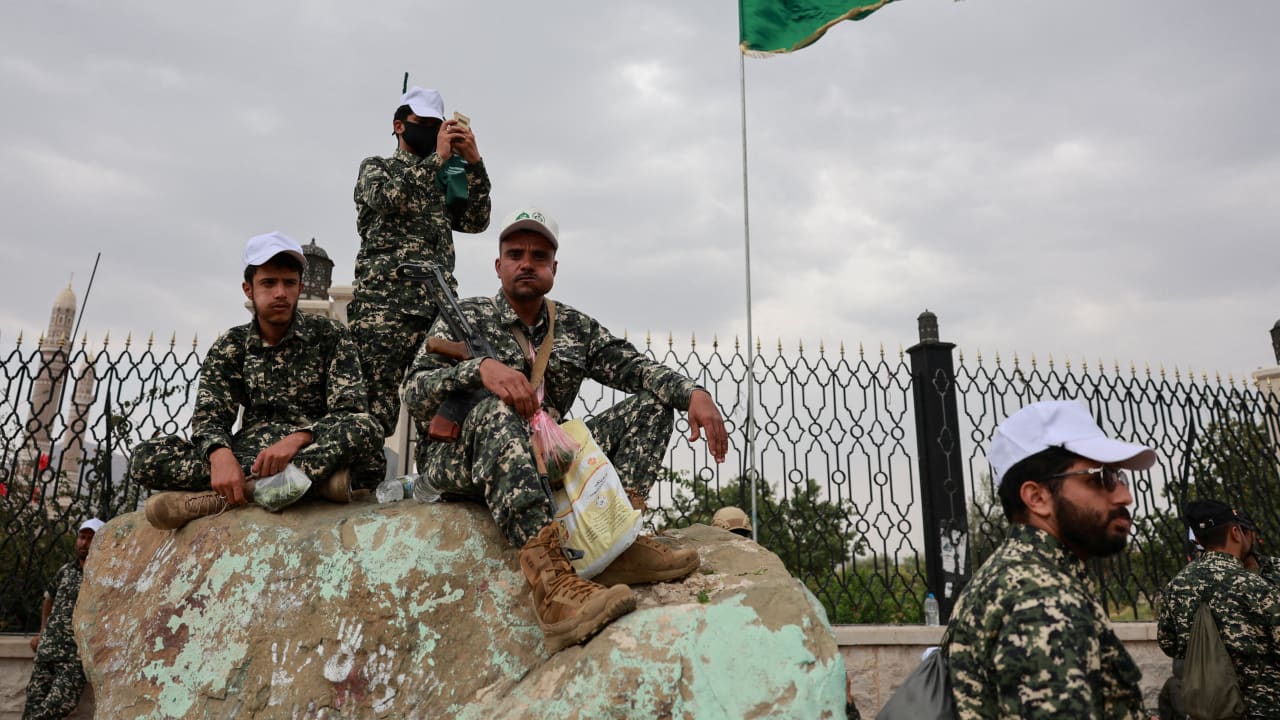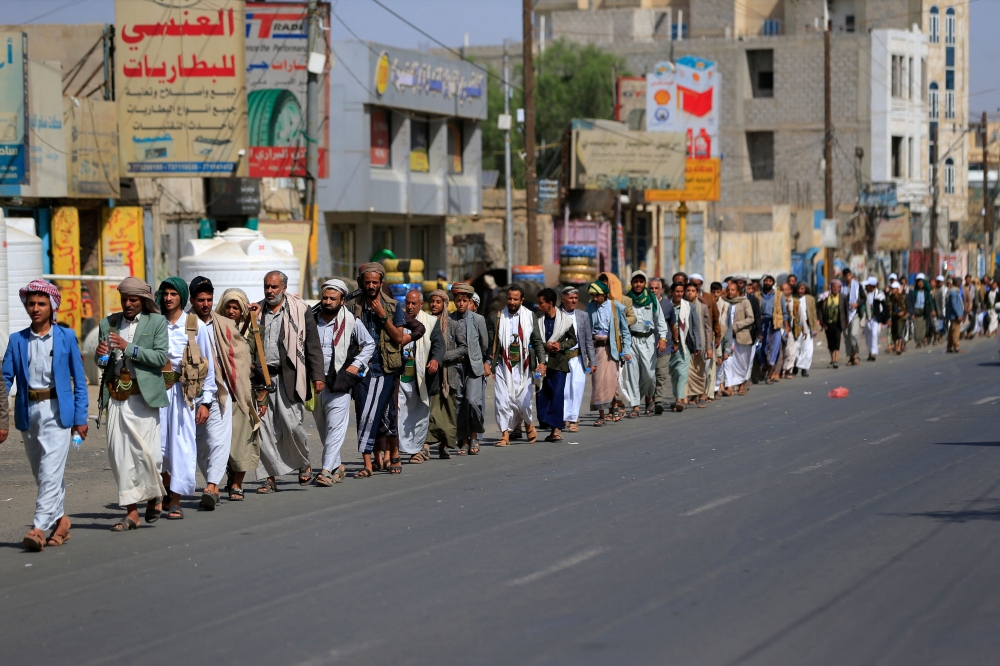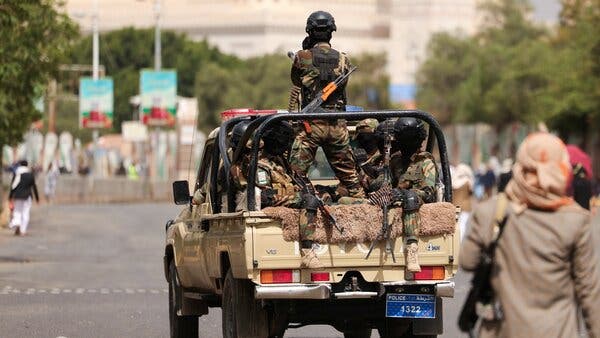
The latest developments on the ground in Yemen are too significant for their seriousness to be underestimated. Iran now has an arm positioned on the vital Bab al-Mandeb Strait through its proxy, the Houthi militia, which has seized the port of Mokha and Yemeni islands in the southern Red Sea.For all the latest headlines follow our Google News channel online or via the app.The Houthis’ aggressive military activities in the lead-up to the attack pointed to one of three possible objectives: Targeting Saudi areas along Yemen’s northern border, striking oil facilities in Yemen’s Marib province, or seizing the port of Mokha and using it to threaten international shipping.The battles of recent days ended with the seizure of the port of Mokha, Perim Island at the mouth of the Bab al-Mandeb Strait, and the islands of Hanish and Zuqar. This confirmed that the operation was an extension of Iranian activity in Gulf waters. Iran is now in a position to disrupt oil shipping through both the Strait of Hormuz and Bab al-Mandeb. The timing also comes during the crucial final weeks ahead of the US midterm elections, particularly if the Iranians are seeking to resume negotiations with President Trump’s administration under conditions that strengthen their negotiating demands.The issue has implications for regional security that extend far beyond Yemen itself. The Houthis now control a port and islands that enable them to threaten maritime traffic and cooperate with terrorist militias in Somalia that are allied with Iran.As for the dynamics of the war in Yemen itself, the Houthis have undoubtedly made significant gains, but they have also expanded the front they must defend by seizing territory extending to Mokha. This vast stretch of territory will bring further confrontations with the Houthis, on top of the challenge of defending the numerous fronts that have now opened for the first time since their defeats in 2018.In fact, what happened this week resembles what took place nearly a decade ago. Houthi fighters reached the same port of Mokha and even advanced beyond it to Dhubab, the southwestern-most point of Yemen and the narrowest point separating Asia from Africa. It lies only around 30 kilometers across the sea from Djibouti.After nearly three years of militia control, coalition forces were able to defeat the Houthis and liberate Mokha, Dhubab and the islands, including Perim and Zuqar.Yemeni government forces are currently undergoing a process of rehabilitation and regrouping their various national forces. It is a difficult task, particularly as they work to liberate Houthi-controlled areas, which are among the most densely populated and geographically rugged parts of the country, amid extremely challenging political and economic circumstances. Securing Yemen extends beyond the country’s borders. It also serves the interests of regional security and the security of global maritime trade. Achieving this requires international support for Yemeni government forces, rather than support being limited to Saudi Arabia and the countries of the region.The Middle East is going through a period of dangerous instability, with interconnected flashpoints visible in Lebanon, Iraq, Yemen, Somalia and elsewhere. Addressing them requires collective cooperation to contain and eliminate these threats. Many underestimate Yemen’s Houthi movement, believing it to be a local problem that can easily be contained either militarily or politically. In reality, the Houthis resemble Hezbollah in Lebanon, as well as the Taliban in Afghanistan. Confronting or containing the threat posed by such armed groups requires a joint effort. The fall of the al-Assad government in Syria had consequences far beyond Syria’s borders, weakening Hezbollah in Lebanon and dismantling part of the regional network of weapons, drugs and terrorism. Yemeni forces will not be able to fight the Houthis alone. Accomplishing the task will require coordinated regional and international efforts.Read more:
How can the Houthis be challenged?
The latest developments on the ground in Yemen are too significant for their seriousness to be underestimated. Iran now has an arm positioned on the vital
617 words~3 min read