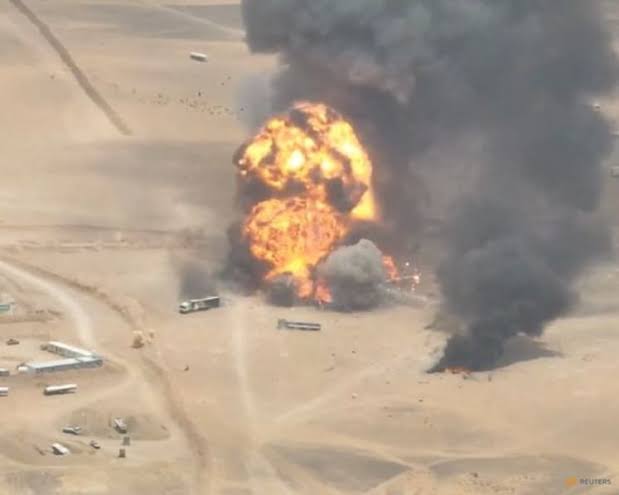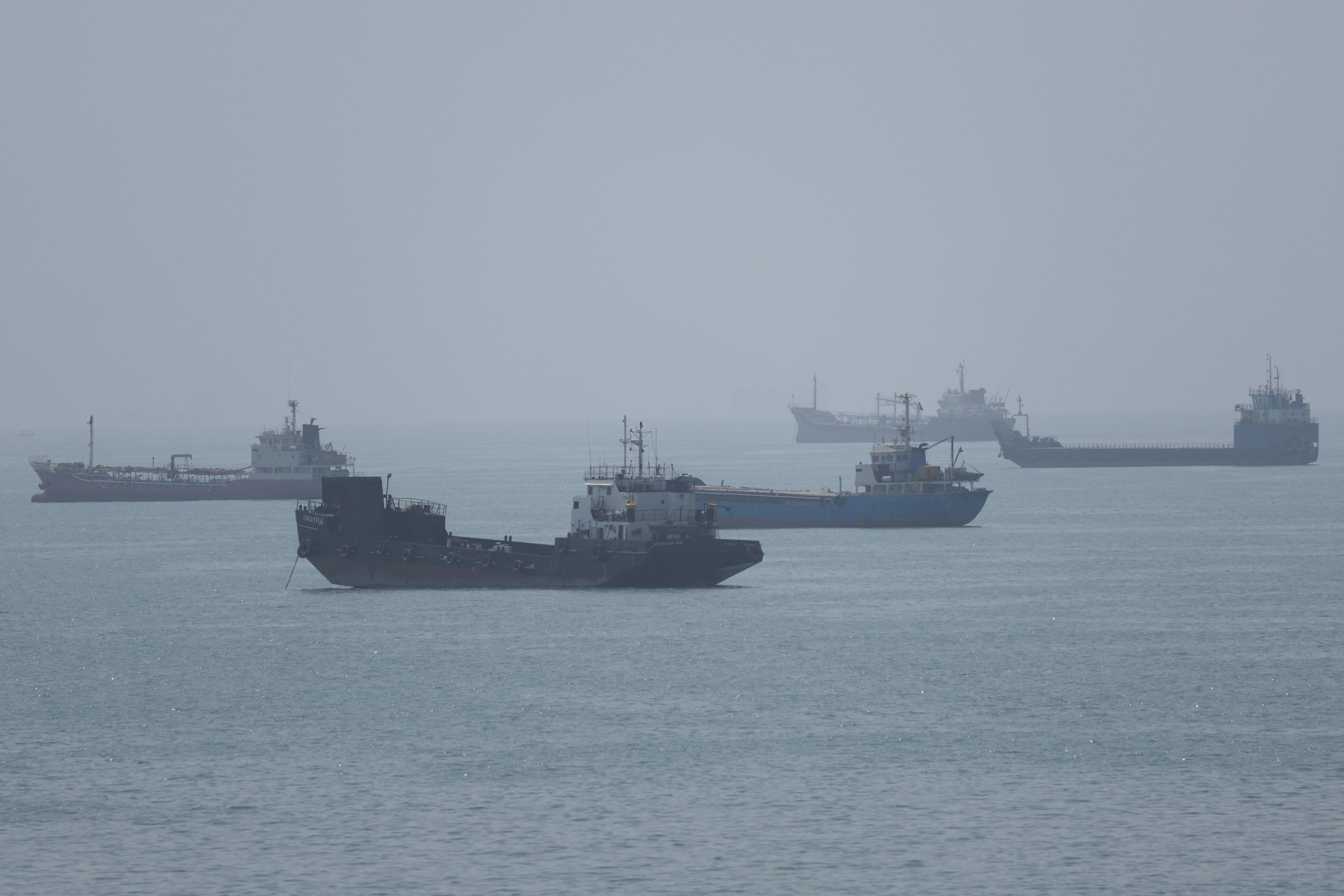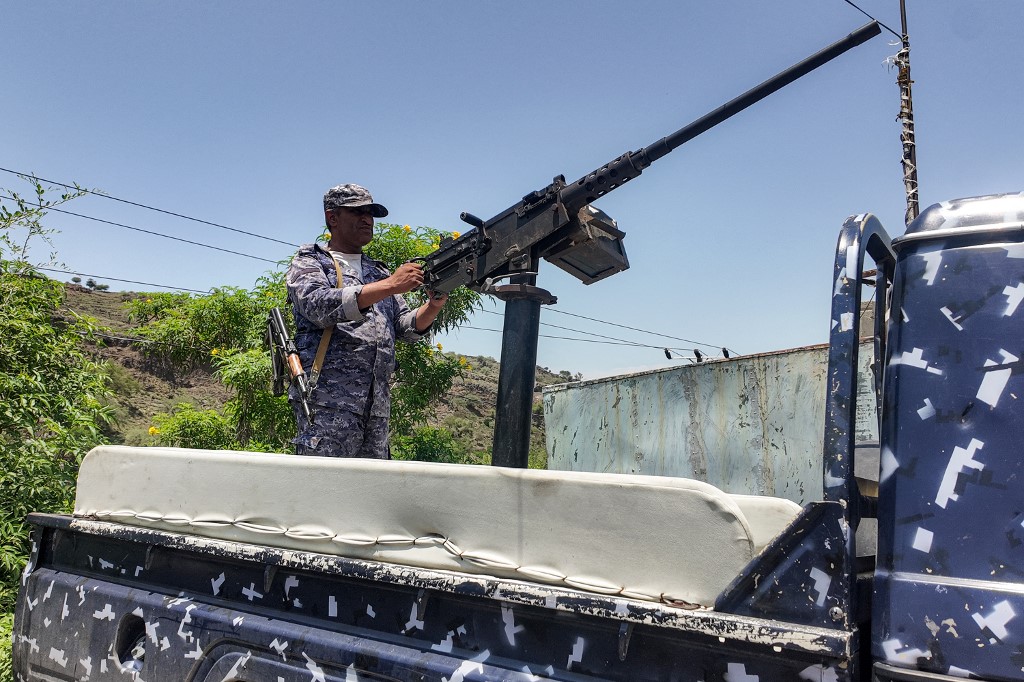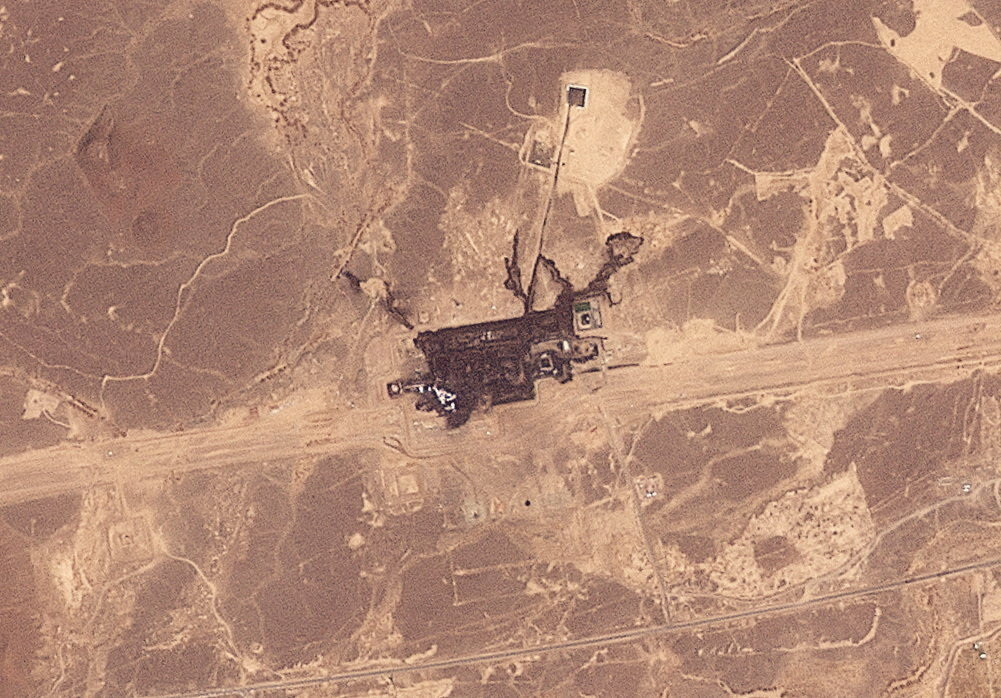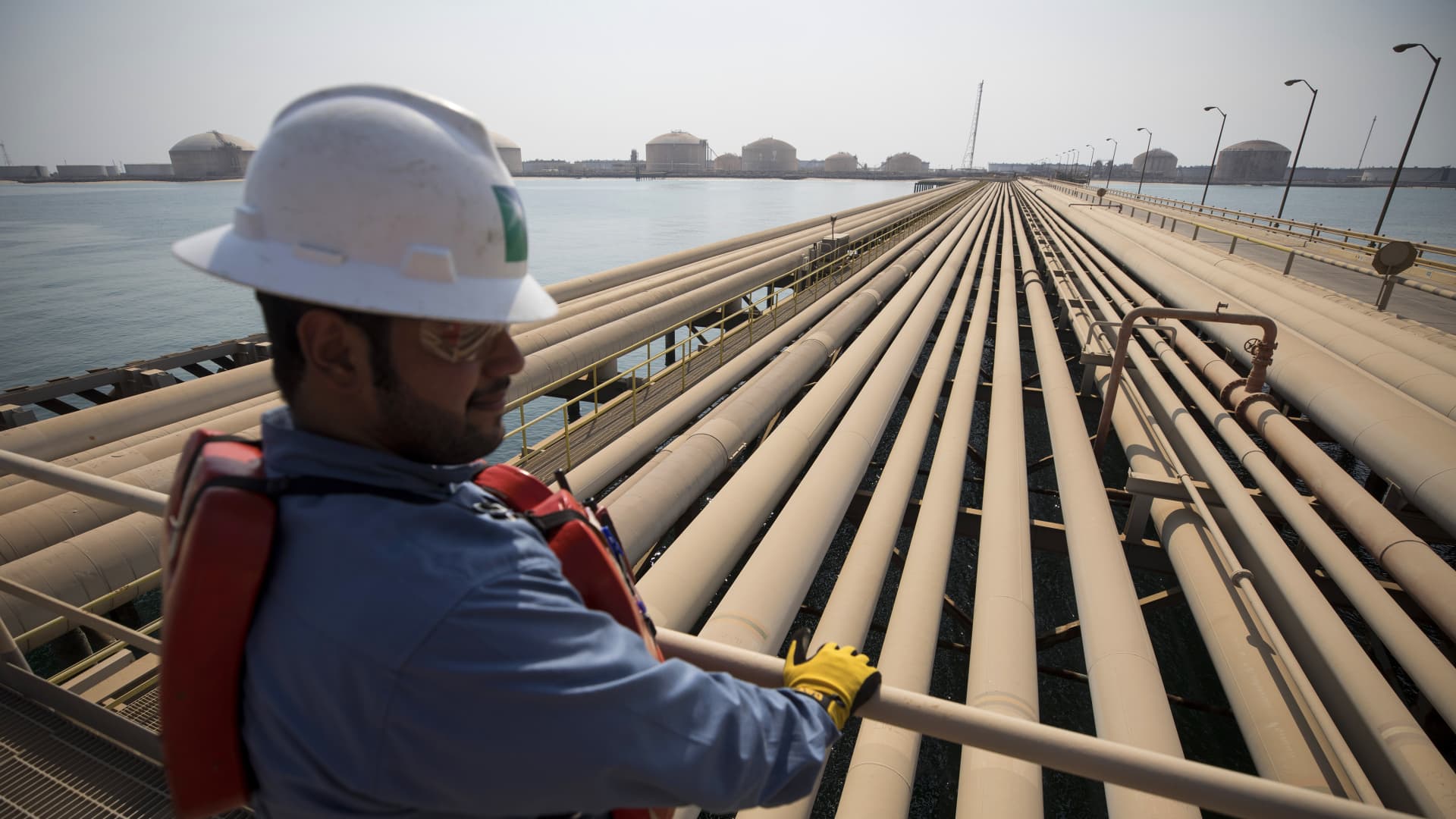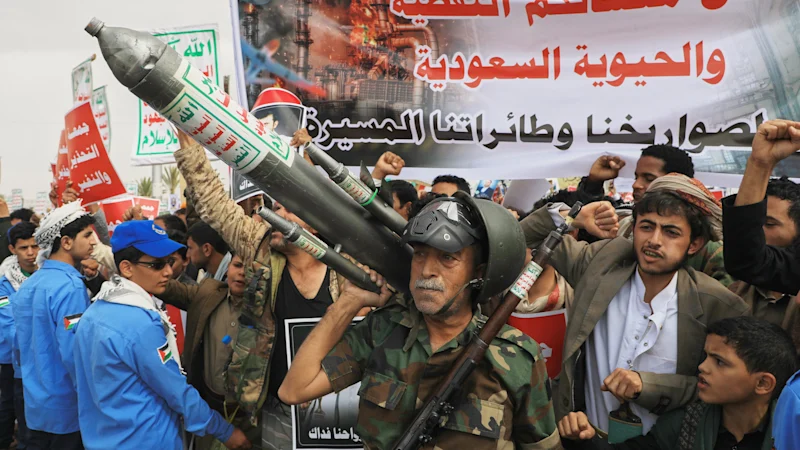
Pui-Guan ManSeptember 14, 2026 — 3:55pmGlobal supplies of Saudi Arabian oil could run out within days unless a vital pipeline is brought back into operation, experts have warned.Riyadh’s decision to shut its 1200-kilometre East-West oil pipeline has threatened the loss of four per cent of global supplies, traders said, which risks driving the price of crude higher.Houthi supporters at a rally in July against the Saudi-led coalition. The banner in Arabic reads, “All Saudi oil facilities are targets to our missiles and drones”.APIt comes after the pipeline was attacked by drones launched from Iraq on Friday, prompting Saudi Arabia to close it immediately.The world’s largest oil exporter had been using the pipeline to bypass the Strait of Hormuz by re-routing about 4 million barrels a day to the port of Yanbu on the Red Sea.Industry sources told Reuters that if the pipeline remained offline, existing stocks at Yanbu could only support exports for about five to seven days. The extent of the damage on the pipeline has not been disclosed. Analysts at shipping data company Marhelm have said the damages to the pipeline could take more than a month to repair owing to a “lack of spare parts”.However, it comes with the global energy market already under severe strain after the Iran war triggered the closure of the Strait of Hormuz, through which a fifth of the world’s oil and gas typically passes.Last week, Saudi Arabia reported to the OPEC oil cartel that its crude production had fallen to 6.2 million barrels per day, down from 10.9 million in February before the war began. The August figure marked Saudi Arabia’s lowest monthly output this year.A prolonged outage could add more pressure to fuel prices after the cost of a barrel of Brent rose to $US109 last week. Fears of a new inflation crisis have already sent US government borrowing costs soaring to their highest levels since the global financial crisis.The pipeline’s closure follows clashes between the Iran-allied Houthis and Yemeni government forces, which are backed by Riyadh. On Sunday, Houthi forces claimed to have attacked a military base in Saudi Arabia with drones and missiles.The purported strike at the southern Sharurah base targeted “weapons depots and command and control centres that are managing the aggression against our nation and people”, Yahya Saree, a Houthi military spokesman, said.Yemen’s Houthi rebels have intensified attacks on the world’s largest oil processing facility in Saudi Arabia and a major oil field, targeting a vulnerable chokepoint for global energy supplies.APThe ongoing clashes follow a week-long Houthi offensive that culminated in the group capturing the remainder of Yemen’s Red Sea coast and several strategic islands, cementing their hold on the Bab al-Mandab Strait at the sea’s southern entrance.Mohammed bin Salman, the crown prince of Saudi Arabia, twice called US President Donald Trump to request strikes on the Houthis last week to halt their advance, but the requests were rejected.The waterway has become an important route for Saudi Arabian oil exports after Iran largely cut off shipments through the Gulf with its blockade of the Strait of Hormuz at the start of the Middle East war.The Houthis also recently declared a maritime blockade of Riyadh’s Red Sea ports.The Saudi Foreign Ministry said drones targeted the East-West pipeline in the Riyadh and Medina areas on Thursday. The 1200-kilometre pipeline runs across the Arabian Peninsula and bypasses both the Strait of Hormuz and the Bab el-Mandeb Strait.British Foreign Secretary Ed Miliband said he had spoken to his Saudi counterpart on Saturday and “made clear the UK stands firmly with Saudi Arabia and the internationally recognised government of Yemen against”.On the same day, Yemeni government forces said they had struck Houthi fighters in the Red Sea city of Mocha, and later attacked other Houthi positions in the south-western part of the country.The Yemen government news agency Saba also reported that Yemeni forces “destroyed vehicles and weapons and killed members of the Houthi terrorist militia” near the port of Mocha.That evening, the Houthis said that, in the previous 48 hours, “Saudi enemy aircraft conducted 129 airstrikes” on areas under their control.Saudi authorities said a Houthi projectile fell in an area near the border. The country’s civil defence directorate said it resulted “in two injuries and material damage to a mosque, several buildings, and vehicles”.The fall of Mocha to the Houthis on Thursday drove many residents to Aden, where the internationally recognised government is based.One of the displaced, Abdulali al-Rajihi, said: “We fled wearing the clothes on our backs. And we took our children, as much as we could manage.”The UN’s migration agency said that, since July, 76,000 people had fled the fighting, a figure that had quadrupled since last week.The renewed fighting in Yemen has killed more than 500 people, according to sources on both sides.Trump acknowledged speaking to the Saudi leader but said the Houthis had also “called us and they don’t want to fight with us.” He did not elaborate on whether Washington would take any action, but told reporters that “everything’s gonna work out fine and dandy” in the region.More:Middle East at warIranSaudi ArabiaOPECYemenMiddle East tensionsFor subscribersUSAOilFrom our partners
Oil shock fears back on radar as pipeline attack chokes supply
The latest attack on Saudi Arabia’s East-West oil pipeline could knock four per cent of global supply out of play, and with the Strait of Hormuz a mess, crude is getting more expensive.
851 words~4 min read