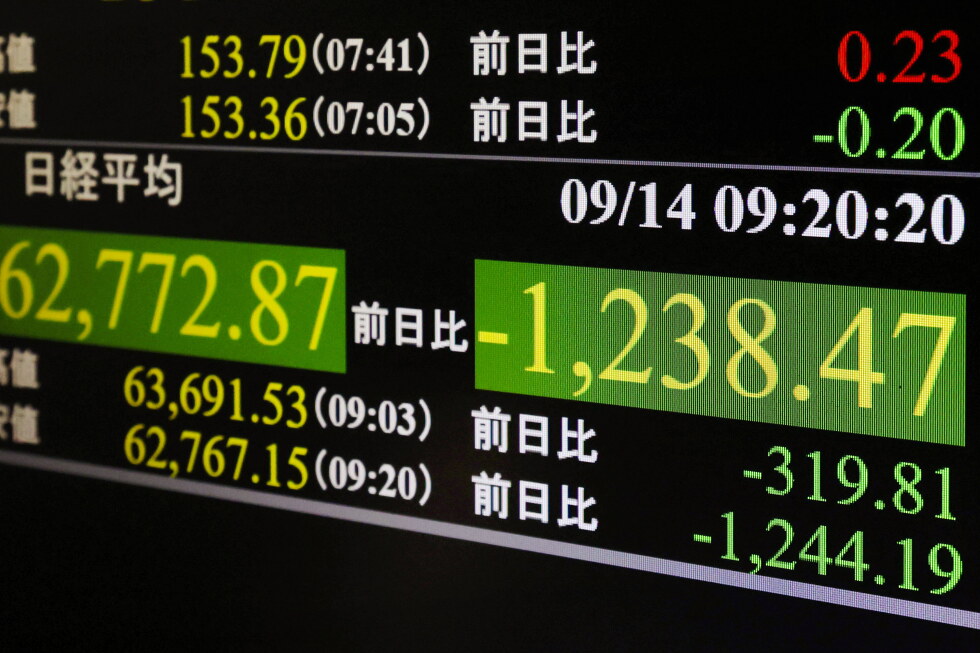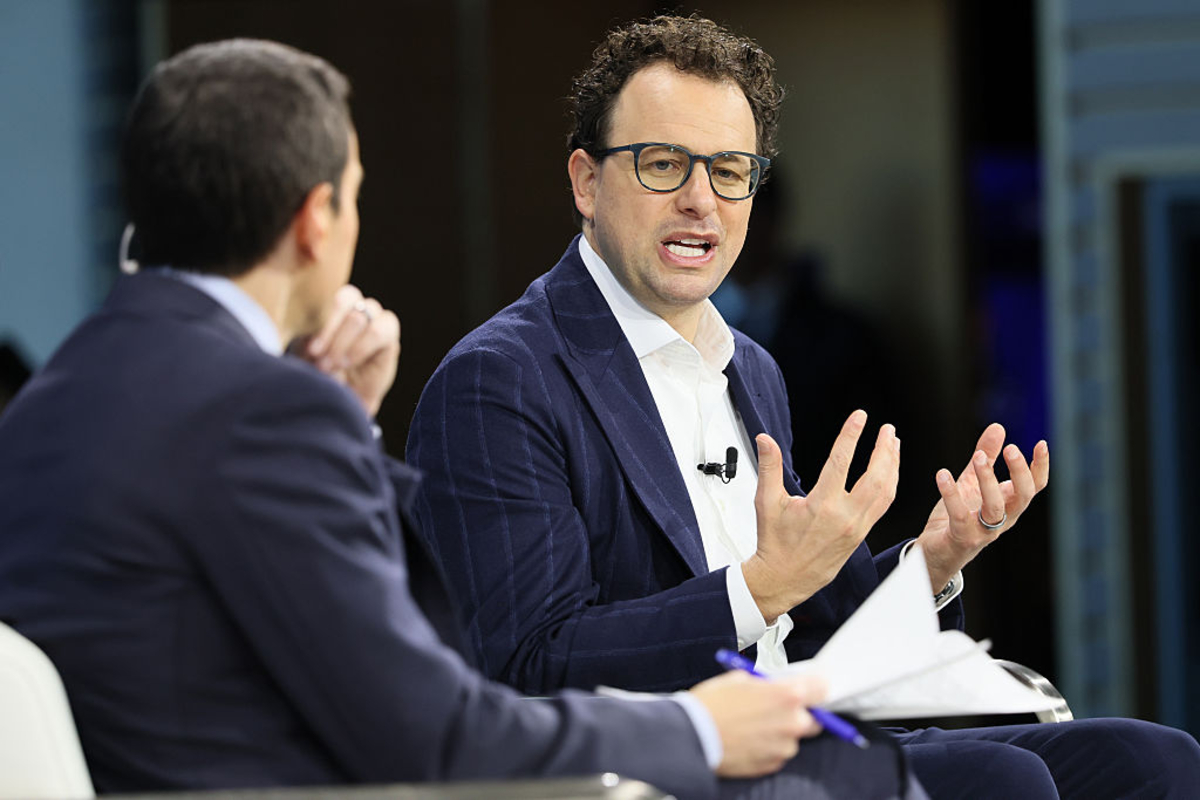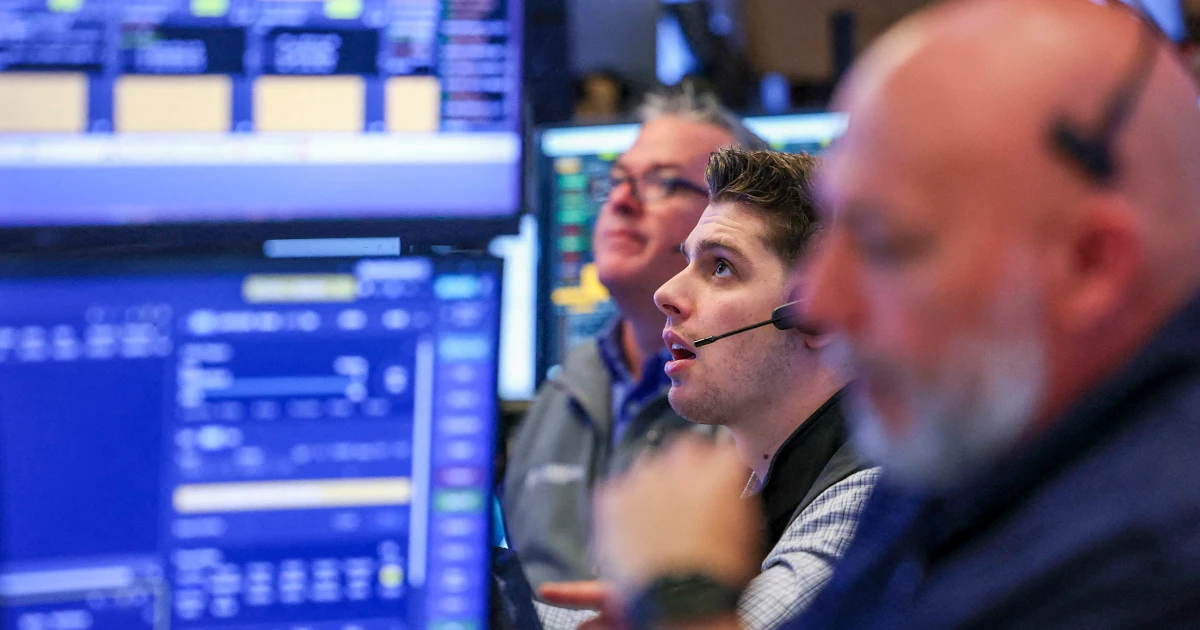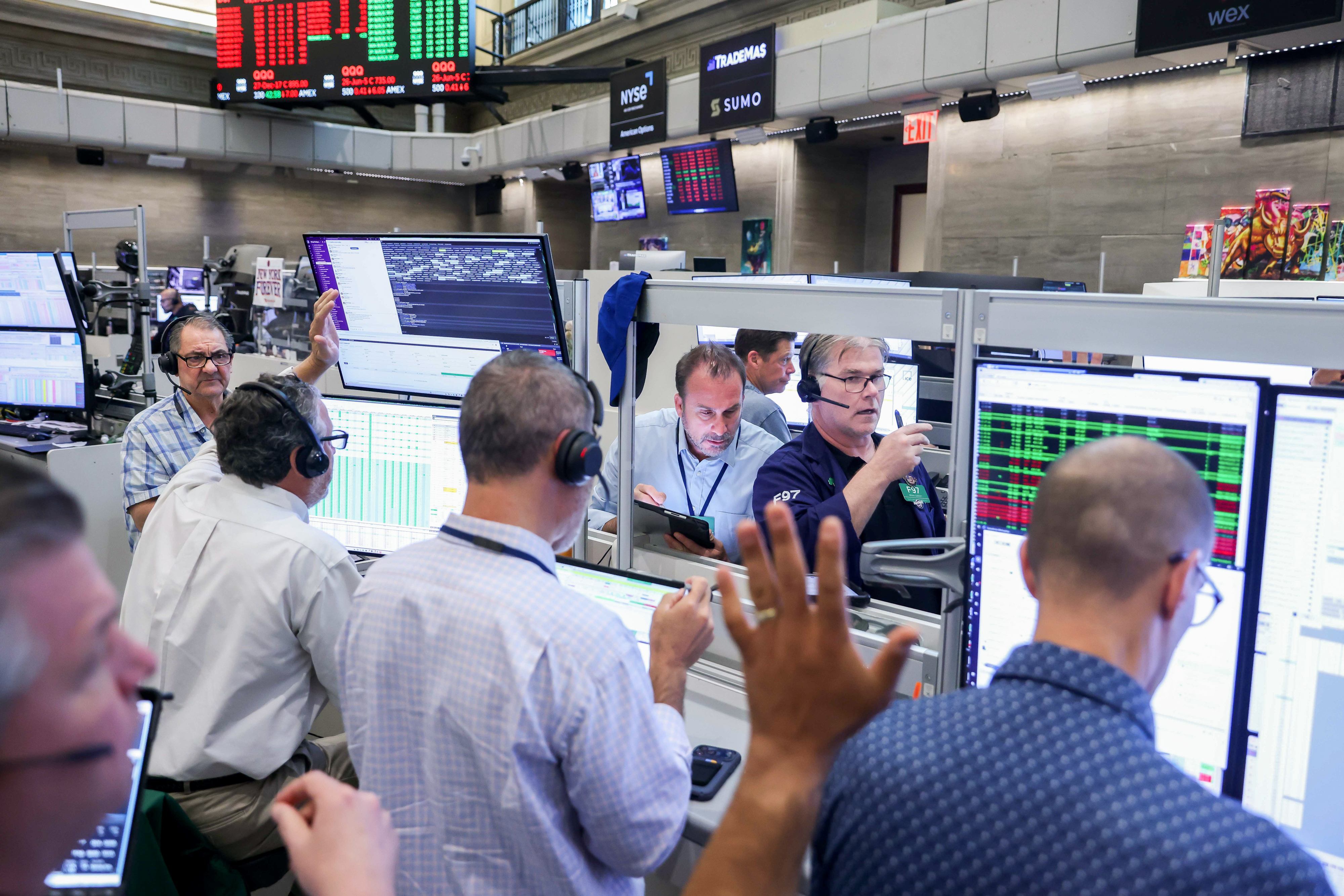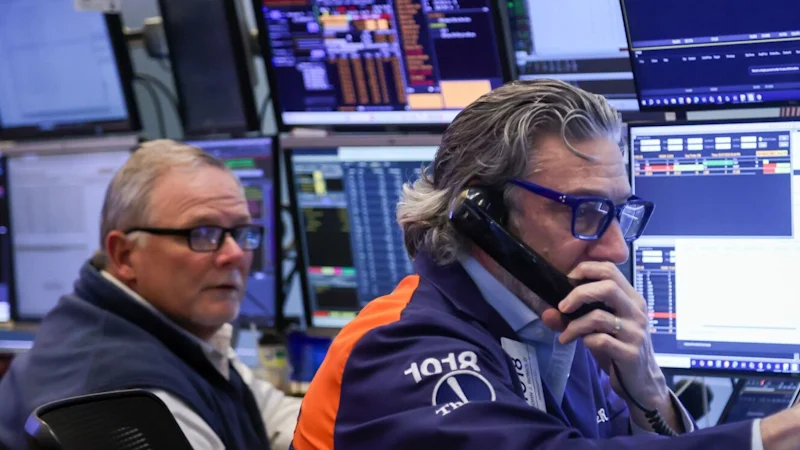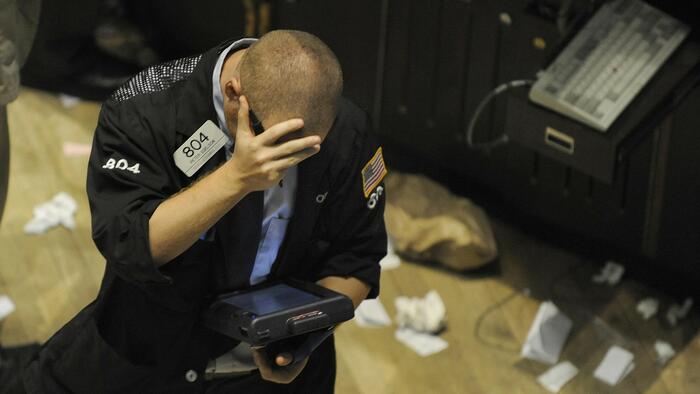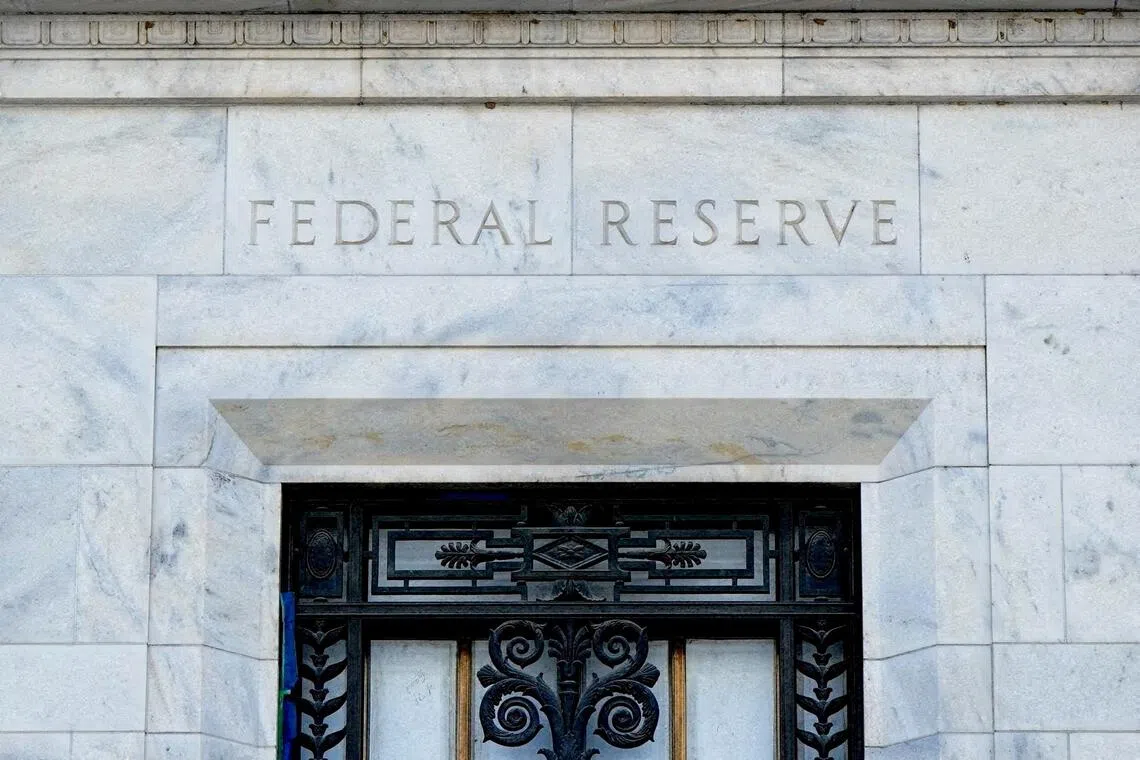
HONG KONG – Tech firms tumbled on Sept 14 after leaders of companies at the forefront of the artificial intelligence boom backed calls for a slowdown in development in the sector amid warnings that it could pose a threat to humanity.The equity market losses were compounded by another spike in oil prices after Saudi Arabia closed a key pipeline, while US inflation data did little to lower expectations the Federal Reserve will hike interest rates this week.Chipmakers led the selling in Asia after Anthropic chief executive officer Dario Amodei called on Sept 12 for AI companies to “pace the frontier” – or coordinate a slowdown in the technology’s development – to allow a better understanding of the risks arising.Key among his concerns is so-called “recursive self-improvement”, or when AI can build its own next generation.“Left unchecked, it could outrun our ability to understand and control these systems, and so must be pursued very carefully, if at all,” Amodei wrote.His chief competitors OpenAI’s Sam Altman and xAI’s Elon Musk publicly supported him, with Musk saying “Dario is right”.The comments came after a researcher resigned from Anthropic over fears the technology could escape human control.Another, who did not resign, stated publicly that “we really do earnestly believe AI could kill all humans”, and that he thought the chances were greater than “10 per cent within the next decade”.While US President Donald Trump voiced opposition to the remarks and House Speaker Mike Johnson said “we don’t need everybody to panic right now”, traders sold off their tech holdings Sept 14.Tokyo-listed tech investment titan SoftBank plunged more than 12 per cent, while chipmaker Kioxia shed more than seven per cent and Advantest more than two per cent.South Korea’s SK hynix and Samsung were also sharply lower.Seoul’s Kospi index led losses on broader markets, with Tokyo, Hong Kong, Shanghai, Taipei and Manila also lower.There were gains in Sydney, Singapore and Wellington.The selling was also being fuelled by expectations the Fed will increase borrowing costs on Sept 16 as it tries to combat stubbornly high inflation, which data showed last week remained well above the bank’s two per cent target.The “Fed meeting sees the swaps market implying a 92 per cent probability of a hike, with 50 basis points of cumulative tightening assumed by year-end”, said Chris Weston at Pepperstone.“Psychologically, a Fed hiking cycle rarely does risk assets many favours, particularly if both nominal and real Treasury yields are breaking to new highs and equity markets continue to find sellers into rallies.”And National Australia Bank’s Rodrigo Catril added that the decision not to hike would “carry credibility risks and, with a hike almost fully priced, a disappointing hold could trigger a Treasury sell-off”.The likelihood of inflation coming down any time soon has been hit by the Middle East crisis as oil prices sit well above US$100 a barrel.Both main contracts jumped more than two per cent on Sept 14 after Riyadh shut its East-West pipeline following drone attacks by Yemen’s Houthi rebels, while a merchant vessel was struck in the Strait of Hormuz.The Houthis have been cementing their hold on the Bab Al-Mandab strait, a vital shipping corridor linking Europe and Asia that has been used as an alternative to Hormuz.The conflict sent average diesel prices in the United States above US$6 a gallon on Sept 11 for the first time, a shock increase for a key fuel in the transport and agriculture sectors.Meanwhile, Oman said it had postponed talks between Iran and Gulf states on the future of the strategic waterway, a vital route for a large share of the world’s seaborne oil trade. AFP
Tech firms hit by AI slowdown call with Fed expected to hike rates
The Federal Reserve is expected to increase borrowing costs on Sept 16. Read more at straitstimes.com. Read more at straitstimes.com.
TL;DRAI
Dario Amodei calls for AI development slowdown on recursive self-improvement risks; SoftBank drops 12%, chipmakers fall Sept 14. AI safety pressure combines with 92% Fed hike probability and oil surge, forcing tech firms into governance-innovation tradeoffs.
600 words~3 min read