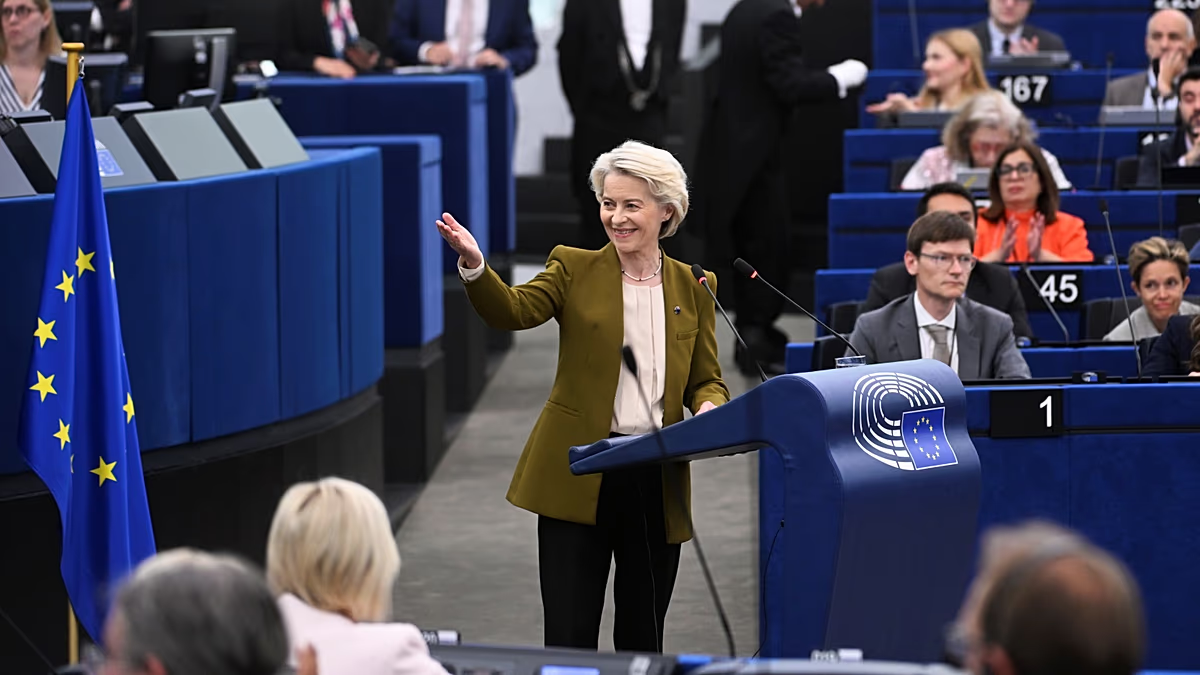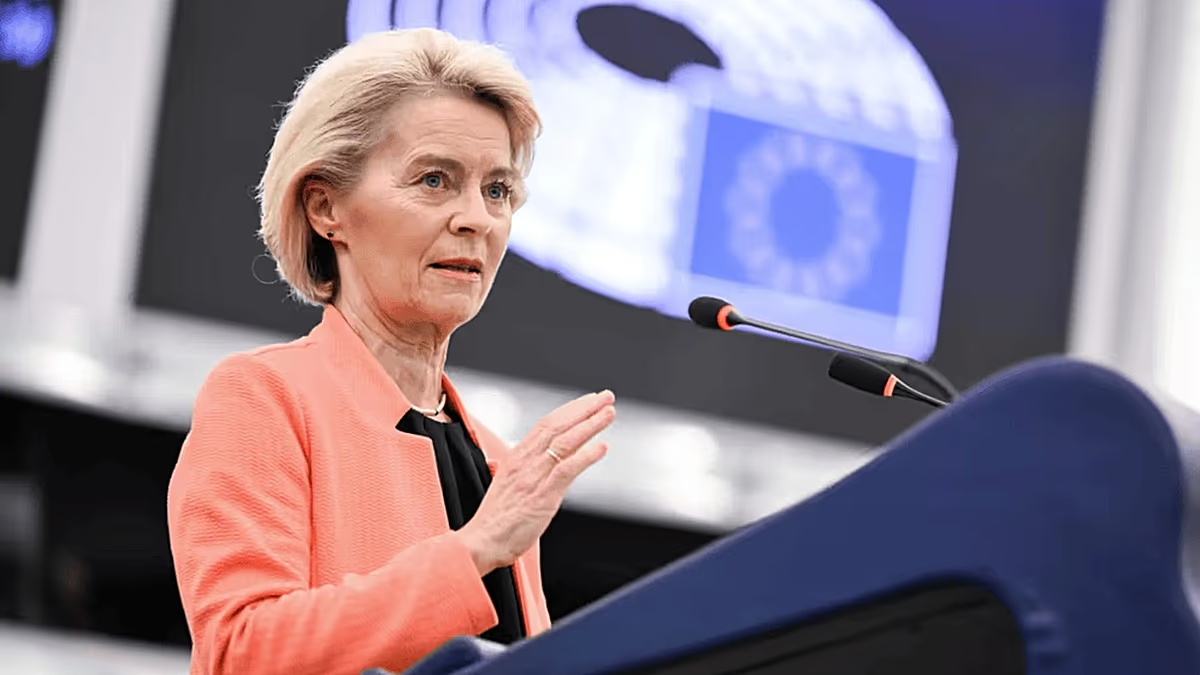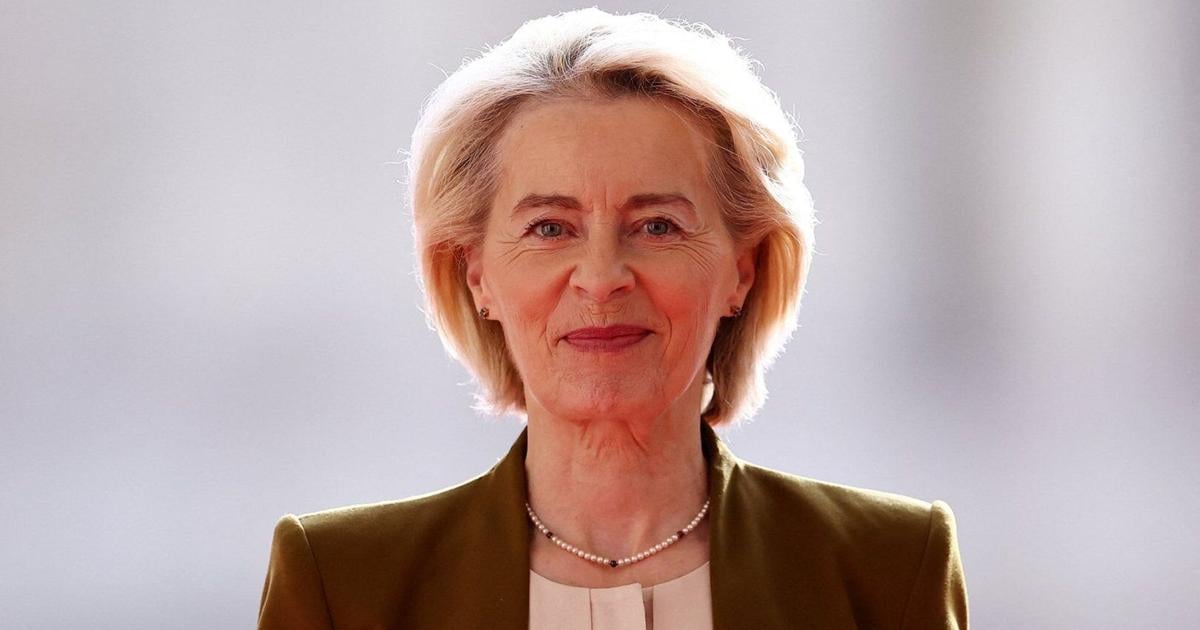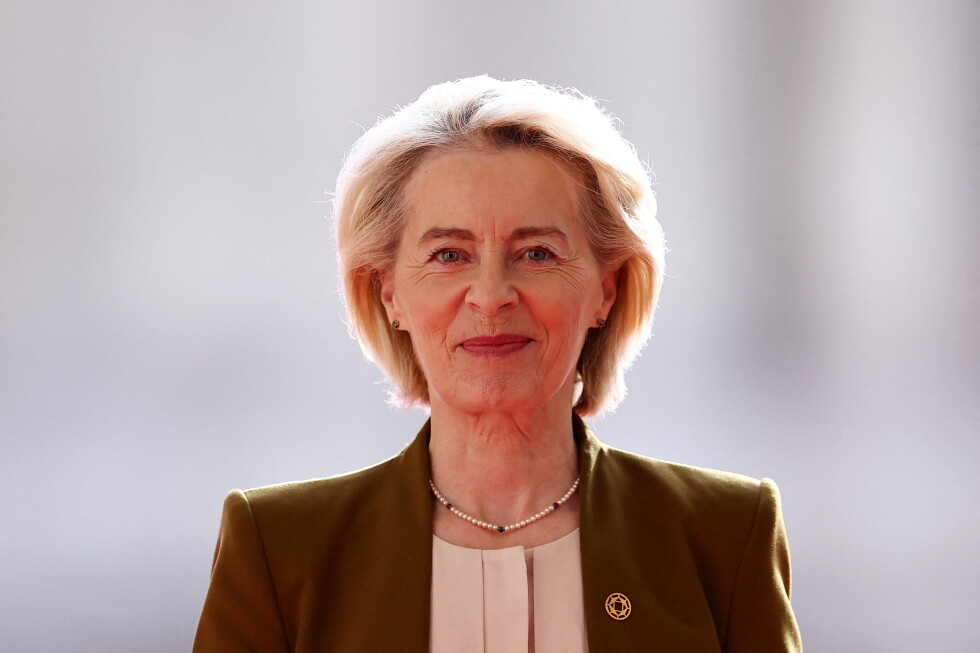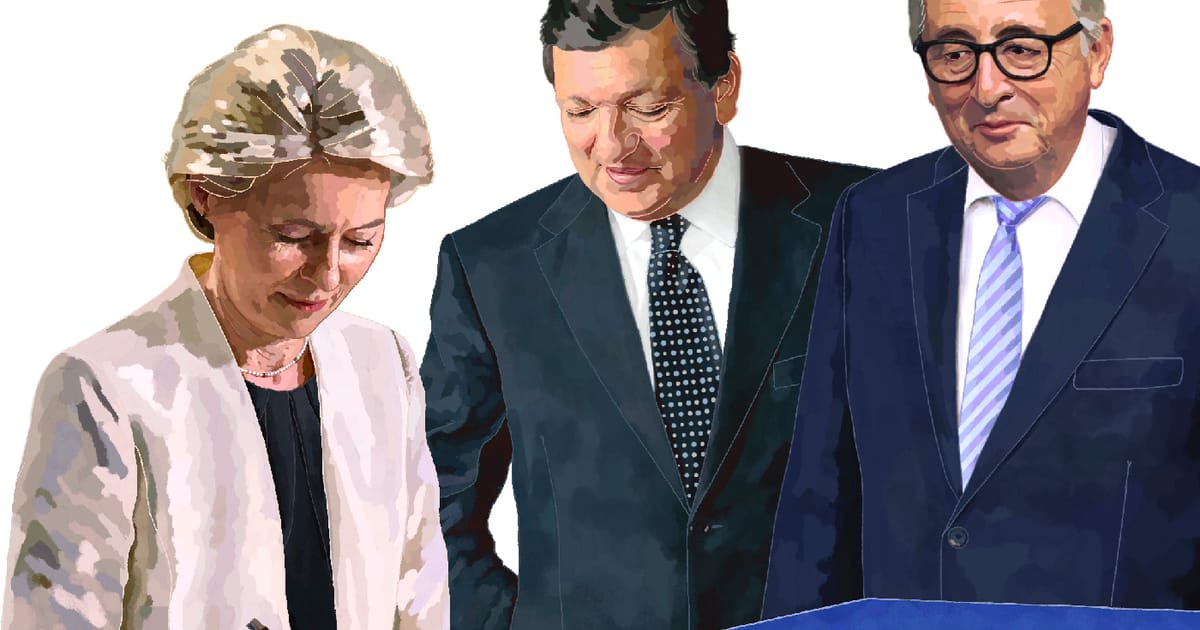
For the past six months, officials across Brussels have been feeding ideas, demands and policy pledges into Ursula von der Leyen’s State of the Union speech. Its contents, however, will remain a closely guarded secret until the European Commission president takes the podium on Wednesday.
The speech is the product of a sprawling process involving Commission departments, national officials, experts, lobbyists and interest groups. Yet the final decisions — what makes the cut, what is discarded and what becomes the central message — are made by a tiny circle around the president.
“There was a process where everybody would ask for something,” said Margaritis Schinas, a former Commission vice-president who helped prepare previous addresses. “But there was also a process where the president and the cabinet and ourselves were very clear on the few things to harvest that would make an impact.”
The challenge, he said, is to make everyone feel their concerns are being addressed while avoiding a “Christmas tree approach” of ornamental policy pledges with no clear overall direction.
Modeled on the U.S.’s own centuries-old tradition, the EU’s State of the Union was set up in 2010 as a rare chance for politicians and citizens to hear directly from the president of the executive. In the years since, the speech has become a watershed moment for the Commission to lay out its political agenda.