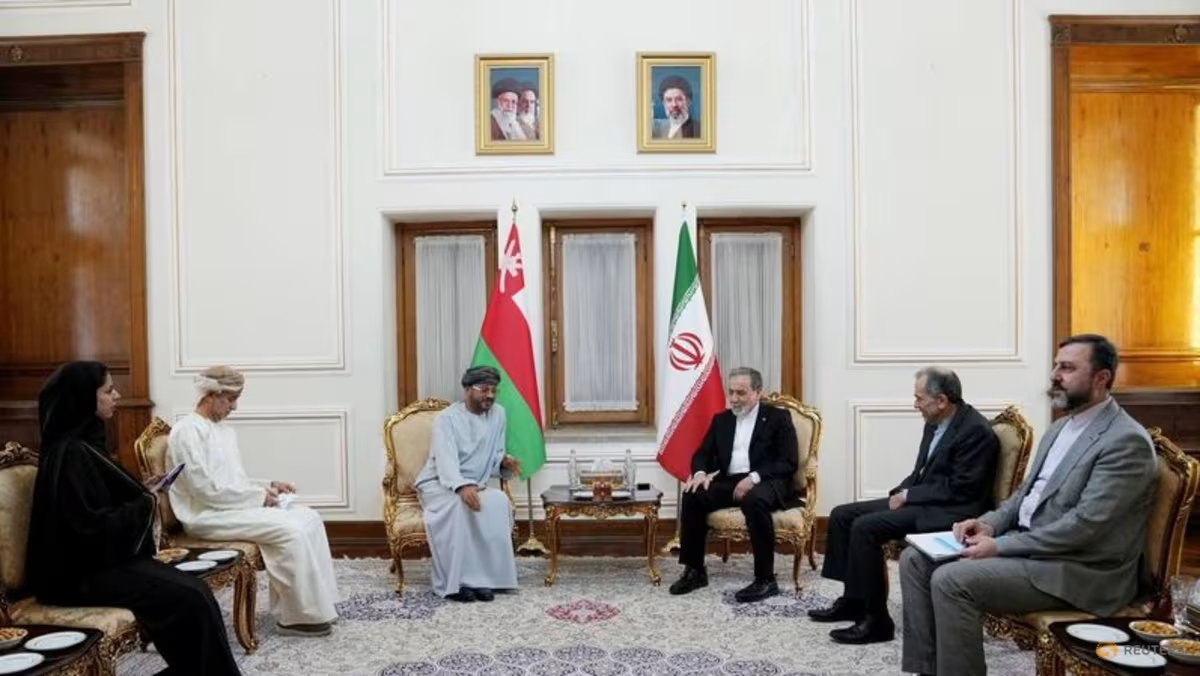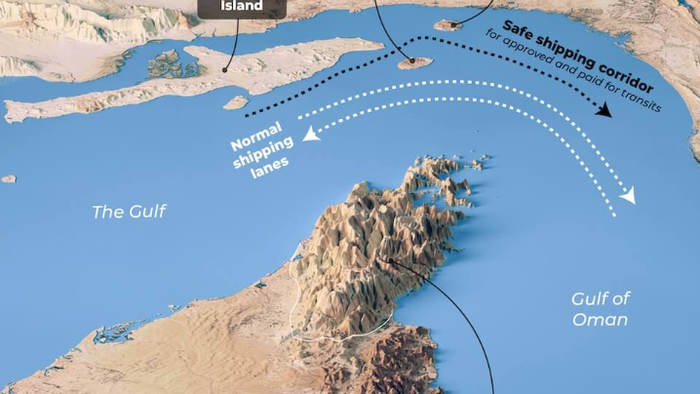
Summary:Monday's Hormuz Meeting With Iran and Gulf Nations "Postponed" UAE Meets With Iran Leaders As Tehran Teases Oman Shipping DealA planned meeting for Monday morning between several Gulf nations and Iran has been postponed. The meeting was supposed to hammer out a possible deal on a temporary shipping route through the Strait of Hormuz."In the interests of consensus, the regional meeting set for tomorrow in Salalah has been postponed. We remain committed to fostering dialogue that supports stability and lasting cooperation in our region," Omani Foreign Minister Badr Albusaidi wrote on X late Sunday.In the interests of consensus the regional meeting set for tomorrow in Salalah has been postponed. We remain committed to fostering dialogue that supports stability and lasting cooperation in our region 🇧🇭 🇮🇷 🇮🇶 🇰🇼 🇴🇲 🇶🇦 🇸🇦 🇦🇪
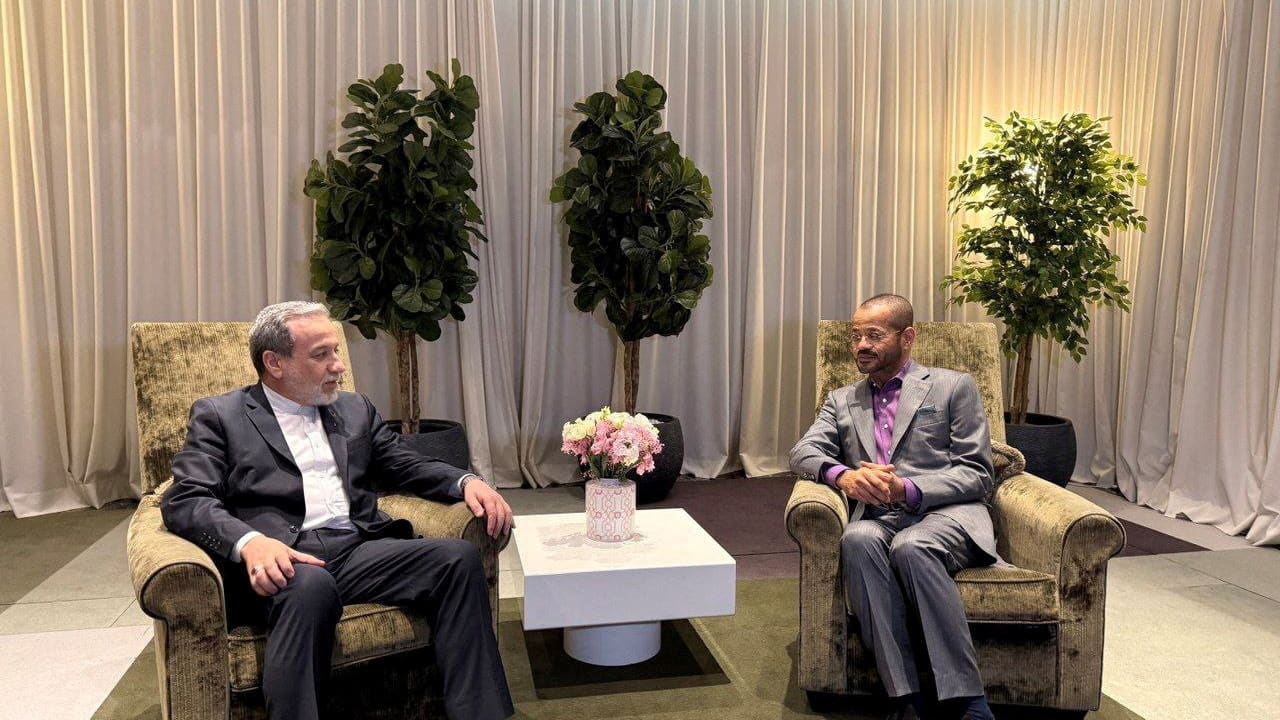
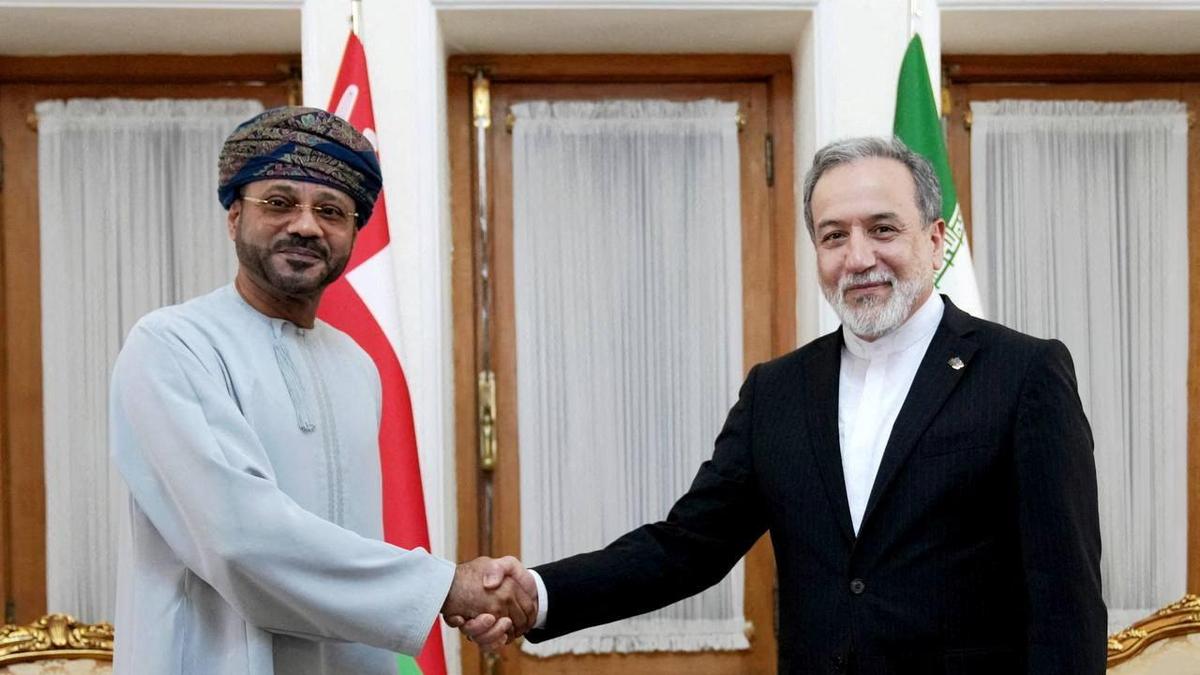
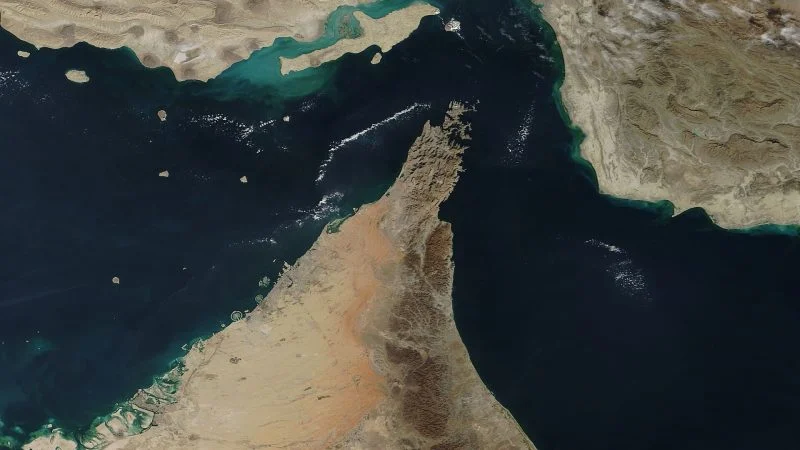
— Badr Albusaidi - بدر البوسعيدي (@badralbusaidi) September 13, 2026Even before the delay, the proposed Hormuz deal offered little relief: Iran said the arrangement would not fully reopen Hormuz and that it would retain control over which vessels could transit.Earlier this weekend, Abu Dhabi's crown prince, Sheikh Khaled bin Mohamed Al Nahyan, and Iranian President Masoud Pezeshkian discussed de-escalation plans at the BRICS summit in India.Ahead of the futures open in New York, here's a snapshot of markets via the blockchain-based trading platform Hyperliquid:UAE Meets With Iran Leaders As Tehran Teases Oman Shipping DealEncouraging diplomatic signals emerged from the Gulf area this weekend as Abu Dhabi's crown prince met Iran's president amid efforts to secure a deal allowing more vessel transits through the highly contested Strait of Hormuz. However, the hopeful signs of de-escalation were overshadowed by days of mounting threats to alternative export routes, with Iran-backed Houthis capturing a strategic island inside another maritime chokepoint in the southern Red Sea and drone attacks shutting Saudi Arabia's East-West pipeline.Bloomberg cites the UAE's state-run WAM news agency, which reported Sunday that Sheik Khaled bin Mohamed Al Nahyan and President Masoud Pezeshkian discussed de-escalation plans on the sidelines of the BRICS summit in India. The meeting comes as Oman seeks broader de-escalation by bringing Iran and Gulf Cooperation Council members together to discuss shipping access to the Hormuz chokepoint.Pezeshkian has called for "balanced and rational" stances throughout the six-month conflict, Anwar Gargash, senior diplomatic adviser to the president of the United Arab Emirates, stated on X.A separate Bloomberg report earlier Sunday cited Iranian lawmaker and secretary of Parliament's National Security and Foreign Policy Commission Behnam Saeedi, who said on state television that Iran and Oman will soon announce an understanding on shipping transits through the Hormuz chokepoint.Saeedi said the deal to reopen the strait with a temporary route "won't amount to the reopening of the Strait." A full reopening remains contingent on several conditions, including an end to the US naval blockade against Iran.A full reopening of the strait, which would mean the US giving up its stranglehold on Iran through economic sanctions and the naval blockade, remains highly unlikely in the near term, as US planners continue at full tilt on a pressure campaign to topple the regime in Tehran. But a full reopening might not need to occur because Vitol CEO Russell Hardy stated last week that 10 million barrels a day are still transiting Hormuz, while Goldman commodities strategist Yulia Zhestkova Grigsby recently said that figure could be much higher, between 15 million and 16 million barrels a day.This only suggests that Tehran has lost part of its leverage over Hormuz and likely explains why Tehran had to accelerate its Houthi rebels' efforts to gain more control over the Bab el-Mandeb Strait in the southern Red Sea and launch attacks on Saudi Arabia's East-West pipeline.Simultaneous disruption of the Bab el-Mandeb Strait and the Strait of Hormuz creates a two-sided squeeze for the West and Gulf producer allies: less energy can leave the Gulf, while tankers that can move face longer, more expensive journeys. It also threatens Saudi Arabia's Red Sea terminal.Polymarket:The US pursuit of toppling Tehran through economic warfare may only ramp up after the Trump-Xi summit later this month, and Kharg Island may become a target after the midterm elections.