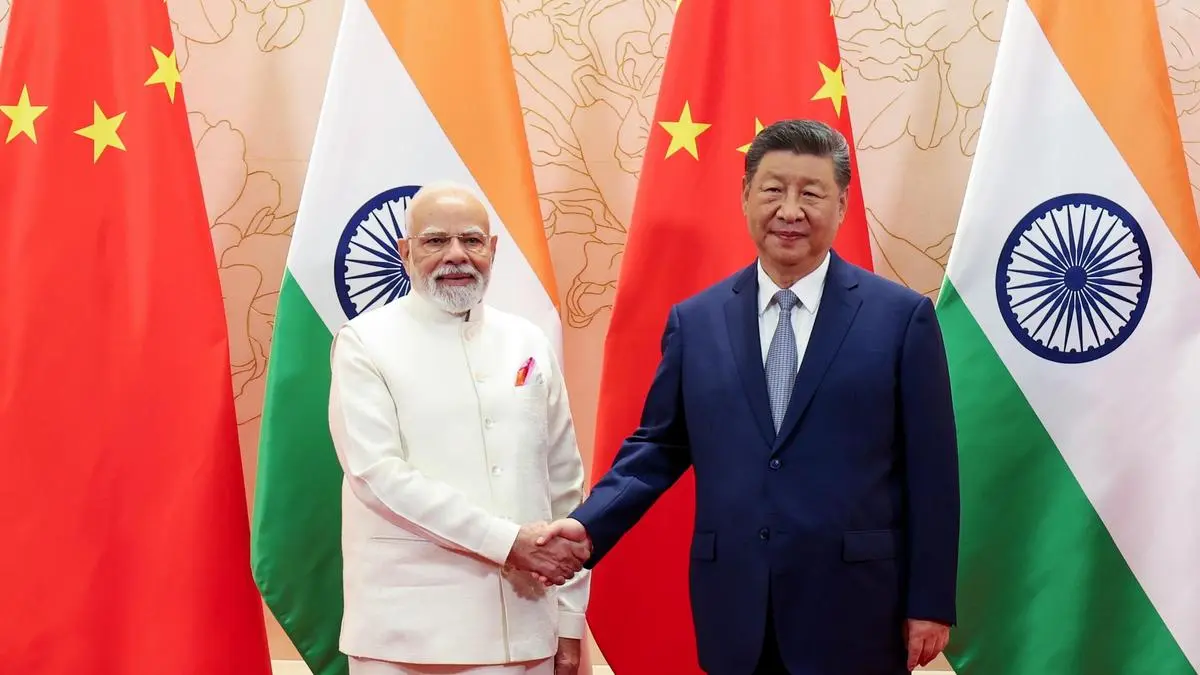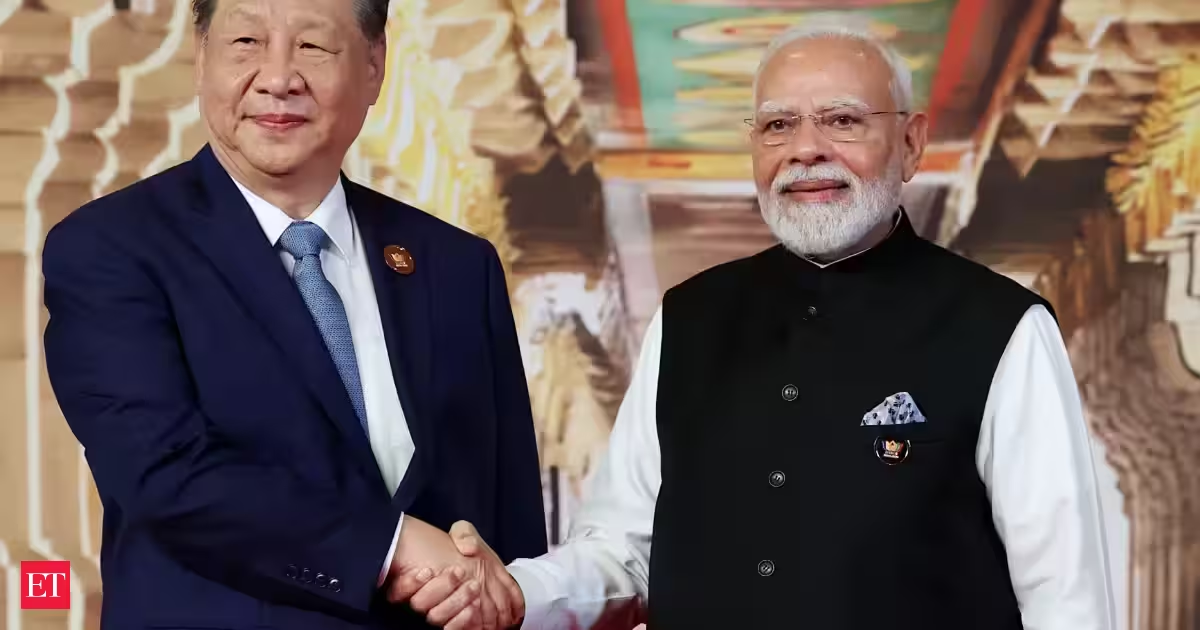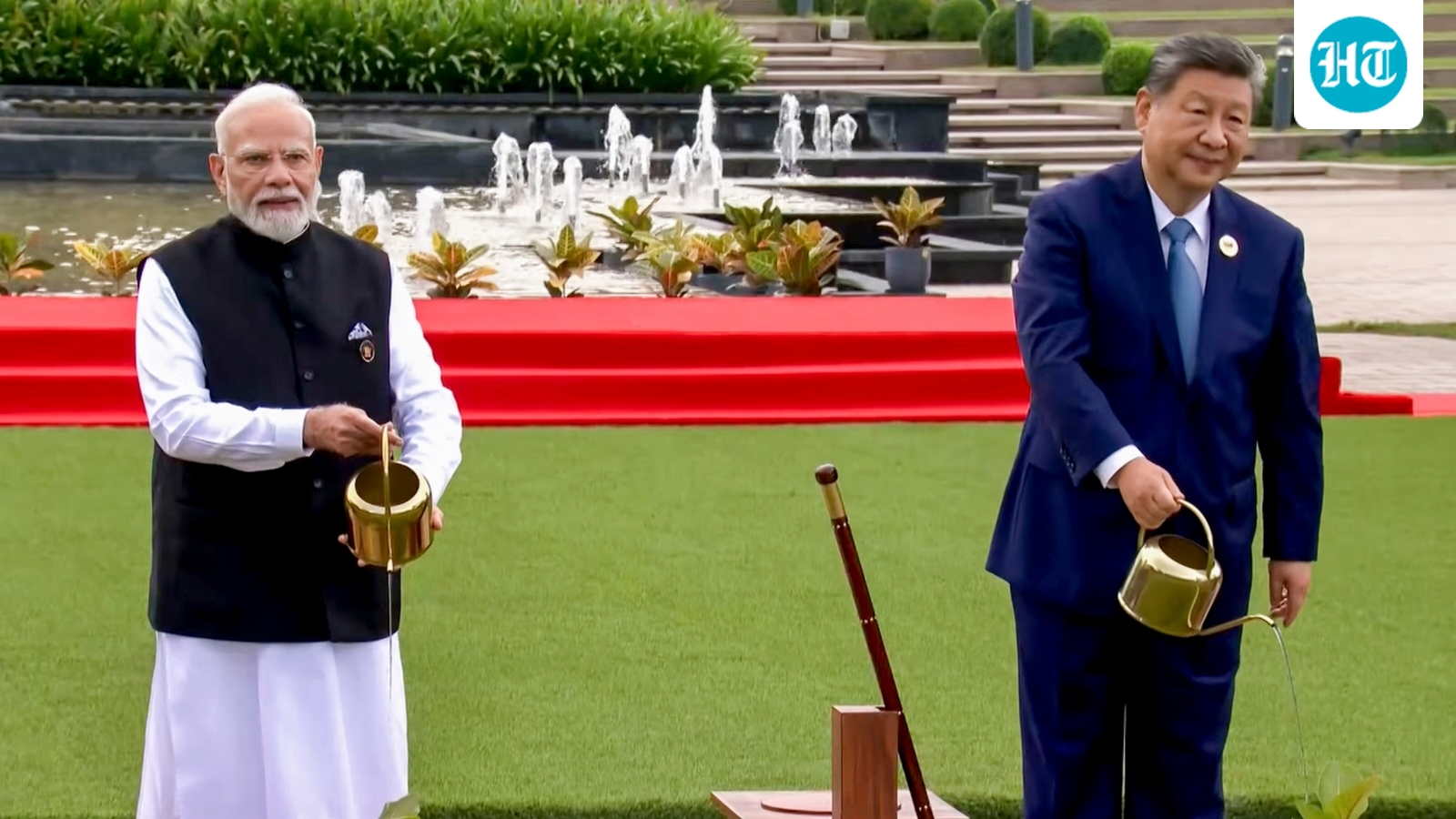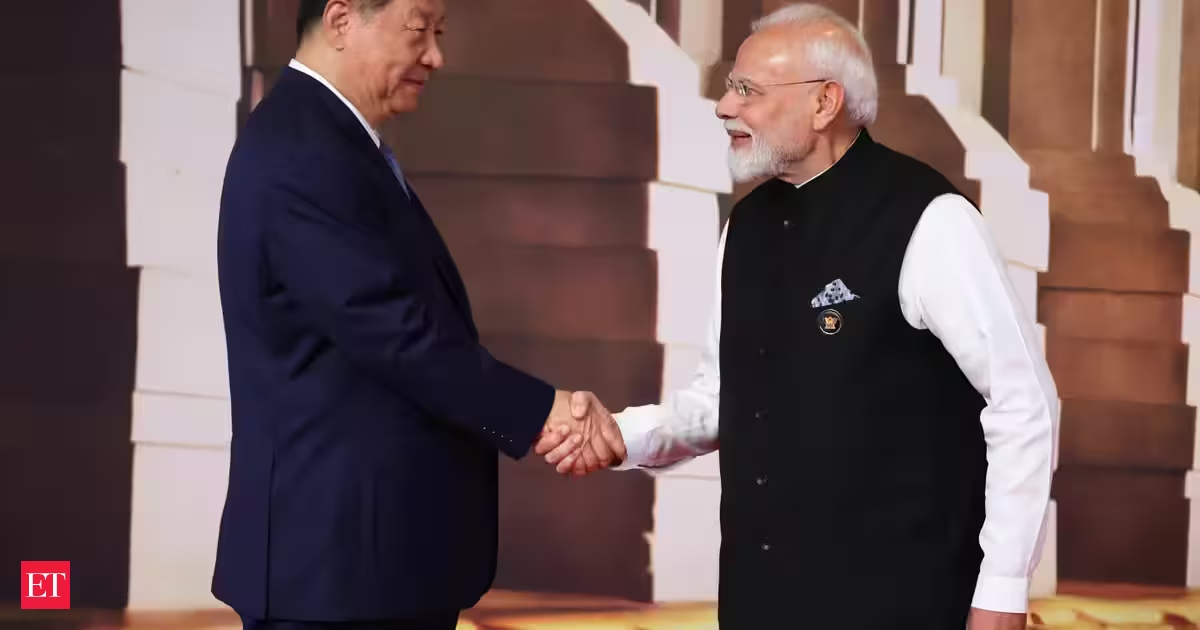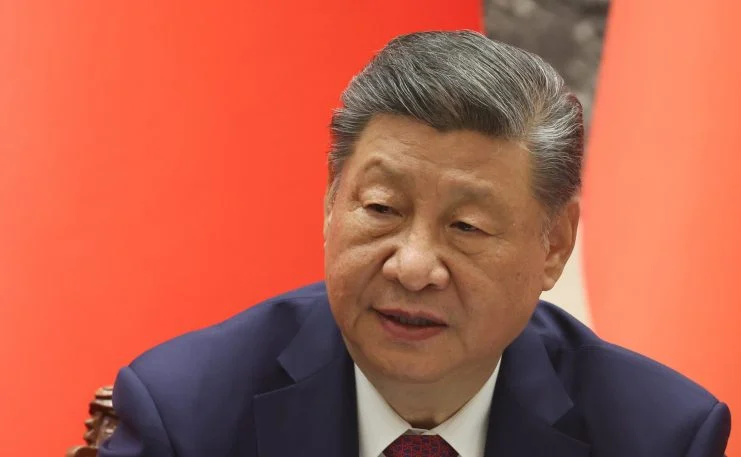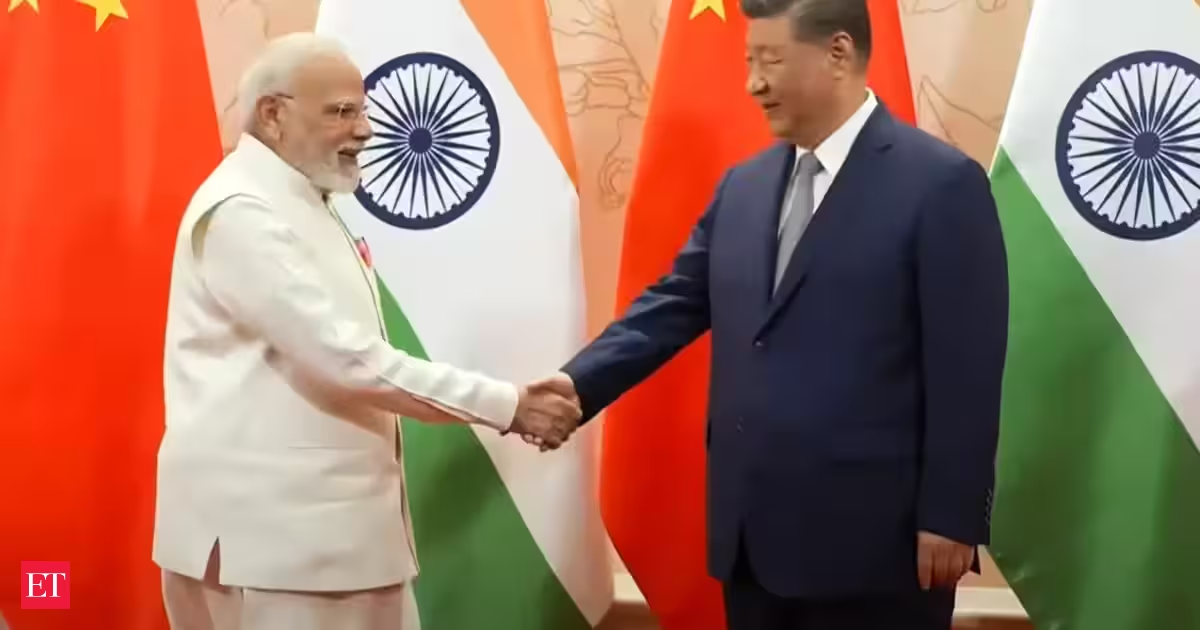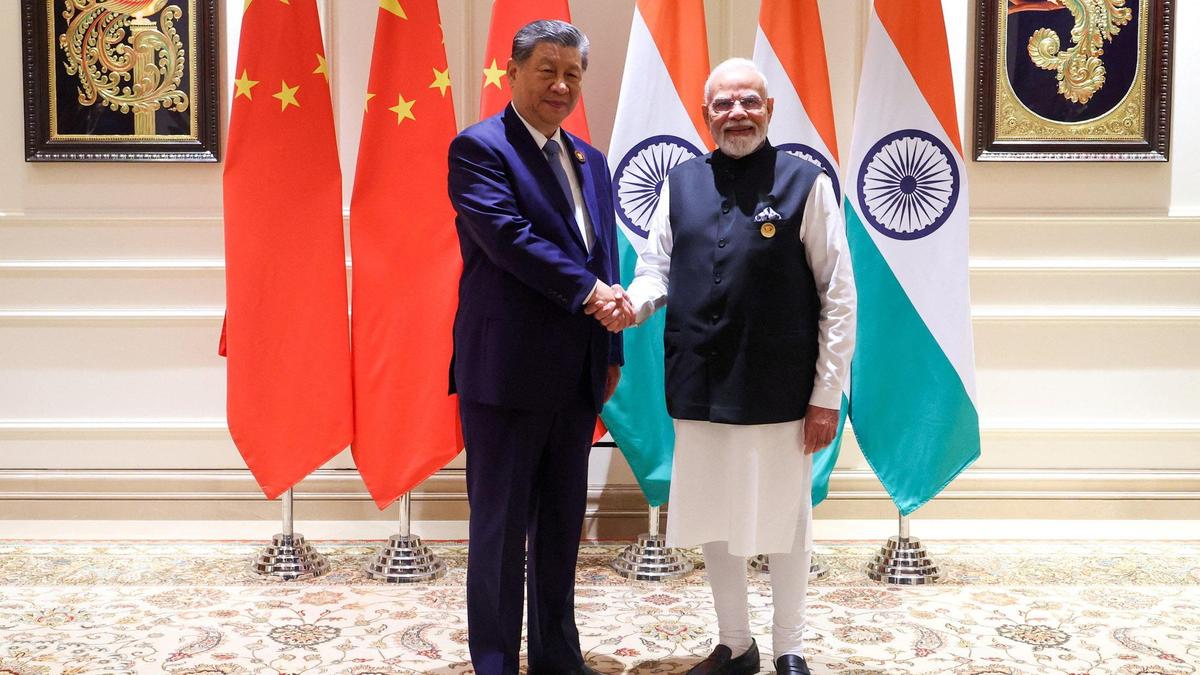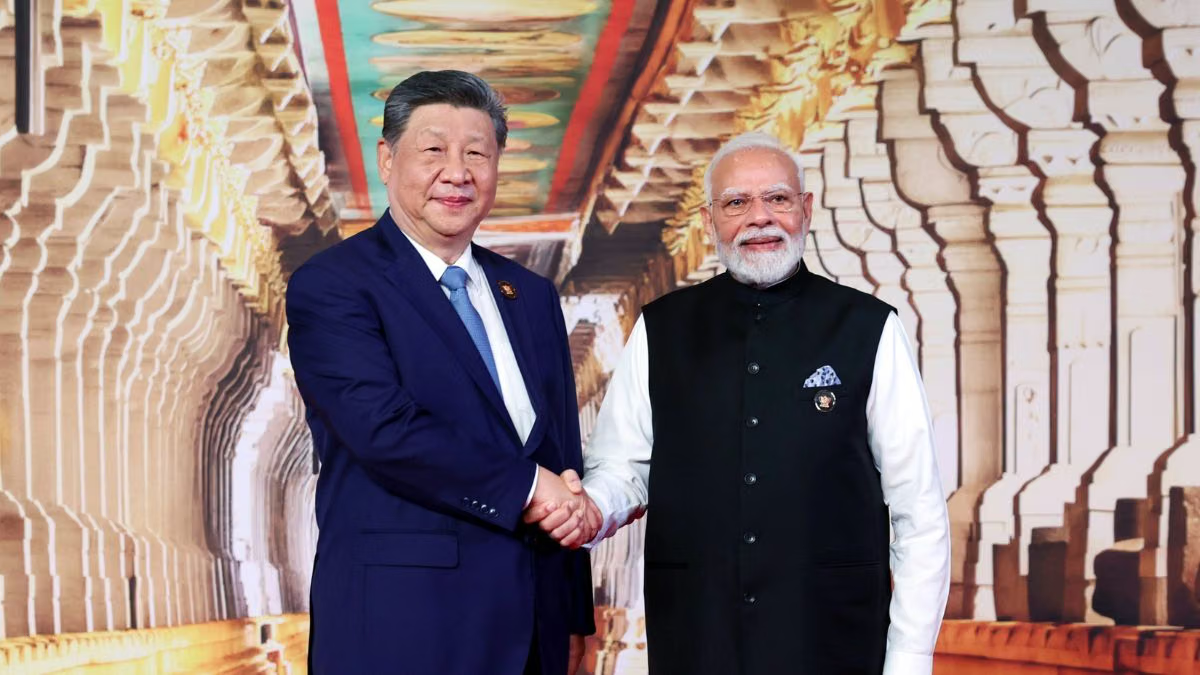
Chinese President Xi Jinping visited India after seven years, marking his first bilateral meeting with Prime Minister Narendra Modi on Indian soil since Mamallapuram in 2019. The Xi-Modi bilateral talk lasted about 45 minutes and covered the standard issues of the border, trade, and regional and global affairs. Xi’s presence in New Delhi became a hotly discussed topic across Chinese internet platforms, with much of the discussion suggesting that China and India are warming up to each other.
Warming of ties?
A commentary on Baijiahao noted that even with conflict and competition, communication never stopped between the two countries. This, it said, is the clearest signal from the China-India meeting and the basis for maintaining stable relations between the two major Asian powers.Xie Chao, associate research fellow at Fudan University’s Center for South Asian Studies, pointed out that the easing of tensions is evident in the last two years. Following Modi’s re-election in 2024, he said, India began showing signs of substantially fixing ties with China, alongside greater introspection on the costs of its confrontational policies toward Beijing.
Much of the Chinese coverage has focused on cooperation in multilateral settings. Zhang Shuai, deputy director of the Center for Indian Studies at Lanzhou University and associate professor at the Belt and Road Research Center, contends that China and India see multilateral cooperation as an important tool for stabilising bilateral relations. Similarly, Victor Gao, Chair Professor at Soochow University and deputy director of the Center for China and Globalization, views the BRICS summit as an opportunity for China and India to exchange views, reach greater consensus on international issues and even discuss the territorial dispute. But the Chinese views are also skeptical about how far the improvement in ties can go.A new normal and its limits