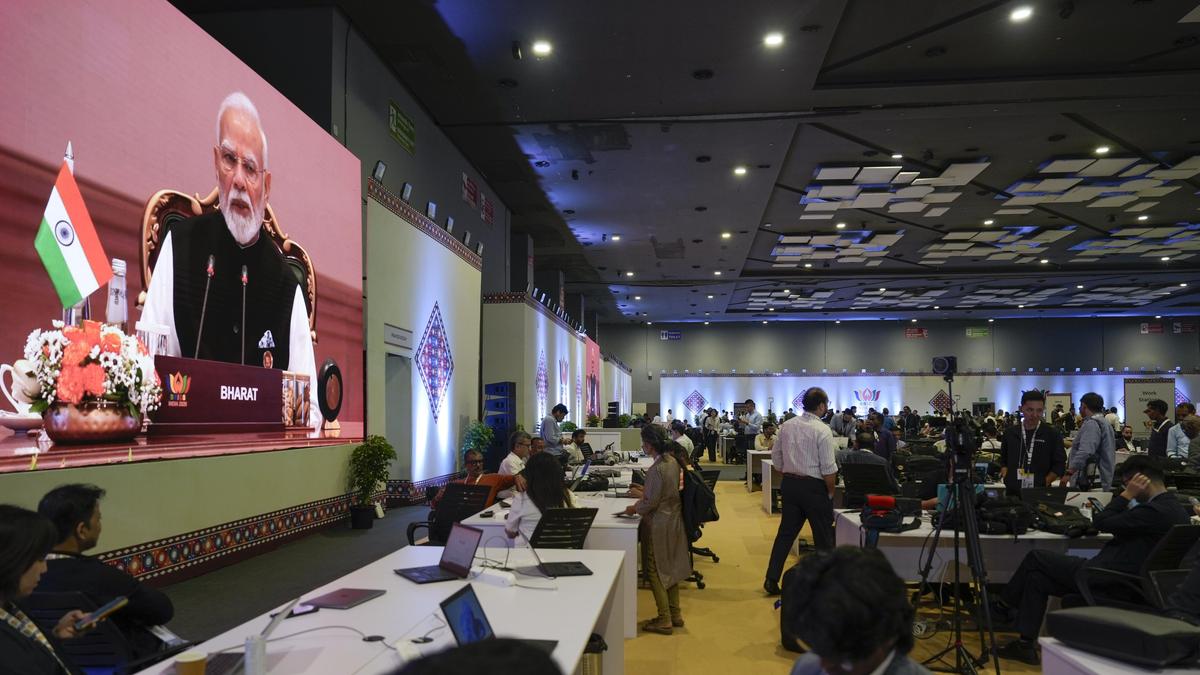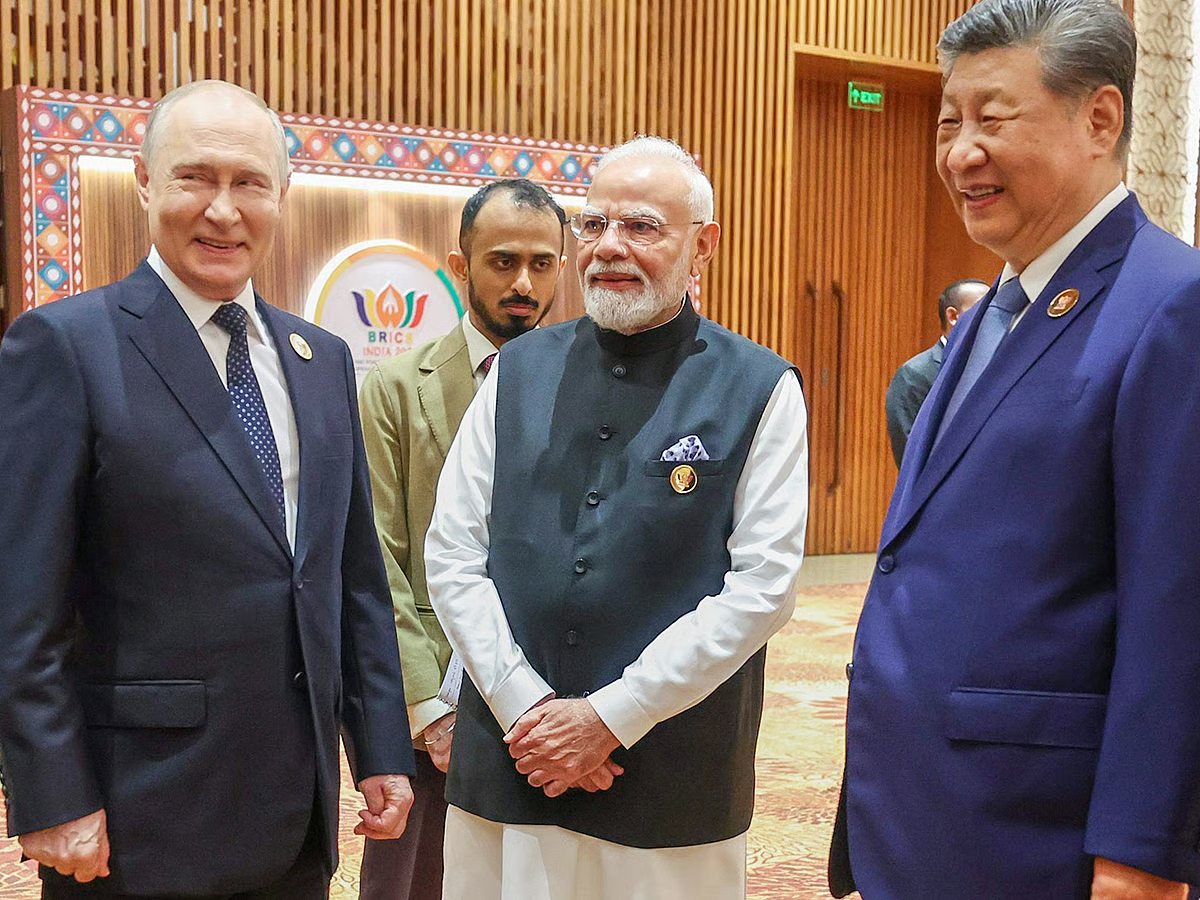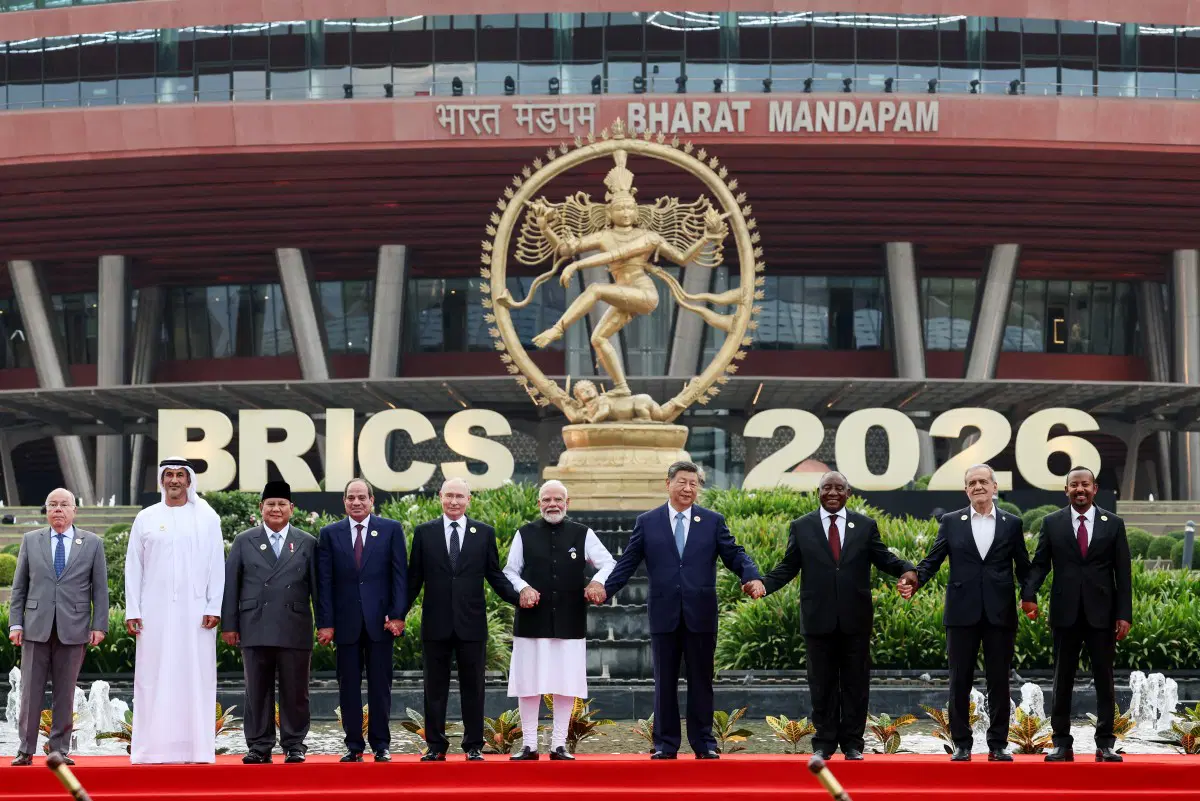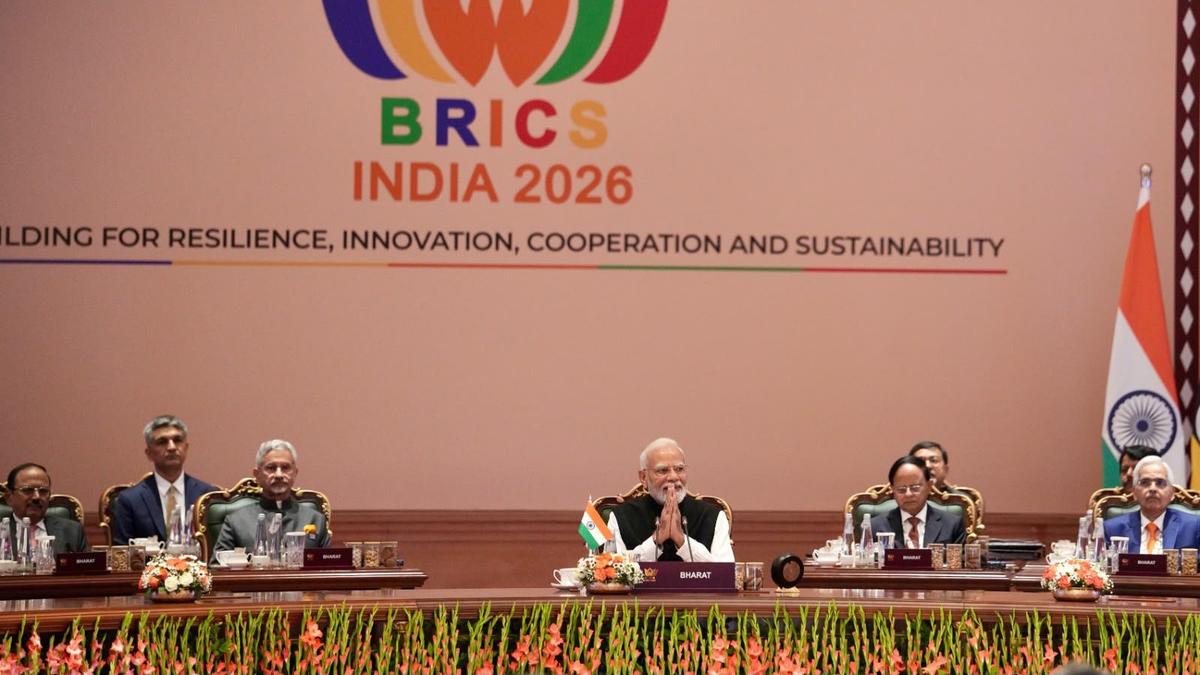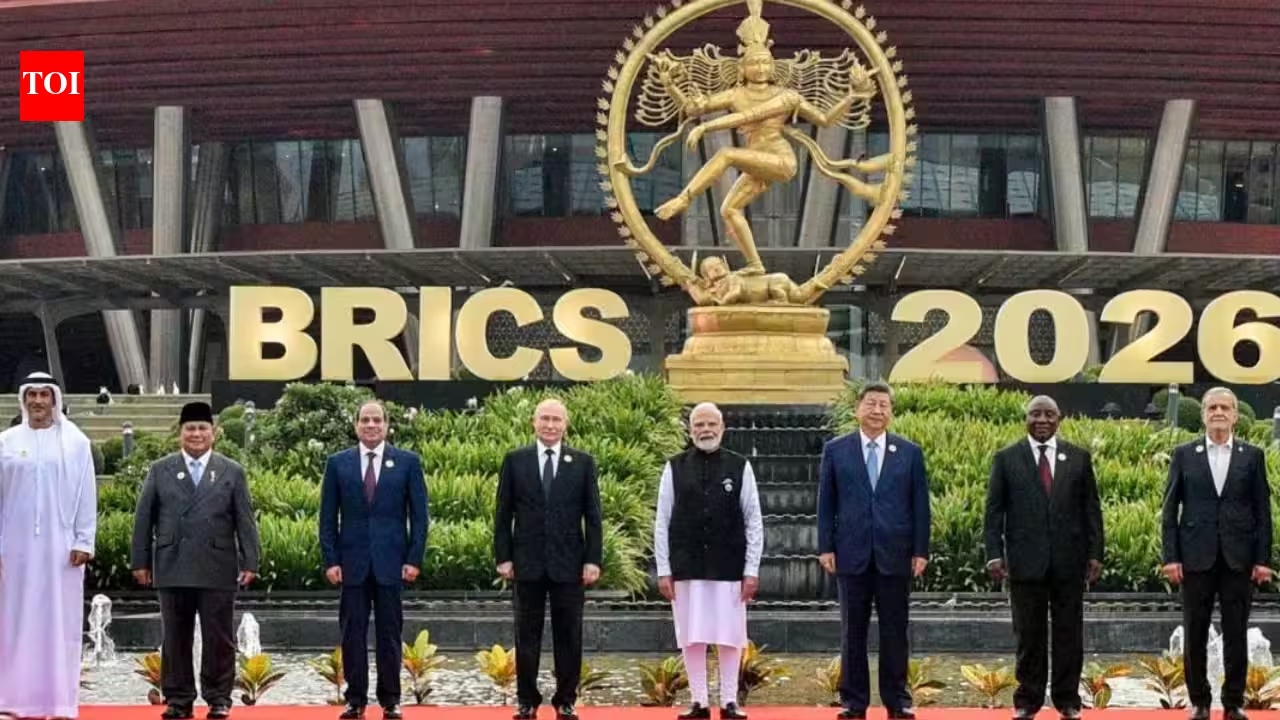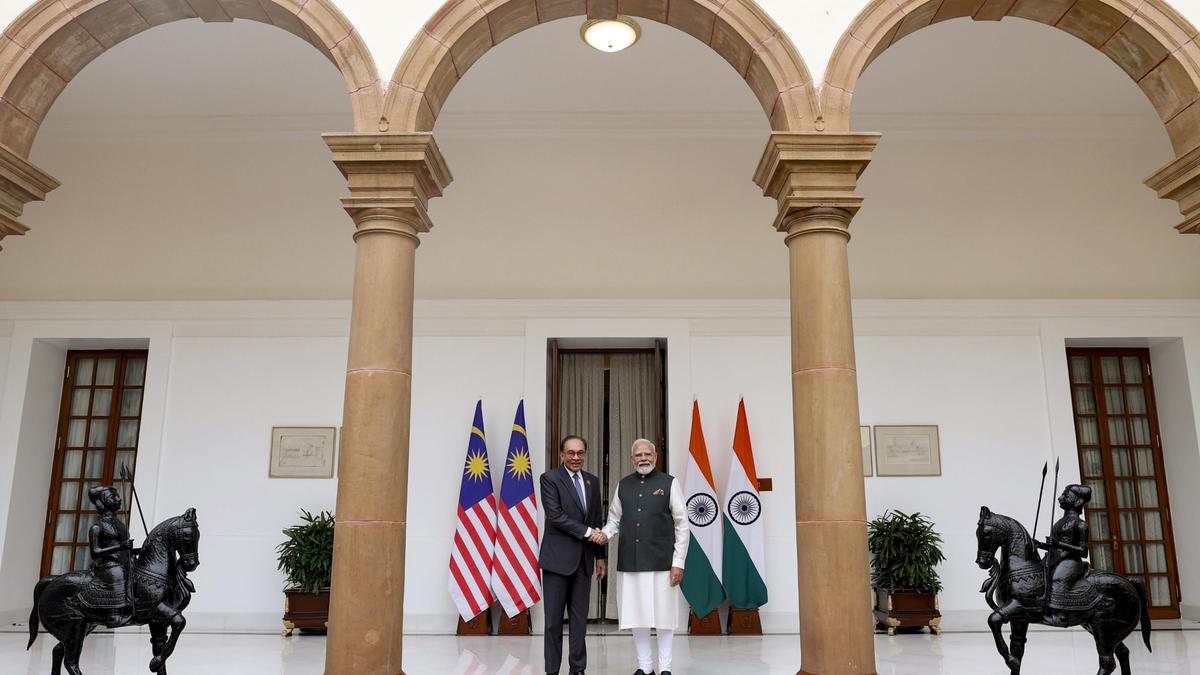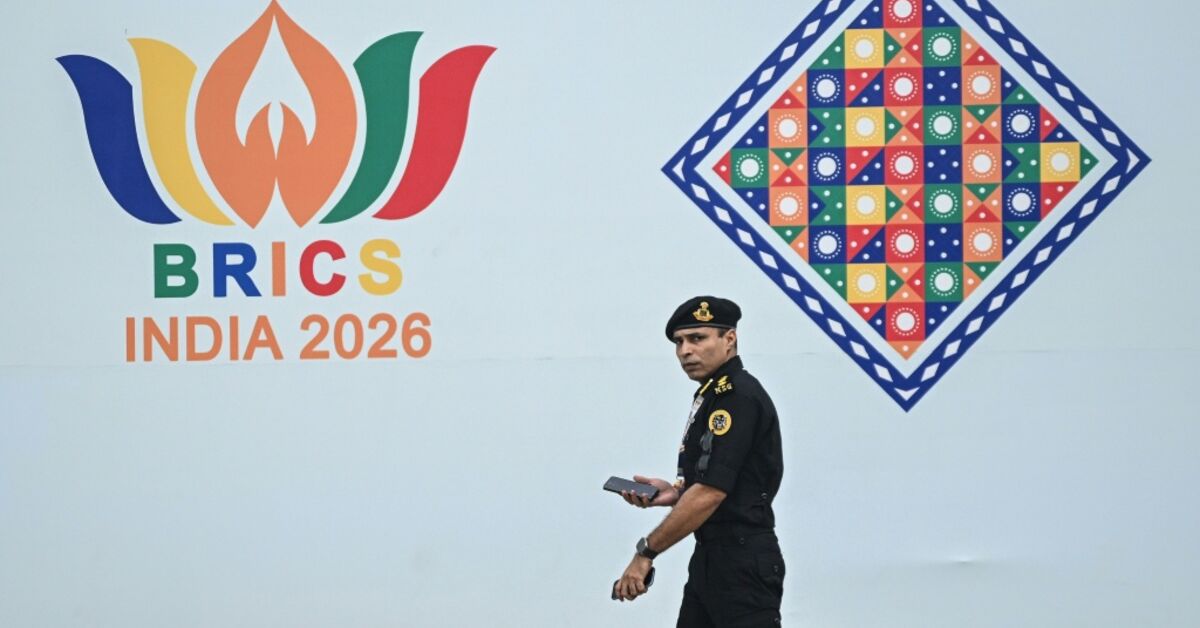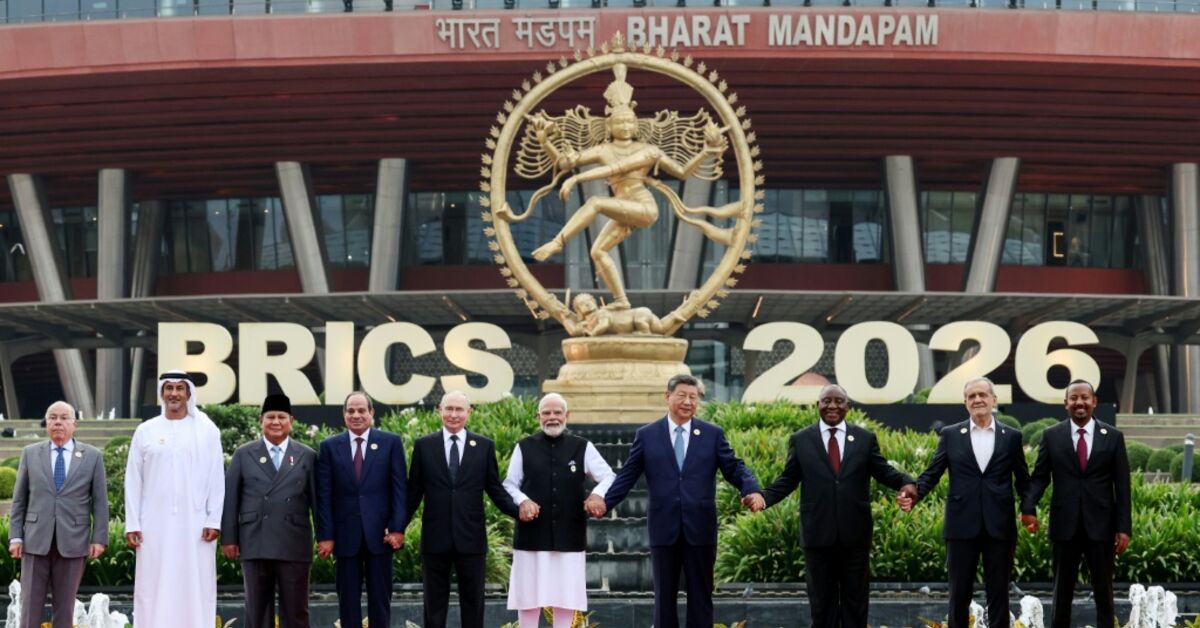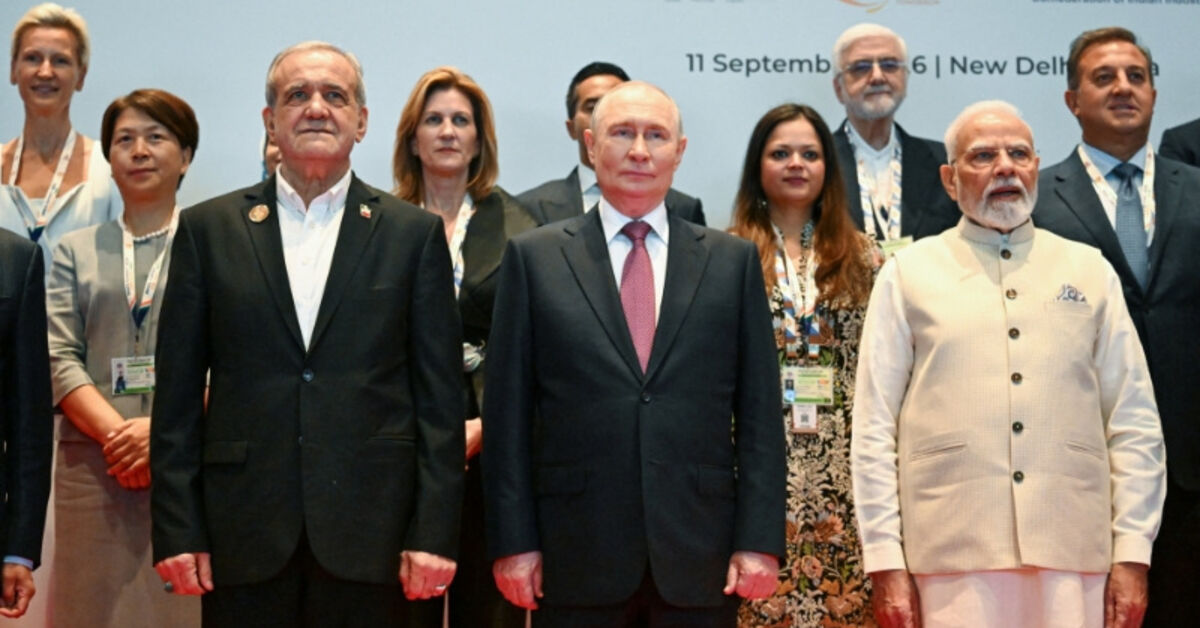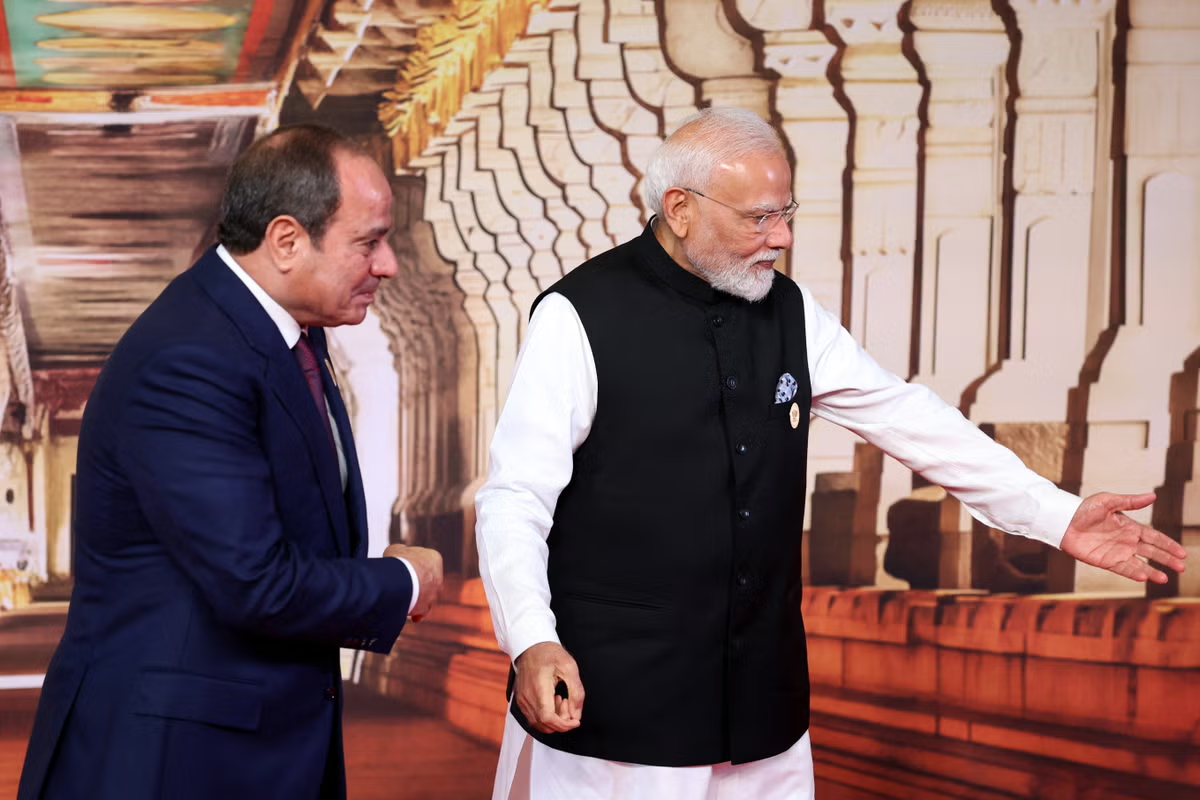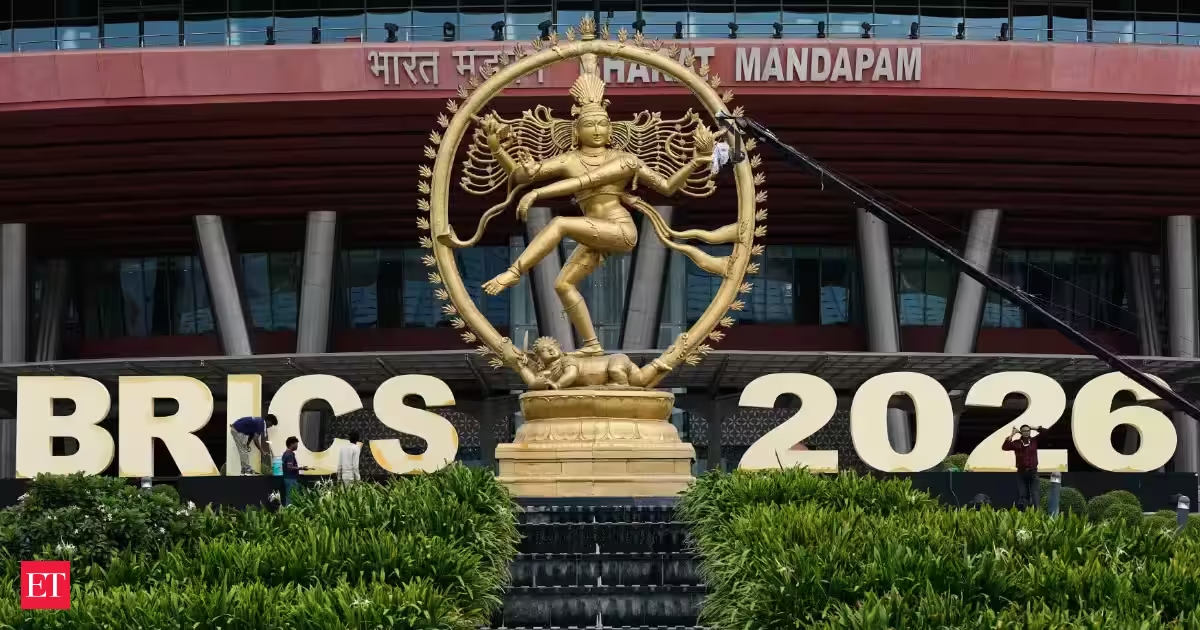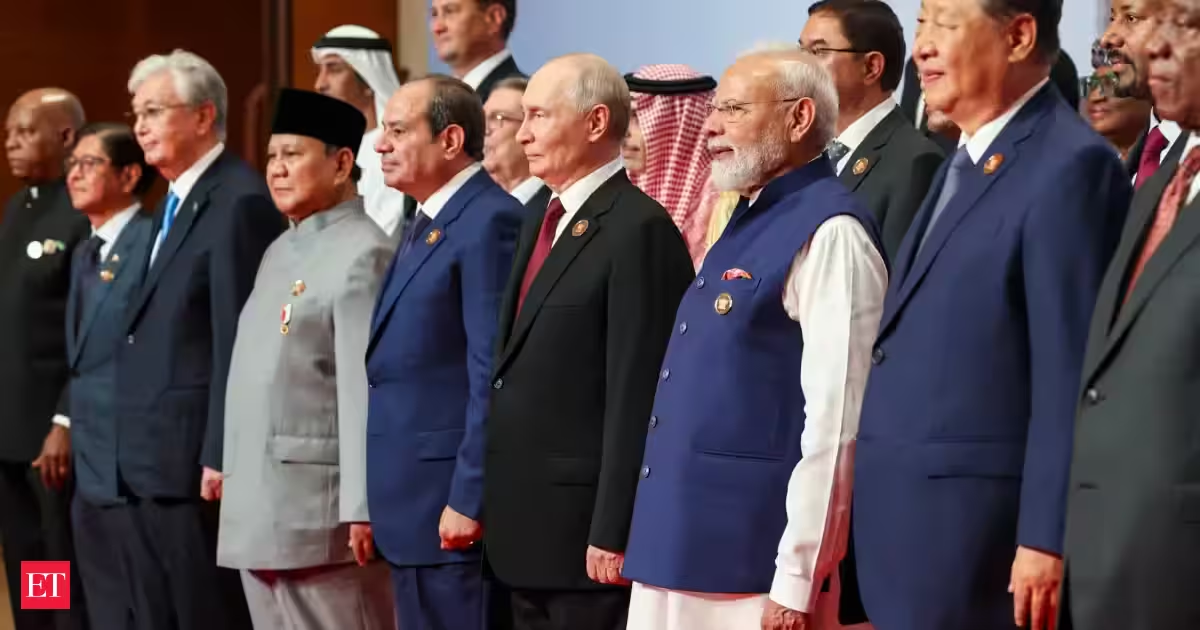
Prime Minister Narendra Modi successfully navigated sharp divisions within BRICS, guiding member nations toward a unified joint statement on the escalating Middle East conflict.At the two-day summit that began in New Delhi on Saturday, the 10 full members and Saudi Arabia stopped short of naming countries, but called for “maximum restraint” and for the avoidance of actions that “could further aggravate the situation.”The declaration also raised “serious concern over deliberate attacks” on civilian infrastructure and nuclear facilities.Read all BRICS-related stories hereBack-and-forth negotiationsThe negotiations saw differences on several contentious issues, but India led sustained consultations, which went on till 4 am, to bridge competing positions and build consensus among members.The breakthrough assumes particular significance given that Iran, Saudi Arabia and the UAE are all part of the same forum, despite deep differences and competing positions on several regional and geopolitical issues, sources told PTI.ALSO READ | BRICS 2026: PM Modi wants bloc to look beyond its borders and serve the wider Global SouthAgainst the backdrop of ongoing conflicts and heightened tensions in West Asia, reaching a consensus among countries such as Iran, Saudi Arabia and the UAE presented a particularly complex diplomatic challenge.India's diplomatic prowess ensured that these differences did not derail the BRICS process, paving the way for the consensus joint statement, the sources said.The expanded BRICS bloc brings together countries with vastly different economic and strategic interests. Chinese President Xi Jinping — in his first visit to the country in seven years — stood alongside Russia’s Vladimir Putin, Iran’s Masoud Pezeshkian and others.ALSO READ | Modi, Xi meet in Delhi, call for stable ties as India-China thaw gathers paceIran’s leader made defiant comments during the gathering and said the people of his country won’t surrender.“They want to bully us, and we do not want to be bullied,” he said of the US in a speech on Friday. “We never kneel down before them. If they push us, we push back.”Fighting has intensified in the Persian Gulf in recent days, with Saudi Arabia forced to close a key pipeline following multiple attacks. US forces have conducted strikes on Iranian tankers. Oil prices surged close to $110 in response, while Asian equities and bonds have slumped.A ‘win’ for PM ModiA joint declaration by the BRICS nations marks a show of unity by the bloc and a win for Modi, who is seeking to balance ties with Iran on the one side and the UAE, the US and Israel on the other, as per Bloomberg.In May, negotiations between BRICS foreign ministers over a joint statement deadlocked following tensions between Iran and the UAE. In the run-up to the leaders’ meeting this weekend, differences persisted over language on the Middle East war, but the gaps narrowed following constructive discussions.“New Delhi finds great utility in BRICS to project its strategic autonomy,” said Praveen Donthi, a senior analyst at the International Crisis Group.“It was able to put that into practice, to work behind the scenes and succeeded in bringing out a joint statement when there was little hope. It shows that New Delhi was able to work closely with Beijing and Moscow who are equally invested in the success of this non-West grouping.”The gathering has given Modi an opportunity to strengthen India’s standing among Global South countries while showcasing New Delhi’s ability to maintain ties with countries across ideological divides, a role that has become more important as relations with the US have come under strain during President Donald Trump’s trade war.Thaw in India-China tiesMeanwhile, PM Modi and Xi Jinping pledged to build up business and transport links, the central government said, as both rebuild ties badly damaged by the 2020 military clash on the Himalayan border.Both the leaders met on the sidelines of a summit of the BRICS group of emerging nations in New Delhi — Xi's first trip to India in seven years.“China has always seen and developed China-India ties from a strategic and long-term perspective,” Xi said. “Faced with a turbulent international landscape, China and India — as the world’s two most populous countries and key members of the Global South — bear significant responsibilities.”A dig at tariffsOn Saturday, the BRICS nations took aim at Trump’s tariff war, without naming the US or its leader. The joint statement expressed “serious concerns” about rising unilateral tariffs and non-tariff measures, and warned that protectionism was disrupting supply chains and causing economic instability.The bloc also condemned the imposition of unilateral and secondary sanctions, a pointed reference to US and Western financial and other restrictions on Iran and Russia, and the threat of penalties on countries like China and India for buying Russian and Iranian oil, as per Bloomberg.“There is obvious frustration with Trumpism and the many manifestations of that — unilateralism, the snubbing of the multilateral institutional order, the tariff assault, the neglect of rules,” Ashok Malik, partner and chair of the India practice at the Asia Group told Bloomberg.In line with previous statements, the group pledged greater trade in local currencies, closer cross-border payment links and called for reforms to institutions such as the International Monetary Fund and the World Bank to give developing economies a greater voice.“Today, the Global South stands in the front row of global crises but in the back row of decision-making,” Modi said in his opening remarks to BRICS leaders on Saturday. “We must transform this ‘pyramid of privilege’ into a ‘platform of partnership’ — one where every nation has a voice, every member has a stake, and the development of humanity lies at the heart of every endeavor.”(With inputs from agencies)
BRICS 2026: India cracks the code in a divided room with 4 AM talks & diplomatic heavy lifting
Prime Minister Narendra Modi helped broker a unanimous BRICS statement on the Middle East conflict despite sharp differences among members including Iran, Saudi Arabia and the UAE. After negotiations lasting into the early morning, the bloc called for maximum restraint and expressed concern over attacks on civilian and nuclear infrastructure.
923 words~4 min read