Jonathan Morrison
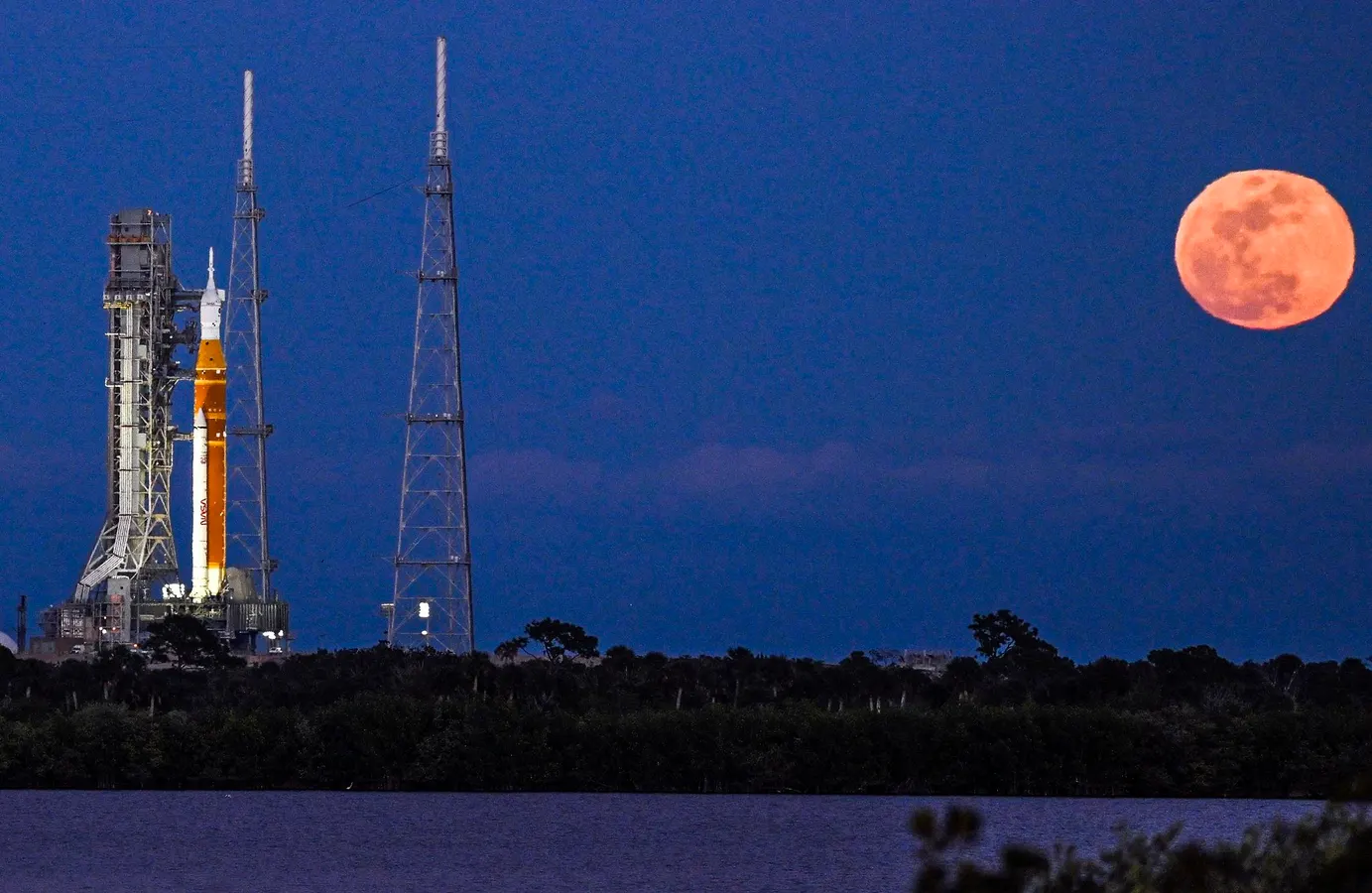
Space is back in the news. Whether it’s Donald Trump unveiling Space Force uniforms inspired by Starship Troopers, the SpaceX flotation that made Elon Musk the world’s first trillionaire (for a whole 12 days), or NASA’s Artemis II, which carried four astronauts around the Moon in April – the final frontier suddenly feels fashionable once more. Not that jackboots ever really went out of fashion.
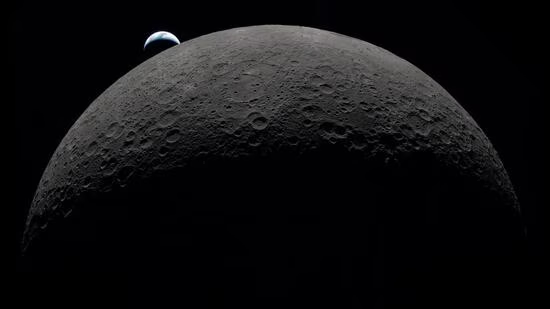
The next few years will see even bigger milestones in mankind’s journey towards the stars: Artemis IV will land astronauts at the Moon’s south pole in 2028, for the first time since 1972; China plans to follow suit before 2030; new privately owned space stations such as Vast’s Haven-2 and Axiom are due to start replacing the ageing International Space Station at about the same time. Both the Chinese and the Americans plan to start tentatively building semi-permanent bases on our nearest celestial neighbour in the next few years.
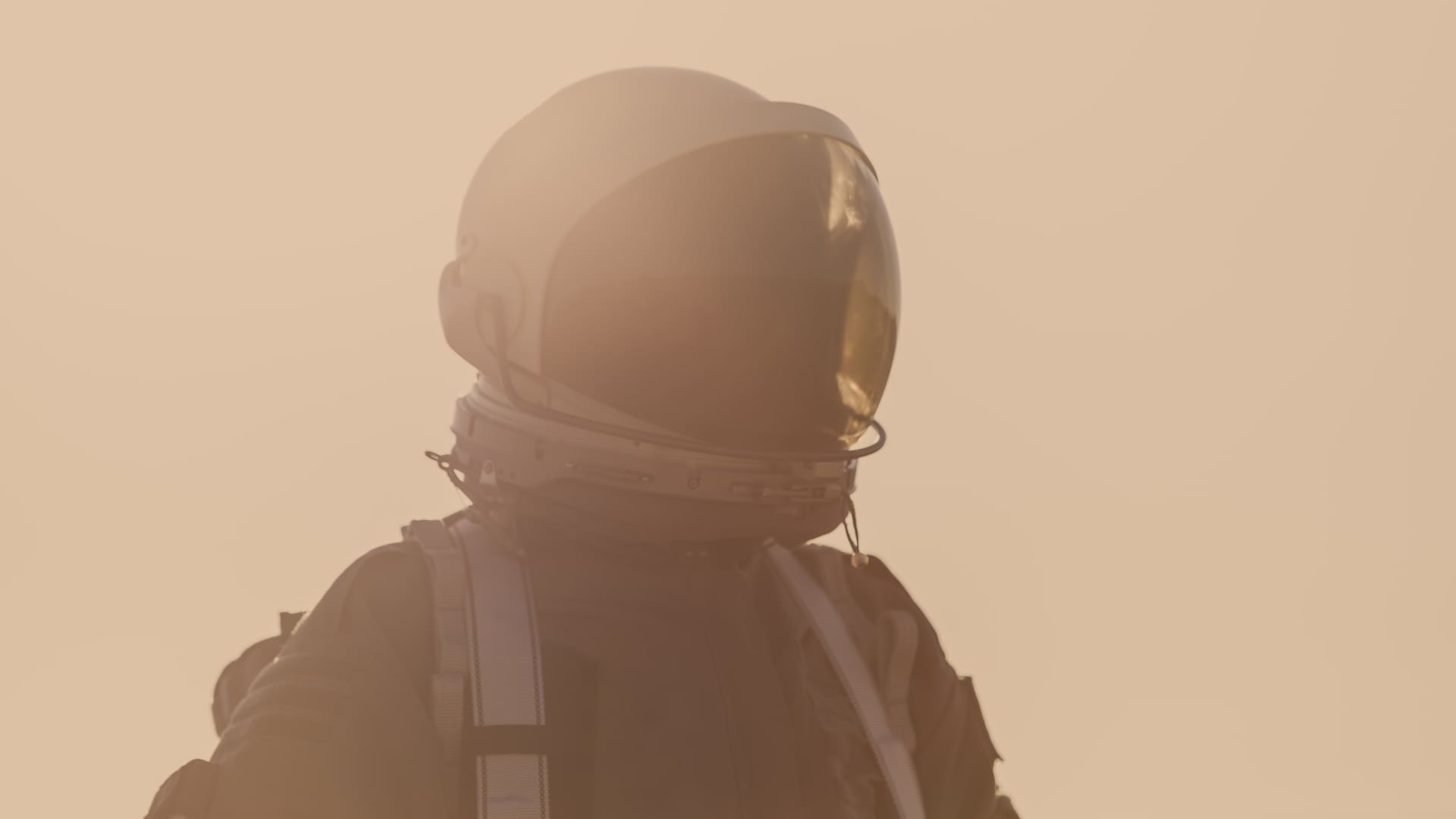
But the grandest ambition belongs to Musk. In February 2026 he said SpaceX could create a ‘self-growing city’ on the Moon in less than ten years. Mars has not disappeared from his plan either. Musk has repeatedly suggested that a self-sustaining settlement of a million people could be established there within 30 years and his preferred ending is already scripted: ‘I would like to die on Mars, just not on impact.’