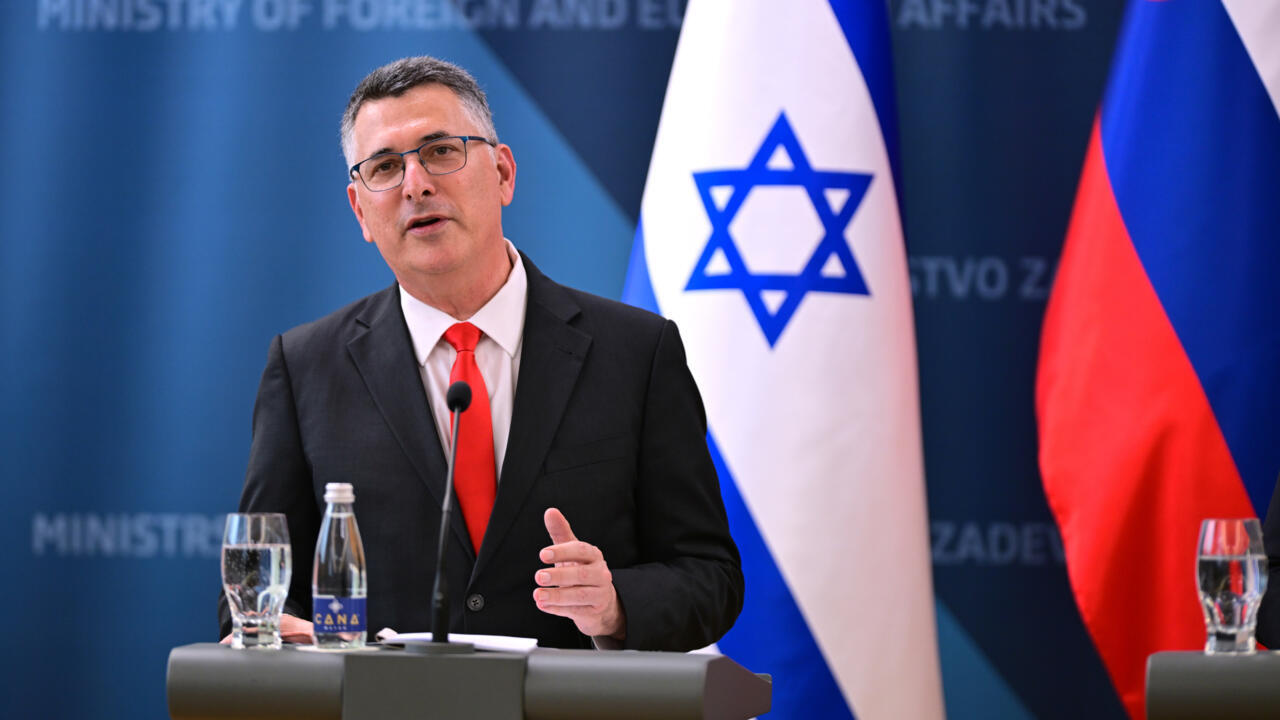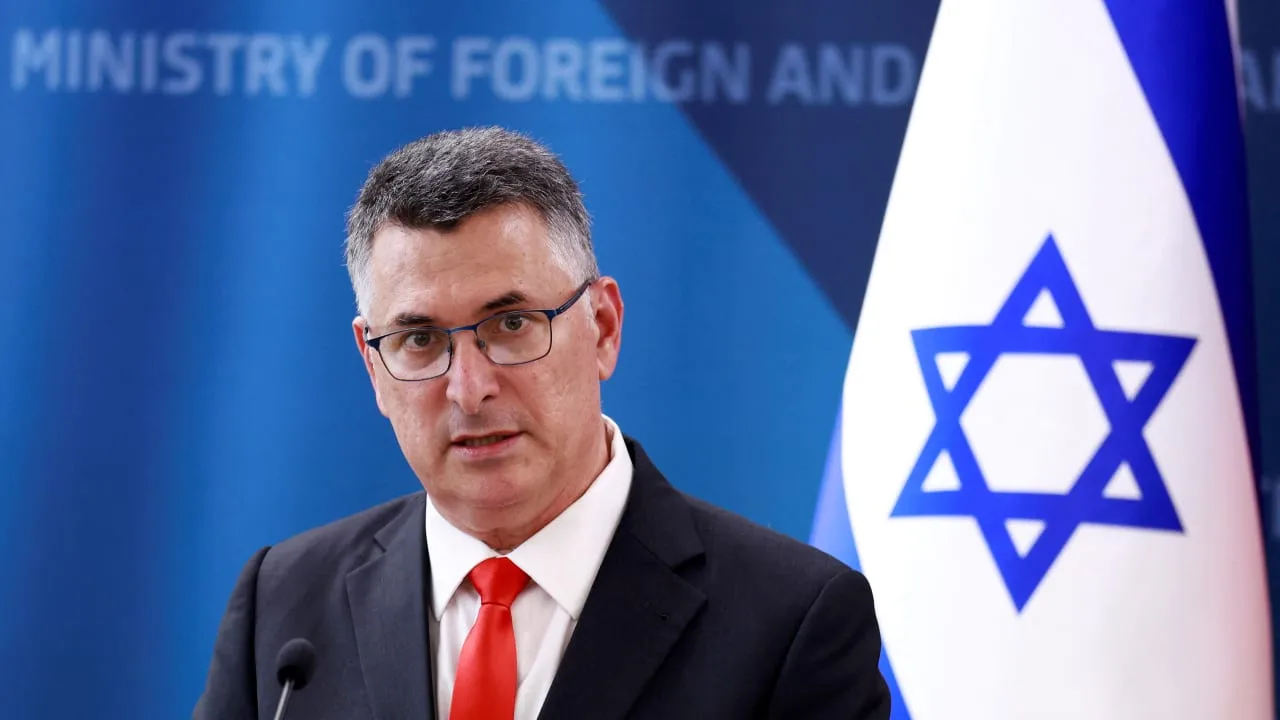
Gideon Saar smiled as he cut the blue ribbon outside the newly inaugurated embassy of Nauru in Jerusalem. Israel’s foreign minister described the tiny Pacific island nation of some 12,000 people as “one of Israel’s greatest friends in the international community.”
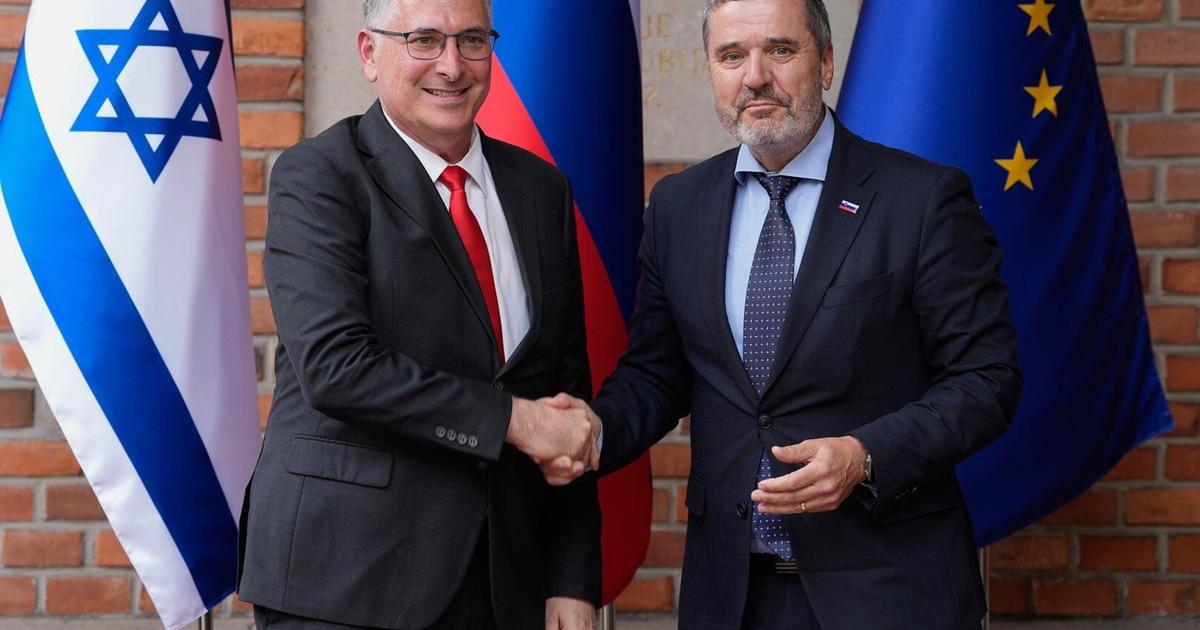
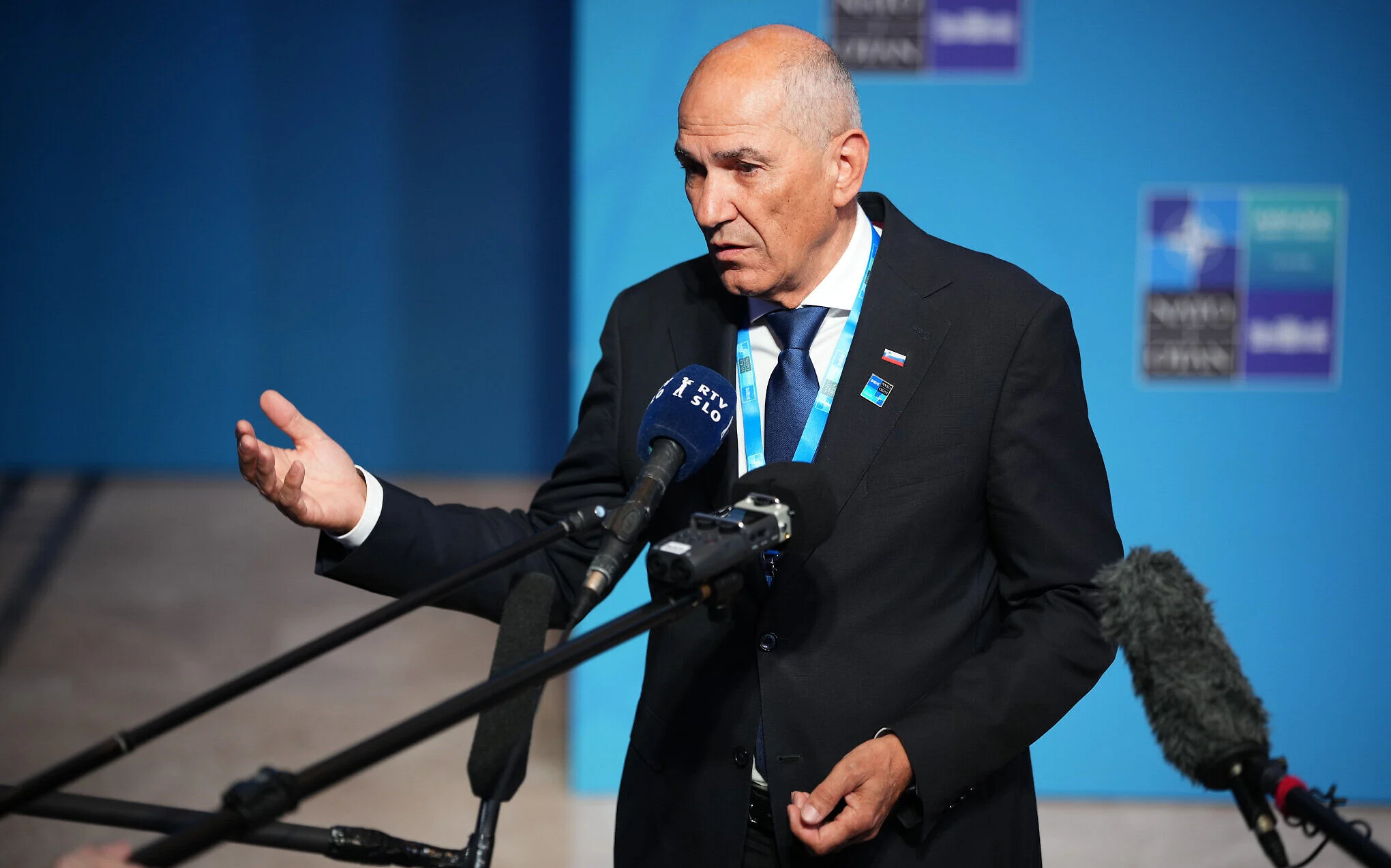
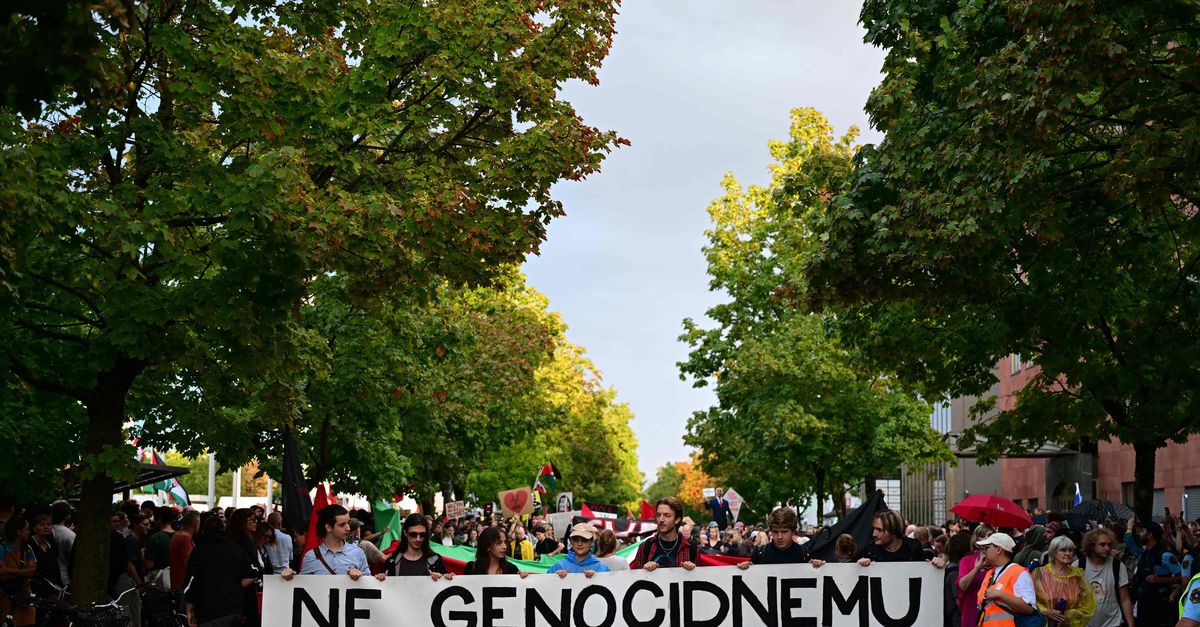
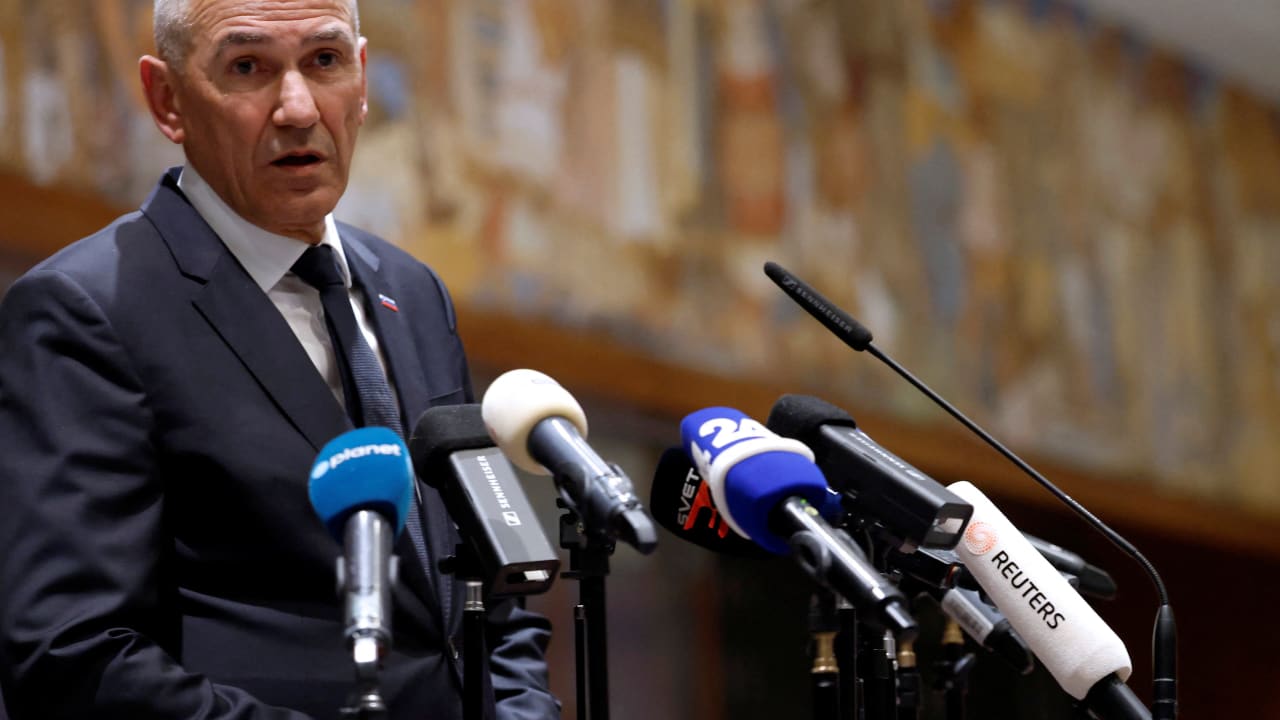
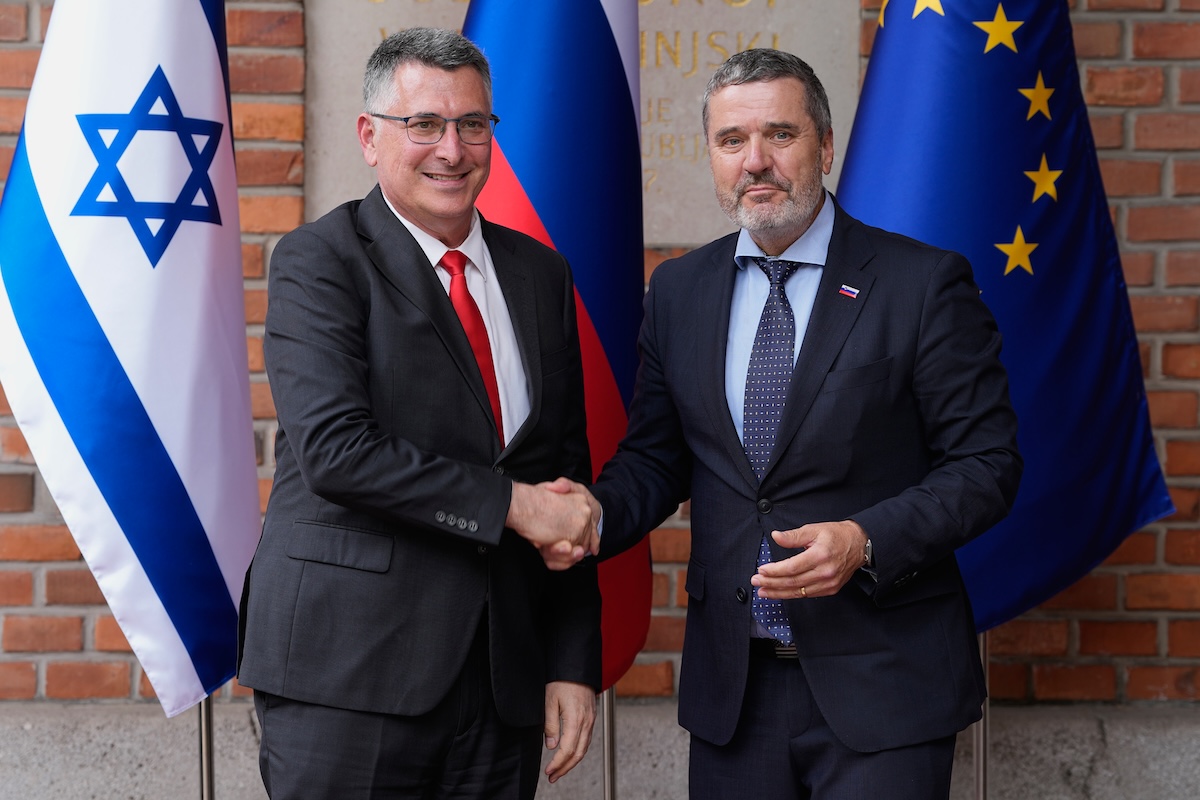
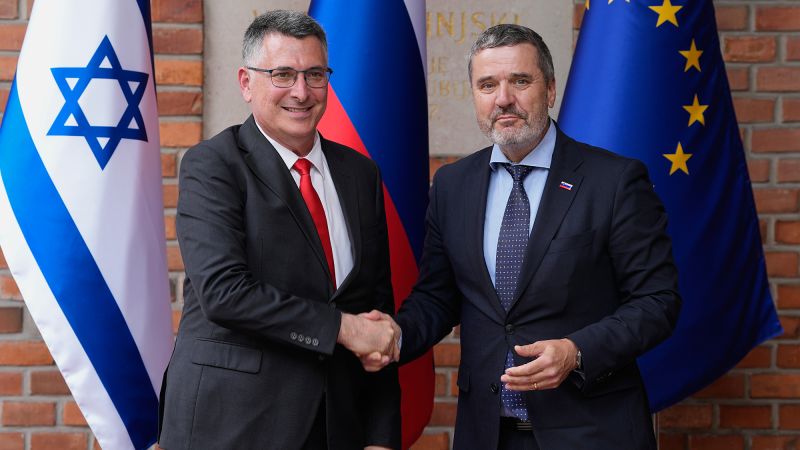
Two days later, it was Slovenia’s turn, as Saar cut the ribbon on a new embassy in Ljubljana. He praised the new center-right government for standing by Israel in the European Union, especially after the country had previously been one of Israel’s harshest critics. A large business delegation was brought along to show appreciation.
There was no such celebration in London, where Israel faced one of its sharpest diplomatic rebukes in years: a coordinated move by the United Kingdom and 11 other countries to impose sanctions and trade restrictions on Israeli settlements in the occupied West Bank. Israel has had no ambassador in London for nearly a year. Prime Minister Benjamin Netanyahu’s intended envoy, his chief of staff Tzachi Braverman, was barred from leaving Israel due to a criminal investigation, leaving the post vacant.
The split-screen moment reflects a broader pattern in Israel’s foreign relations: As traditional partners in Western Europe grow distant, losing patience with the settlement expansion and surging violence in the West Bank, the right-wing government is cultivating ties with smaller or what it sees as more ideologically aligned countries, redirecting its diplomatic energy to other arenas.