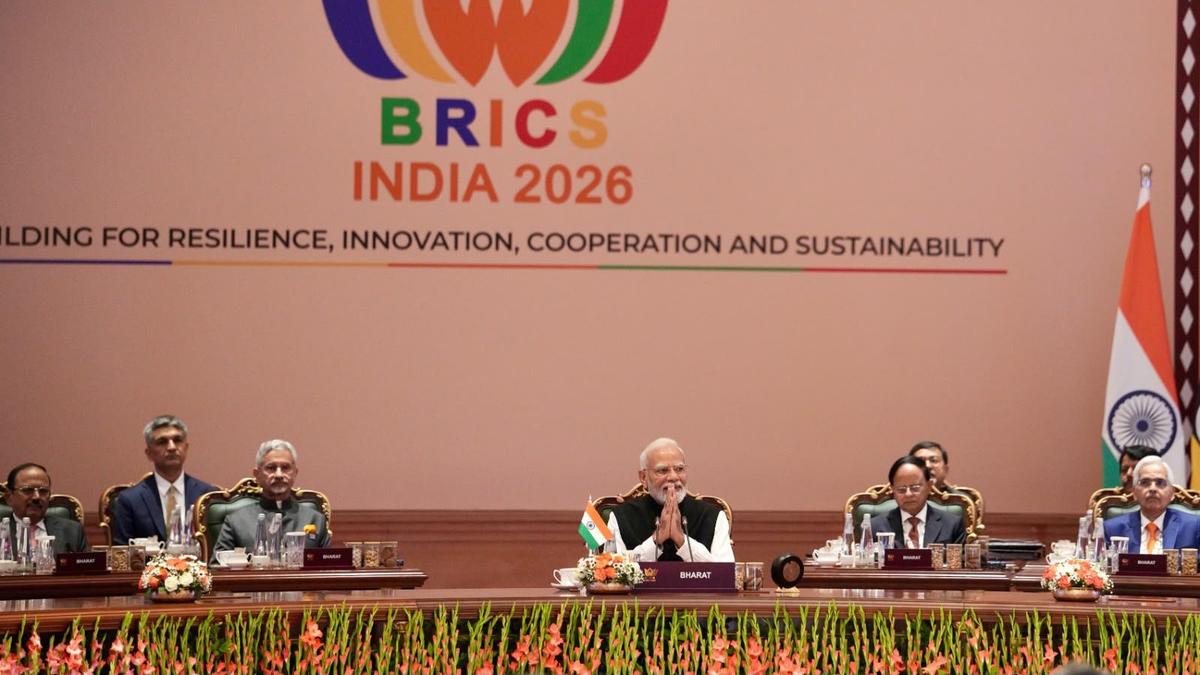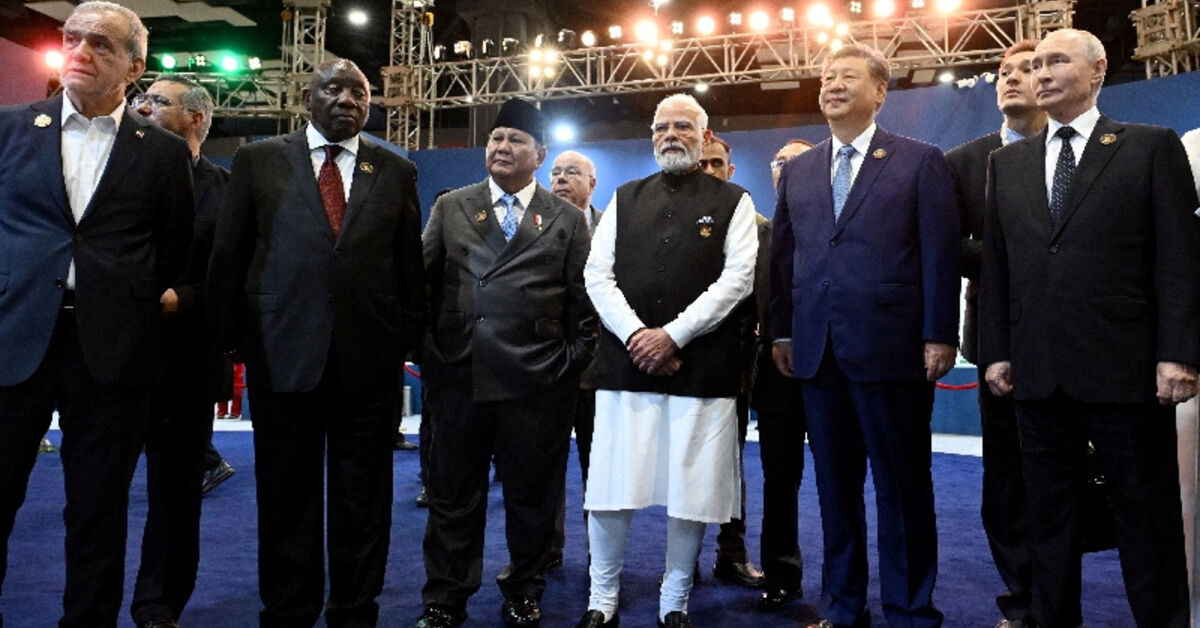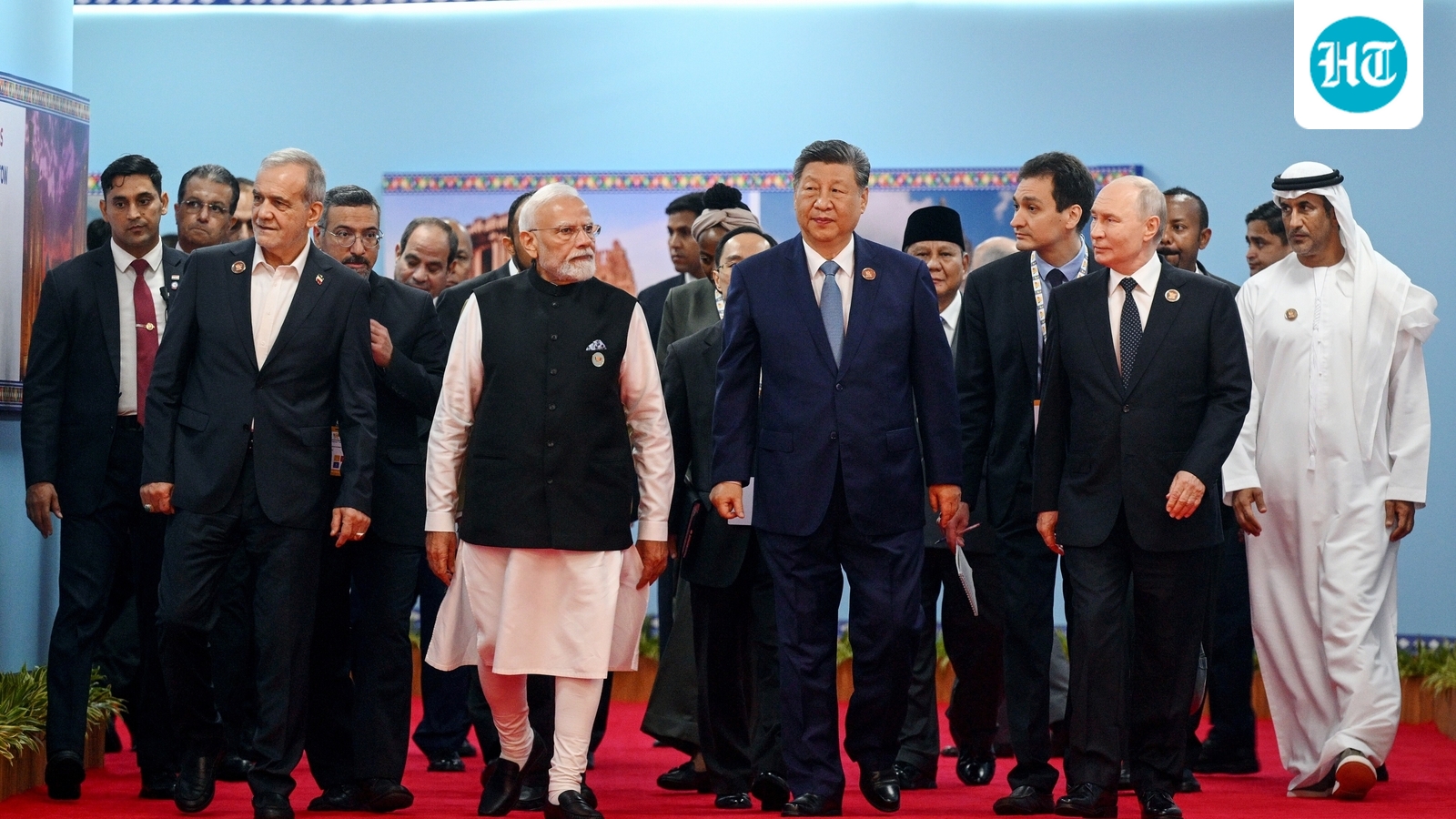
New Delhi: The BRICS on Saturday adopted the Joint Declaration (New Delhi Declaration) by consensus, overcoming differences between Iran and the UAE. The group also suggested the establishment of a zone free of nuclear weapons and other weapons of mass destruction in the Middle East amid fears of attacks on civilian nuclear facilities in the region.The BRICS states expressed deep concern over the continued escalation of tensions in the Middle East/West Asia and, recalling respective national positions, called for exercising maximum restraint and avoiding actions that could further aggravate the situation.For more BRICS coverage click here"...we urge to ensure the protection of civilians and civilian infrastructure in accordance with the purposes and principles of the Charter of the United Nations in their entirety...," the declaration stressed, reflecting the views of both Iran and the UAE."We encourage increasing efforts, through dialogue and diplomacy, towards a long-term understanding that will contribute to lasting peace, security and stability in the region. We stress the need to work together to maintain smooth flow of global trade, supply chains and energy, in accordance with applicable international law," the member states noted amid the West Asian War and Strait of Hormuz blockade that has impacted the flow of global trade.The formulation that led to the adoption of the New Delhi Declaration was not easily arrived at. In the run-up to the Summit, the BRICS Foreign Ministers' and Trade Ministers' meetings could not achieve a joint declaration due to differences between Iran and the UAE amid the conflict. ET had reported earlier this week that BRICS Sherpas had intensified discussions to reach consensus, narrowing down differences between the few members. Negotiations continued until the early hours of Saturday to reach consensus.Also Read: The Modi-Xi-Putin picture and the rise of a multipolar world trying to remake global powerThe BRICS member states condemned the imposition of unilateral coercive measures that are contrary to international law, and reiterated that such measures, inter alia in the form of unilateral economic sanctions and secondary sanctions, have far-reaching negative implications.The BRICS members backing India's position expressed strong condemnation of any acts of terrorism."We condemn in the strongest terms the terrorist attack in J&K on 22 April 2025, during which 26 people were killed. We reaffirm our commitment to combating terrorism in all its forms and manifestations, including the cross-border movement of terrorists, terrorism financing and safe havens."
BRICS adopts New Delhi Declaration by consensus, navigates Iran-UAE divide
BRICS members adopted the New Delhi Declaration by consensus after intense negotiations. The group called for a nuclear-weapon-free zone in the Middle East. They also urged maximum restraint amid escalating regional tensions and conflicts. BRICS condemned unilateral coercive measures and reiterated their commitment to combating terrorism. The declaration stressed protecting civilians and maintaining global trade flow.
394 words~2 min read