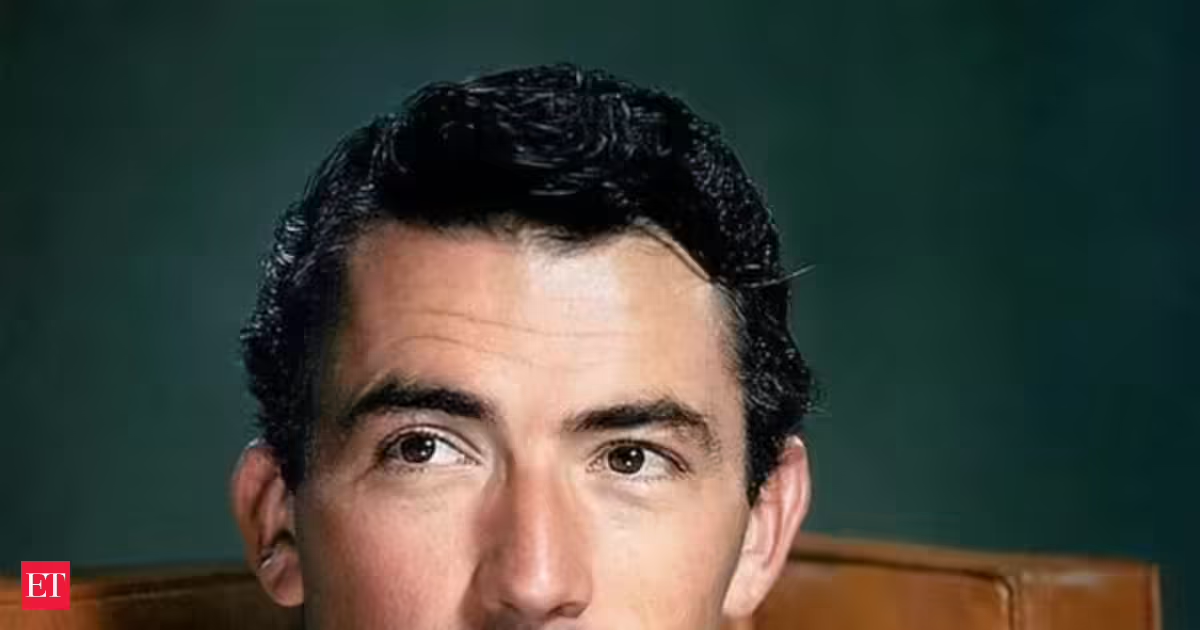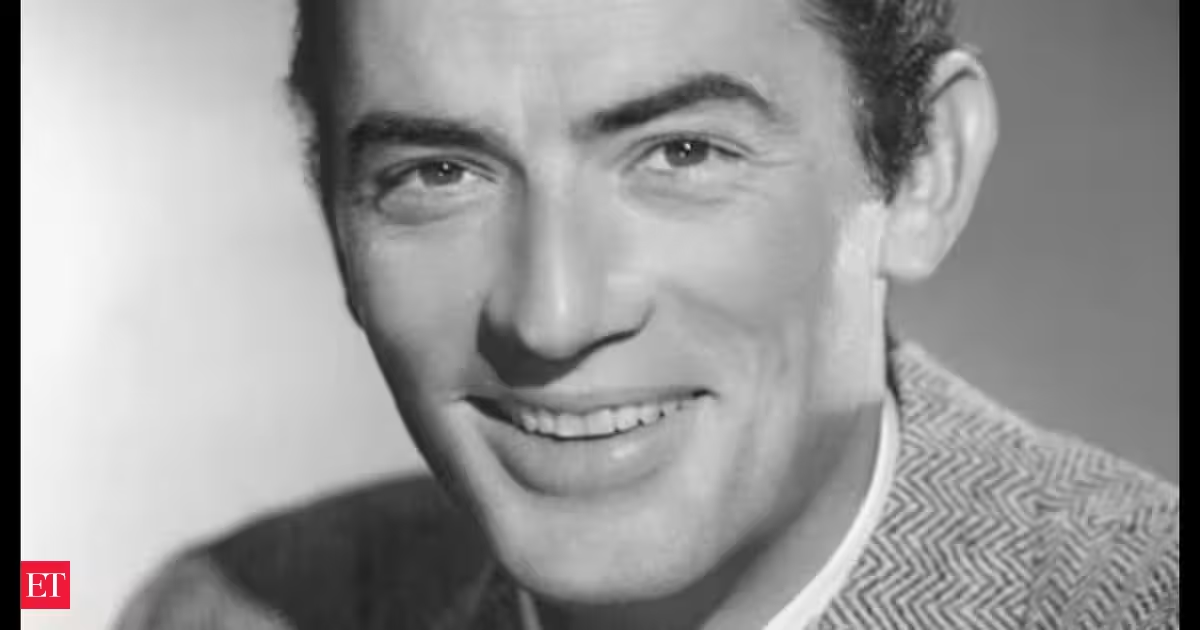
Quote of the Day by Gregory Peck: Life is filled with experiences that shape who we become, including moments of success, failure, disappointment, and personal struggle. As time passes, people often become more aware of how precious and limited life truly is. Learning to accept the past while continuing to move forward can bring greater peace, wisdom, and appreciation for the present.His powerful quote, “I realize now how very short life is, because I've got to be considered to be in the home stretch. But I won't waste time on recriminations and regrets. And the same goes for my shortcomings and my own failures,” highlights the importance of letting go of regret and accepting personal imperfections. In today’s world, where people often struggle with self-criticism, past mistakes, and the pressure to succeed, Peck’s words still carry deep significance. The quote reminds us that our failures and shortcomings are part of our journey, but they should not prevent us from appreciating the present and moving toward the future. Gregory Peck’s reflection continues to inspire ideas about self-acceptance, emotional strength, personal growth, and making the most of the limited time we have.Quote of the Day Today: Gregory Peck on regret, letting go and shortcomingsQuote of the Day by Gregory Peck: “I realize now how very short life is, because I've got to be considered to be in the home stretch. But I won't waste time on recriminations and regrets. And the same goes for my shortcomings and my own failures” Meaning of Gregory Peck’s Quote About LifeGregory Peck’s quote, “I realize now how very short life is, because I've got to be considered to be in the home stretch. But I won't waste time on recriminations and regrets. And the same goes for my shortcomings and my own failures,” explores the importance of accepting life’s limitations, letting go of regret, and learning from personal failures. The phrase “I won't waste time on recriminations and regrets” reflects the idea that dwelling on past mistakes cannot change what has already happened and can prevent us from appreciating the present.However, the deeper meaning of the quote emphasizes that acknowledging shortcomings and failures should lead to acceptance and personal growth rather than self-blame. Peck suggests that life is too short to remain trapped in regret. Instead, people should learn from their experiences, accept their imperfections, and focus their energy on living meaningfully. His words encourage emotional maturity, self-forgiveness, and a conscious decision to make the most of the time we have.Why You Should Let Go of the Past and Move ForwardLetting go of the past does not mean forgetting your experiences or ignoring your mistakes. It means accepting what has happened and choosing not to remain trapped by it. Constantly thinking about past failures, disappointments, or regrets can drain emotional energy and prevent you from enjoying the present. Moving forward allows you to learn valuable lessons while creating space for new opportunities, relationships, and experiences. Every mistake can provide wisdom, helping you make better decisions in the future. Holding on to regret cannot change what has already happened, but changing your perspective can influence what happens next. Life is limited, and spending too much time looking backward can cause you to miss meaningful moments in the present. Letting go encourages personal growth, emotional peace, confidence, and a renewed appreciation for life.Gregory Peck was born on April 5, 1916, in La Jolla, California, United States. He grew up in a family with a strong Irish and Catholic background and experienced several challenges during his childhood. His parents separated when he was young, and he was raised partly by his grandmother. These early experiences helped develop his independent and thoughtful personality. Although he initially had no clear plans to become an actor, his interest in performance gradually emerged during his college years.Education and Early Interest in ActingPeck attended San Diego State College before transferring to the University of California, Berkeley, where he studied pre-medical subjects. While at university, he became increasingly interested in acting and participated in theatrical productions. After graduating, he decided to pursue a career in the theater rather than medicine. He moved to New York and studied acting at the Neighborhood Playhouse School of the Theatre. His training helped him develop the calm presence, strong voice, and disciplined acting style that would later become hallmarks of his performances.Rise as an Actor and Hollywood FameGregory Peck began his professional acting career on the stage before moving into Hollywood films. He quickly gained recognition for his powerful screen presence and ability to portray characters with dignity, intelligence, and moral strength. Some of his most notable films include Roman Holiday, The Guns of Navarone, Cape Fear, Gentleman's Agreement, and To Kill a Mockingbird. His performance as Atticus Finch in To Kill a Mockingbird became one of the defining roles of his career and earned him the Academy Award for Best Actor. Throughout his career, Peck became known as one of Hollywood’s most respected leading men.Personal Life, Values, and Later CareerBeyond his success in films, Gregory Peck was admired for his professionalism, humanitarian values, and commitment to social causes. He often used his public position to support issues related to civil rights, political freedom, and humanitarian concerns. Unlike many Hollywood stars, he maintained an image associated with integrity and dignity. As he grew older, Peck continued acting while also taking on television and other projects. His later years reflected a thoughtful perspective on fame, aging, personal shortcomings, and the limited nature of life, themes that can be seen in his reflections about not wasting time on regrets.Legacy and Lasting InfluenceGregory Peck passed away on June 12, 2003, in Los Angeles, California, at the age of 87. He left behind an extraordinary legacy as one of the most respected actors of Hollywood’s Golden Age. His performances were celebrated not only for their emotional depth but also for the sense of honesty and moral conviction he brought to his characters. Today, Peck is remembered especially for his portrayal of Atticus Finch and for a career that spanned more than five decades. His life and work continue to inspire audiences through their themes of courage, dignity, compassion, and personal integrity.Life Lessons from Gregory Peck’s Famous QuoteGregory Peck’s quote teaches that life is too valuable to be consumed by regret, self-criticism, and disappointment over past mistakes. His words encourage people to recognize their shortcomings and failures without allowing them to define their entire lives. Instead of repeatedly looking backward with guilt or resentment, we can learn from our experiences and use them as opportunities for personal growth. The quote highlights the importance of self-acceptance, emotional strength, and appreciating the limited time we have. Peck’s reflection reminds us that acknowledging our imperfections does not mean being trapped by them. True wisdom comes from accepting the past, learning from it, and continuing to live with purpose and gratitude.Why This Quote Still Matters TodayGregory Peck’s quote remains highly relevant today because many people struggle with regret, self-doubt, and the pressure to live up to expectations. In a world where success is often measured by achievements and comparisons, it can be easy to focus on failures and overlook the value of the present moment. Peck’s message reminds us that time is precious and should not be wasted on constantly criticizing ourselves for what we cannot change. His words encourage a healthier approach to life—one based on acceptance, learning, and moving forward. The quote continues to inspire people to release unnecessary regret, embrace their imperfections, and make meaningful use of the time they have.Life WisdomGregory Peck’s quote, “I realize now how very short life is, because I've got to be considered to be in the home stretch. But I won't waste time on recriminations and regrets. And the same goes for my shortcomings and my own failures,” reflects a timeless truth about accepting life and making meaningful use of time. Life inevitably includes mistakes, disappointments, personal weaknesses, and failures, but dwelling on them can prevent us from fully appreciating the present. This wisdom encourages emotional maturity, self-acceptance, and the courage to move forward without being controlled by regret. Rather than allowing past shortcomings to define our identity, we can learn from them and focus on the relationships, experiences, and opportunities that truly matter. Peck’s words remind us that life is too short to remain trapped in self-blame and that embracing the present with acceptance and purpose can lead to a more meaningful and fulfilling life.
Quote of the Day by Gregory Peck: “I realize now how very short life is, because… – Timeless life lessons from an inspiring quote on letting go, past, failure, acceptance and why life is too short to live with regrets
Quote of the Day by Gregory Peck: Gregory Pecks quote, “I realize now how very short life is, because I've got to be considered to be in the home stretch. But I won't waste time on recriminations and regrets. And the same goes for my shortcomings and my own failures” reflects the importance of accepting lifes imperfections without being consumed by regret. The quote suggests that life is too short to dwell on past mistakes, failures, and personal shortcomings, encouraging us to learn from them, let go of self-reproach, and make the most of the time we have.
1,407 words~6 min read