The discipline, strategic intelligence and capacity for long-term planning that made Awolowo such an effective development politician were not qualities that disappeared when war came. They were simply placed at the service of a different objective. The same administrative machinery that could organise free education on a massive scale could also be mobilised to wage economic war. The same capacity for calculating costs and consequences that made his development programmes possible could be applied to the calculation of how to defeat an enemy.
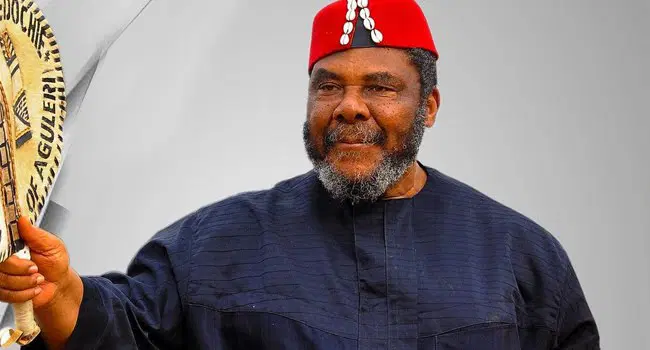
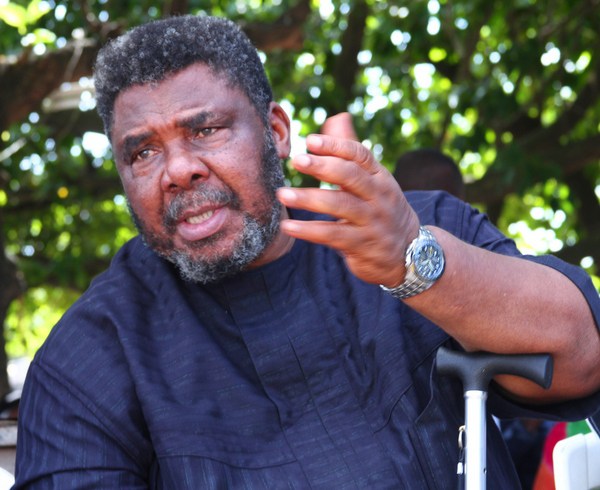
When Pete Edochie, the veteran actor and Nollywood royal, appeared on Isbae U’s “Curiosity Made Me Ask” podcast a few days ago and named Chief Obafemi Awolowo as his favourite Nigerian politician, I suspect a few feathers east of the Niger were ruffled. For many Igbos, Awolowo is not simply a historical figure, his name is inextricably tied to the trauma of an existential war and the policies that helped bring Biafra to its knees. Yet Edochie is hardly the only prominent Igbo with a deep admiration for the late sage. Osita Chidoka, the former minister of Aviation and a former schoolmate of mine, has on several occasions expressed profound admiration for the man’s personal discipline, intellectual rigour, courage, and visionary leadership.