The Frankfurt we’ve been missing
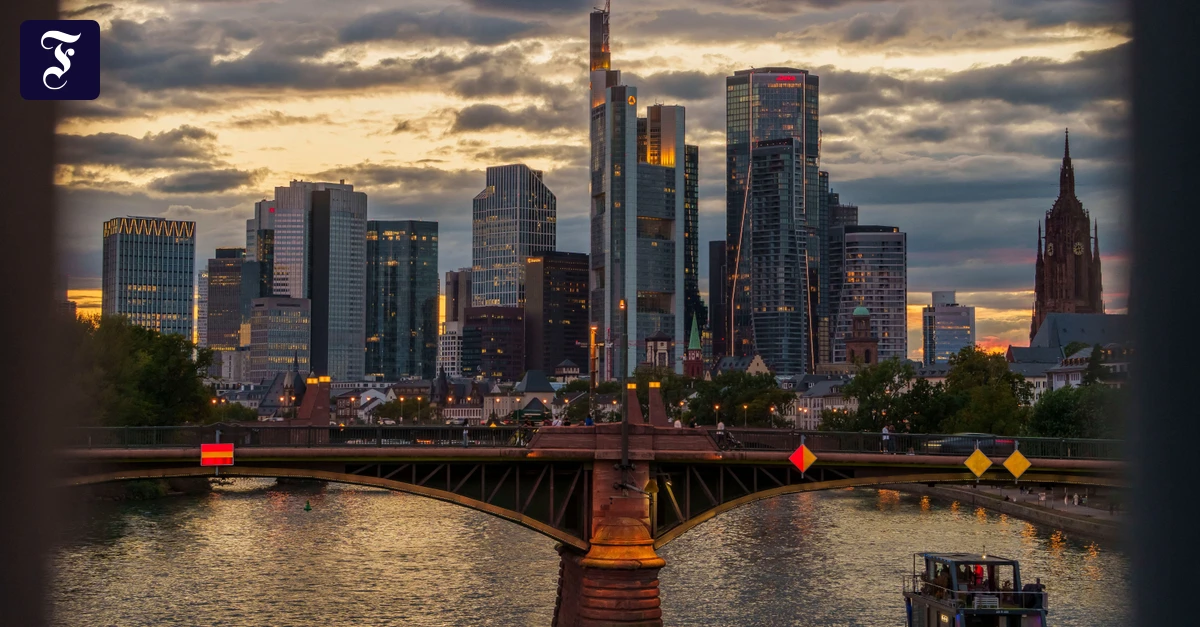
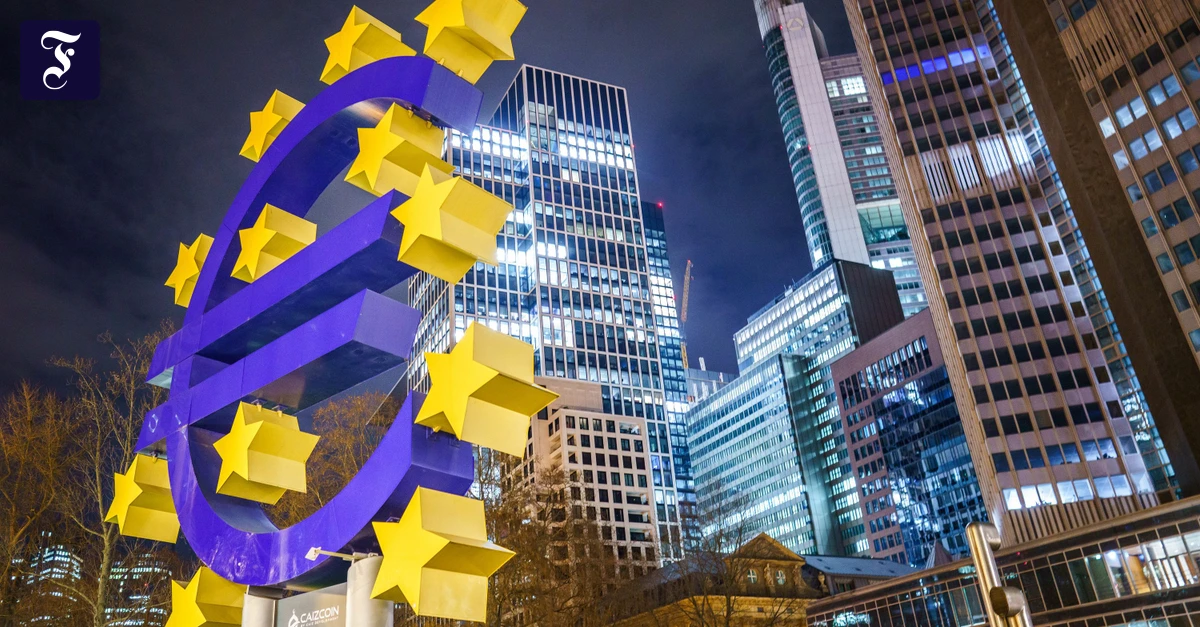
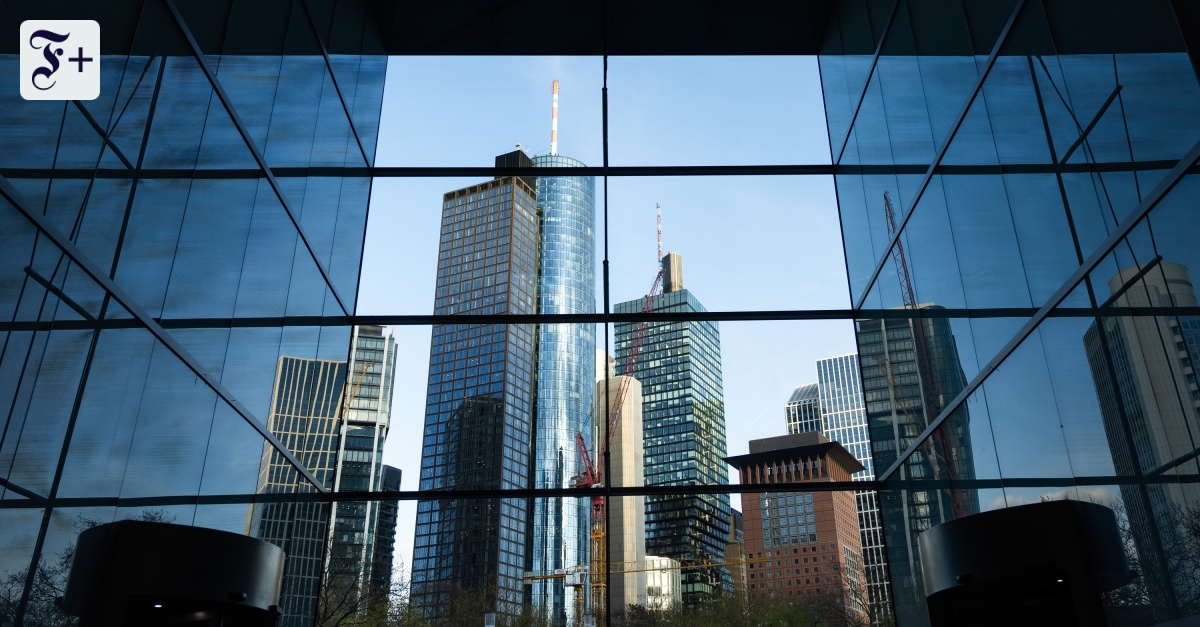
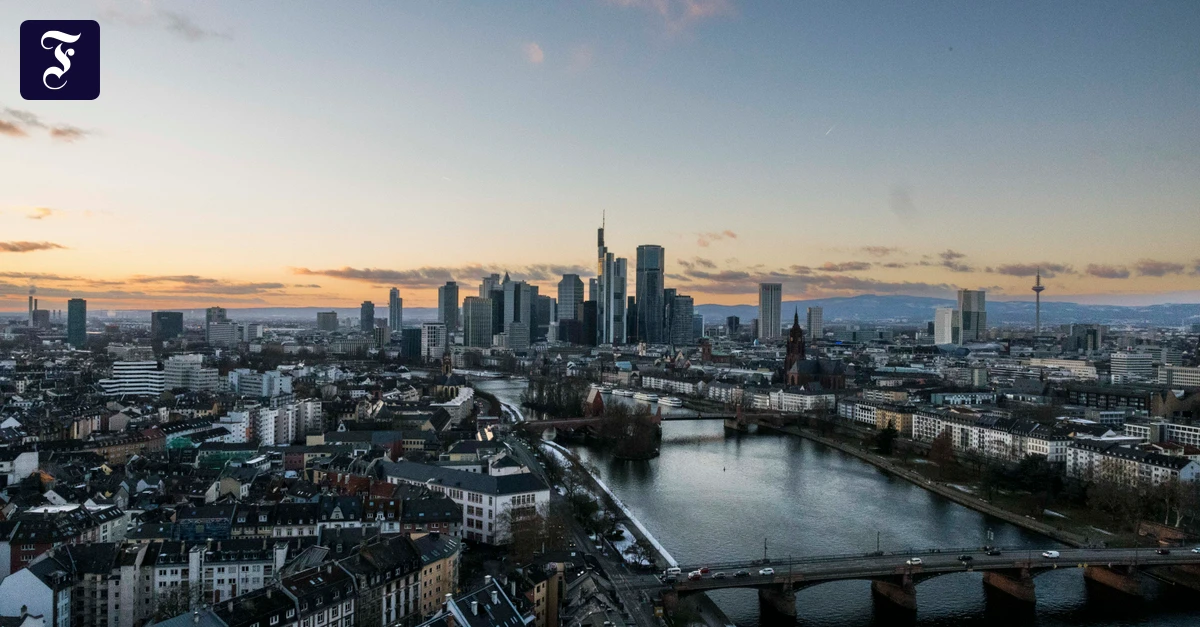
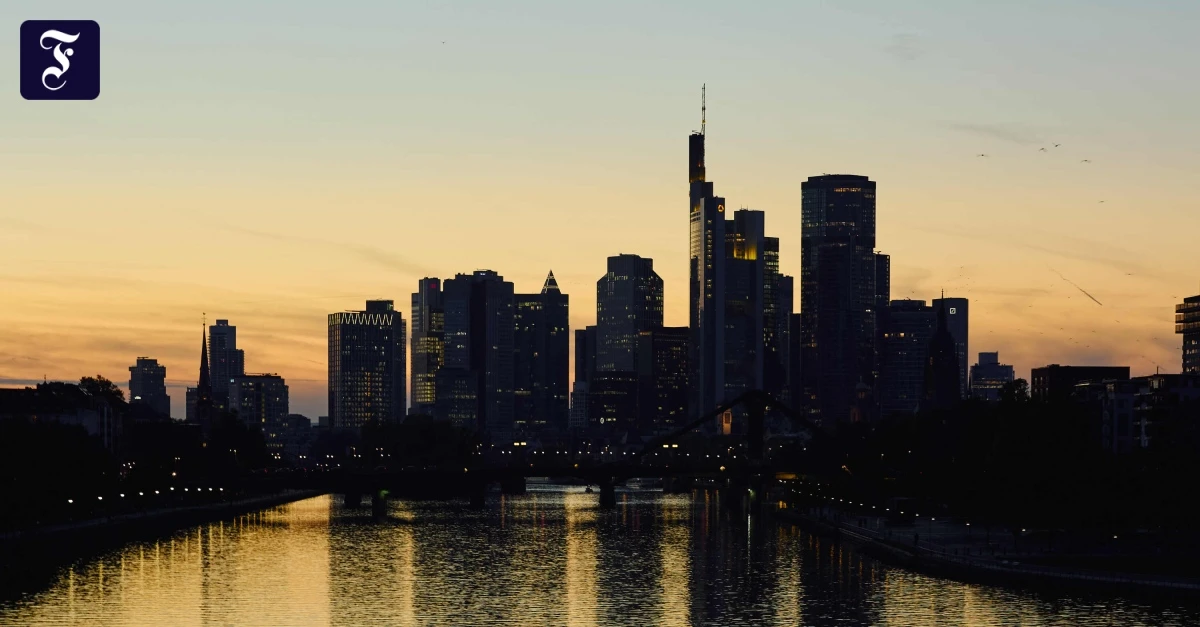
For many of us, Frankfurt has long conjured up trade fairs, business trips, skyscrapers, banks and one of Europe’s most important aviation hubs, its vast international airport. If we had a few days to spend in Germany, we would think of Berlin, Munich or Hamburg, but rarely Frankfurt. This time, having had the chance to explore the city more deeply and in expert hands, I realized how much we had underestimated it.
The museums are the first indication. Frankfurt’s cultural network, known as Museumsufer, or Museum Embankment, now encompasses 39 museums and exhibition venues. The Städel Museum alone is reason enough to devote time to the city. Founded in 1815, its collection spans more than 700 years of art history, from the Middle Ages to the present day, with works ranging from Botticelli, Dürer, Rembrandt and Vermeer to Monet, Picasso, Bacon and Gerhard Richter.
But for me, the real surprise began at the table. What makes Frankfurt’s gastronomic scene interesting is not simply that it has good restaurants. It is the fact that, in one of Europe’s financial centres, radically different culinary philosophies can coexist with such confidence. On my most recent trip, I experienced this through three restaurants. One pursues a new generation of luxury built on impeccable technique, another seeks to reinterpret German cuisine in a contemporary language, while the third embraces a notion of locality so radical that even olive oil and black pepper are excluded from its kitchen. All three belong to the world of fine dining, yet their interpretations of what fine dining should be could hardly be more different.