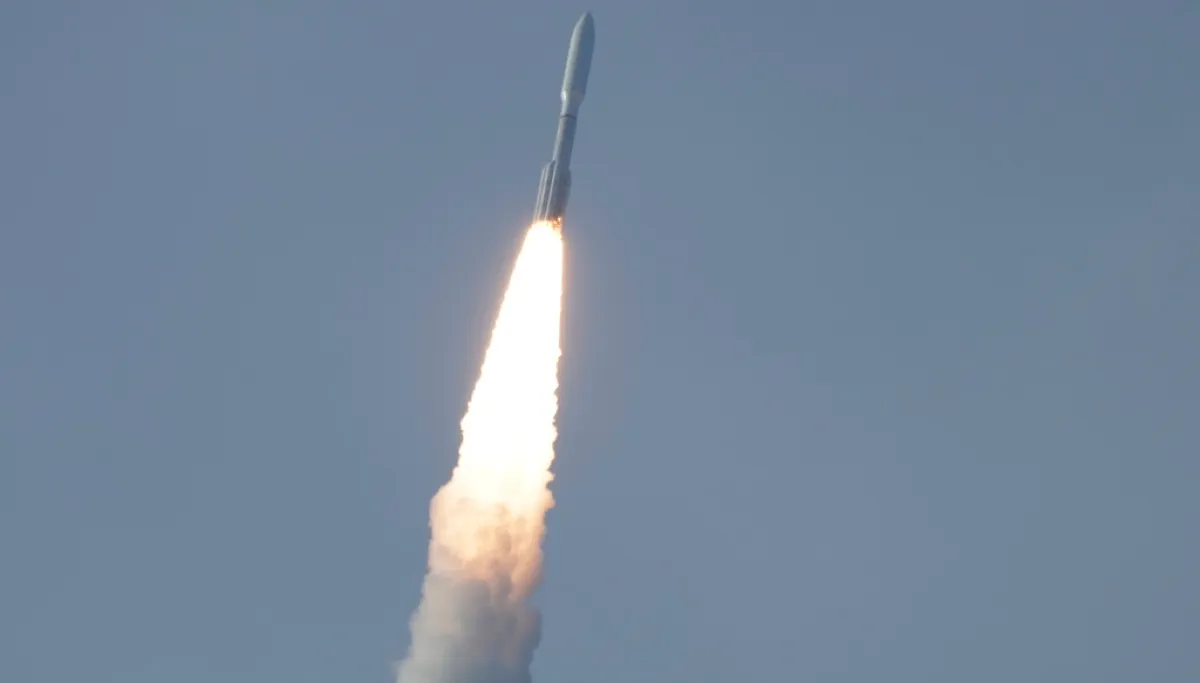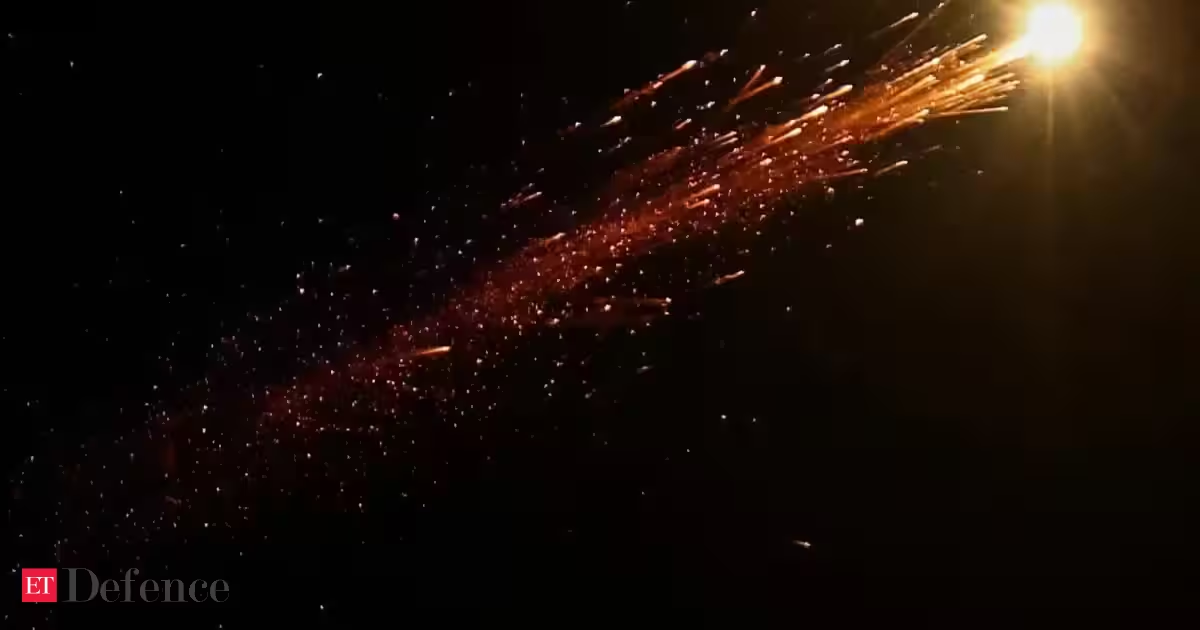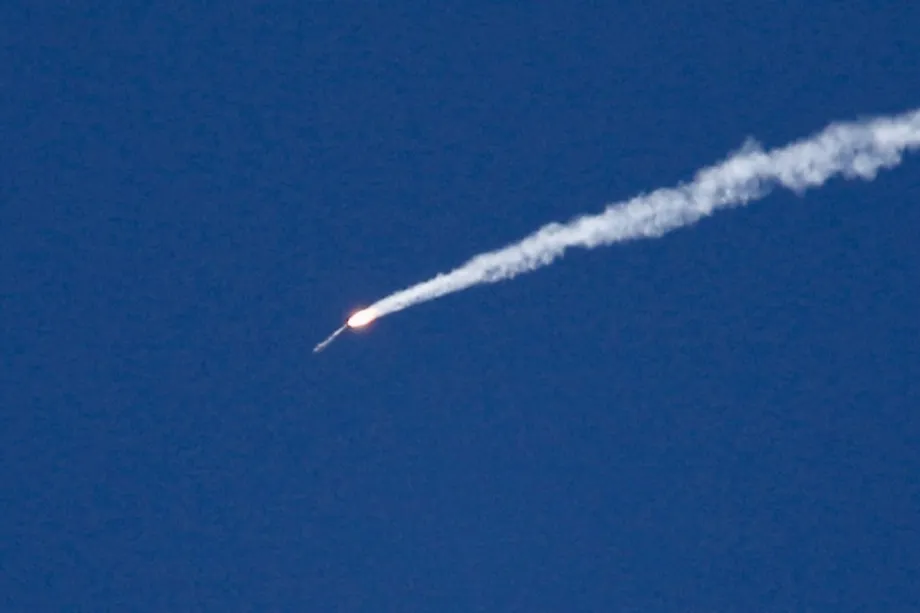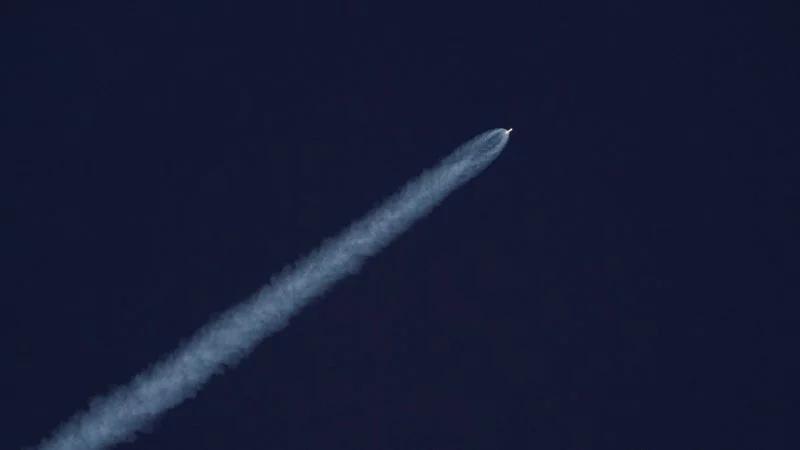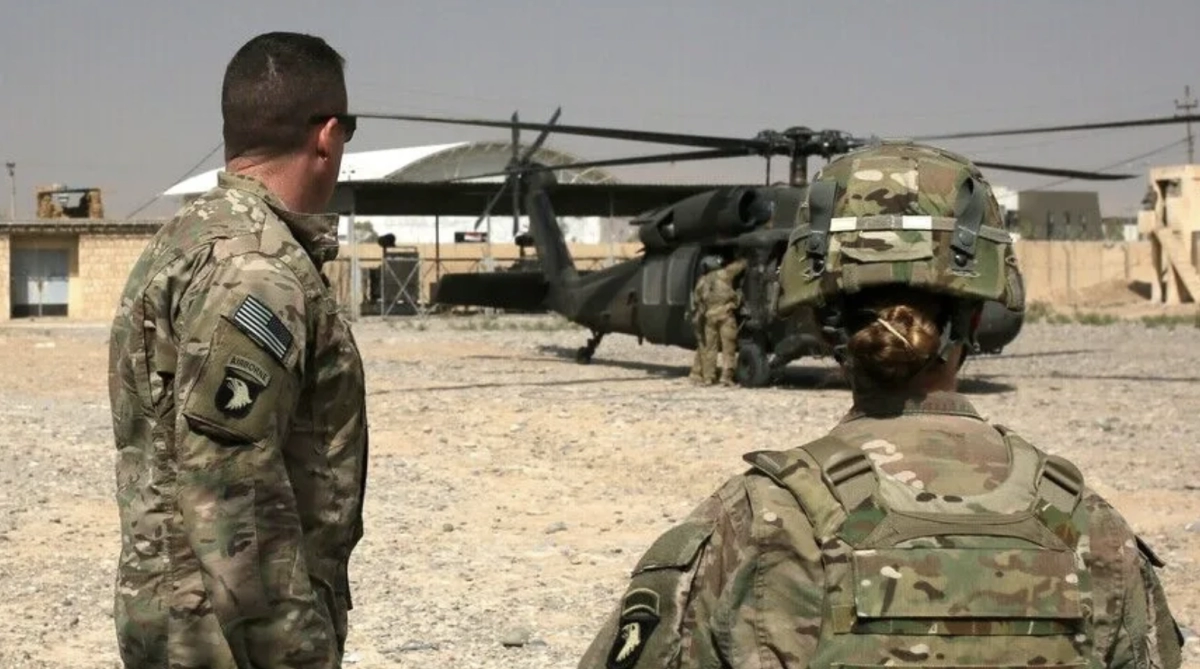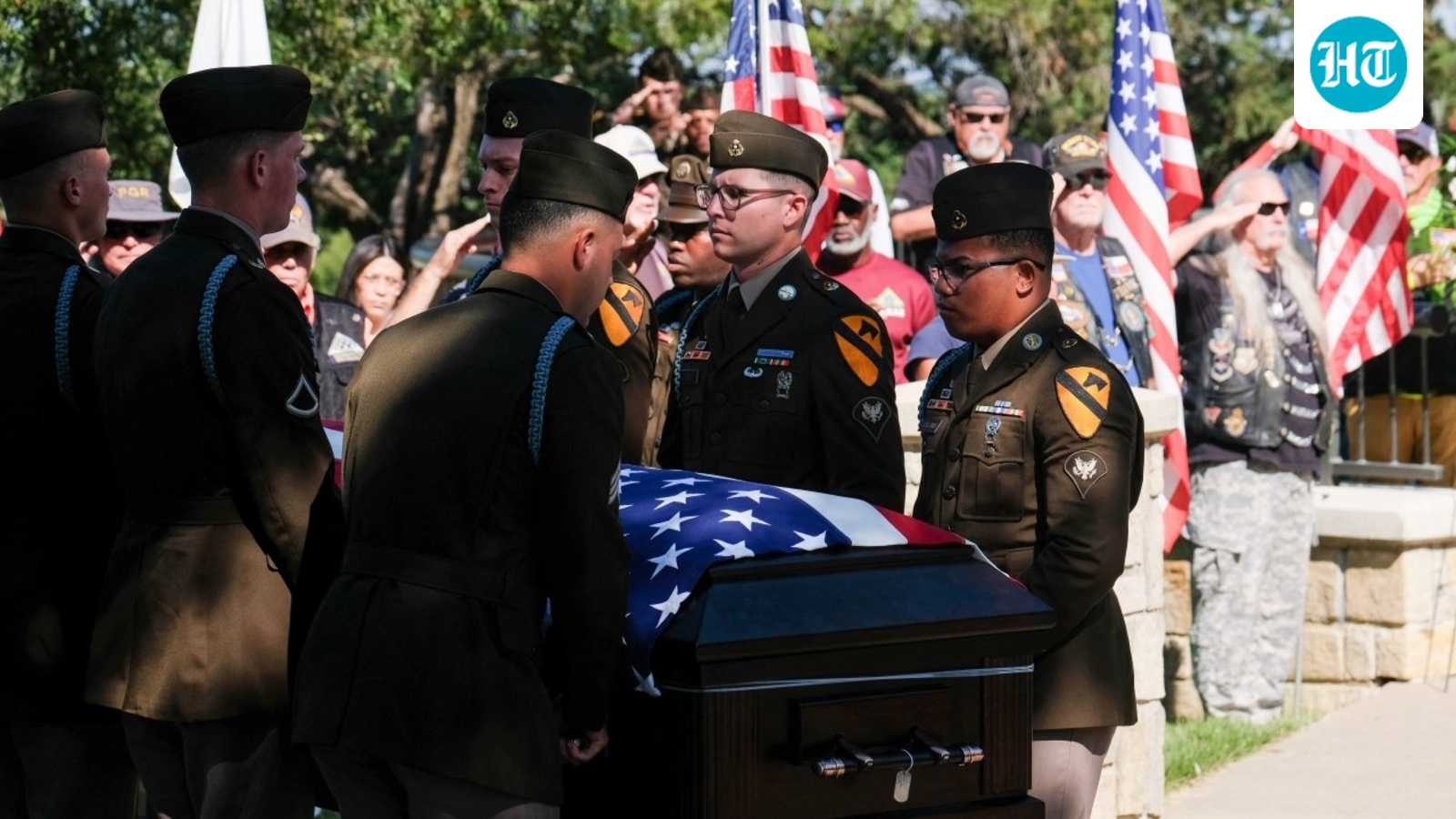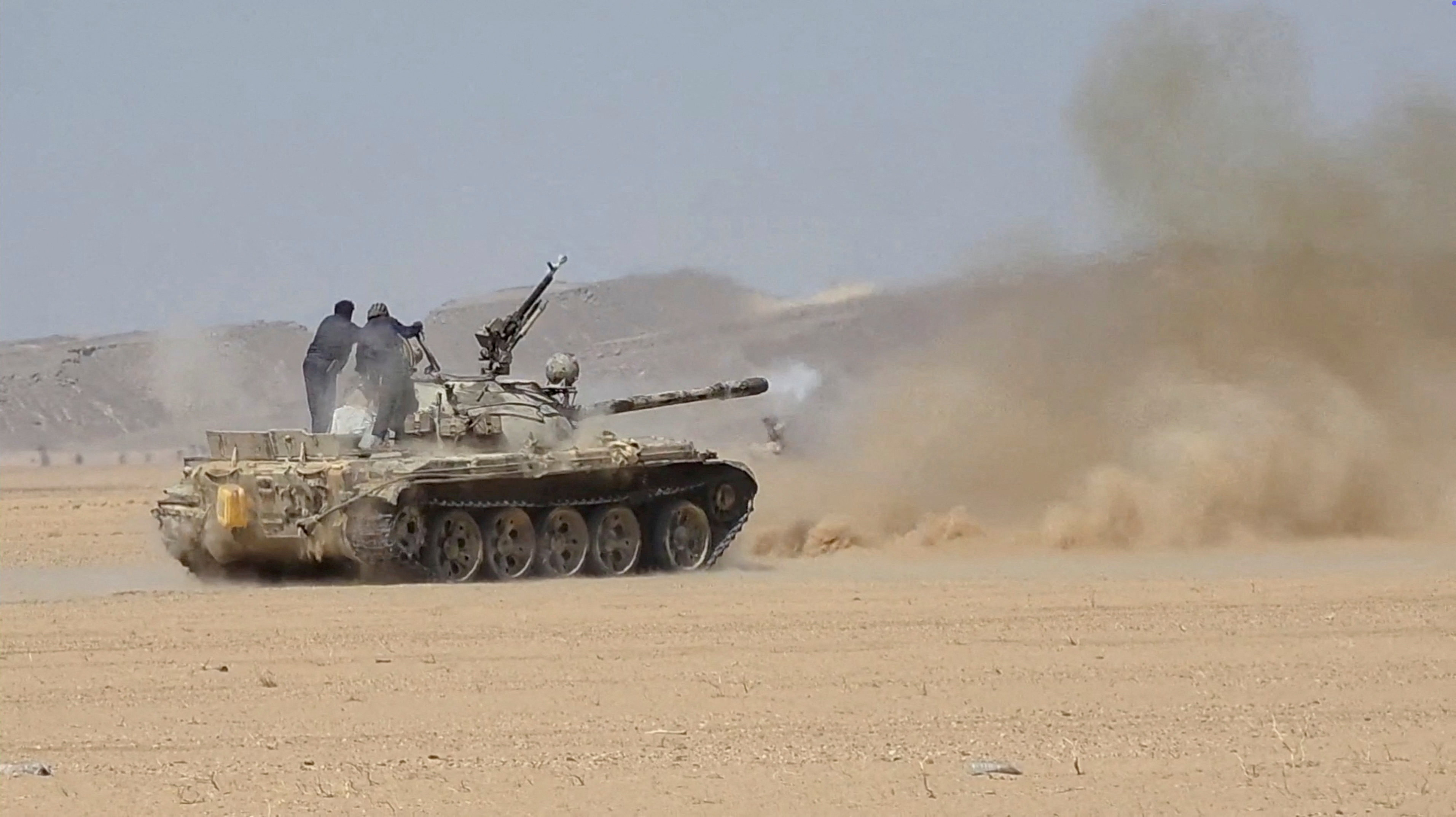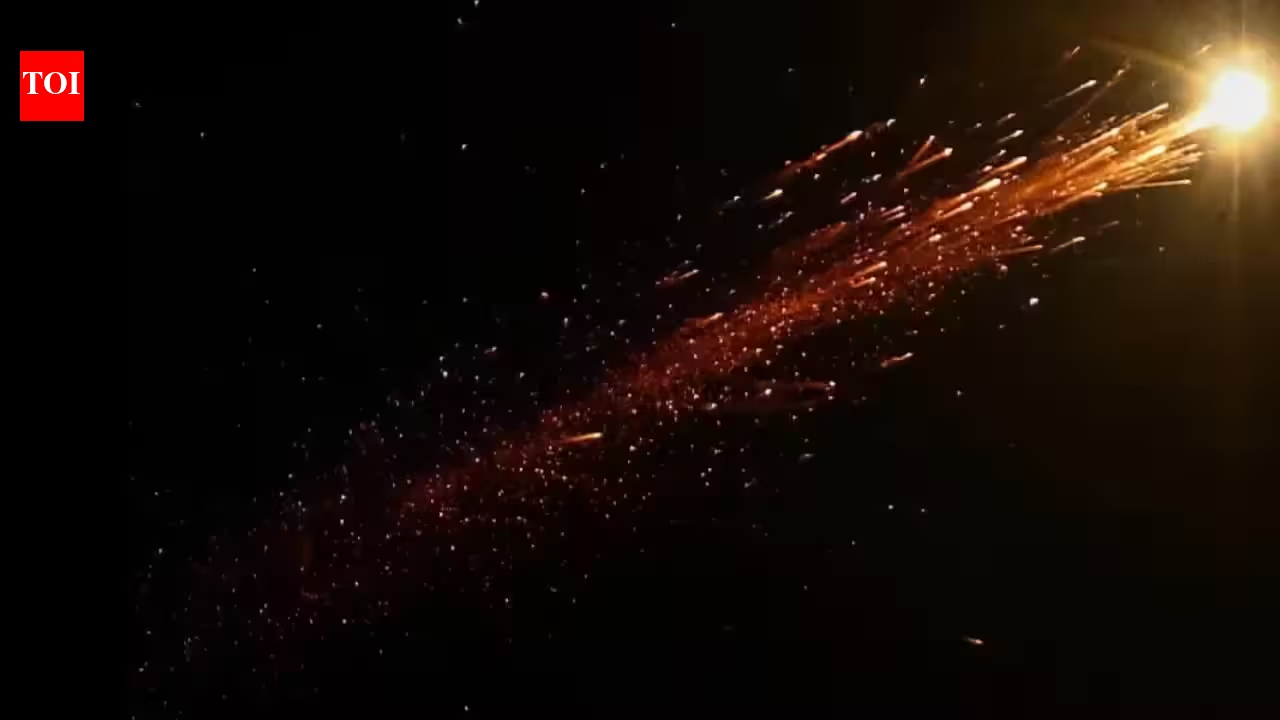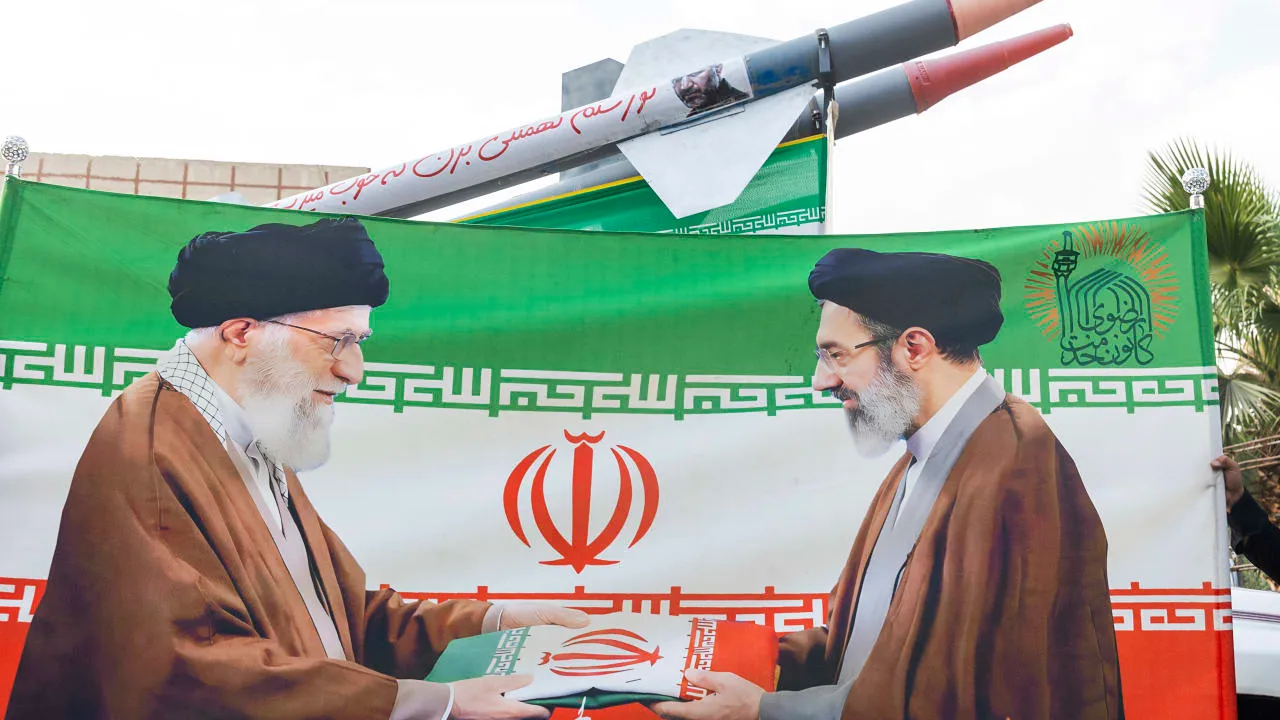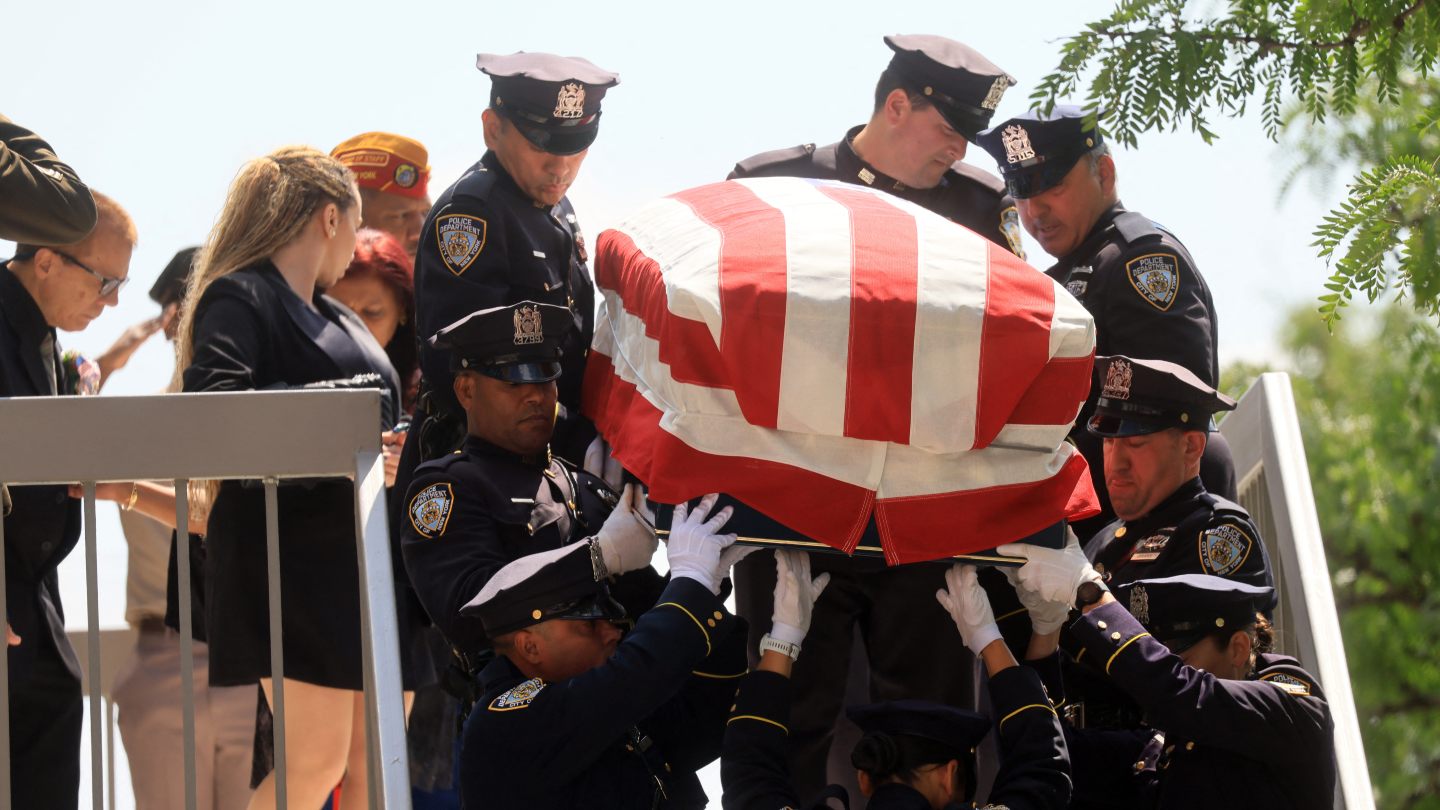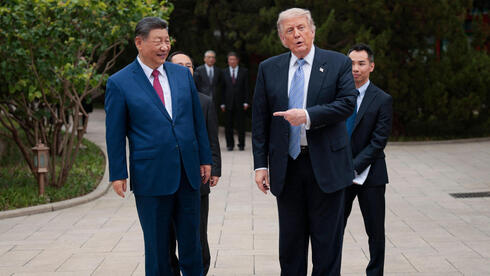
US officials say Tehran obtained high-resolution imagery from Chinese sources before missiles hit a base in Jordan, killing three American soldiers; Beijing denies involvement as Trump prepares to host Xi JinpingIran obtained high-resolution satellite imagery from Chinese sources before carrying out a missile attack on a U.S. air base in Jordan that killed three American soldiers, U.S. officials familiar with the matter told The Wall Street Journal.The officials described the finding as the clearest evidence to date that Chinese support for Iran has had lethal consequences for U.S. forces.Missile launches from Iran toward JordanThey said Washington had linked the imagery to the July 17 attack on Muwaffaq Salti Air Base in northeastern Jordan, where Iranian ballistic missiles struck a residential compound housing U.S. troops.Three American soldiers were killed and four others wounded. U.S. officials also told the Journal that Iran targeted manned and unmanned aircraft stationed at the base.The officials did not identify the Chinese entities that supplied the imagery and did not accuse the Chinese government of direct involvement. Iran obtained satellite images both before and after the attack, they said.The disclosure threatens to add another source of tension between Washington and Beijing less than two weeks before Chinese leader Xi Jinping is due to meet President Donald Trump at the White House on September 24.U.S. officials have grown increasingly frustrated over what they describe as Beijing's refusal to address repeated warnings that Chinese companies have been supplying Iran with satellite imagery that could be used to target American personnel and military assets in the Middle East.Senior U.S. officials raised the satellite imagery linked to the July 17 attack directly with Chinese counterparts, according to the Journal, but Beijing rejected the allegations and demanded evidence.Chinese officials have repeatedly dismissed Washington's concerns and refused to acknowledge that Chinese companies were engaged in such activity, the report said.China's Foreign Ministry accused "certain parties" of attempting to drag Beijing into the conflict. The Chinese Embassy in Washington did not respond to the Journal's request for comment.The attack on Muwaffaq Salti was one of three separate missile strikes on the base within 24 hours and represented a significant escalation in the conflict.The deaths were the first U.S. military fatalities since the April ceasefire and underscored the difficulty of protecting American personnel even at a heavily defended installation.GallerySatellite images: U.S. forces at Muwaffaq Salti Air Base before the war began in February(Phoot: 2026 PLANET LABS PBC/Handout via REUTERS)They also intensified concerns in Washington over Iran's improving ability to accurately strike U.S. targets.Trump administration officials had spent months warning their Chinese counterparts that Chinese companies were providing satellite imagery Iran could potentially use to target American forces and assets in the region.In May, the administration imposed sanctions on several Chinese companies, saying their provision of satellite imagery to Iran "poses a threat to U.S. and allied personnel."Within three days of the July attack, Iran released high-resolution images showing damage in three separate sections of the Jordanian base.The Wall Street Journal said its analysis of lower-resolution satellite imagery available to the public showed damage to more than 20 structures across those three areas.Analysts and former officials cautioned that imagery from Chinese sources was likely only one part of the intelligence picture available to Tehran.Iran's military also relies on its own satellites and human intelligence networks, while receiving intelligence and imagery from Russia, U.S. officials cited by the Journal said.The revelations come at a particularly sensitive moment in U.S.-China relations.Trump has told his team that maintaining a good relationship with China, and with Xi personally, is a top priority, according to the Journal.Donald Trump and Xi Jinping at the Zhongnanhai compound in Beijing, and Trump’s remarks on Iran (Photo: Evan Vucci / POOL / AFP)U.S. officials have consequently sought to avoid public confrontations with Beijing that could overshadow or disrupt preparations for the September 24 summit.A White House official told the newspaper that no outside assistance received by Iran had meaningfully improved its ability to attack the United States, without directly addressing the findings concerning the satellite imagery.Senior administration officials have also publicly played down the significance of any Chinese assistance to Tehran.Days after the July 17 attack, Secretary of State Marco Rubio met Chinese Foreign Minister Wang Yi.Asked afterward whether China was supplying Iran with intelligence for targeting purposes, Rubio declined to answer directly, saying that "nothing China did altered in any way the course of the conflict."The dispute nevertheless adds a new security dimension to the Trump-Xi meeting, as Washington weighs its desire to preserve ties with Beijing against mounting concerns that Chinese technology and commercial services may be strengthening Iran's ability to identify and strike American targets in the Middle East.
Iran obtained Chinese satellite images before deadly strike on US troops, officials say
US officials say Tehran obtained high-resolution imagery from Chinese sources before missiles hit a base in Jordan, killing three American soldiers; Beijing denies involvement as Trump prepares to host Xi Jinping
777 words~4 min read