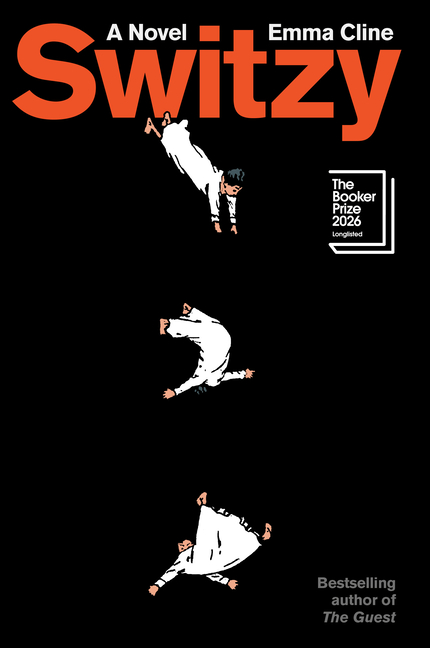
Switzy Author: Emma Cline ISBN-13: 978-1784746643Publisher: Chatto & WindusGuideline Price: £18.99; 352 pages In Ireland the Assisted Dying Bill 2024 proposed to legalise assisted suicide for individuals under specific circumstances. The Bill lapsed without legislation, but the subject remains one of the most complex ethical and legal debates of our time. In Switzy, bestselling US author Emma Cline allows the reader to consider the subject not as an abstract idea but through the lived reality of one man. David Hastings, an affluent 70-year-old with a dementia diagnosis, is on a final pilgrimage to an assisted dying facility in Switzerland. His life of wealth and privilege means all his material comforts are provided for; his concerns are purely existential. Cline does not explicitly concern herself with morality questions in relation to assisted dying. David has already reconciled himself to his choice and so that becomes moot. This is where the power of art reveals itself; the novel is not an act of legislation, but one of imagination and empathy. David travels by private plane from New York to London to visit his oblivious daughter, and reunites with an old friend in France, before landing in Zurich. He is cognitively sound enough to know the purpose of his trip, but not to handle the logistics, and so he is accompanied by an assistant. David’s mind is fragmenting. Memories are crystallised but in the present things have become “unbearable; meaningless”. He lives with “fear which lacked a shape” as if “someone else redacted his sentences”. The oscillation between the darkly comic innovations of the mind in a quest for understanding and the devastating consequences of its profound unravelling is deftly handled. The prose is hypnotic but also full of a surprising narrative tension. There are times, however, when the spell is broken by jarring shifts in perspective. Is it possible to pluck from our long-term memory details that were never retained in our short-term memory? David can, for example, recall now the three words – rose, ache, chair – that he was asked to remember but could not on the day of his dementia test months before. As such, there are moments when the functionality of his brain feels massaged in service to the narrative, in ways that feel discordant to what we understand to be his authentic cognitive state.Overall, however, Cline does a remarkable job of articulating a fractured human consciousness that humanises beautifully both the alienating mystery of dementia and an often-polarising debate. Longlisted for the Booker Prize, this is a worthy candidate for the win. [ Booker Prize 2026: Irish debutant features on longlist alongside Marlon James, Douglas Stuart and moreOpens in new window ]Helen Cullen is the author of The Truth Must Dazzle Gradually and the forthcoming Iseult
Switzy by Emma Cline: A remarkable act of imagination and empathy
Novel beautifully humanises dementia and the often-polarising debate about assisted dying
459 words~2 min read