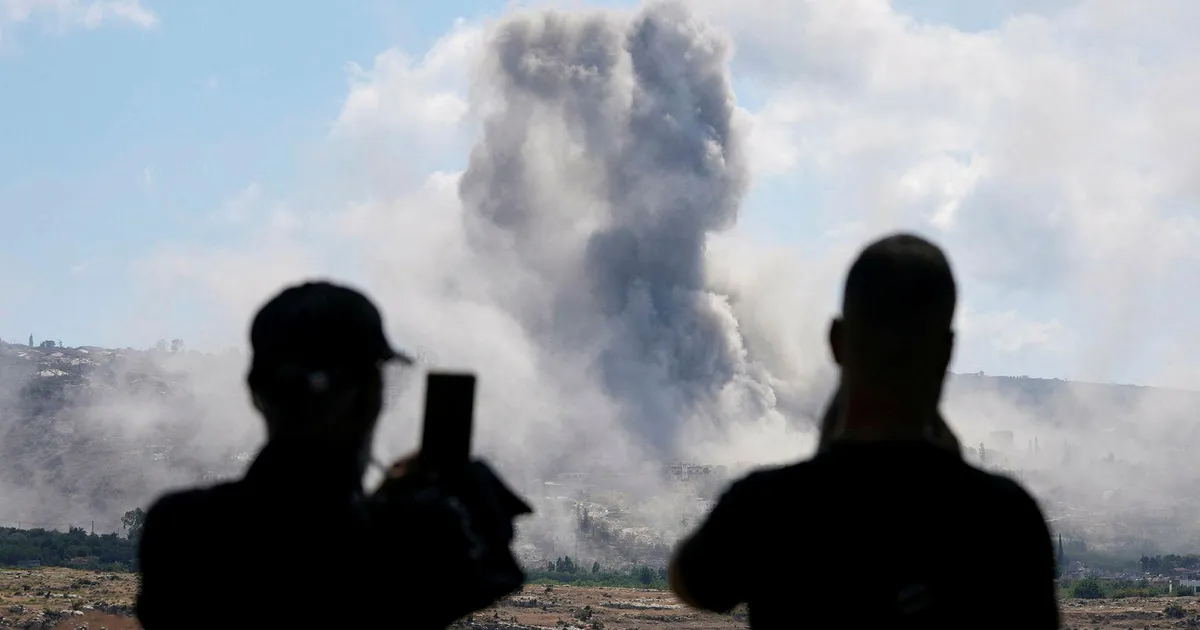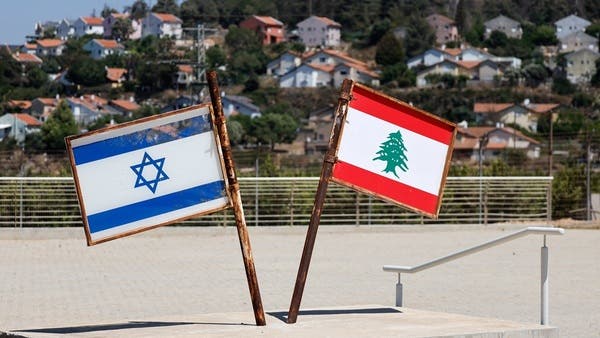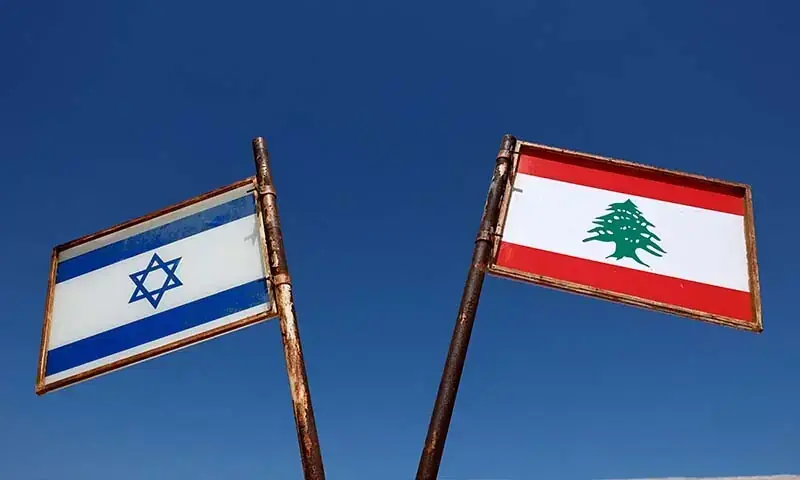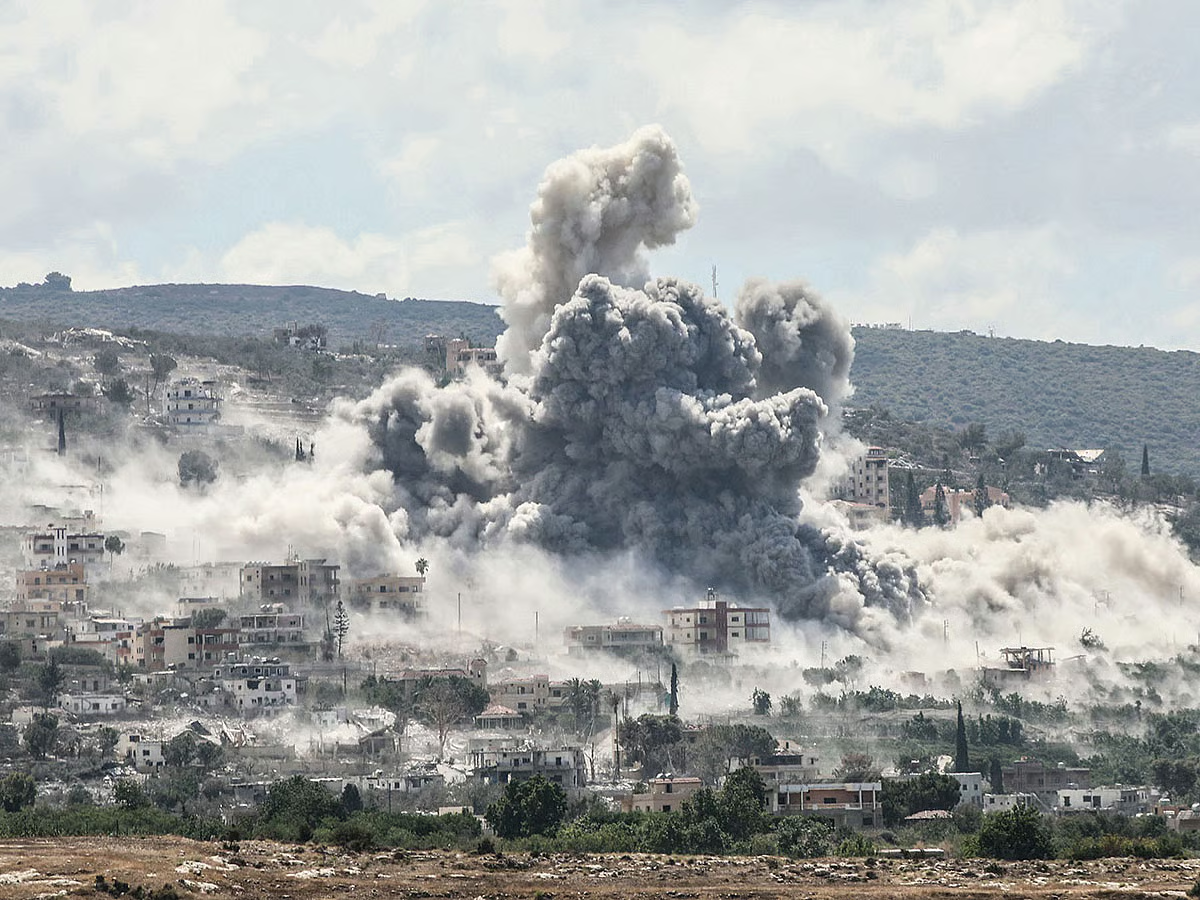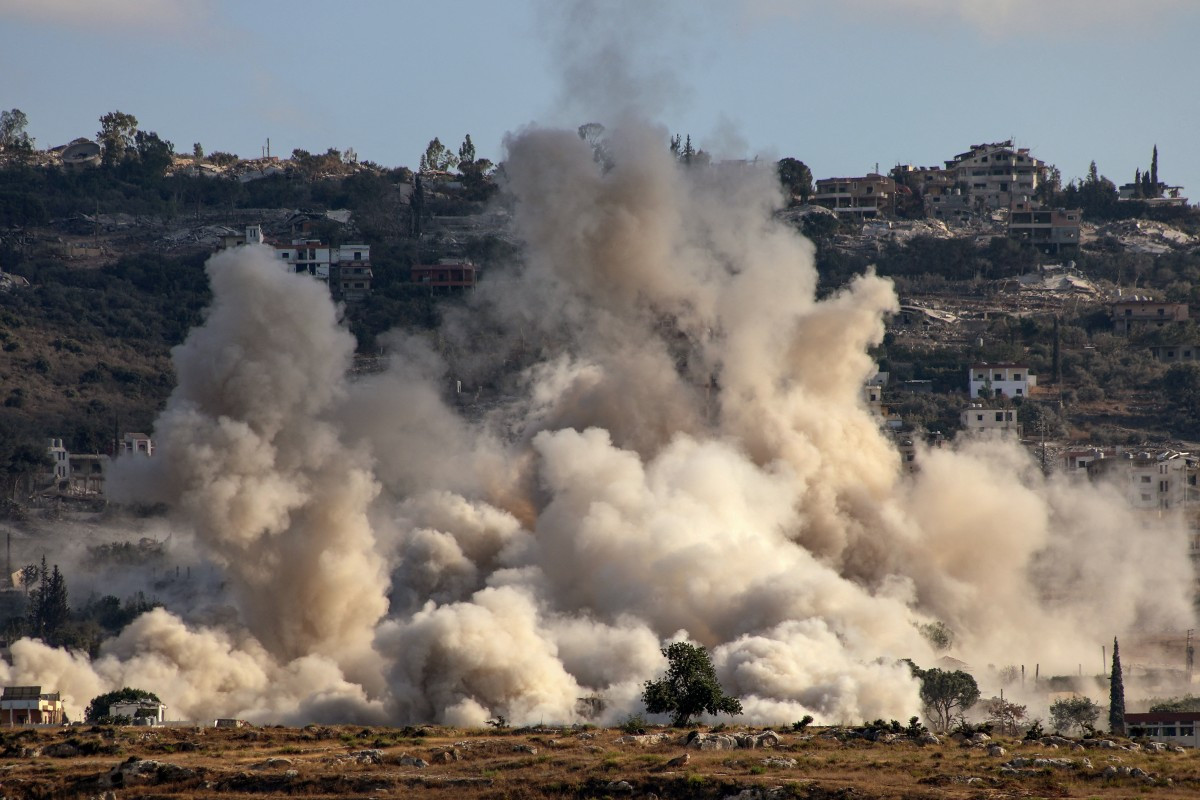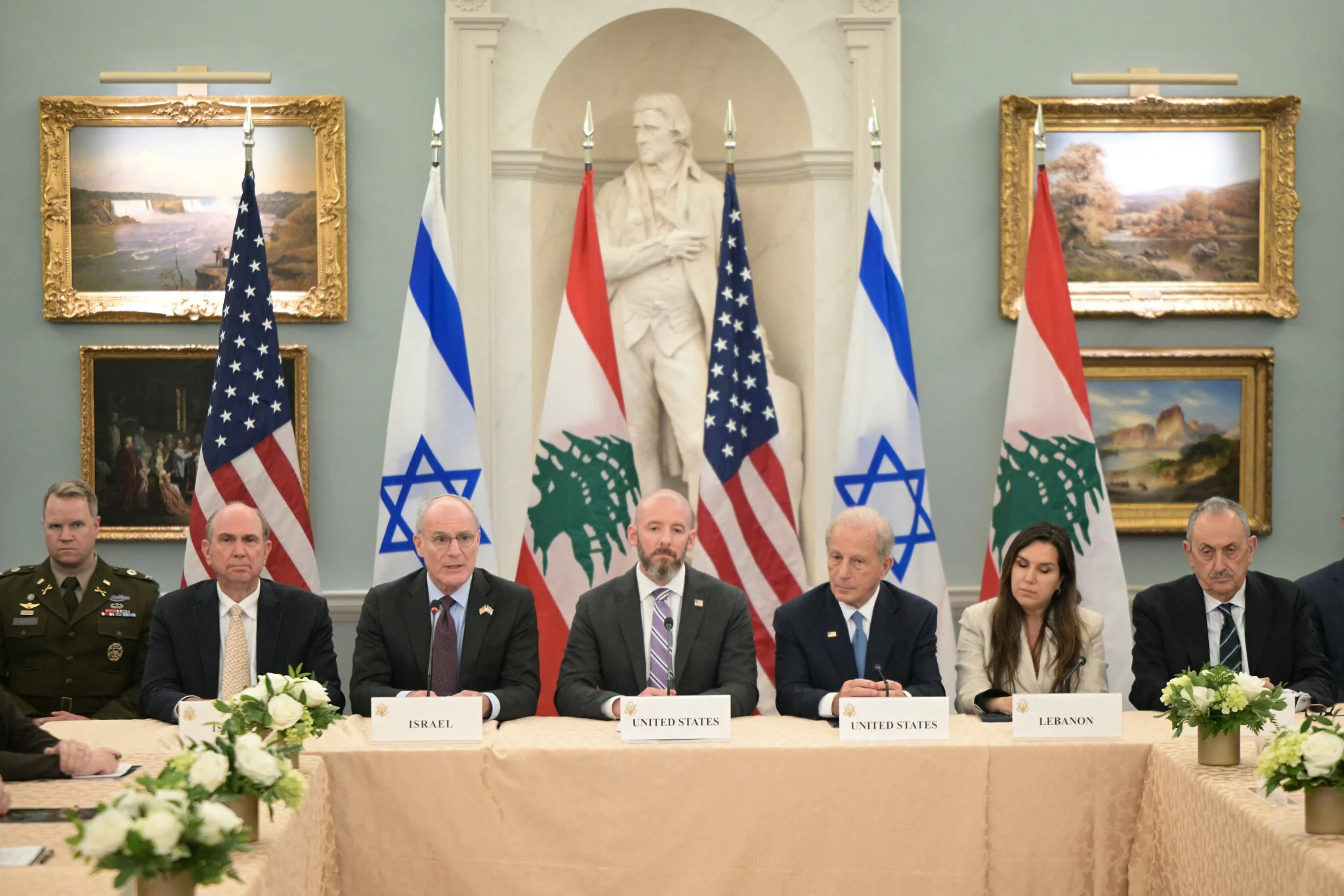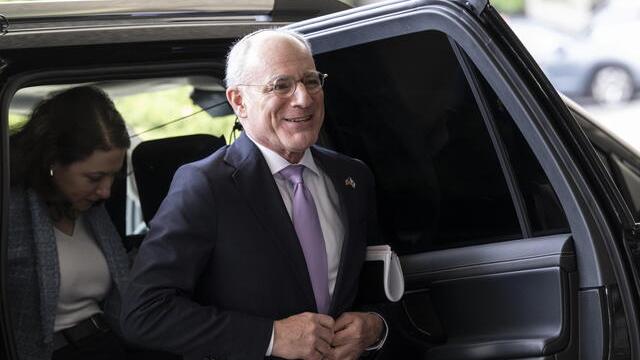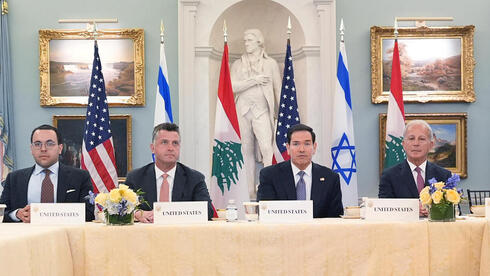
A US mediator says scheduling conflicts, including the UN General Assembly, a Paris conference and the Jewish holiday period, forced the delay, though the countries’ ambassadors are still expected to meet in Washington next weekAFP|Negotiations between Israel and Lebanon that had been scheduled for next week in Rome have been postponed until October, AFP reported overnight Friday, citing a U.S. diplomatic official involved in mediating the talks.The official said the Lebanese and Israeli ambassadors to the United States are still expected to meet in Washington next week "to discuss the latest developments and the gradual implementation of the agreement" reached between the two countries in June.Negotiations between the Lebanese and Israeli ambassadors to the United States (Photo: AP Photo/Jacquelyn Martin)A source familiar with the matter said scheduling constraints, particularly the United Nations General Assembly later this month, had forced the latest round to be postponed.Axios reported that the Jewish holiday period and a conference in Paris next week in support of the Lebanese Armed Forces were also factors in the decision.Israel and Lebanon, which formally remain at war, signed a framework agreement in late June setting out the deployment of the Lebanese army in designated "pilot areas" vacated by Israel, subject to Hezbollah being disarmed.The framework "remains the only practical mechanism for restoring Lebanon's sovereignty and Israel's security," the U.S. official said.Israel and Lebanon held two rounds of U.S.-mediated talks in Rome over the summer. Washington announced in mid-August that a third round would take place in the Italian capital in early September, but that meeting has now been delayed by at least a month.The postponement comes as the political track remains closely tied to efforts to weaken Hezbollah's military presence in Lebanon and expand the authority of the Lebanese state.A senior Lebanese official told Ynet and Yedioth Ahronoth this week that Lebanon needed Israeli help to make that process possible."Israel has to help us. Israel has to give us oxygen," the official said. "The Lebanese people today dream of peace with Israel. That hope began when Israel eliminated Nasrallah, who was the strongest man in Lebanon and held the country hostage. Hezbollah is the cancer of Lebanon, but for this to succeed we need your help."The official acknowledged that a pilot effort to clear weapons and military infrastructure from three Lebanese villages had achieved only limited success, saying the Lebanese army remained too weak to confront Hezbollah directly."It is clear to us that only you can do the job, but do it properly," the official said. "You need to declare that when Hezbollah is disarmed, Israel will withdraw completely. Then peace between the countries will be possible."As part of the negotiations, Israel decided last week to release five Lebanese prisoners as a diplomatic gesture. Lebanon, meanwhile, is searching for the remains of missing Jews believed to be in the country.The diplomatic track has continued even as Israel carries out military operations inside Lebanon.On Thursday evening, the IDF said it used more than 1,100 tons of explosives to destroy tunnels beneath the Ali Taher Ridge in southern Lebanon.Destruction of underground infrastructure on the Ali Taher Ridge (Video: IDF)The ridge rises to about 600 meters and lies between the Litani River and the Nabatieh plateau and city. According to the IDF, the Hezbollah complex there consisted of eight fortified underground routes built with Iranian assistance and had become one of the group's key operational centers in southern Lebanon.Because of its depth and fortifications, Israeli security officials said the complex was difficult to destroy through airstrikes alone.A security official said the underground infrastructure extended for about 5.4 kilometers and was among Hezbollah's deepest and most strategically important systems in southern Lebanon.Hezbollah, according to the Israeli assessment, positioned its Badr regional command and heavy fire capabilities on the ridge because of its commanding view over roads and routes leading toward the strategically important Nabatieh plateau.The location was also close enough to the Israeli border to support rocket and other fire toward northern Israel and to serve as a defensive position against an Israeli advance northward.The IDF said troops found command centers, weapons rooms, generator rooms, living quarters, showers and a kitchen underground, facilities it said allowed Hezbollah terrorists to operate and remain there for extended periods.The military said the infrastructure had been built over roughly two decades by Hezbollah's Badr unit and was used to direct fire, fight Israeli forces and prepare attacks against Israeli civilians.
Israel-Lebanon talks in Rome postponed to October as diplomatic calendar fills up
A US mediator says scheduling conflicts, including the UN General Assembly, a Paris conference and the Jewish holiday period, forced the delay, though the countries’ ambassadors are still expected to meet in Washington next week
733 words~3 min read