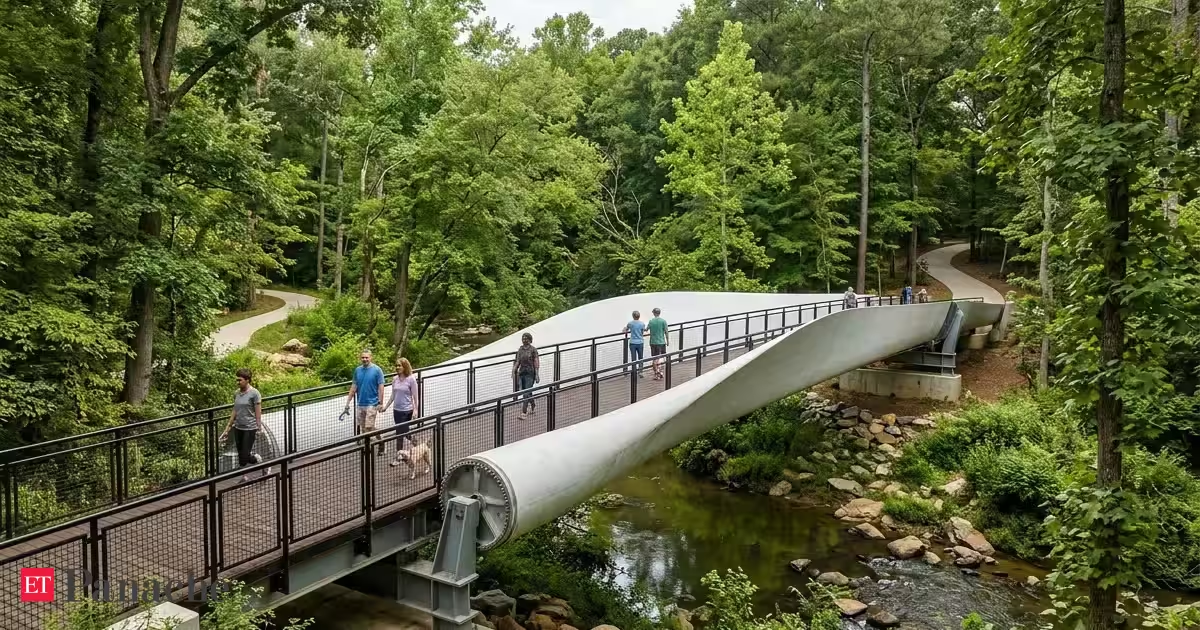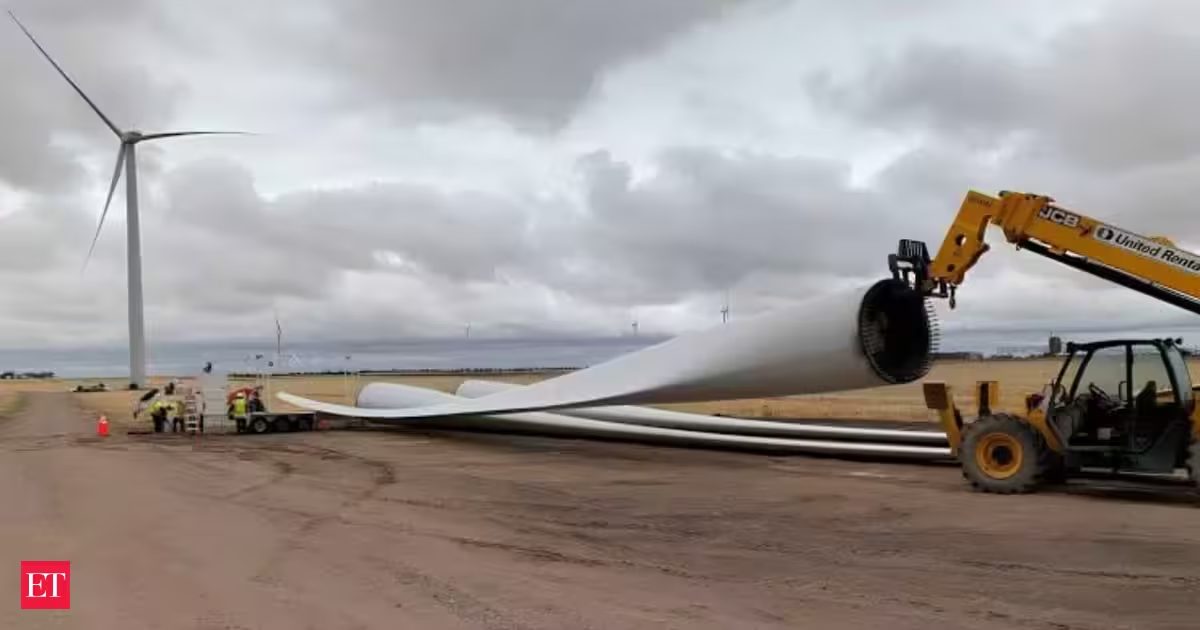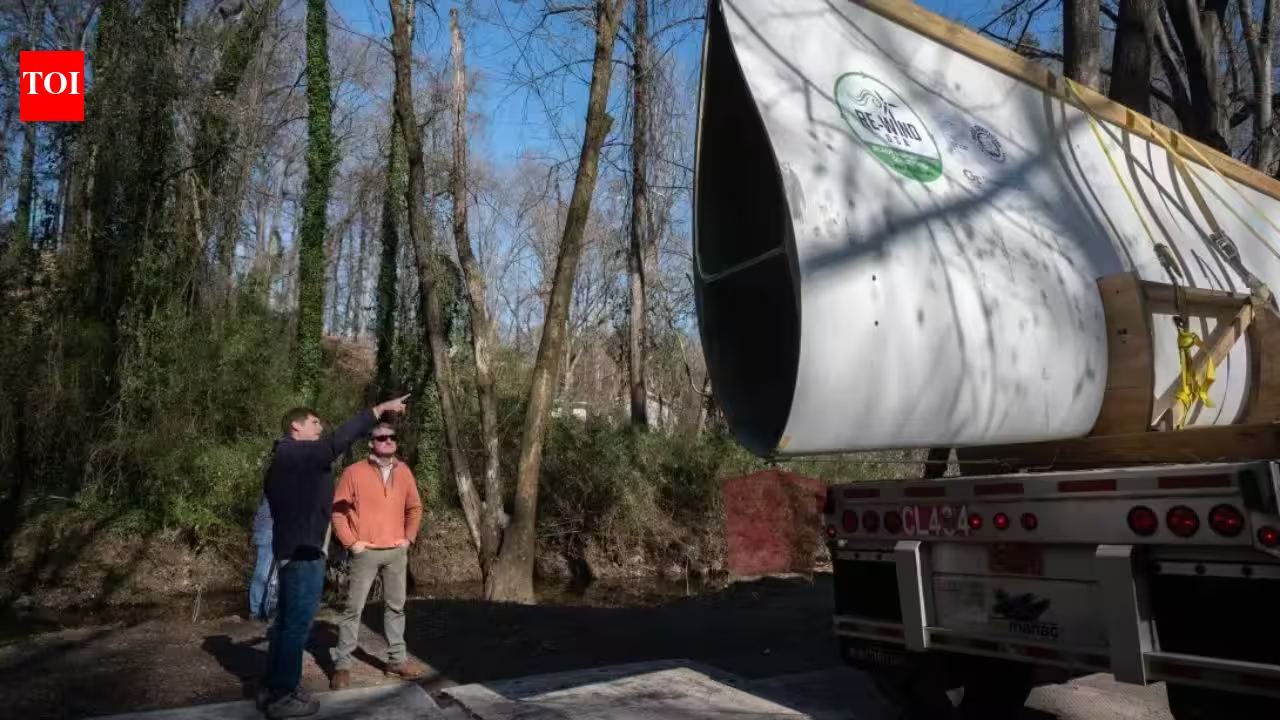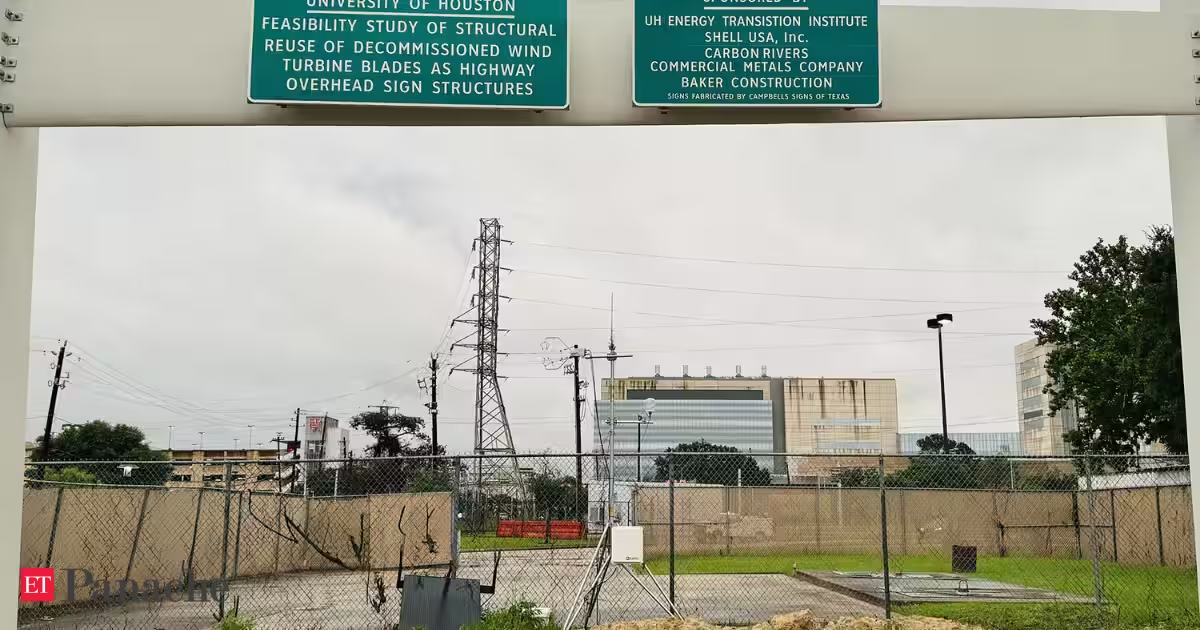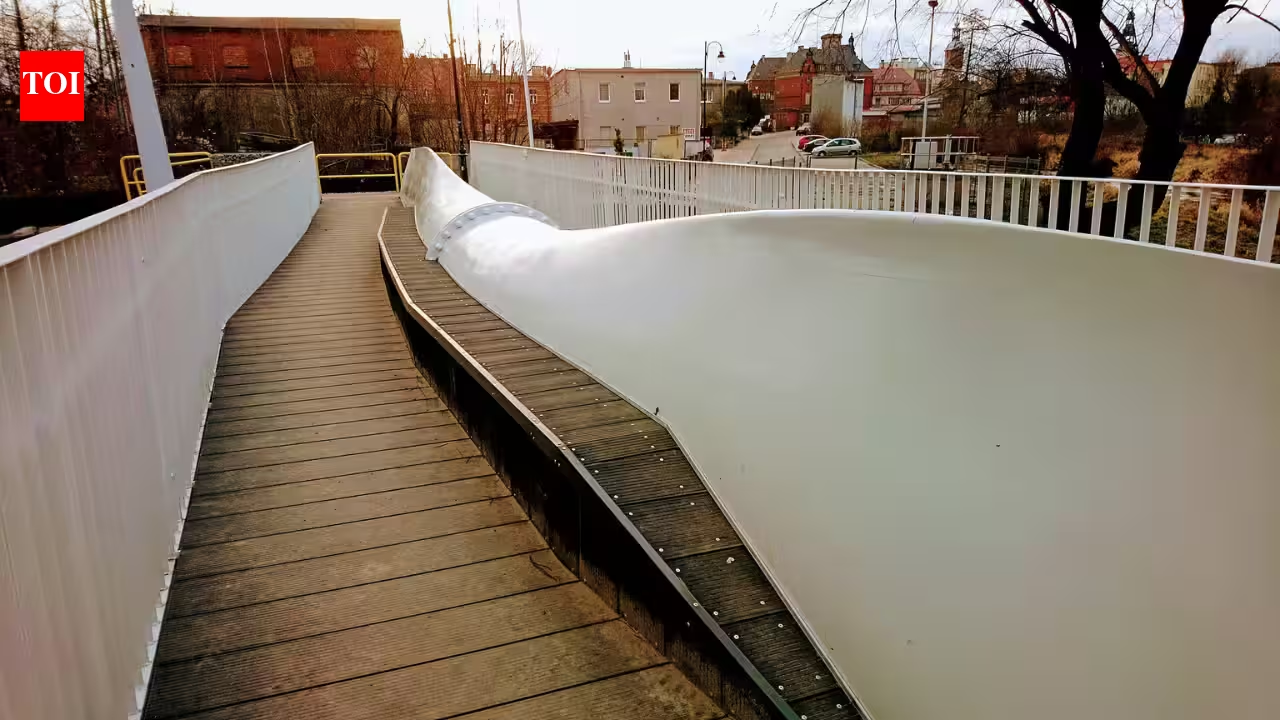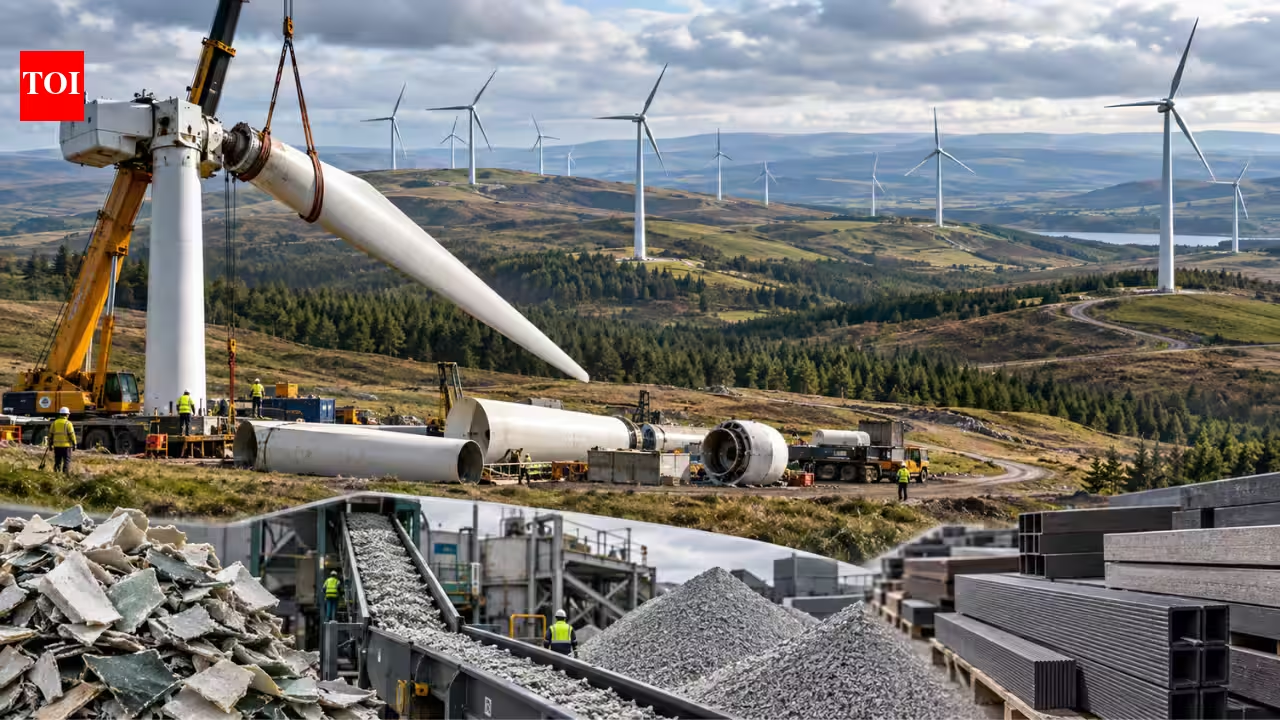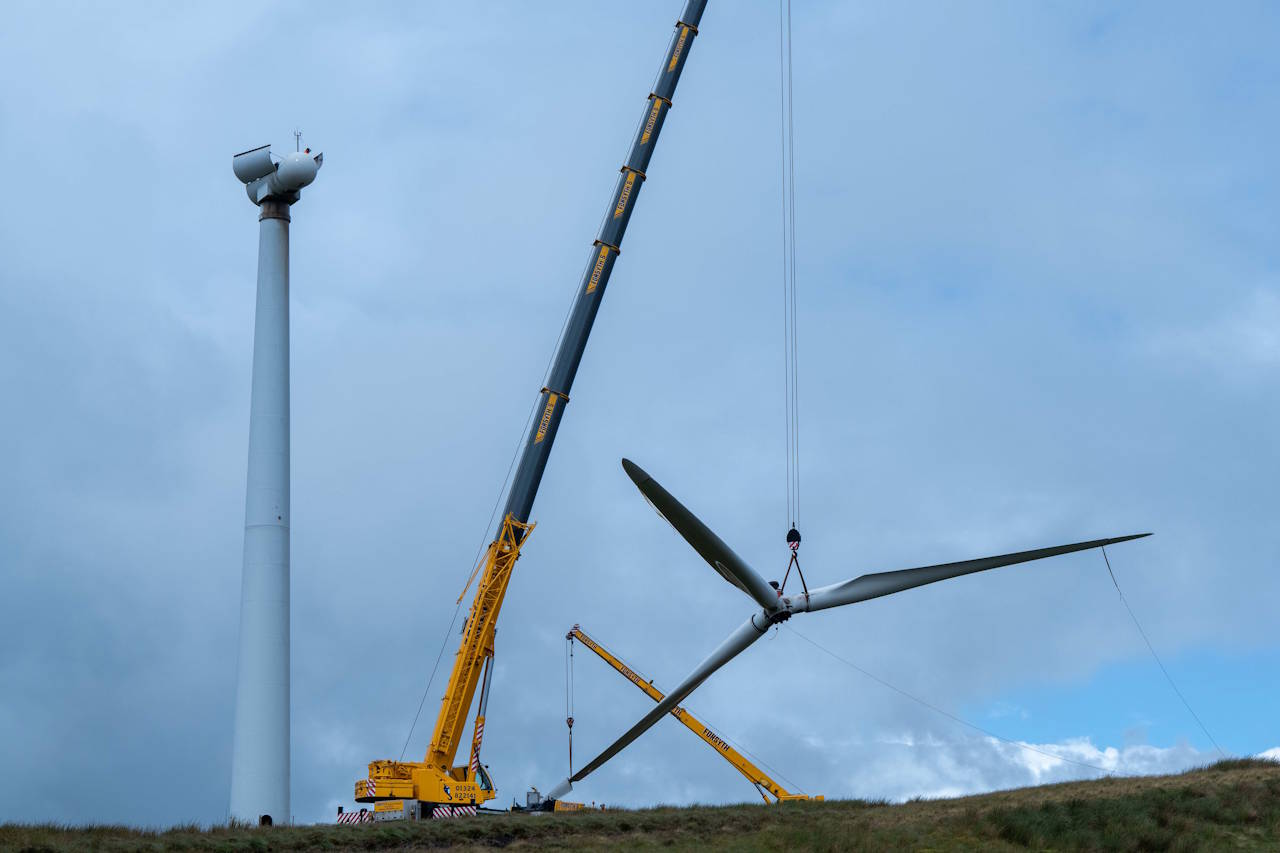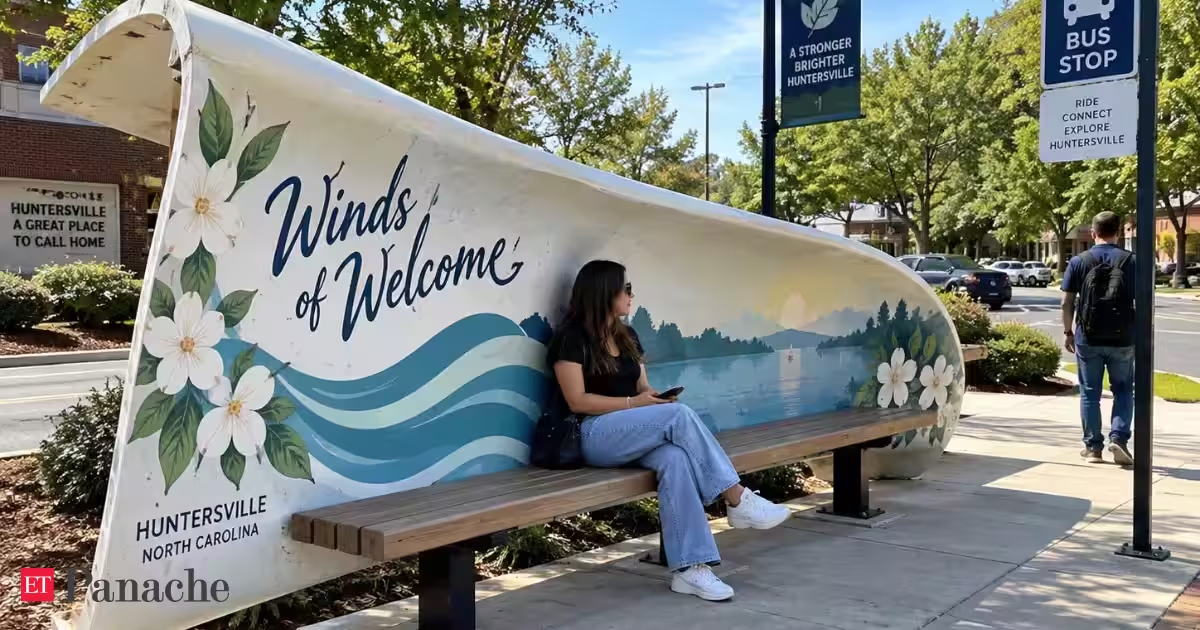
A wind turbine blade that once spent years helping generate renewable electricity has found a very different second life in North Carolina. Instead of heading towards disposal, the enormous composite structure has been transformed into a colourful public-art bench designed to give a local community both a place to sit and a reminder of sustainability. The project is part of a growing effort in the US to find practical uses for retired wind-turbine blades, which can be difficult to recycle because of their composite construction.From wind turbine to public benchThe project began with a retired wind-turbine blade that was converted into a large outdoor bench for Huntersville, North Carolina. The original Beautify Earth listing describes it as a sustainable bus-stop bench and says the artwork was intended to represent the local community and create a welcoming public space. There is an important detail in the listing: although the page is labelled Yadkinville, its project instructions repeatedly identify Huntersville, including a Huntersville email address, an installation site on Seagle Street and the planned bus-stop location on NC 115.Image courtesy: ChatGPTThe finished artwork, titled “Winds of Welcome”, was created by artist Junior Gomez. Noblewins says the design incorporates references to Huntersville's native dogwood flowers and the rolling waves of nearby Lake Norman. The result is more than just a piece of street furniture. It turns a material associated with industrial-scale renewable energy into something people can physically use.Also Read: Maharashtra farmer grows roses and other flowers on just one acre. His sustainable polyhouse earns him Rs 12,000 dailyHow big is the recycled bench?According to the project specifications, the bench uses a 3-to-5-inch-thick fibreglass retired wind-turbine blade. It measures roughly 90 to 96 inches wide, 36 inches deep and 80 to 86 inches high, with a listed weight of about 2,500 pounds. The project also specifies a composite-lumber seat and describes the blade material as moisture-resistant and suitable for outdoor conditions. The artwork was commissioned through Huntersville's Public Art Commission, with $3,000 allocated for the artist's work through a Downtown Revitalisation Grant from ElectriCities, according to the original call for artists.Image Courtesy: Chat GPTWhy are old wind-turbine blades a problem?Wind power may produce clean electricity, but dealing with turbine components after their working lives end is becoming a growing challenge. The US Department of Energy says most of a turbine can be recycled, but composite components such as blades have historically been harder to process. It estimates annual wind-turbine blade waste could reach 200,000 to 370,000 tons by 2050, depending on how long components remain in operation. That difficulty has encouraged researchers and companies to look beyond conventional recycling.Also Read: Australian researchers turned discarded mine pipes into artificial dens for an endangered marsupial; cameras caught northern quolls using themIn Iowa, public-media outlet Iowa PBS has reported on another company turning retired turbine blades into outdoor furniture. Brian Donahue of Canvus explained that the company combines blade material with other recycled materials to create benches and other products designed for long outdoor use.A new life for renewable-energy wasteHuntersville's project shows how reuse can take a different path from traditional recycling. Rather than breaking the blade down into smaller materials, part of its original structure is retained and converted into a functional object. That approach is particularly interesting because the material that once had to withstand powerful winds is now being asked to withstand something much more ordinary: years of weather, public use and daily life.Also Read: Utah moved Beavers into a dying river to restore it. Six years later, the results were not what scientists expectedAs America's wind fleet ages, projects like this could become increasingly common. A retired blade does not necessarily have to end its journey as waste. In some communities, it could become a bridge, a bench, a piece of public art or something nobody would have expected when it first left the factory.
In North Carolina, a retired wind turbine blade now serves as public bench at bus stops. This 2,500-pound bench has an unusual past
North Carolina has embraced sustainability by turning a retired wind turbine blade into an impressive public art bench known as 'Winds of Welcome.' This initiative showcases local artistry while addressing the recycling difficulties associated with turbine blades. By converting industrial waste into functional art, the project encourages eco-friendly practices and enhances community spaces, demonstrating an inspiring model for future initiatives.
643 words~3 min read