It is no wonder Belgian cinema has risen internationally in recent years. Cinema is, after all, a language, and Belgian filmmakers come from a country built on the need to understand language as a bridge—between its regions, its people, and its idioms. The country has three official languages—Dutch, French and German—and is divided both regionally and culturally into three highly autonomous regions: Flanders, in the north; Wallonia, in the south; and the Brussels-Capital Region, right in the middle.
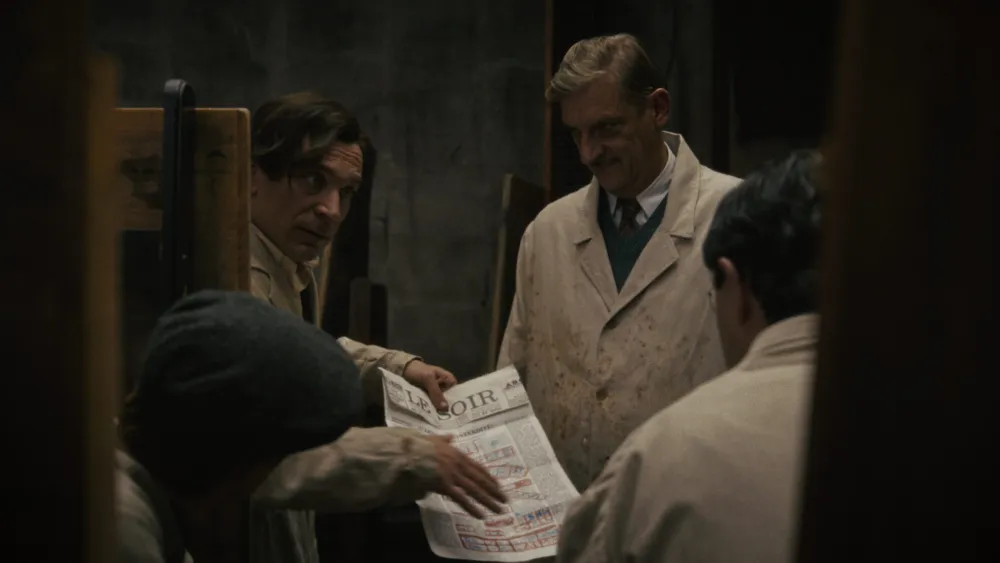
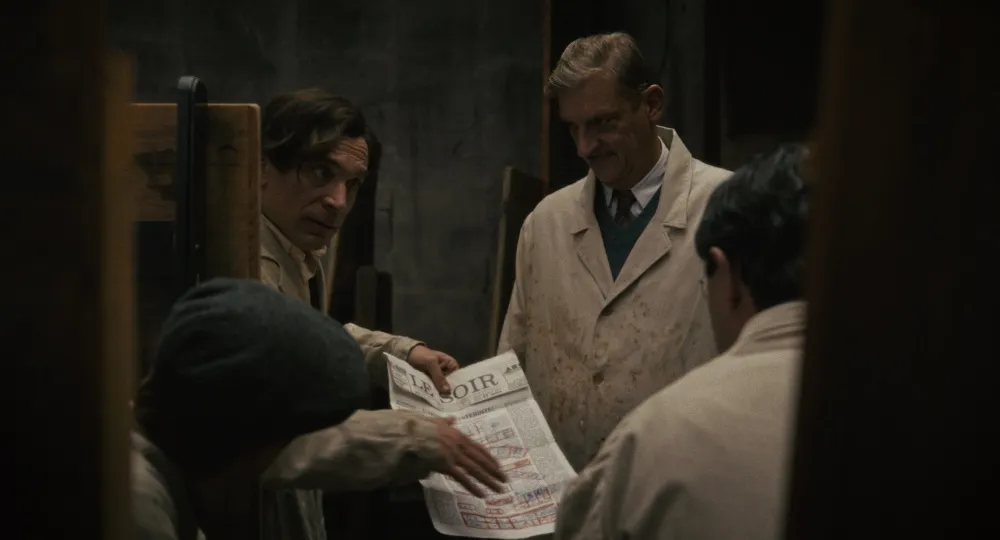
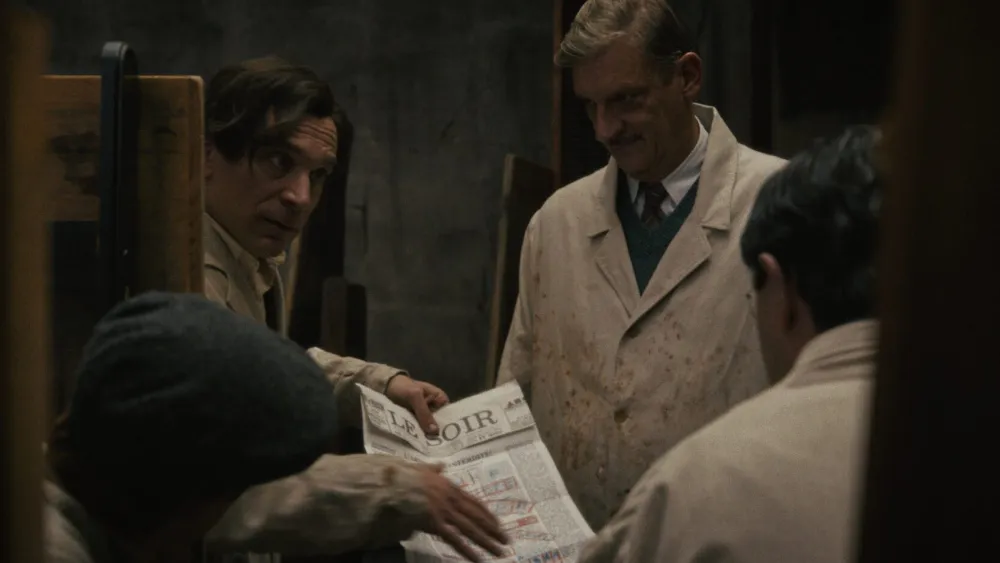
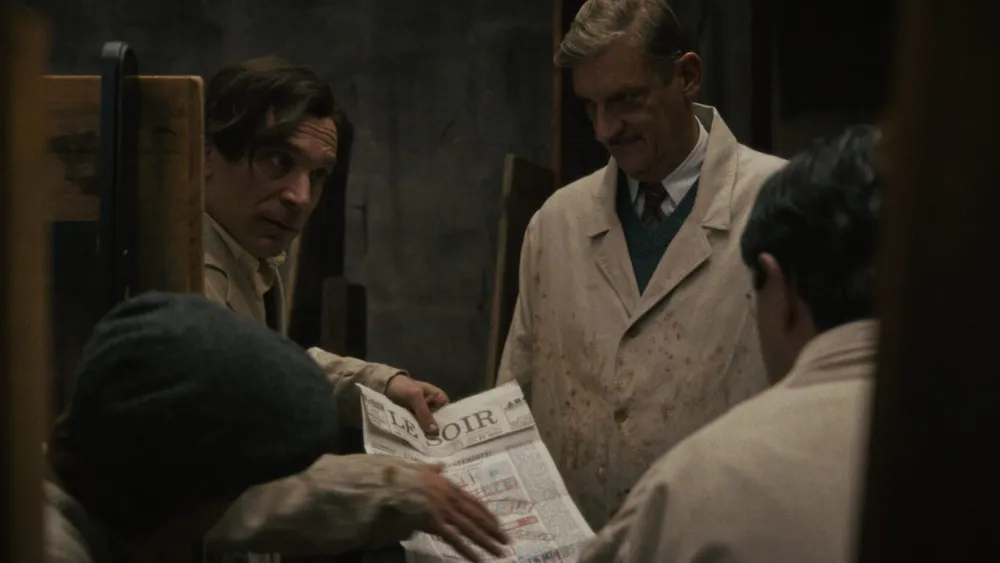
The Walloon region has experienced a great year in cinema, set to be crowned by the world premiere of Michaël R. Roskam’s “Le Faux Soir” at the Toronto International Film Festival—with the film then heading to San Sebastián in a prominent slot as the festival’s closing gala. The latest by the renowned “Bullhead” director chronicles the real-life story of how the Belgian resistance pulled off an almost unfathomable feat: at the height of the Nazi occupation of the country in 1943, a resistance group organized a fake edition of Le Soir, the country’s largest newspaper, appropriated by the Germans as a propaganda machine.
The film marks a homecoming for Roskam after working on Hollywood projects over the last few years. The director says the film led him to reflect how Belgians are often “too modest about their own history.”