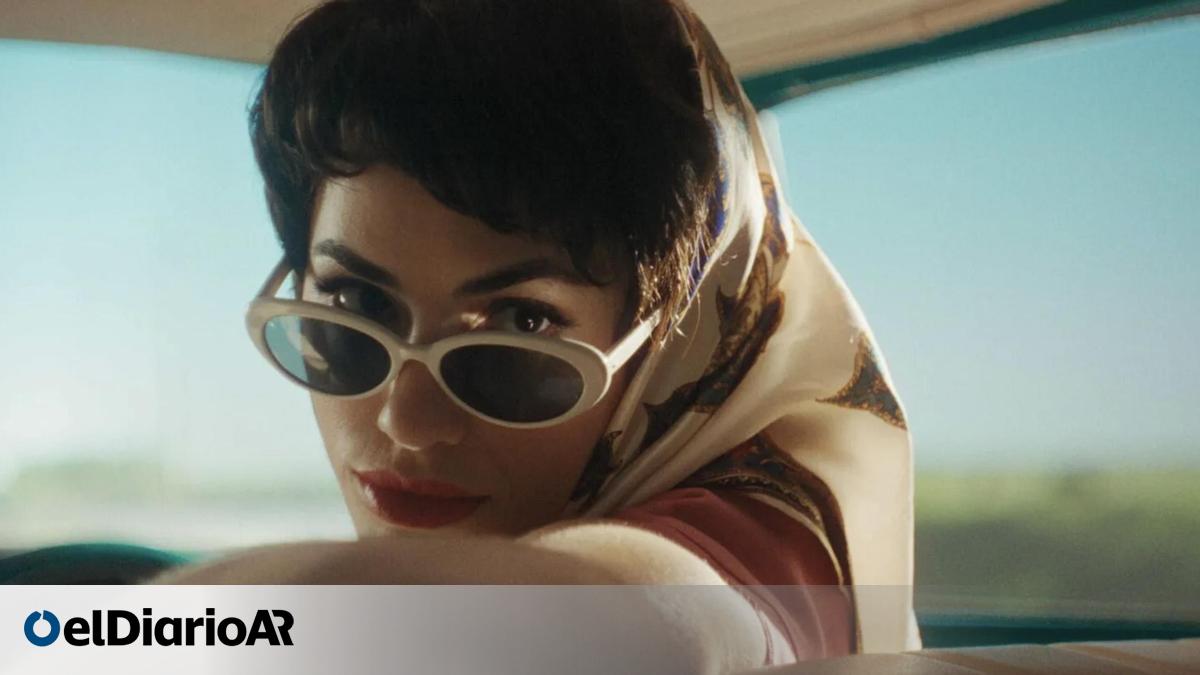
“At what precise moment had Peru fucked itself up?” Nobel Prize winning author Mario Vargas Llosa famously asks at the beginning of “Conversation at The Cathedral.”
In “Glaxo,” one of the most awaited of Latin American films this year, director Benjamín Naishtat charts what he describes as the whole of Argentina’s loss of innocence, which again has its origins in 1950s dictatorship and is equally pervasive.
After the lighter turn of co-directing “Puán,” a “deliciously droll” makeover movie, said Variety, in “Glaxo,” which world premieres in Toronto’s Special Presentations, Naishtat returns to the disturbing collective psychology portrait of “Rojo,” charting the impunity of power — a cop, and the Glaxo corporation — and a tale of betrayals in its central coming of age section.
Set along three timelines — Florida, outside Buenos Aires, on June 6, 1956, and then Chivilcoy, a town in the sticks also outside the Argentine capital one year later and then in 1984.
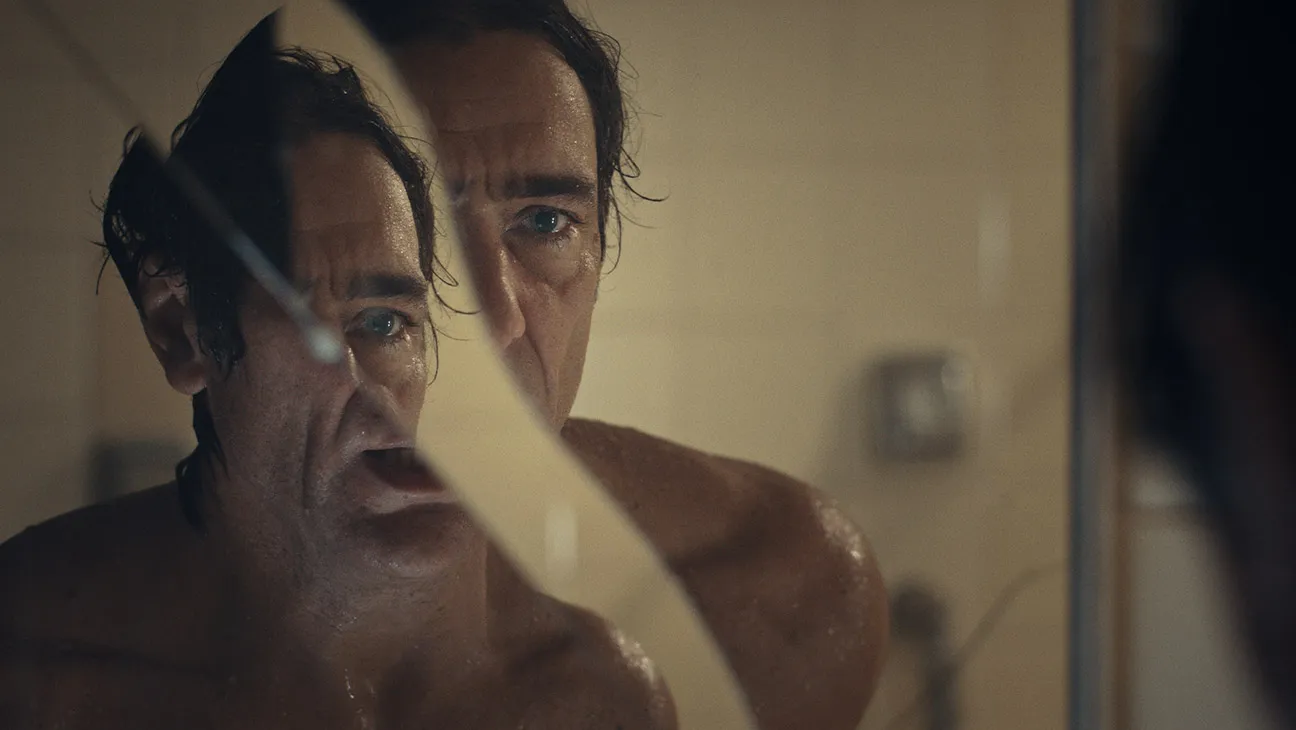
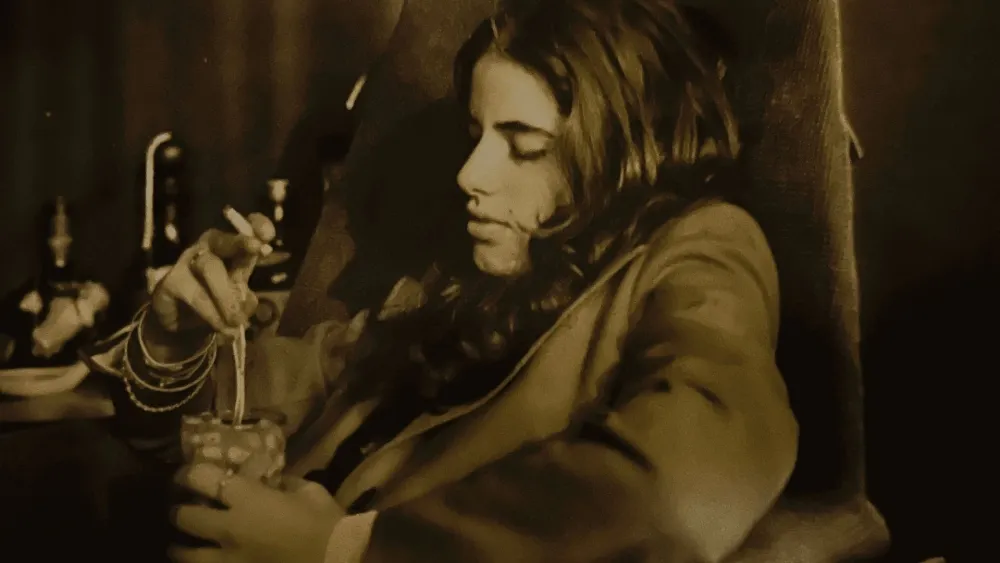
Esteban Bigliardi as Flaco in ‘Glaxo’