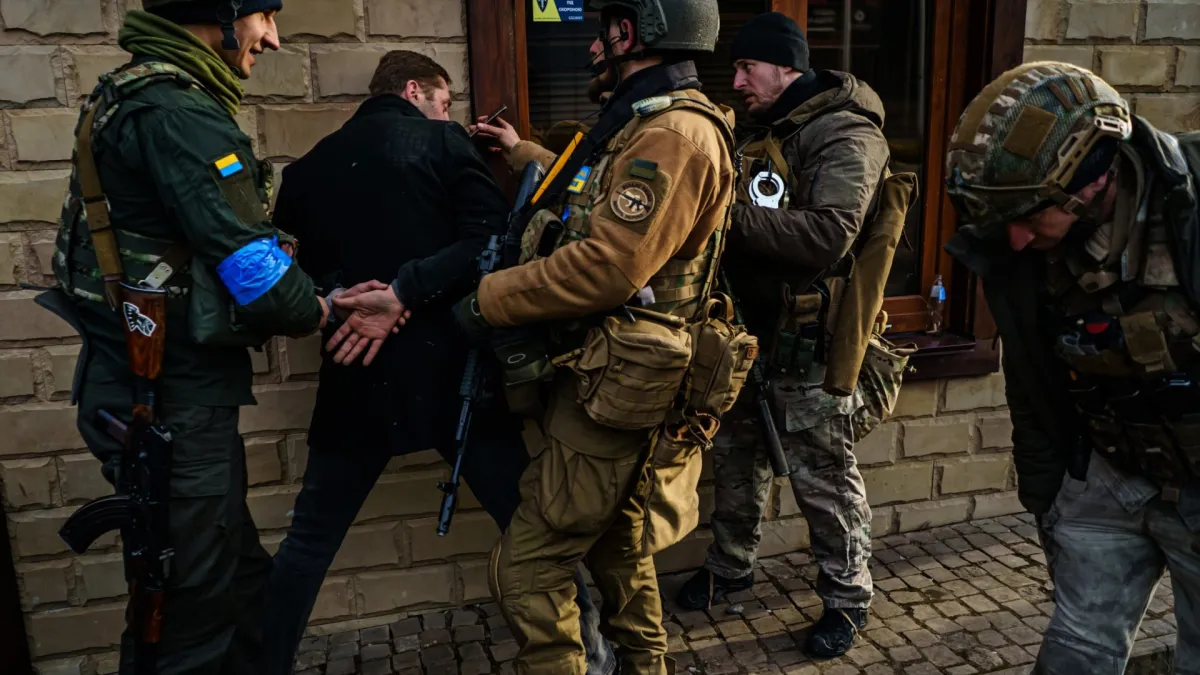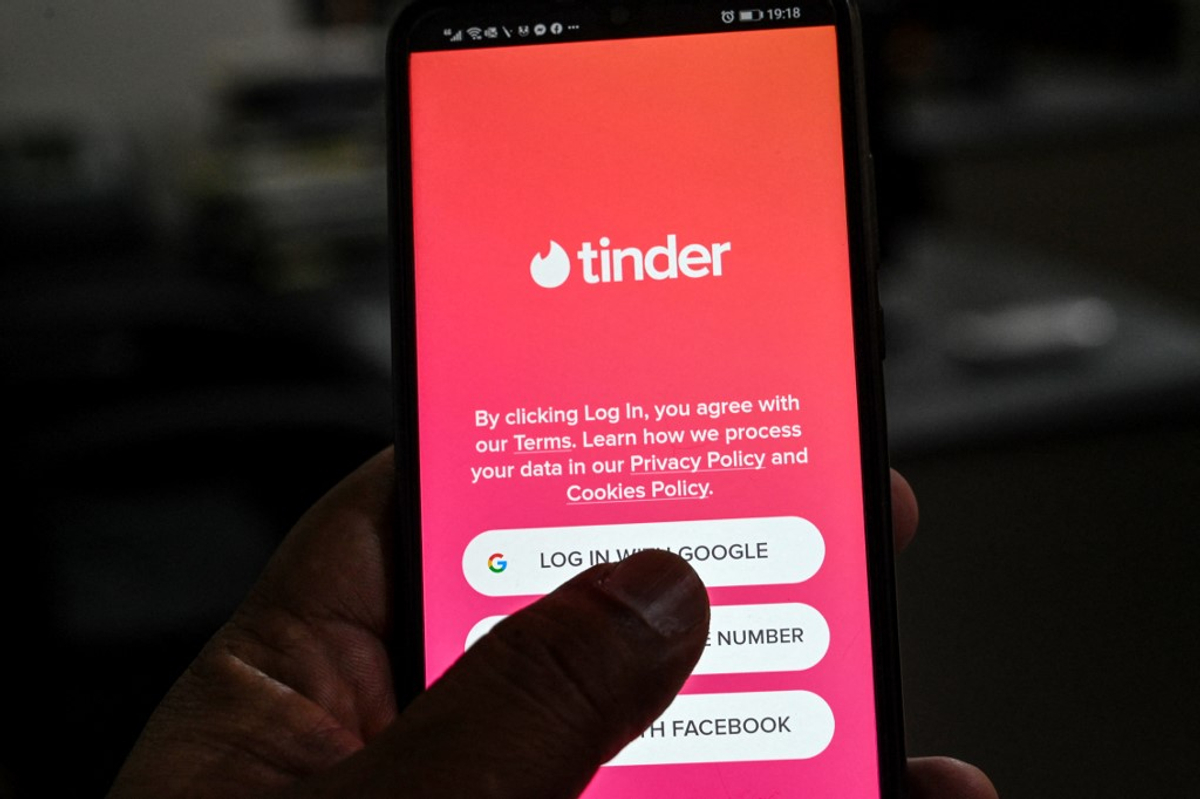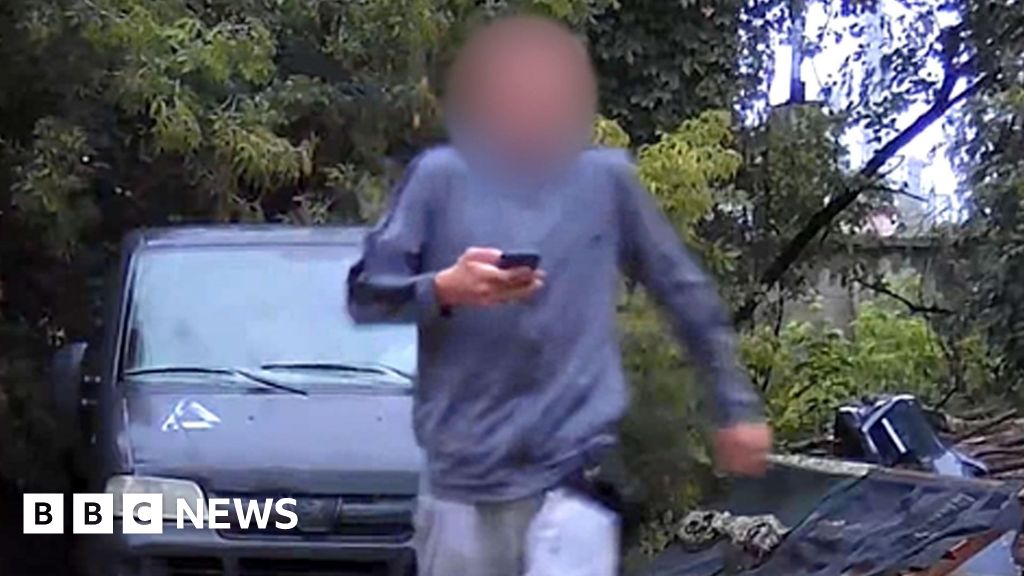
It is an ordinary evening in a Ukrainian city. A soldier on rotation matches with a woman on a dating app. She is warm, attentive, quick to reply. Over several days, trust builds. She suggests a place to meet. What the soldier cannot know is that the profile is run by a Russian intelligence handler, the photographs are stolen, and the meeting point was chosen before the first message was ever sent, because the explosives are already there. The date is a trap.
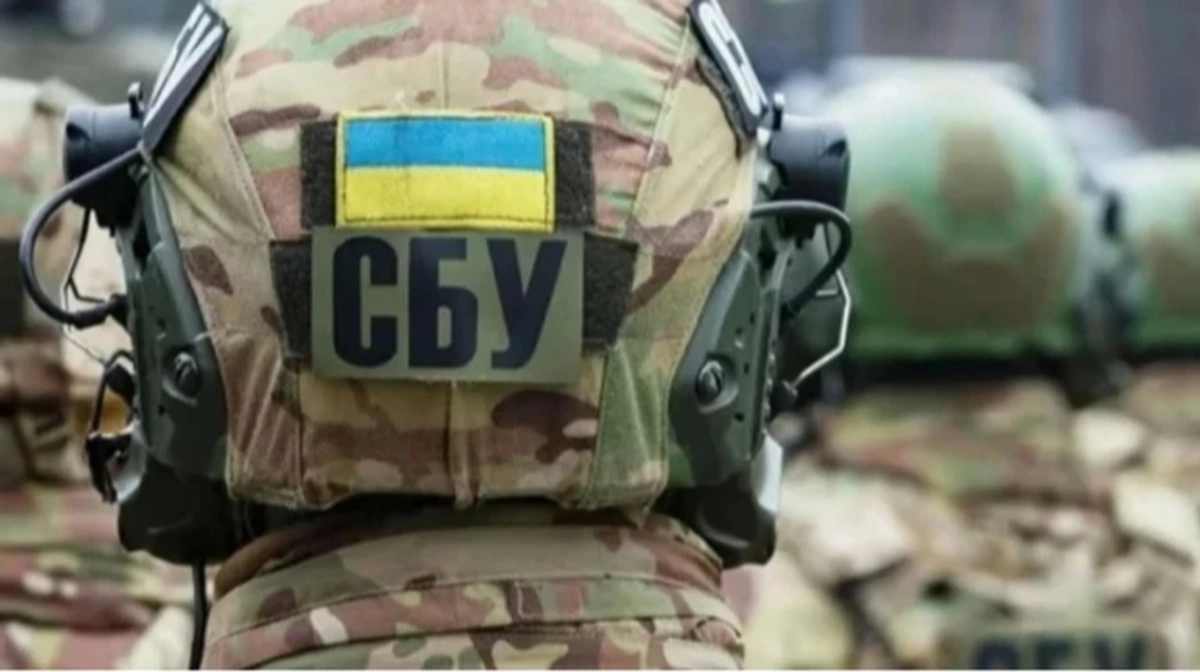
This is not a scenario. It is a documented Russian tactic used inside Ukraine. Such traps are part of a Russian digital campaign that runs through messaging apps, job boards, online marketplaces, social networks, and increasingly through children.
The war in Ukraine is usually told in the traditional language of military combat with an emphasis on missiles, drones, artillery, and the line of contact. But since spring 2024, Russia has been waging a second campaign far behind the front lines. Its weapons are arson, sabotage, and terrorist attacks. Russia’s instruments are Ukrainians themselves, who are recruited online, deceived, and discarded. The objective is to spread fear, manufacture chaos, and destabilize the state from within.