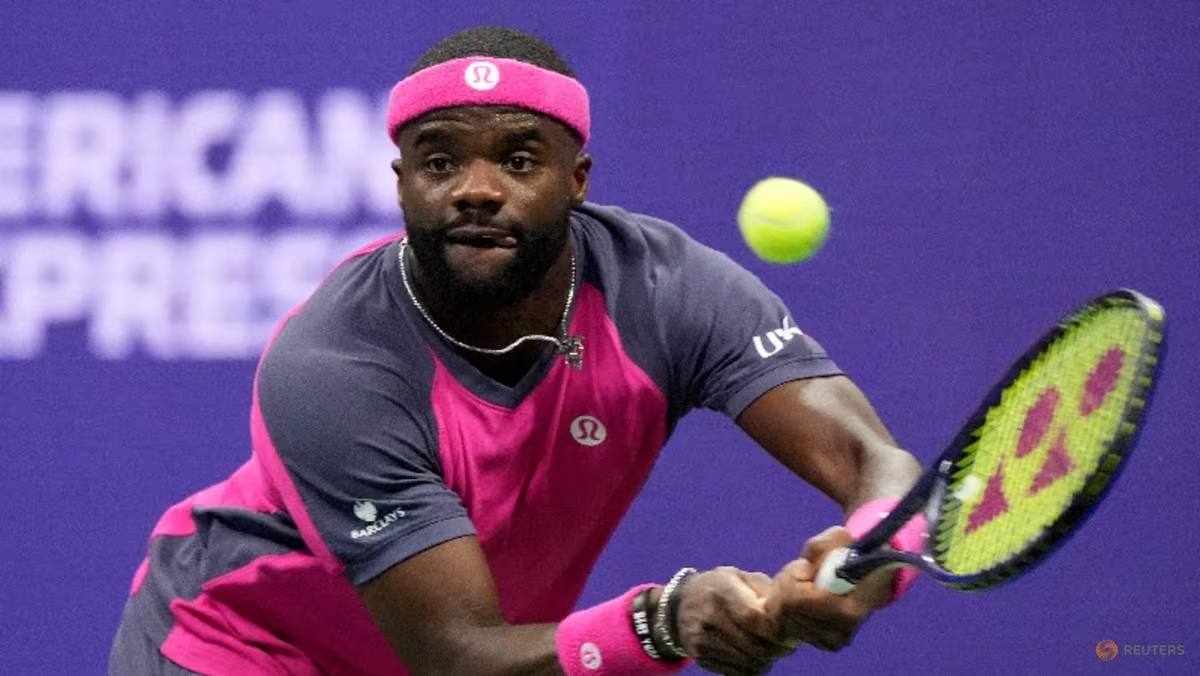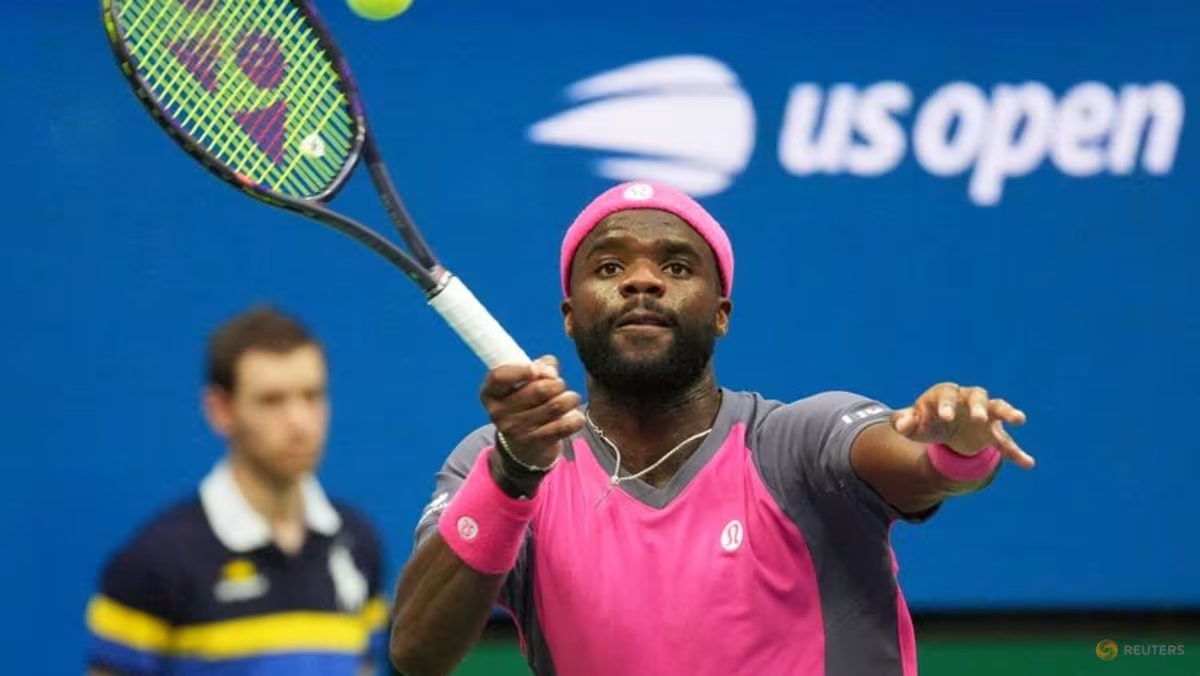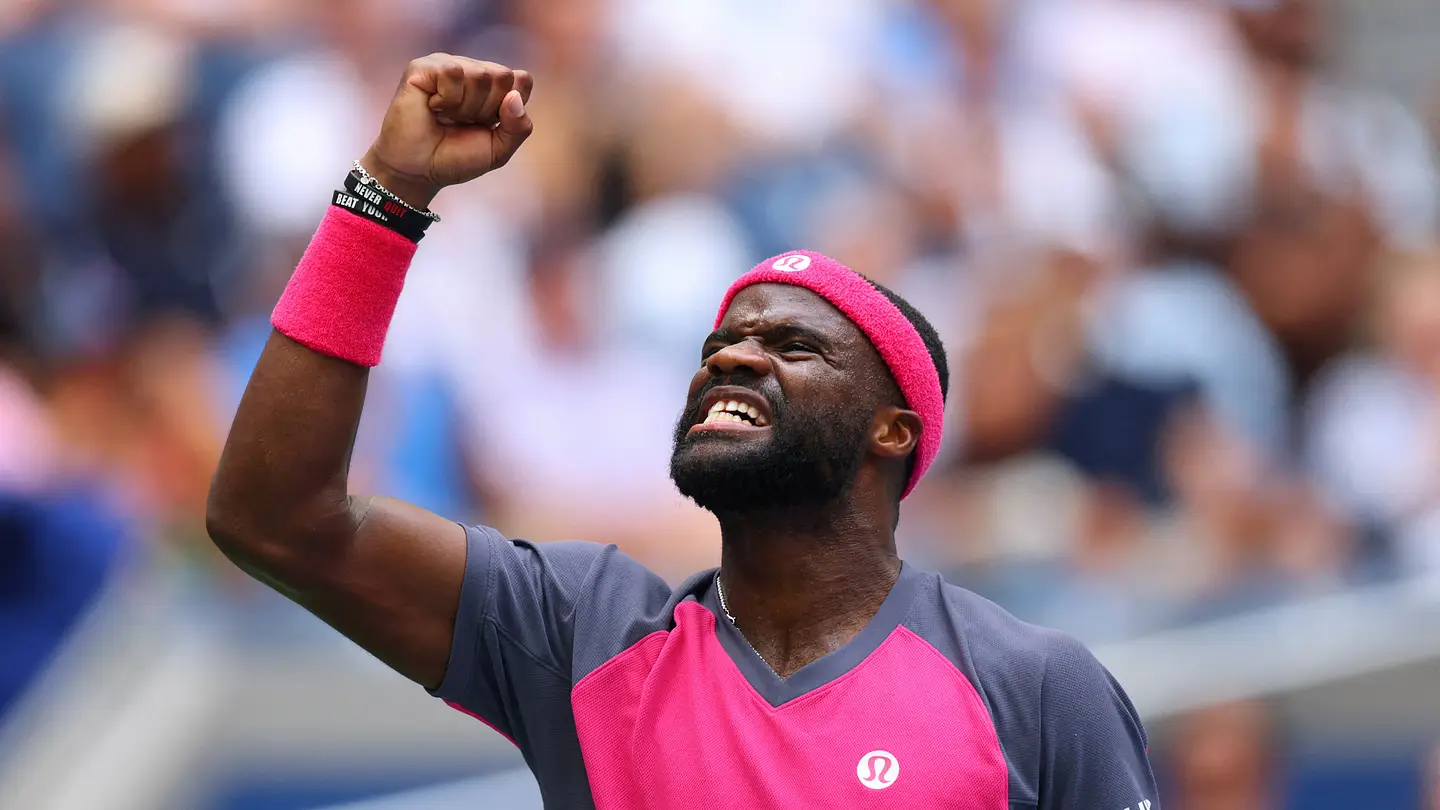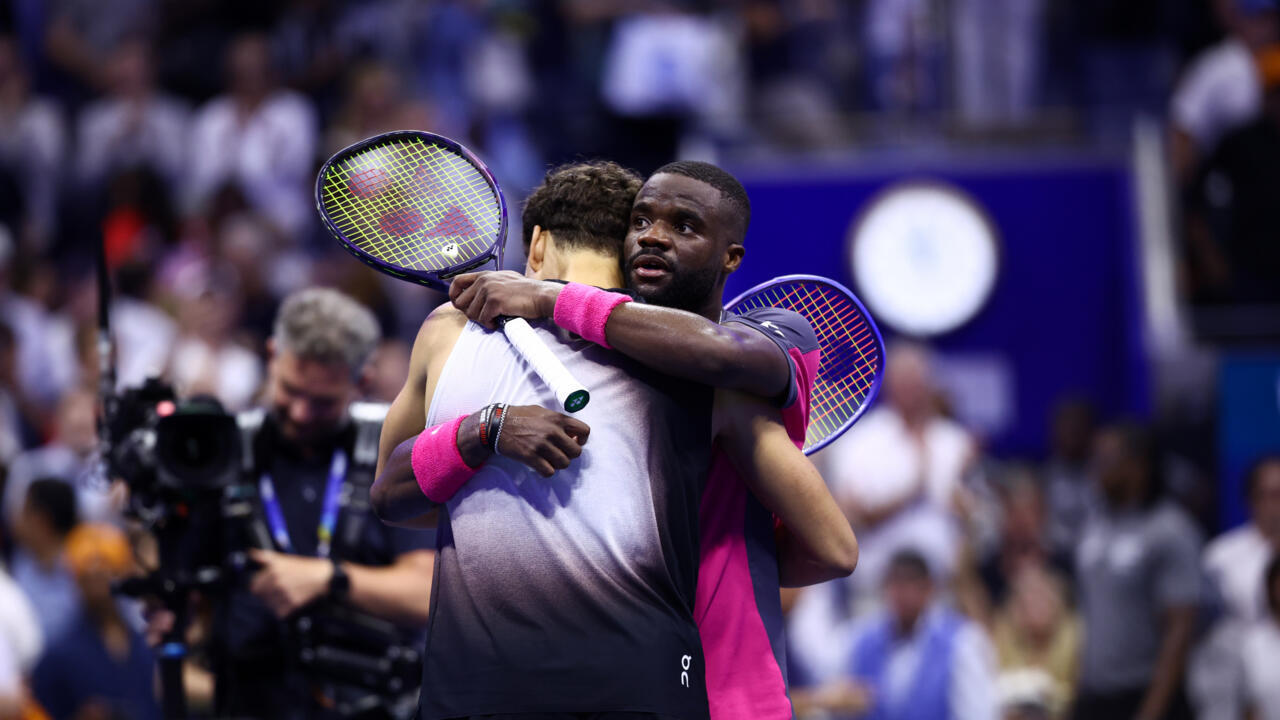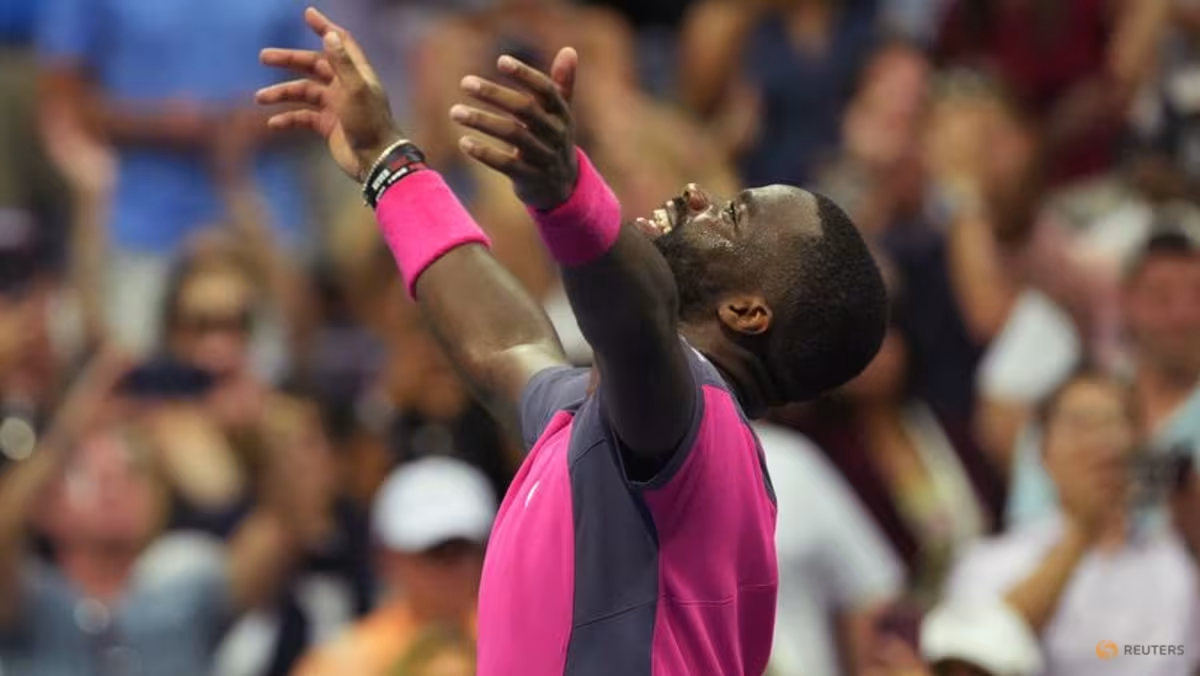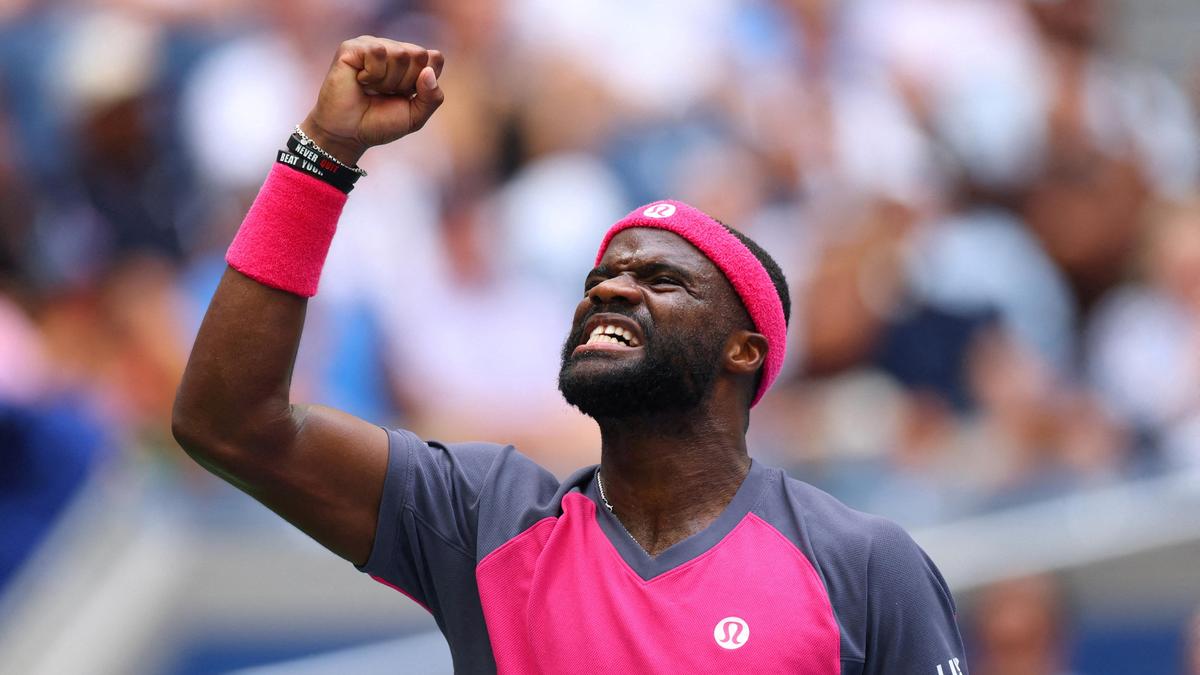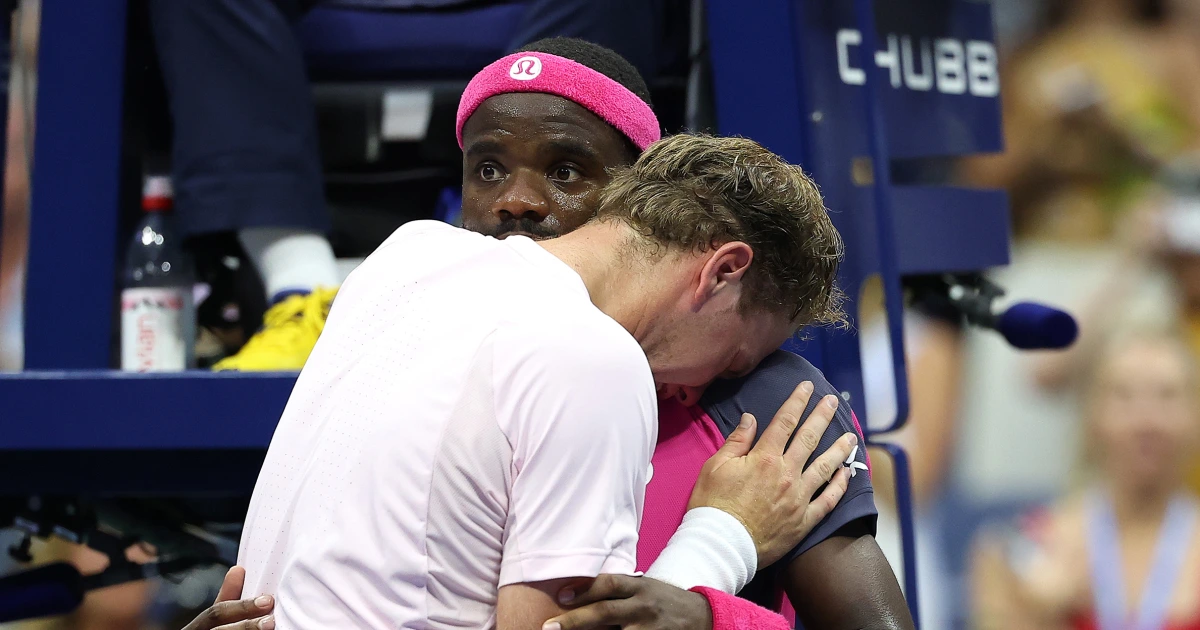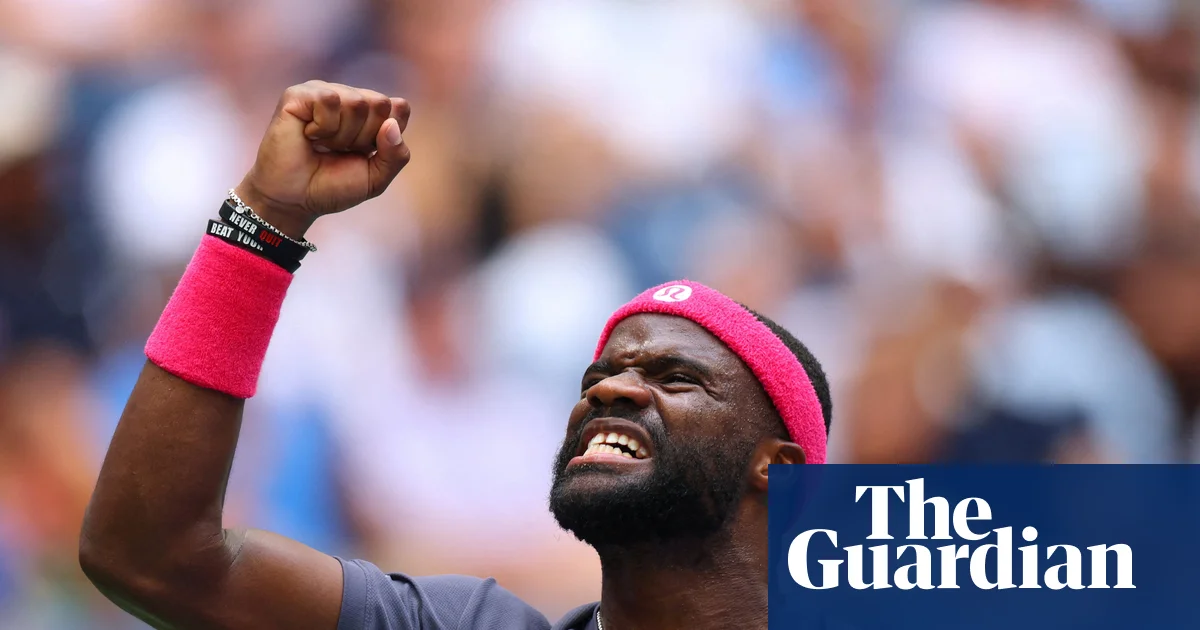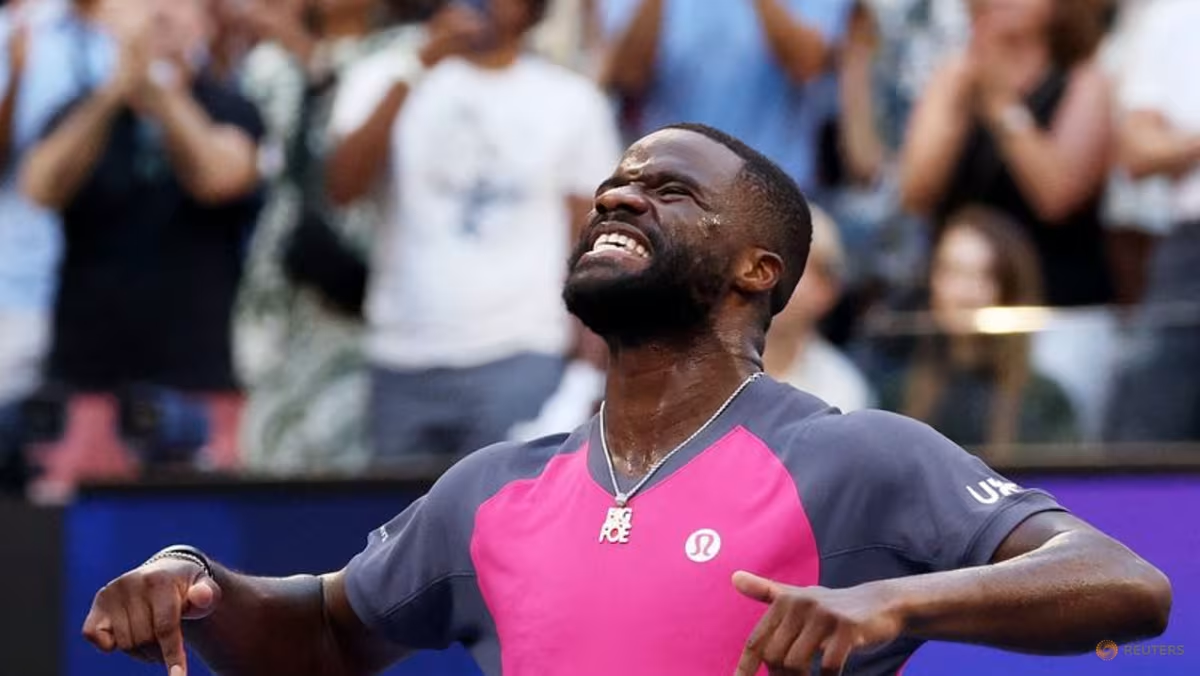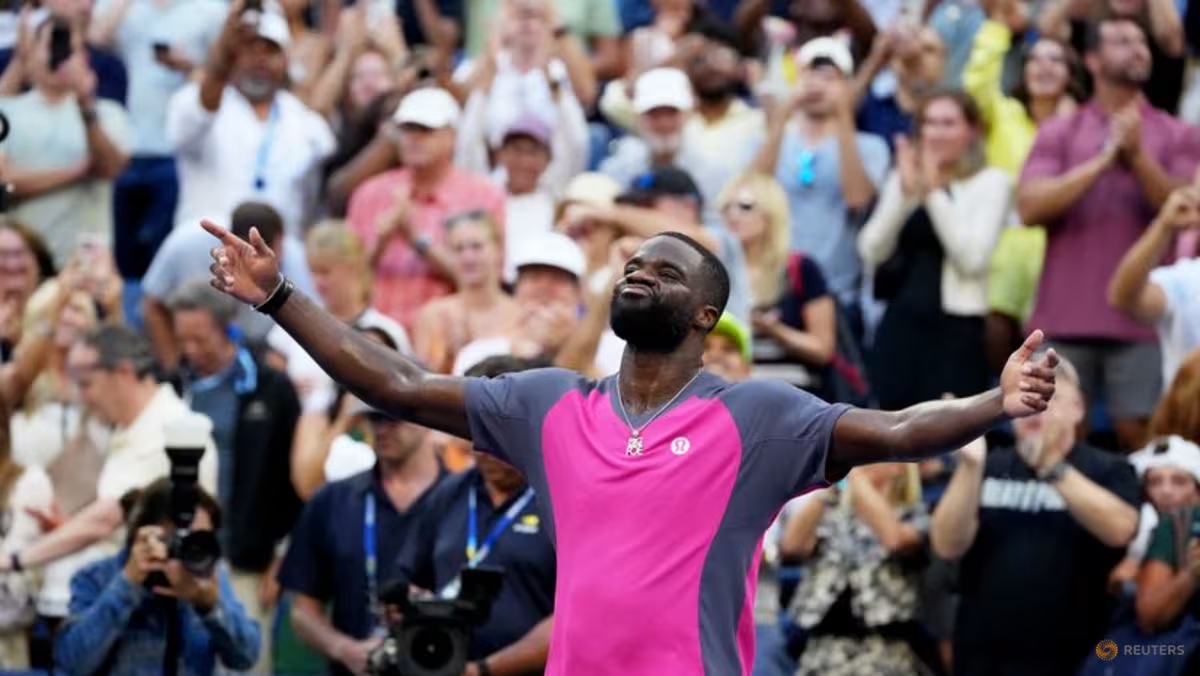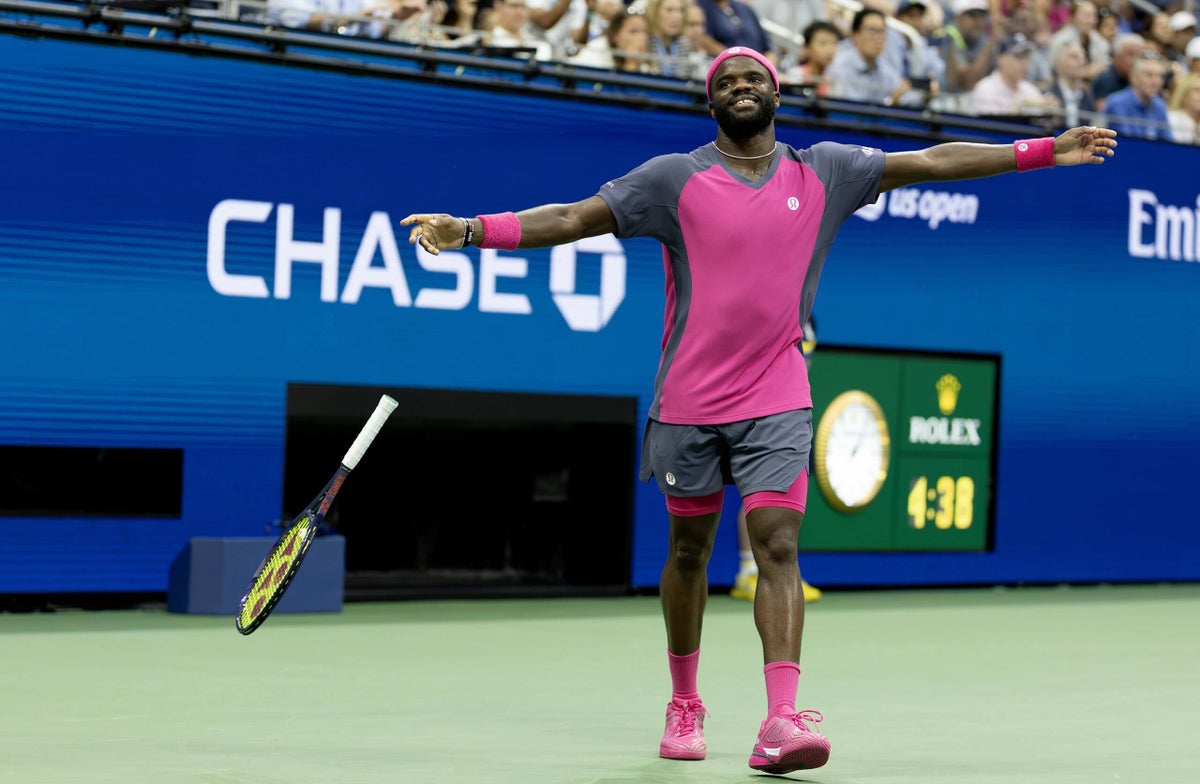
NEW YORK — Frances Tiafoe knew that he had lost just about all credibility concerning his commitment to his tennis career.His agents. His family. The supporters and patrons who had helped him pursue his dreams. Even his longtime girlfriend, Ayan Broomfield. They had all had enough.They loved him. They always would. They just didn’t want him to waste their time with the same promises that never amounted to much.Tiafoe would say that he wanted to go all in on the hard, disciplined, and at times ascetic life of someone who wants to become not just an elite professional tennis player, but a top tier elite.His inner circle would say something else.Stop talking about it. Do it. Or we’re not going to do this anymore.This was last fall, after Tiafoe had ended a difficult season early. He had been here too many times before. His ranking was falling. He was losing to guys he shouldn’t lose to, acting like his talent and popularity would deliver him automatic success, even though a decade into a career long on promises, he knows that’s not how sports work.Even Stephen Curry, who transformed himself into an NBA all-time great through endless lonely work on his shooting, had recently asked Tiafoe the question in a casual chat. Curry mentioned how often he would see photos and videos of Tiafoe out having a good time, and how rarely he had see him putting in the work.OK, Tiafoe told the people around him. I’m going to do it.There they were. The words they had heard so many times before. They and he knew that they didn’t count for much at this point, and Tiafoe especially knew that the only way he could prove to anyone, starting with himself, that this time it would be different was if he committed to the sort of arduous and sometimes boring routines that nearly everyone else who achieves greatness builds into their lives.Just under a year later, this is the Tiafoe they are seeing now, and have been for a while.“I’ve been so routine-oriented all year,” Tiafoe said after climbing back from two sets and 5-3 down against Alex Michelsen in the quarterfinals of the U.S. Open, for the right to meet Ben Shelton on Friday and the opportunity to become the player who could end a 23-year Grand Slam drought for American men.“Ideally you want to make every day feel the same. Again, winning becomes a habit.”That’s a different Tiafoe than the one Ray Benton has been used to hearing from.Benton is one of the tennis wise men in America. He helped create the ATP Tour and launched ProServ, which was once one of the first sports management giants. Michael Jordan was just one client.In 2008, Benton took over the Junior Tennis Champions Center in College Park, Md. JTCC’s mission was giving less-advantaged children with tennis talent an opportunity to develop into top players, without having to move to Florida or Europe to attend an academy. At the time, Tiafoe was the most talented 10-year-old there, the son of the head maintenance guy, Constant Tiafoe, who had fled civil war in Sierra Leone with his wife.Benton would become something of a mentor to Tiafoe, one of the people willing to tell him hard truths. Sometimes it was as simple as asking him who he thought were the four hardest-working players on the tour.Tiafoe would think for a bit, and then name-check Roger Federer, Rafael Nadal, Novak Djokovic and Andy Murray.Benton would ask him if that was a coincidence.They both knew what Tiafoe lacked. After he lost to Alcaraz in five sets on Centre Court at Wimbledon in 2024, Tiafoe lamented to Benton what he saw in Alcaraz that day and had been noticing for three years. They could have played that match in front of three people, instead of on Centre Court, and Alcaraz would have brought the same fire.He’d noticed similar traits in great players that he felt he didn’t have. He’d seen how even on days when Federer and Djokovic and Nadal were playing poorly, they could hang in and scratch out a win instead of giving up.Benton, now 85, and Tiafoe are still in regular contact. They’ve been trading messages during Tiafoe’s run the past 12 days at the U.S. Open.“Locked in?” Benton wrote after Tiafoe beat Daniil Medvedev for the first time in the fourth round, in straight sets, no less.“No doubt,” Tiafoe replied.Last fall, word reached Benton that Tiafoe was doing something called the “Hard 75.”It’s more of a life routine than a training routine, and it is both simple and difficult all at once.The Hard 75 only asks five things of its practitioners. Eat: no junk food, no alcohol, no crap. Drink: a gallon of water. Exercise: twice for 45 minutes, including one outdoor workout, regardless of where you are or what the weather is. Read: 10 pages of non-fiction.Then, take a selfie. And do those five things for 75 days.That last one is supposed to allow someone doing the Hard 75 see their progress, from day to day and week to week. And if they miss one of these things on one day, they have to start over from the beginning.Novak Djokovic has been doing the Hard 75 for about 15 years now.For Tiafoe, it was a great place to start. On the surface, it was so small and so unimportant to everyone except him. That was the point. He had spent so much time focusing on his own happiness — whether being a professional tennis player even made him happy at all — that he had been asking the people in his life to do that, too.Now, for the first time in his career, he was going to do something so boring and straightforward that happiness wasn’t part of the equation. It was all about commitment, because he had gotten a pretty clear message from the people around him: He could play or not play.“Nobody cares,” Tiafoe said during a shared interview in Australia. That was the revelation.Frances Tiafoe changed his coaching and hired Mark Kovacs, who is known for asking for accountability from his athletes. (Matthew Stockman / Getty Images)He made some other moves, too. He parted ways with Jordi Arconada, a close friend from his childhood who had been working as one of his coaches in recent years. That was hard. Arconada is like a brother to Tiafoe. But he had to make changes. He had to part with people who might be inclined to go easy on him.He hired Mark Kovacs, a former top college player who has trained tennis players and top athletes in several other sports as a high-performance physiologist. He has done training blocks with Djokovic. Kovacs is not the sort of coach a player hires if he isn’t interested in working.As the year went on, the people around Tiafoe started to notice something, and he did, too. He stopped quitting in matches, even in the ones at smaller tournaments, against less accomplished players. In the past, he would get annoyed and bail.He came back from a set down to beat Brandon Nakashima, one of the steadiest players in the men’s game, at the Mexican Open in Acapulco. He outlasted Jakub Menšík in a third-set tiebreak at the Miami Open.At the French Open, he came back from two sets down to beat Portugal’s Jaime Faria in five.“I totally would have lost that match last year,” he said in a news conference.But then he suffered a brutal five-set loss to Italy’s Matteo Arnaldi in the fourth round, with his side of the draw wide open. He held match points in the fourth set and served for the match before losing in five.It was the sort of loss that used to send him into a dark hole for months. Instead, three weeks later, he smashed Taylor Fritz in the final of the Halle Open in Germany.Then came the win against Michelsen this week in New York. Tiafoe had been awful for two hours. No feel. No serve. Michelsen had been almost perfect and was drilling him.Benton recalled what Toni Nadal had once told him about American players. They use having a day when they aren’t hitting the ball well as an excuse. They don’t realize that the best players have those days all the time, because that’s tennis.Tiafoe dug in. He broke Michelsen, who got tight as he served for the match. Tiafoe saw a tiny opening and barreled through it. By the end, after four hours and 40 minutes, he was rolling.“I was cool with whatever result, because I was giving him what I had that day, even though it wasn’t my best stuff, but I was giving him everything I had,” he said.“The people’s court” was how Frances Tiafoe described Louis Armstrong Stadium after he defeated Daniil Medvedev. (Getty Images)Tiafoe doesn’t wear his religion on his sleeve, but he is a scripture guy. He often quotes Romans 8:18, in which Paul states, “I consider that our present sufferings are not worth comparing with the glory that will be revealed in us.”That’s not a bad mantra for a tennis player. Everyone except one person loses each tournament, even if all those people are doing something simple, hard and difficult, like the Hard 75.Tiafoe’s run this year has been filled with glory. He played his first four matches on Louis Armstrong Stadium, his favorite. He’s a perfect 10-0 on Armstrong, a 14,000 seat concrete cauldron. There’s no ring of vibe-sapping luxury seats. Just tennis fans, packed in, sending noise everywhere. Especially when Tiafoe plays.“The people’s court,” he called it after his win over Medvedev.Later, in a news conference, he was asked whether what was happening felt like the glory being revealed, given the parties he’d been experiencing on Armstrong after all his struggles.“I don’t know,” he said. “It stands true every day. Every day is a different challenge, but I mean, from where I was to, you know, to what I’m doing now, 100 percent stands true.”He cited those words to himself after the loss to Arnaldi in Paris, and spoke about what he now accepts.“You just have to keep going, life is going to hit you,” he said. “You have to get yourself up, talk to the man in the mirror, and continue to go.”He’s been here before, in the semifinals of his home Slam. Twice. There was 2022, when he lost to the young and rising Alcaraz. There was 2024, when he coughed up a lead to Fritz.Now it’s 2026.“I’m not that person,” he said. “I’m excited to see what this me does.”
For Frances Tiafoe, the U.S. Open semifinals are the destination of a journey into the unknown
At the start of the year, Tiafoe's inner circle told him to change or quit. He chose to change.
1,766 words~8 min read