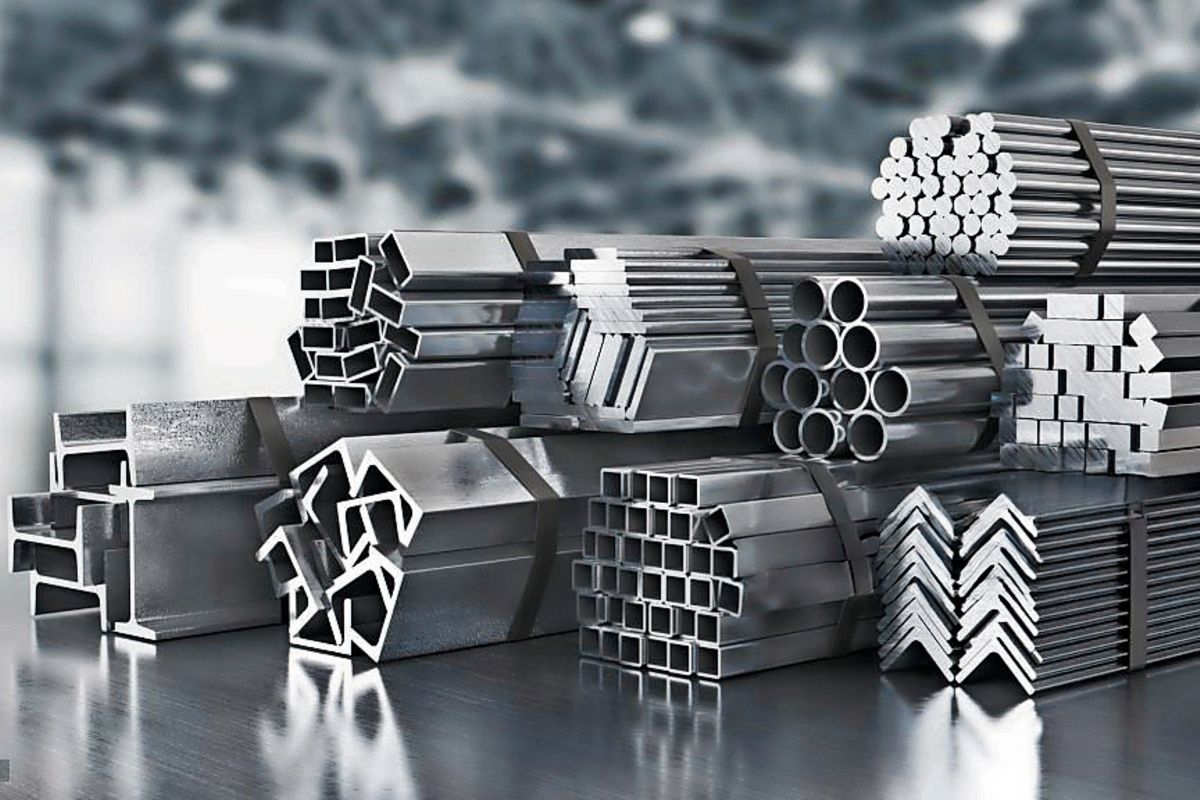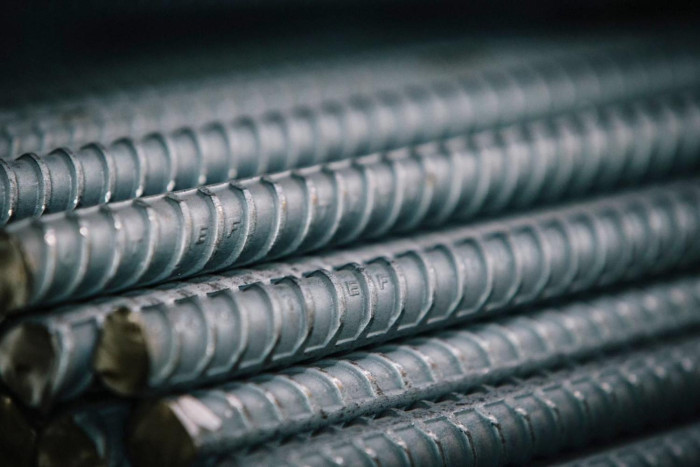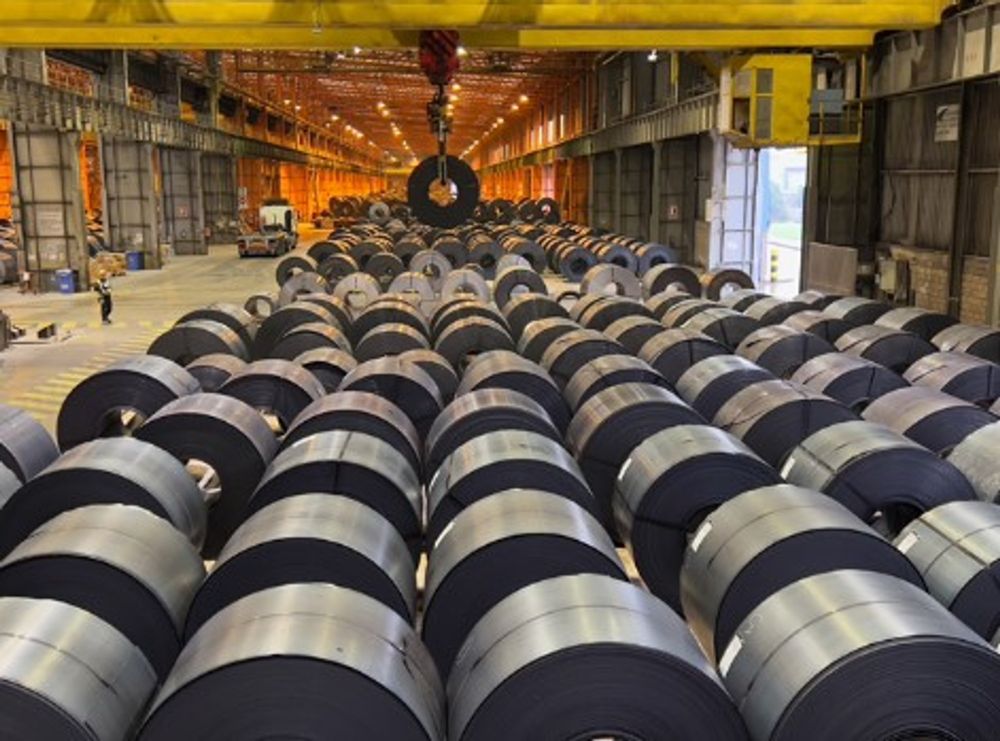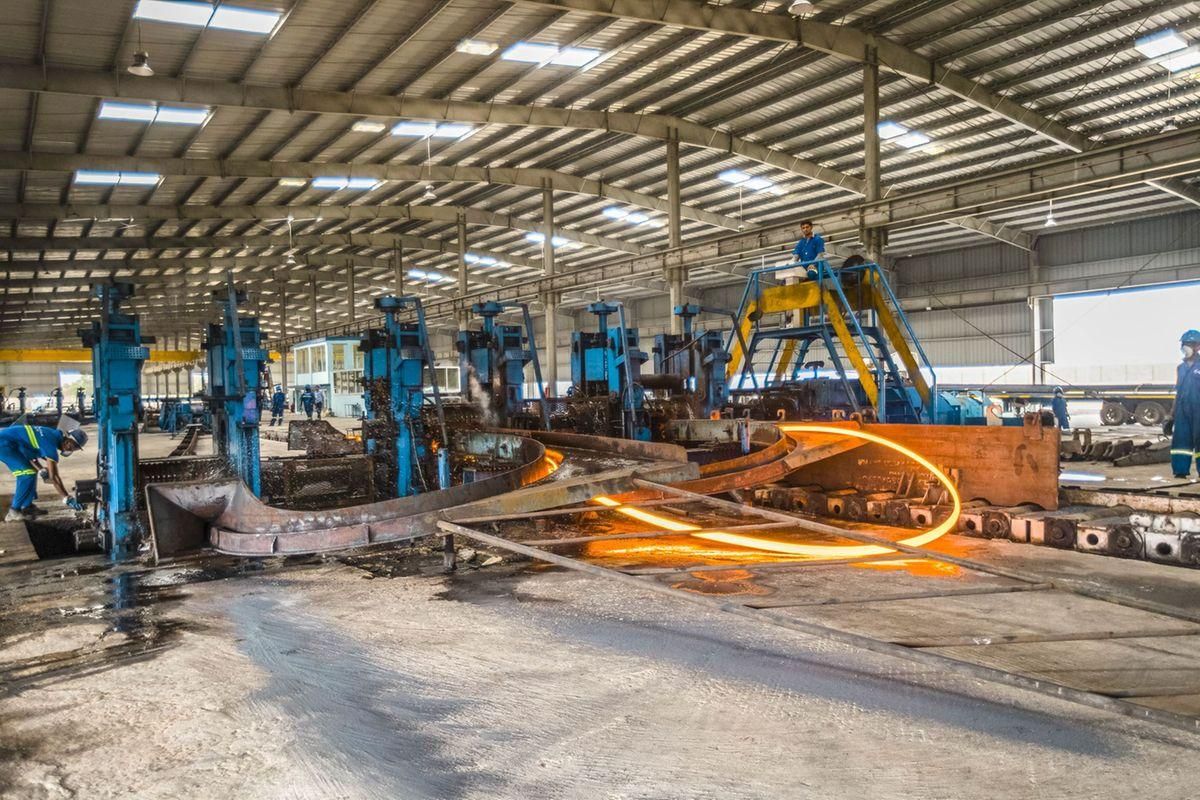
Tanzania spent much of last year congratulating itself for no longer needing to import steel. Nineteen mills, led by Lodhia Industries' $100 million in Mkuranga, pushed domestic capacity to 1.2 million tonnes against consumption of 600,000.
The government's response was targeted: the Finance Act 2025 pushed import duty on cement, bars, rods and flat rolled steel products from 10 percent to 35 percent, the top protective band the EAC's common external tariff allows for extra sensitive finished goods, and stacked a new industrial development levy on top.
Eight months later, the Prime Minister followed with a directive stripping tax incentives from any imported good already produced at home. It was, by most measures, a legitimate infant industry policy, given a tariff wall to mature behind before competing on price against subsidised foreign steel.
Related
When ‘I’m selling my island’ isn’t quite true