The United States has loosened Iran’s hold on the Strait of Hormuz while almost halting Iran’s oil exports, but the war launched by the U.S. and Israel in February remains unresolved. The standoff is worsening Iran’s economy and keeping oil prices high, while low-level fighting and regional proxy attacks continue. Analysts say neither side has a clear path to victory, and Tehran may escalate rather than concede.
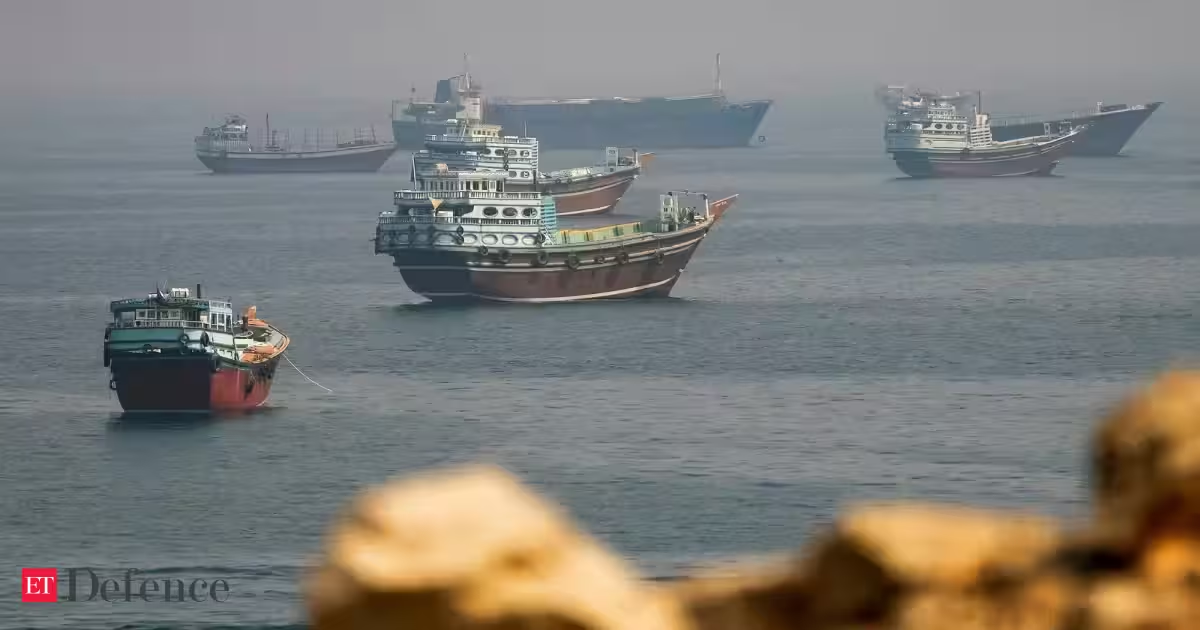
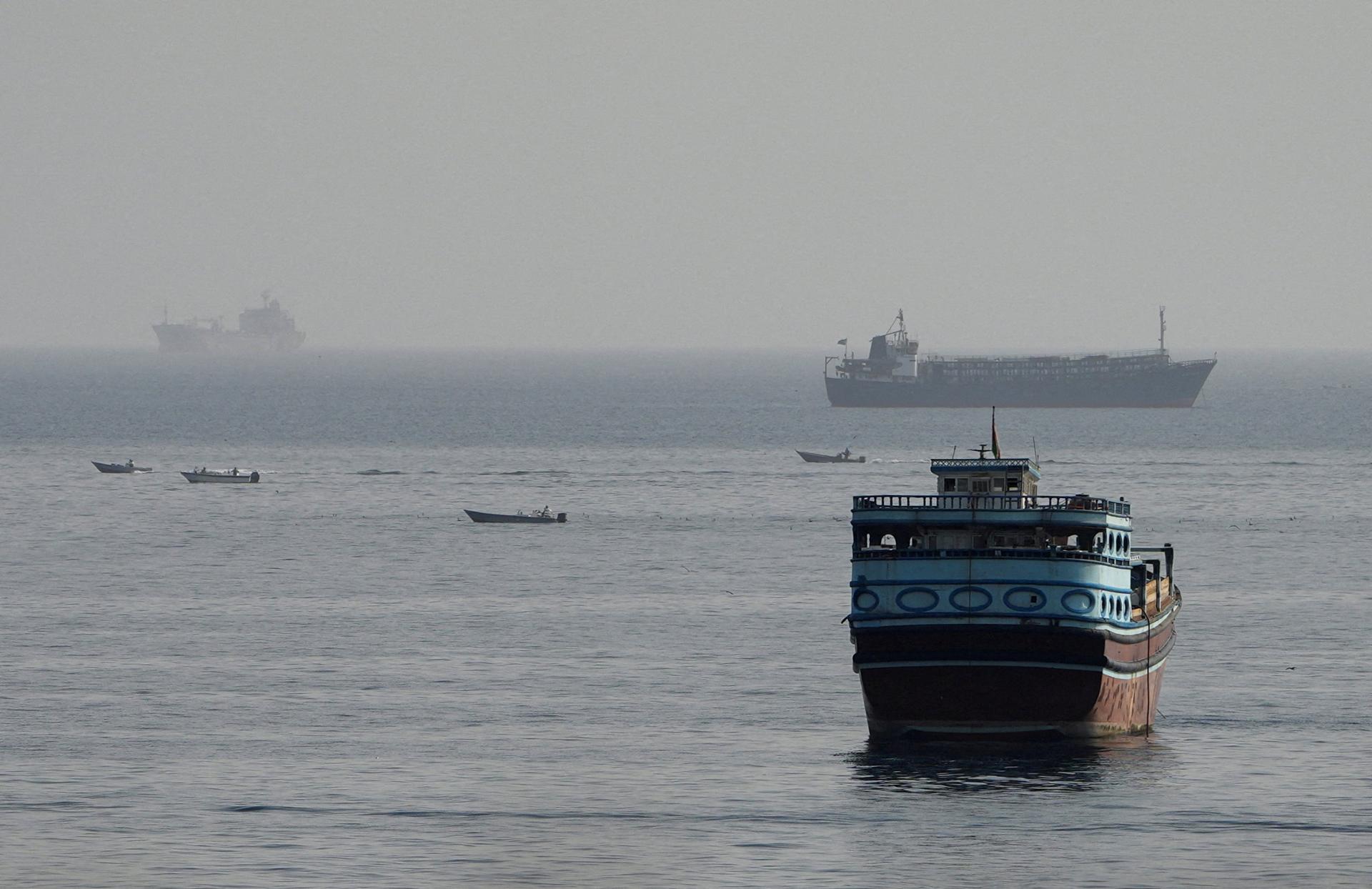
Vessels in the Strait of Hormuz, as seen from Musandam, Oman, Aug. 3. Reuters-Yonhap
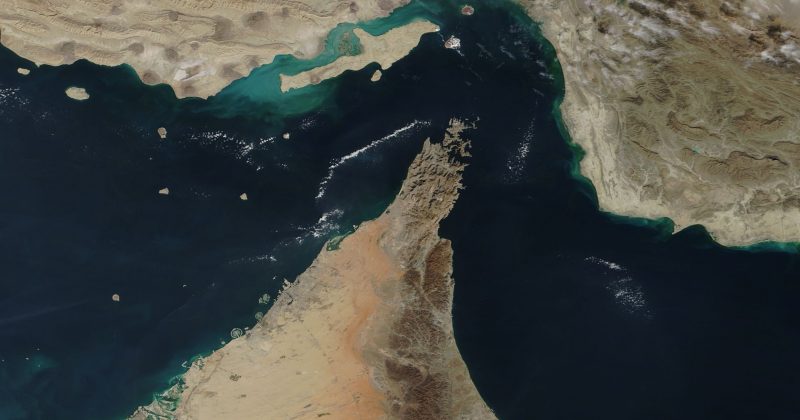
In recent weeks, the United States has succeeded in loosening Iran's grip over the Strait of Hormuz while virtually shutting down Iran's own oil exports, accelerating its economic free fall.
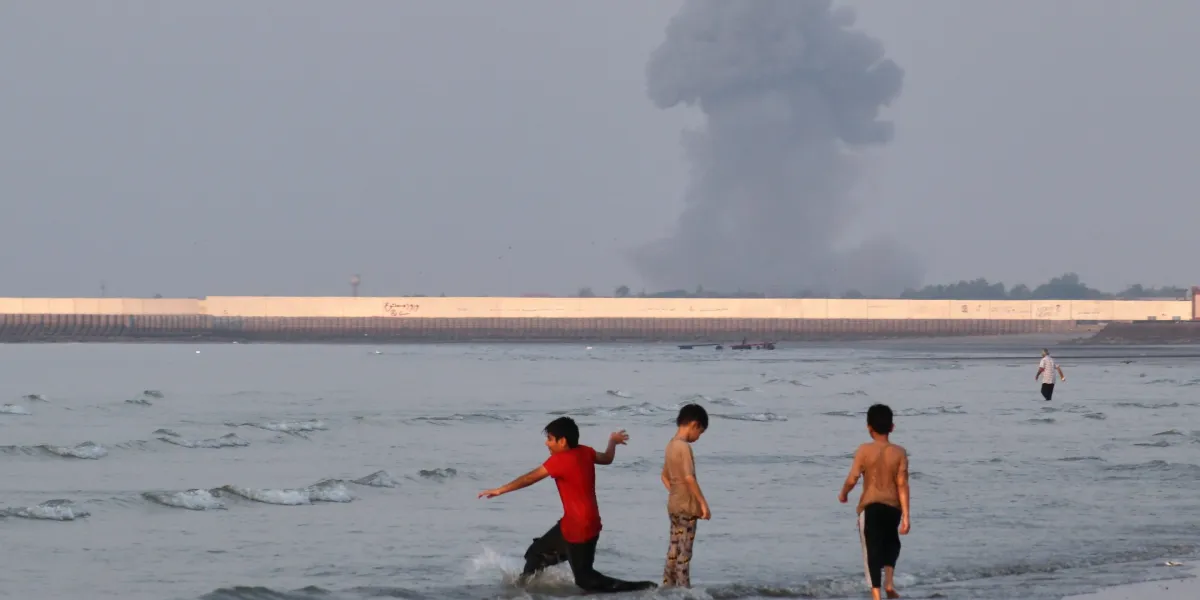
But the war launched by the U.S. and Israel in February — intended to last a few weeks — is still far from over, and the stalemate is costly for both sides. An agreement reached in June quickly crumbled , with no sign of diplomatic progress since then. Low-level fighting persists, and the U.S. does not seem to have an exit strategy.
The mounting economic pressure on Iran has yet to stoke an uprising, and if its leaders are backed into a corner, they may opt for military escalation rather than capitulation. Their Houthi allies in Yemen have meanwhile stepped up attacks on Saudi Arabia , helping to push oil prices back up.