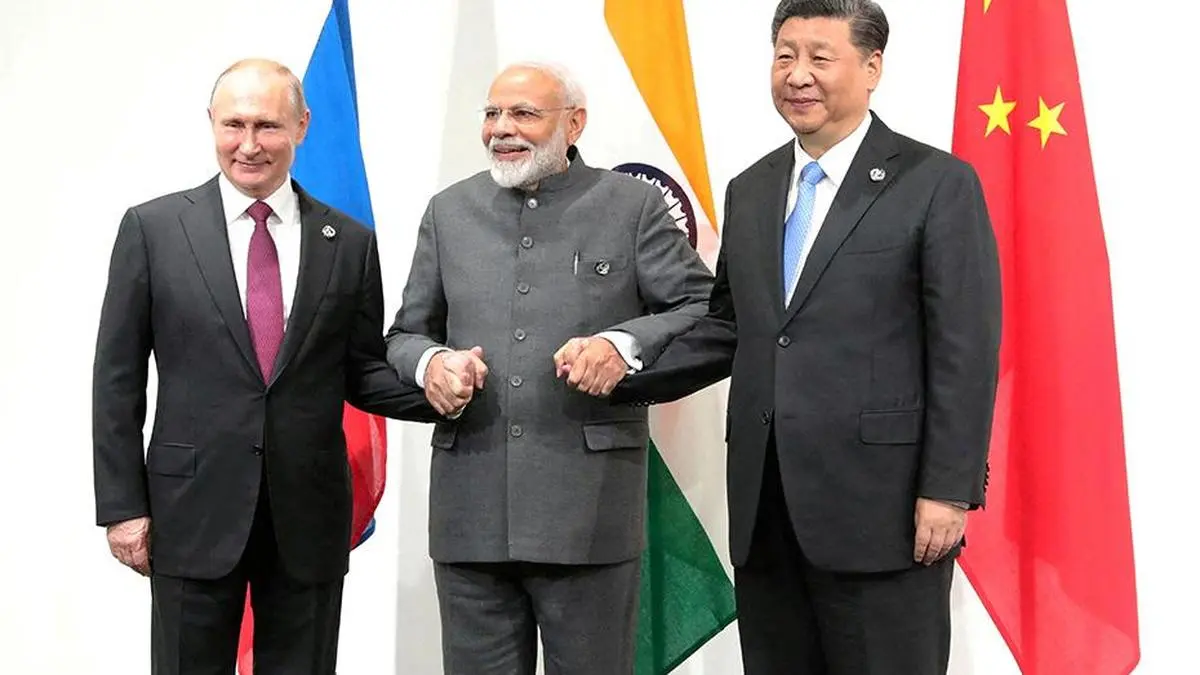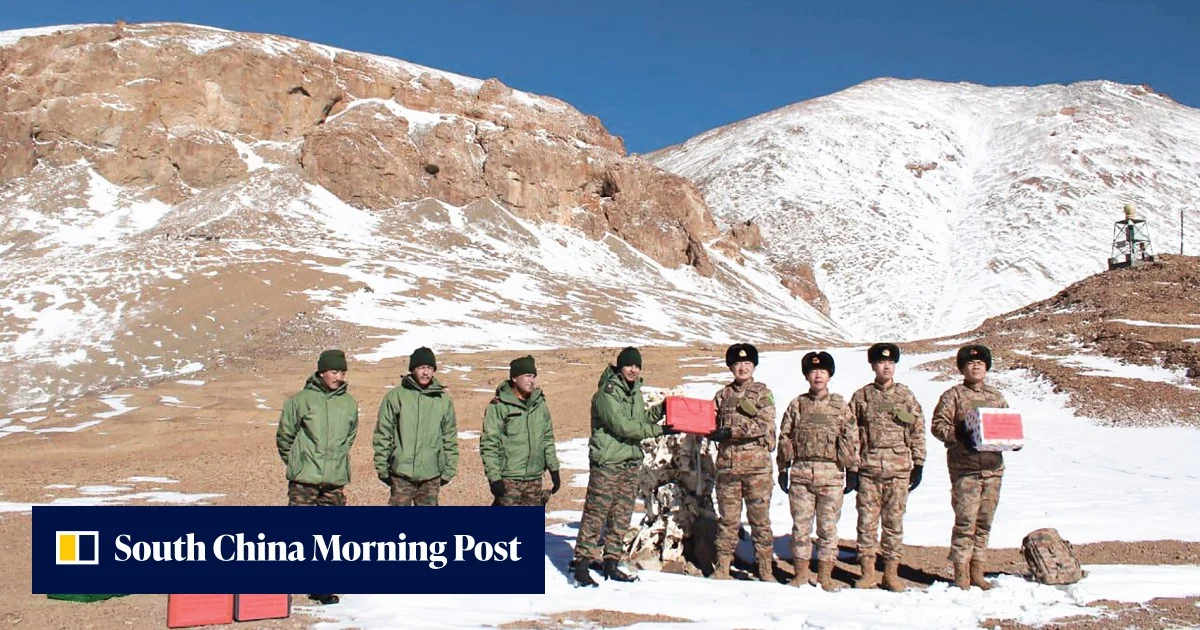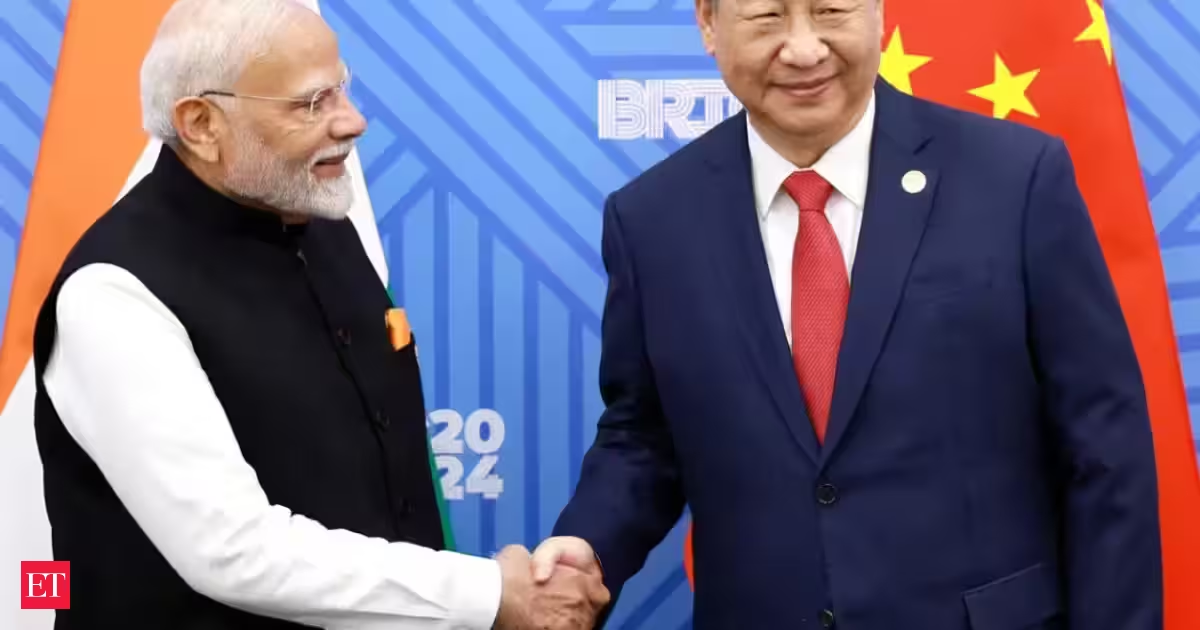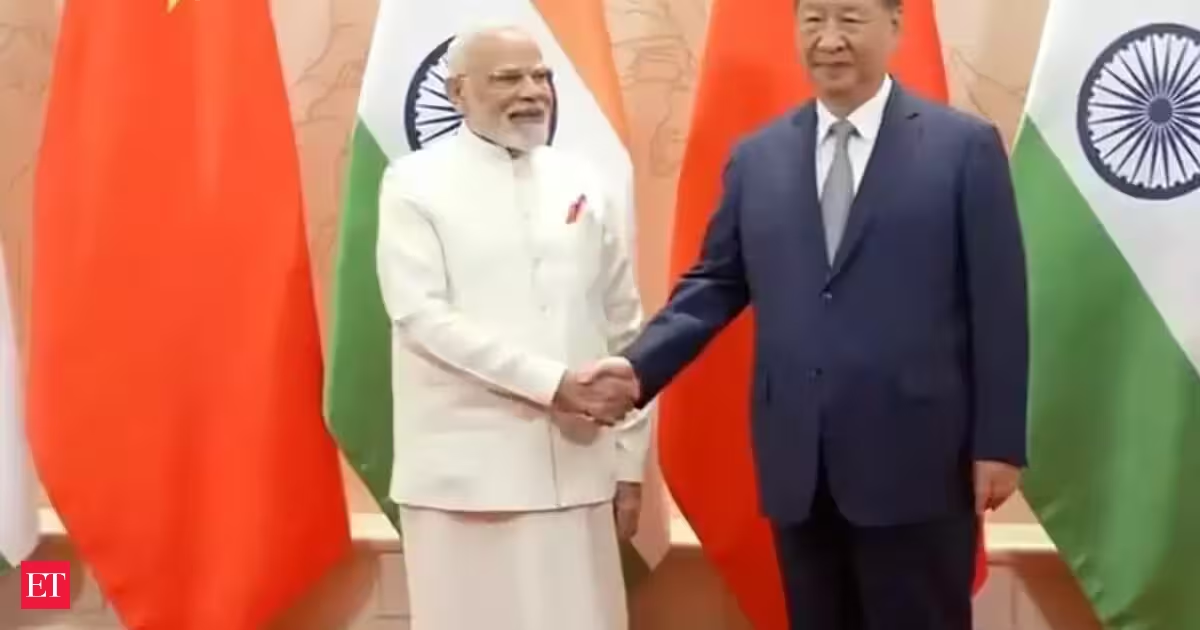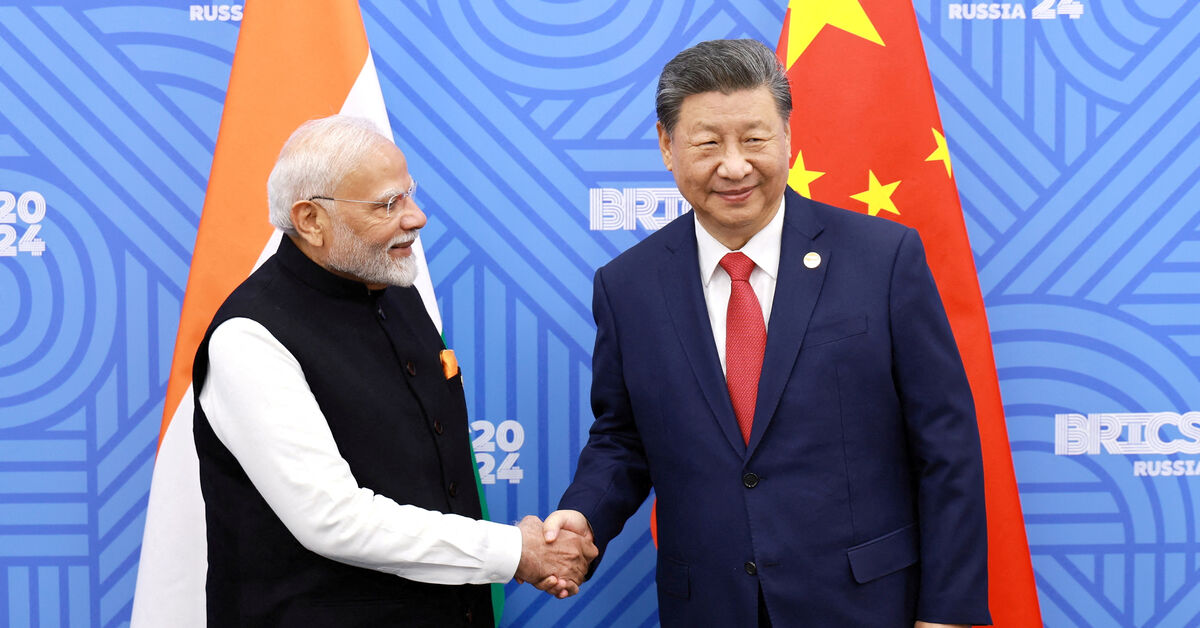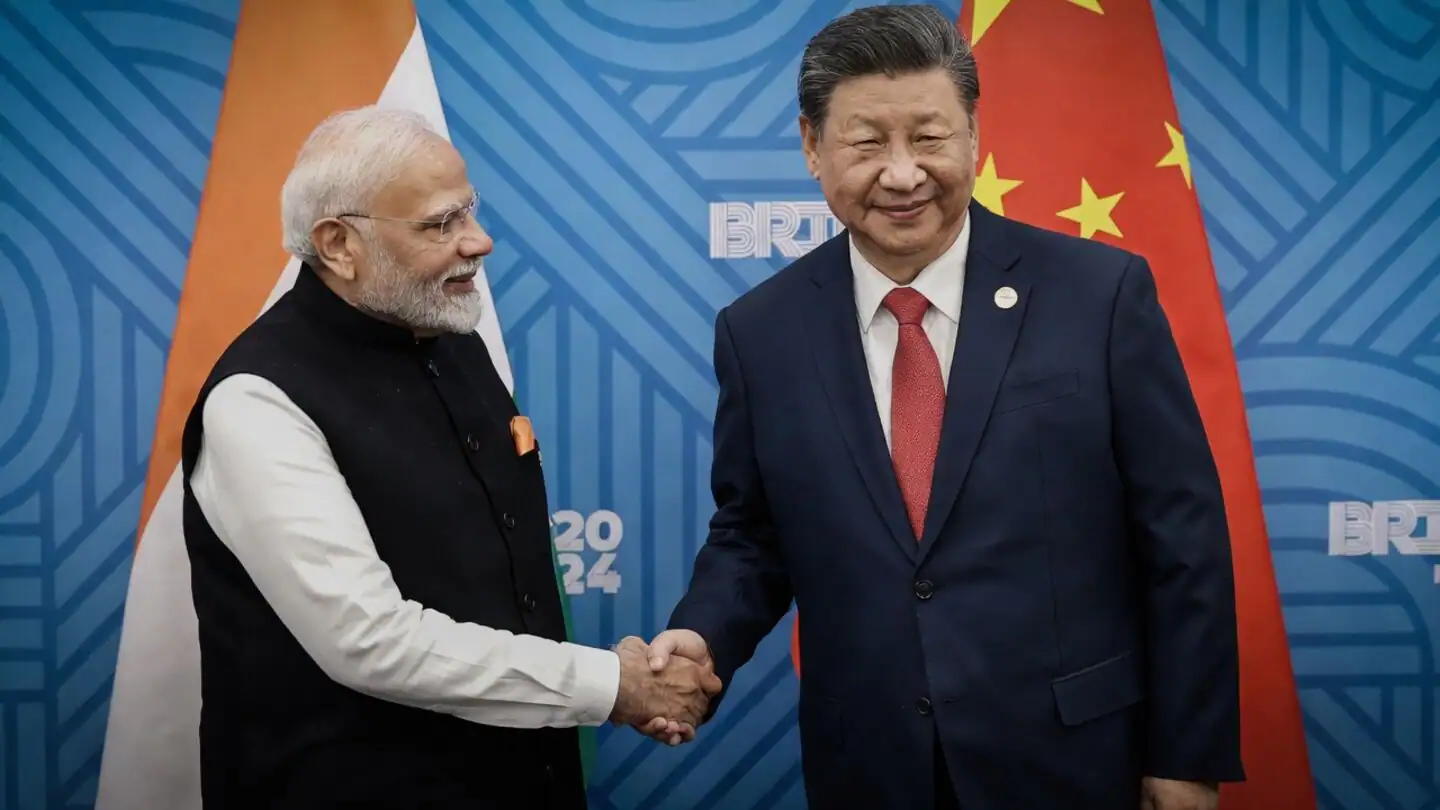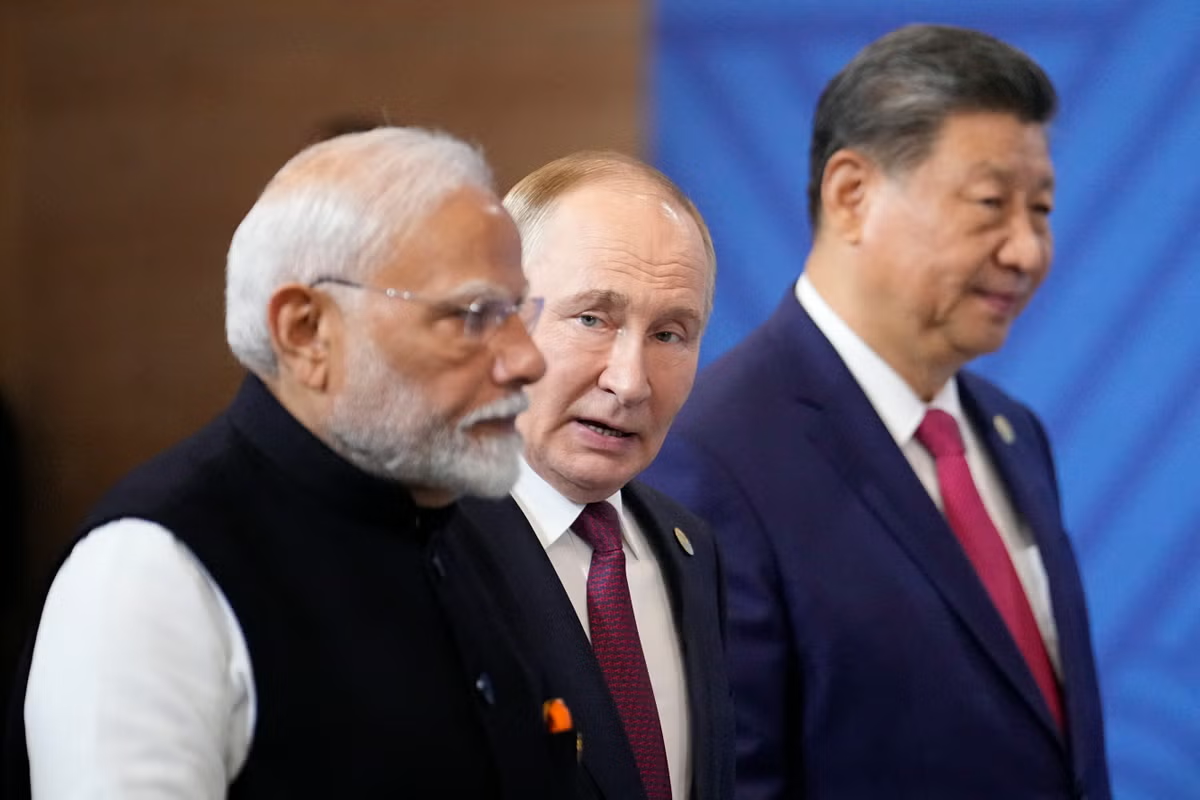
IN a few days, Islamabad should closely watch the BRICS summit unfold in New Delhi. Chinese President Xi Jinping is scheduled to attend. The visit would be his first to India in seven years, and signal a meaningful China-India detente since the border clashes of 2020. China’s Vice President Han Zheng last year said the two countries must perform a “dragon-elephant tango”. Can the two Asian powers dance to the same music?
A BRICS within which China and India can cooperate — and which is marking the 20th year since its establishment — could offer a formidable counterpoint to the G7. The expanded bloc accounts for 45 per cent of the world’s population and around 35pc of global GDP.
But even with Beijing and New Delhi on side, BRICS’ scale and diversity hinders it from being a coherent Global South node in the multipolar world order. Member countries are too geographically and economically disparate to have shared currencies or FTAs, beyond agreeing to partially de-dollarise the world economy. They diverge on key geopolitical issues, global policy frameworks, and pending UN resolutions, limiting the bloc’s influence.
The bloc’s anti-Western leanings have been tempered under India’s chairmanship this year. The September meeting will also feel the strains of bringing Iran and the UAE together against the backdrop of a prolonged Middle Eastern conflict. As such, this meeting serves as a staging ground to enable the China-India thaw. That thaw has been underway since last year, when Indian Prime Minister Narendra Modi met Xi in Tianjin on the sidelines of the SCO summit. Senior government officials have subsequently met at intervals to discuss trade ties and border security.