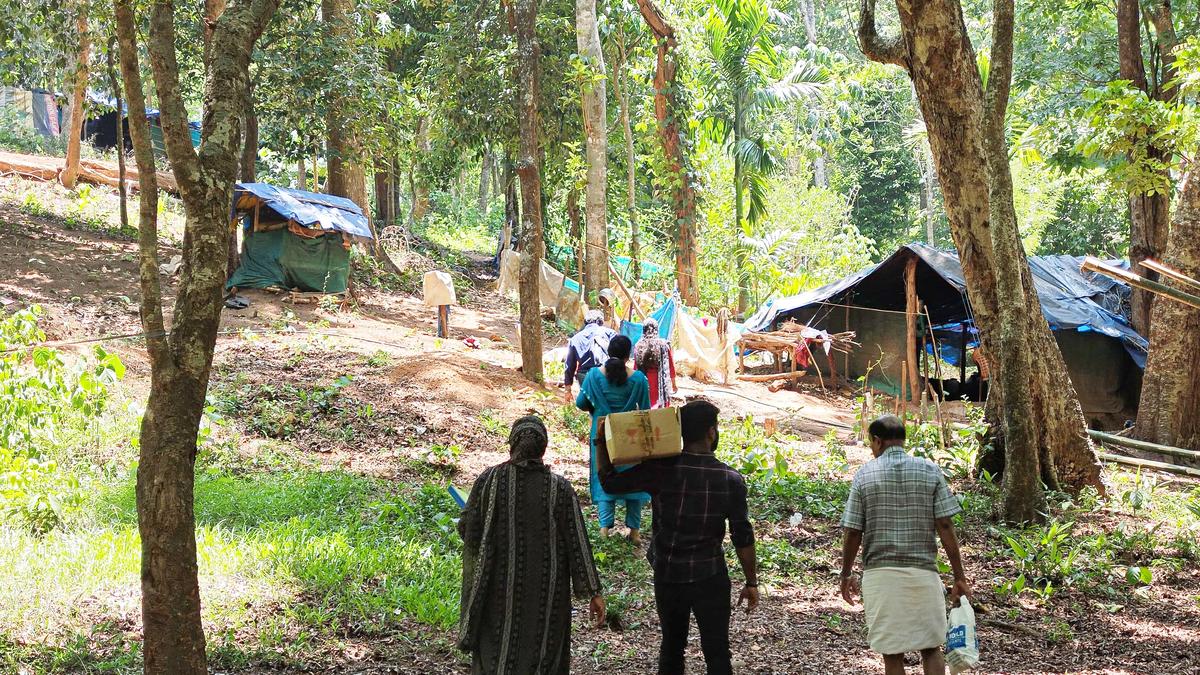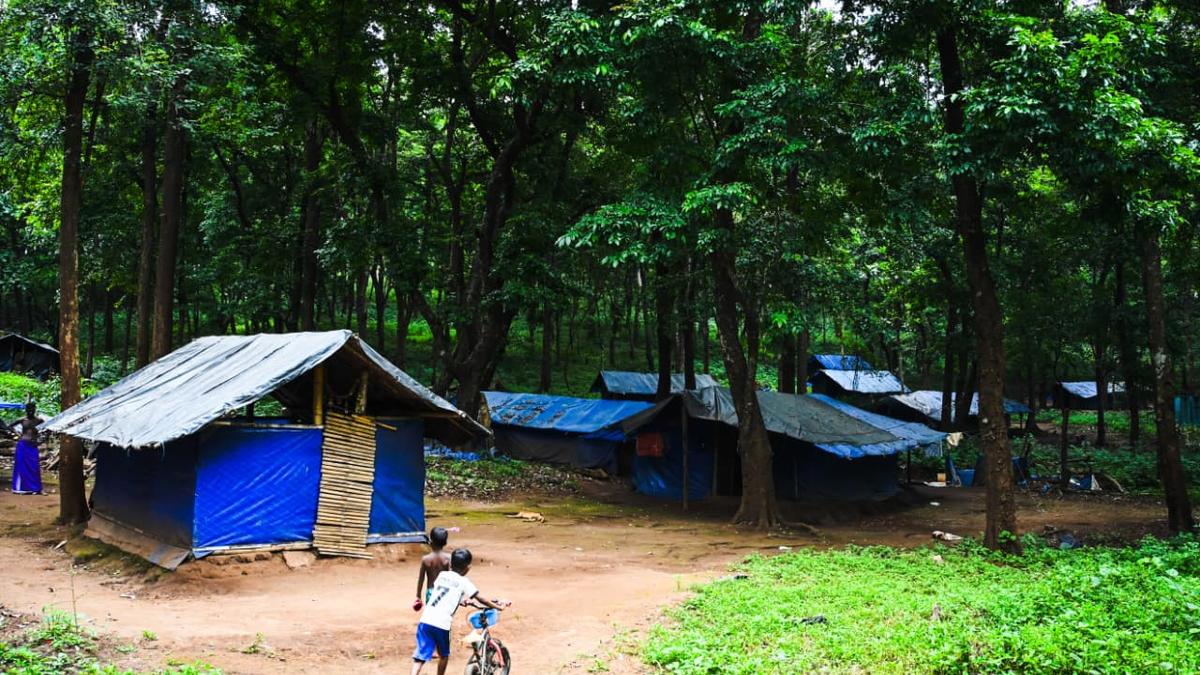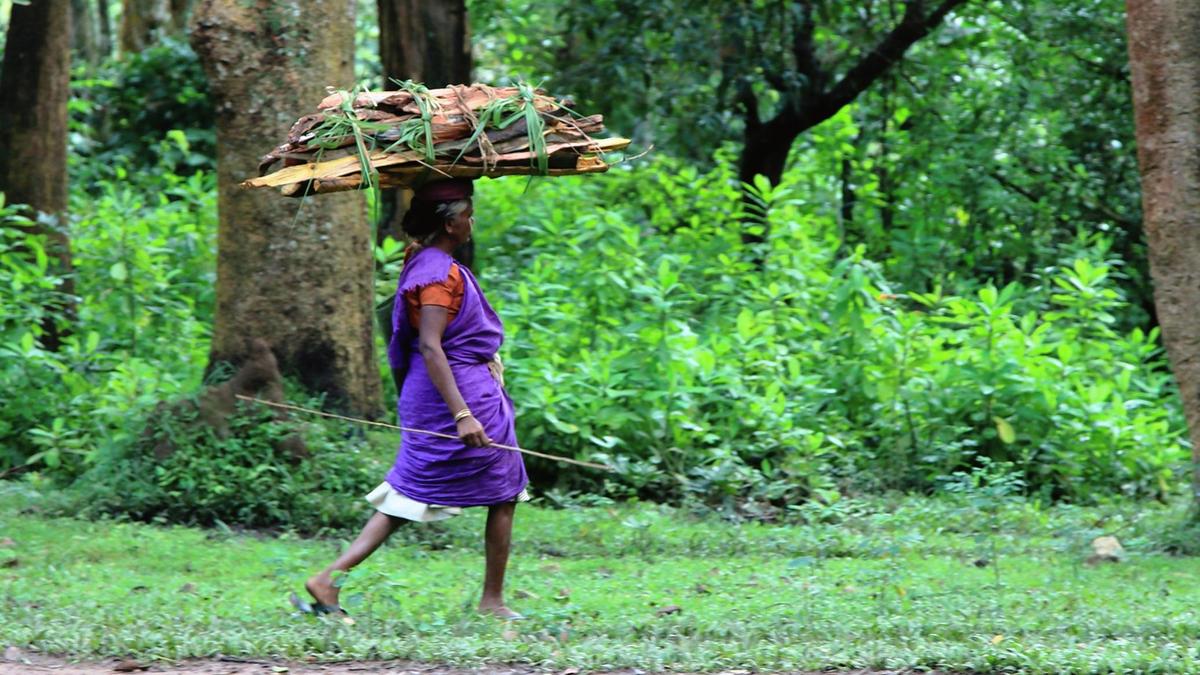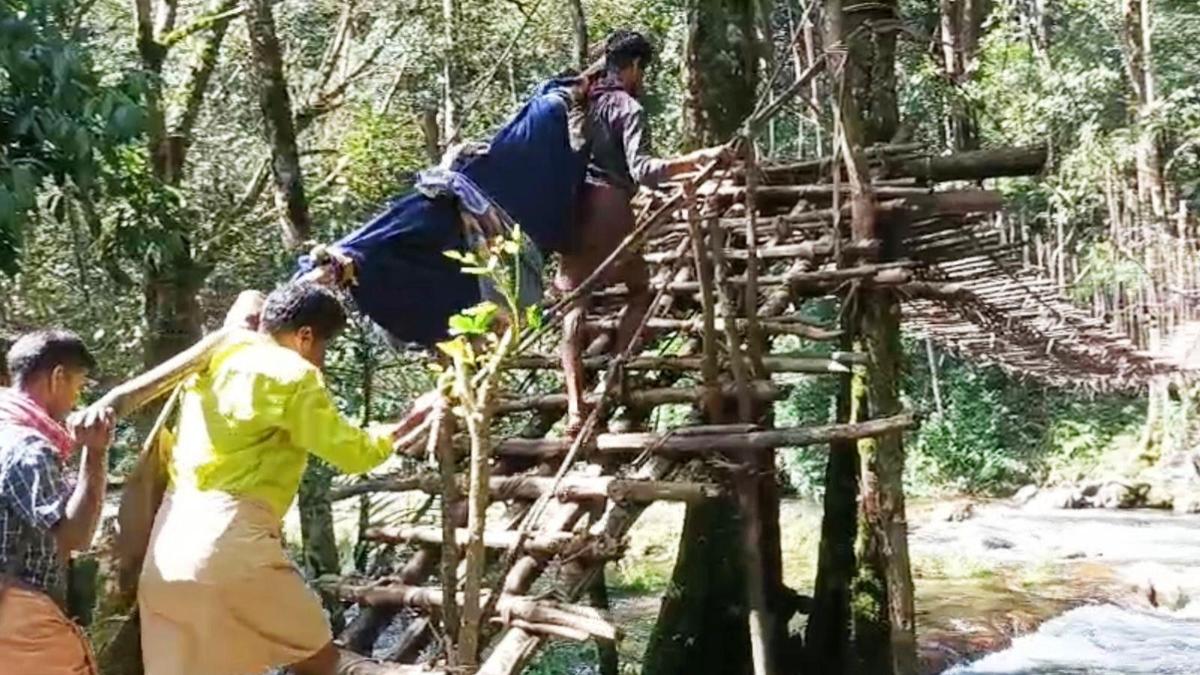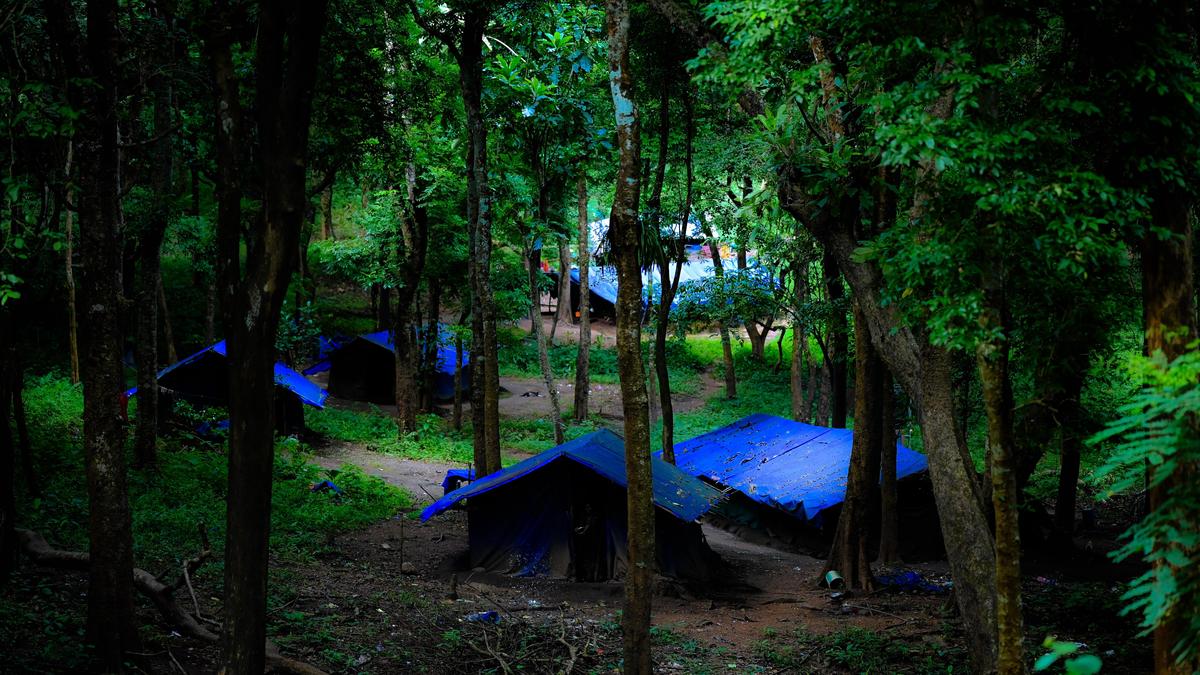
The river was rising fast. There was no time toeven gather their belongings. Men, women and children ran uphill into the dark forest as the Chaliyar river swallowed part of the Vaniyampuzha tribal hamlet in Malappuram district. It was August 8, 2019.By the time the water receded, their homes were gone. The bridges were washed away, cutting them off from the mainland. They thought they would return home. Seven years later, they are still living under plastic sheets. At night, the forest turns pitch dark. There is no electricity. Elephants move through the settlement. Leopards stalk goats and dogs. Women here are forced to wait until dark to venture into the bushes to relieve themselves.For the 26 tribal families of the Vaniyampuzha tribal hamlet, the temporary shelter has become a permanent address. A couple of years later, half the families moved downhill, splitting Vaniyampuzha into upper and lower hamlets. Together, they now number 161: 70 members above and 91 below. Their old settlement lies where the Vaniyampuzha river, descending from the Wayanad hills, meets the Chaliyar river. The flood destroyed several houses; those that survived remain empty. No family has returned. The hamlet has been declared unfit for habitation. So they stayed on the hill.“There is still a risk,” says Babu P., a forest watcher. “Parts of the hills could come down. We have seen how devastating floods can be.” There is also a belief among the tribespeople that returning to a deserted home brings bad luck. The abandoned anganwadi and badal school still stand, now play spaces for children.The flood also destroyed two concrete bridges linking Vaniyampuzha and the neighbouring hamlets of Tharippappotti, Thandankallu, Iruttukuthy and Kumbalappara to Munderi on the mainland. For years, bamboo rafts were the only way across In the monsoon, the swollen river became a gamble. Pregnant women, patients and children had to be carried across. At times, even Fire and Rescue Services personnel could not cross the river.“We depended solely on bamboo rafts to cross the river,” says Sudha V.K., an Accredited Social Health Activist (ASHA). “Now we are used to it. But when the river gets swollen, we know the risk.”A new bridge is ready after seven years, still awaiting inauguration. “We don’t have any security. After seven years, the only thing we received was a bridge,” says Gireesh S., a rubber tapper.
Tribespeople from a hamlet in Keralam’s Malappuram live in makeshift sheds seven years after flood
Seven years post-flood, Paniya tribal families in Malappuram endure life in plastic shelters, awaiting housing and essential services.
1,480 words~7 min read