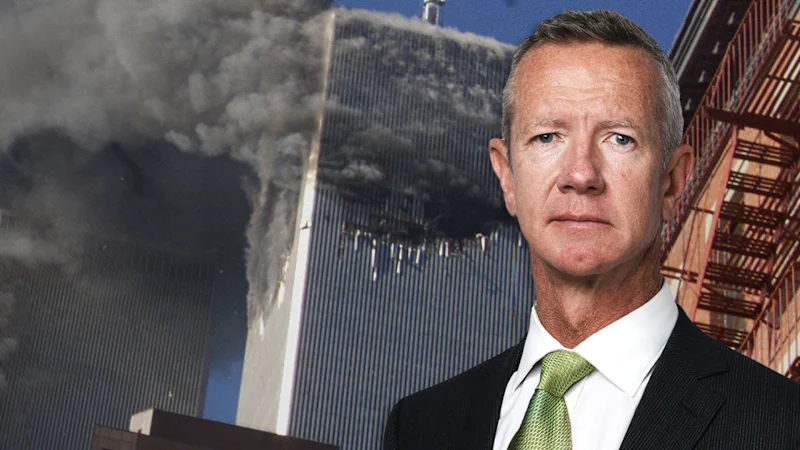
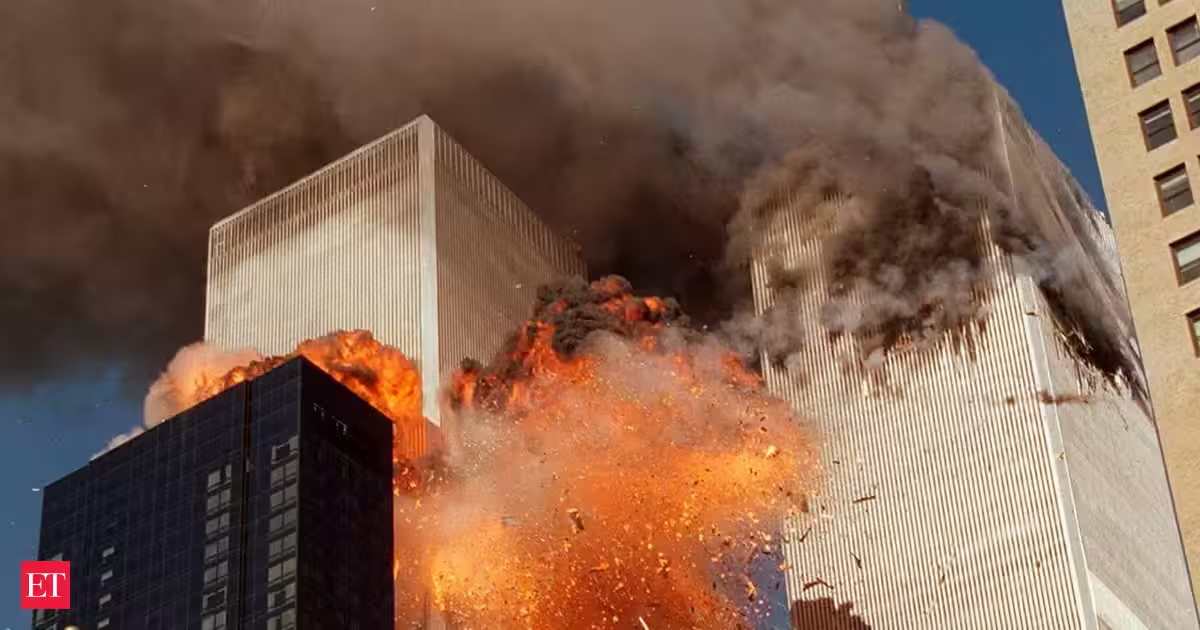
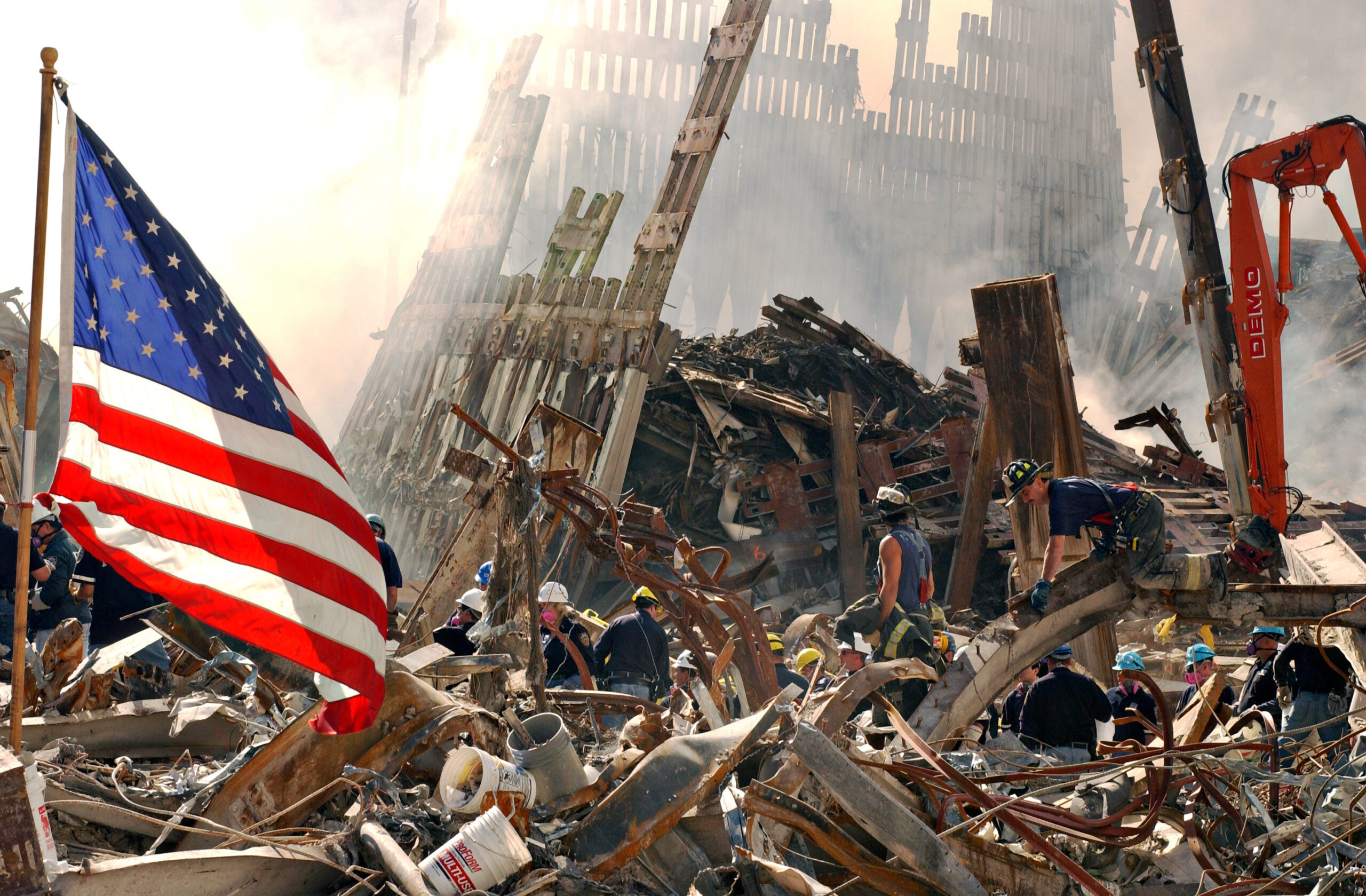
Twenty-five years later, former NZ Prime Minister Helen Clark is lamenting the unlearnt lessons from political mistakes make in the aftermath of the 9/11 attacks on New York's World Trade Center.Clark was at the helm of the nation and en route to Europe, when terrorists flew planes into the 'Twin Towers', triggering a US response that reverberated around the world and forced other countries to choose sides in the Middle East."What I remember is being in the lounge at Hong Kong Airport and seeing these images coming through on the TV screen, no sound, of what appeared to be smoke coming out of skyscrapers," she told John Campbell on RNZ Morning Report."We had no idea what was going on - where was this, what was happening - and got on the next flight."Jim Anderton was deputy prime minister and had taken command of issuing statements for the government."I landed in Rome and quickly made the decision that I would have to go back, because - for those who weren't around at the time or don't have a clear recollection of it - it was just such an incredibly dramatic and tragic event."No-one quite knew if this was the start of a series of more attacks or what we were heading into. There was considerable confusion at home and abroad about what was happening."Clark's passage home ran into further obstacles, when she encountered an Ansett airline strike in Melbourne, which saw her complete the journey on an NZ Air Force Lockheed P3 Orion.El Quaeda operative flew planes into New York's World Trade Center.AFP/SETH MCALLISTEROver the months that followed, New Zealand had to decide what part to play in the American quest for revenge against El Quaeda, who were hiding in the White Mountains of Afghanistan.When the ruling Taliban refused to co-operate with the US, it also became a target."In late 2001, when this shocking attack happened, the world was with the US," Clark recalled. "Whatever people around the world may have thought of the US, they were deeply shocked to see, in the American heartland, there were innocent people being killed from terrorist bombs."Here we start to unpick what went wrong."Firstly, I think the Taliban were so isolated, they didn't see the seriousness of the American resolve to go after the El Qaeda headquarters, so when they didn't co-operate, the US went after them."That was always an issue in terms of international legality, because there were those that argued the Taliban gave El Qaeda sanctuary, so they had a responsibility, and there were others that said this is El Qaeda operating out of caves, what could the Taliban have done about that anyway."There was that kind of debate going on."Under Clark, New Zealand opted to support the Afghanistan invasion, but not the subsequent extension of that campaign into Iraq, which was accused of building 'weapons of mass destruction'."In the end, there was quite a large international response in Afghanistan, which led to quite a long presence or us and for others," she said. "Where things spun out was the US, having taken out the Taliban at the end of 2001, then thought why not move onto Iraq, and that was where they went many steps too far and that became a terrible tragedy for Iraq.Saddam Hussein's downfall left a power vacuum in Iraq.AFP / FILE"No-one particularly mourned the going of Saddam Hussein, but that war was said to have killed, in rough figures, from 500,000-700,000 people, and who knows how many died because of the poverty, marginalisation and hunger that came from that."Clark saw alarming similarities between the Iraq war and the action against neighbouring Iran in recent months."A lot has happened in the last 25 year and, with the benefit of hindsight, we an see the points at which things went badly wrong."I think more the similarity is the spurious reasons for going to war. There was never any evidence of weapons of mass destruction."I myself went to see the United Nations inspector in charge off getting rid of the Iraqi nuclear weapons towards the end of 2002 in New York and he assured me they could find absolutely nothing."Fast forward to February this year and the attacks on Iran on the basis they were on the imminent point of developing a nuclear weapon. This was never true and it takes me back to the allegations of the Vietnamese using 'Yellow Rain' or whatever - that was never true either."Before countries go to war, citizens should be demanding what is this proof. I think we had our eyes open in 2003 and knew there was no proof."Anyone looking on at the Iranian developments this year could see there was no imminent risk to the US, Israel or anyone else, but because these fundamental truths are ignored, we end up with situations where countless innocent people are killed and with the impacts ricocheting around the world as far as New Zealand on our cost of living, fuel, food etc."
Political aftershock of 9/11 still being felt 25 years later - Helen Clark
Twenty-five years later, former NZ Prime Minister Helen Clark is lamenting the unlearnt lessons from political mistakes make in the aftermath of the 9/11 attacks on New York's World Trade Center.
828 words~4 min read