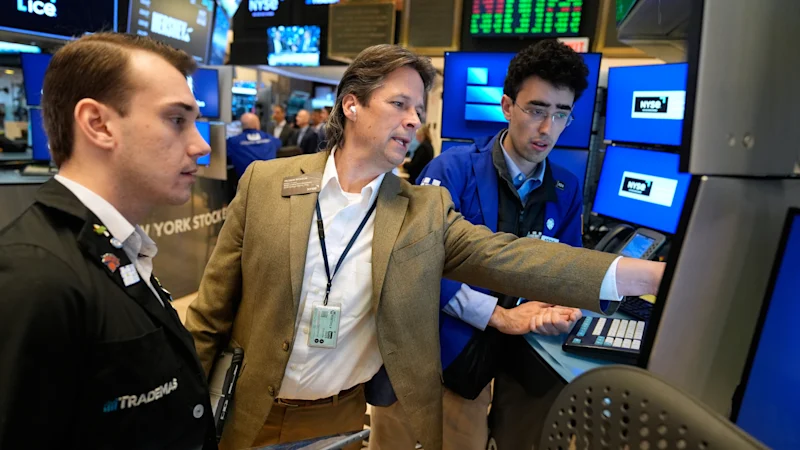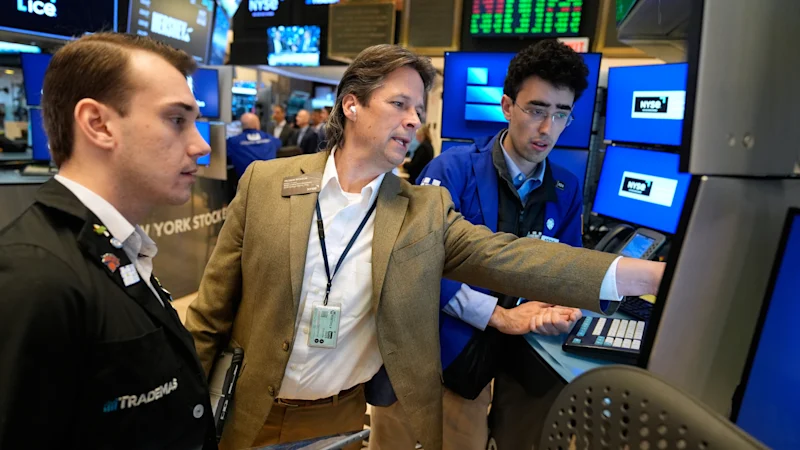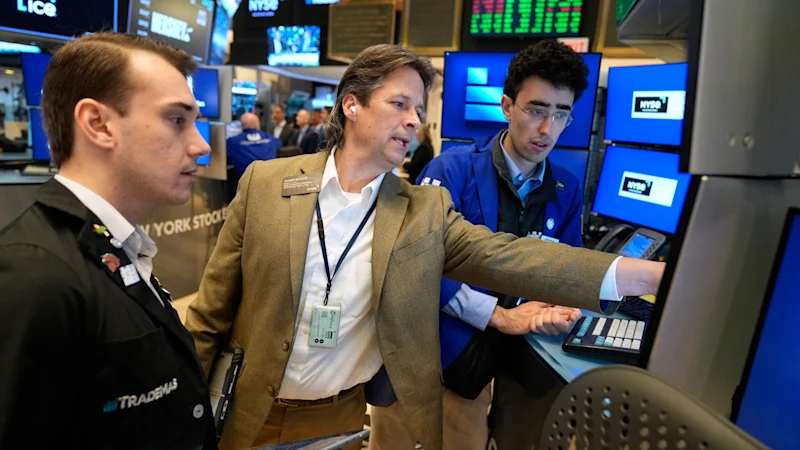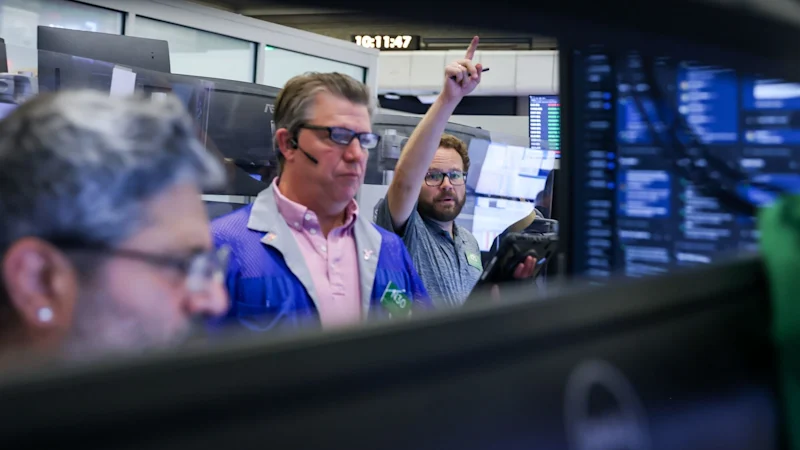
Stan ChoeSeptember 11, 2026 — 5:23amOil prices keep jumping as the war with Iran keeps clogging the global flow of crude, and they got back to where they were in May. That’s worsening worries about inflation and cranking up pressure within the bond market, helping to send stocks lower again on Wall Street.The S&P 500 fell 0.5 per cent and is on track for a fourth straight loss, though it’s not far from its all-time high set last month. The Dow Jones Industrial Average was down 340 points, or 0.7 per cent, in mid-afternoon trade, and the Nasdaq composite was 0.5 per cent lower.Oil climbed to its highest mark since March. APThe Australian sharemarket is set for another day of heavy losses, with futures at 5.01am AEST pointing to a loss of 92 points or 1 per cent, at the open. The ASX shed 1 per cent on Thursday. The Australian dollar was lower at US71.56¢.US stocks sank under the weight of rising oil prices. Brent crude, the international standard, climbed another 6.1 per cent and got above $US105 per barrel for the first time since May.The price for a barrel of benchmark US crude rose 6 per cent and topped the $US100 level for the first time since before Memorial Day.Oil prices have been jumping since early July, when Brent crude was going for less than $US72 per barrel, as hopes fade that the United States and Iran may reach a deal soon to fully reopen the Strait of Hormuz and allow oil tankers to freely exit the Persian Gulf. President Donald Trump said on Wednesday that oil prices likely won’t come down until after the US midterm elections in November.The jump has pushed the price for a gallon of regular gasoline to an average of nearly $US4.28 across the United States, according to AAA. That’s up nearly 34 per cent from a year earlier and is not only costing people more at the pump but also through higher prices for all kinds of products that move by truck to store shelves.A report on Thursday showed that inflation at the US wholesale level accelerated to 5.4 per cent last month from 4.8 per cent in July. Retailers could eventually pass such increases in prices onto shoppers. A report is coming on Friday that will show how much inflation US consumers are feeling.The typical move to rein in high inflation is for the Federal Reserve to raise its main interest rate, the federal funds rate. Such a move then filters out through the rest of the bond market, makes it more expensive for US households and businesses to borrow money, slows the overall economy and undercuts prices for investments to hopefully remove some of inflation’s fuel.A report on Thursday suggested the US job market may still remain solid, as fewer workers applied for unemployment benefits last week. That could give the Fed confidence the economy may be able to withstand higher interest rates.Following Thursday’s reports, traders see a roughly 72 per cent chance the Fed will raise the federal funds rate at its meeting next week. That’s up from the 61 per cent probability seen the day before, according to data from CME Group. That’s also despite Trump’s consistent lobbying for interest rates to go lower rather than higher.The Fed’s counterpart in Europe, the European Central Bank, raised its own interest rates on Thursday in hopes of getting inflation in check. It cited “the conflict in the Middle East” and how it “continues to generate inflation pressures.”It all pushed the yield on the 10-year Treasury up to 4.93 per cent from 4.83 per cent late Wednesday, which is a significant move for the bond market. It’s up from just 3.97 per cent before the war with Iran began, and it’s back to where it was in the autumn of 2023. That was after the Fed cranked the federal funds rate higher to get super-high inflation coming out of the COVID pandemic under better control.Higher yields mean investors can make more money from parking their money in bonds, which in turn can make investors less willing to pay high prices for stocks and other investments that carry more risk than bonds.Some investors are eyeing a 5 per cent yield on the 10-year Treasury as the next potential flashpoint, a level not seen since October 2023. But strategists at Bank of America’s Research Investment Committee suggest 7 per cent may be the more important threshold, pointing to how expensive stocks peaked around that point in the past in Japan and on the Nasdaq.On Wall Street, Macy’s fell 4 per cent even though the retailer reported stronger profit and revenue for the latest quarter than analysts expected. It also raised its forecasts for earnings and other financial measures for its fiscal year, but it warned that “there are macroeconomic and geopolitical factors that could influence” how much its customers feel comfortable spending.Macy’s said it received $US116 million in tariff refunds from the government — $US98 million during the quarter and another $US18 million after the quarter ended. Macy’s CEO Tony Spring told The Associated Press Thursday that it’s using some of the proceeds to lower prices on certain items like furniture and other big-ticket purchases.Home builders slumped as a report showed that US home sales fell in August to their slowest annual pace in more than a year. Potential homebuyers are dealing with rising mortgage rates and home prices. Lennar fell 4.3 per cent and KB Home fell 4.2 per cent.JetBlue Airways rose 1.1 per cent after it said booking trends remain strong and customers continue to be willing to pay to fly. It said revenue trends for the latest quarter look to be better than it had earlier forecast, even as its fuel prices climb higher than it had expected.In stock markets abroad, indexes slipped across much of Europe and Asia. Hong Kong’s Hang Seng dropped 1.3 per cent for one of the world’s biggest moves.APThe Market Recap newsletter is a wrap of the day’s trading. Get it each weekday afternoon.From our partners
ASX set to slump, Wall Street falls as oil climbs to its highest mark since May
Oil prices keep jumping as the war with Iran keeps clogging the global flow of crude.
TL;DRAI
Oil hits $105+ (Iran war blocks Hormuz) crashing markets—S&P -0.5%, ASX -1%; Fed rate hike 72% probable. Inflation at 5.4% with higher rates ahead compresses IT budgets, raises infrastructure costs, delays enterprise digital transformation and AI investments.
1,011 words~5 min read