Logo text
Paul Greengrass has long been drawn to ordinary people standing up against forces greater than themselves. It’s a theme that runs through Bloody Sunday, United 93 and Captain Phillips, among others, and one that continues in his newest film, The Uprising.
As a schoolboy in the U.K., the future journalist-turned-filmmaker learned about the Peasants’ Revolt, the 1381 uprising that swept across England. In the aftermath of the devastating Black Death, Wat Tyler, John Ball and other rebel leaders rose up against the excessive taxation imposed by King Richard II and his oligarch-filled council before marching toward London and ultimately into the Tower in the name of a fairer, more dignified life.
Perhaps the actions of England’s peasantry made such a formative impression on young Greengrass that he was unconsciously drawn to other stories with a similar thematic undercurrent. Even Jason Bourne, while far from an everyman, fits that mold in his own way. Across Greengrass’ three Bourne movies, the elite assassin turns against the clandestine institution that created him, determined to escape its grip and bring its covert operations to light.
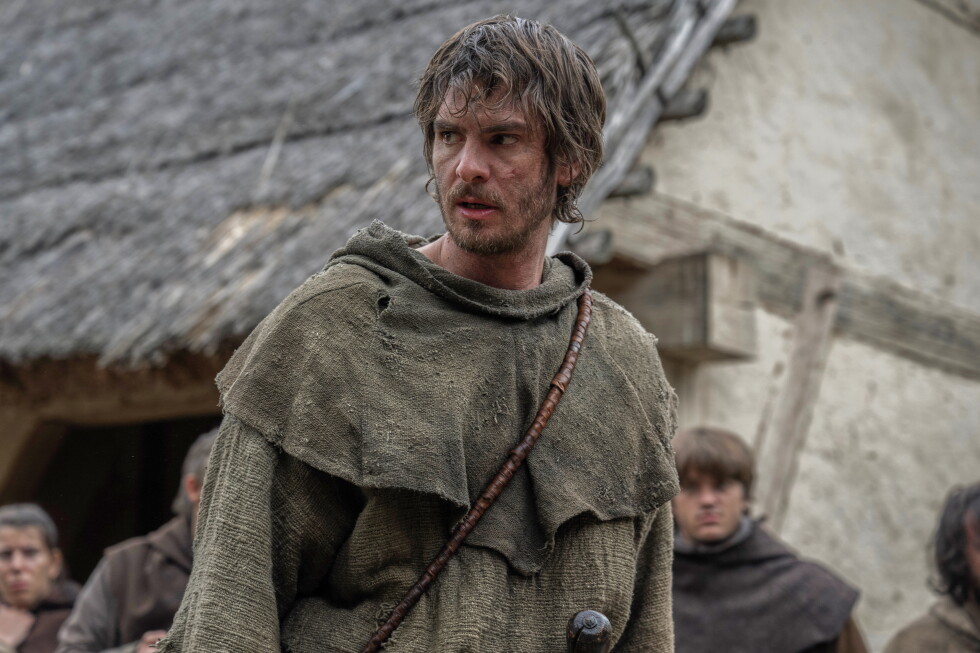
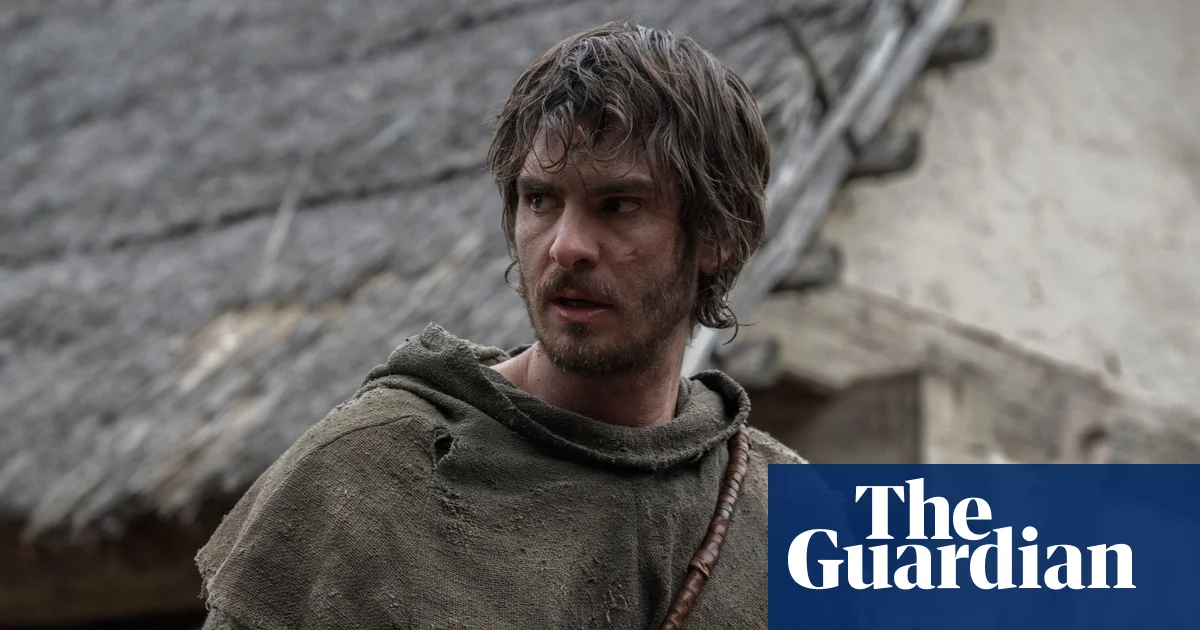
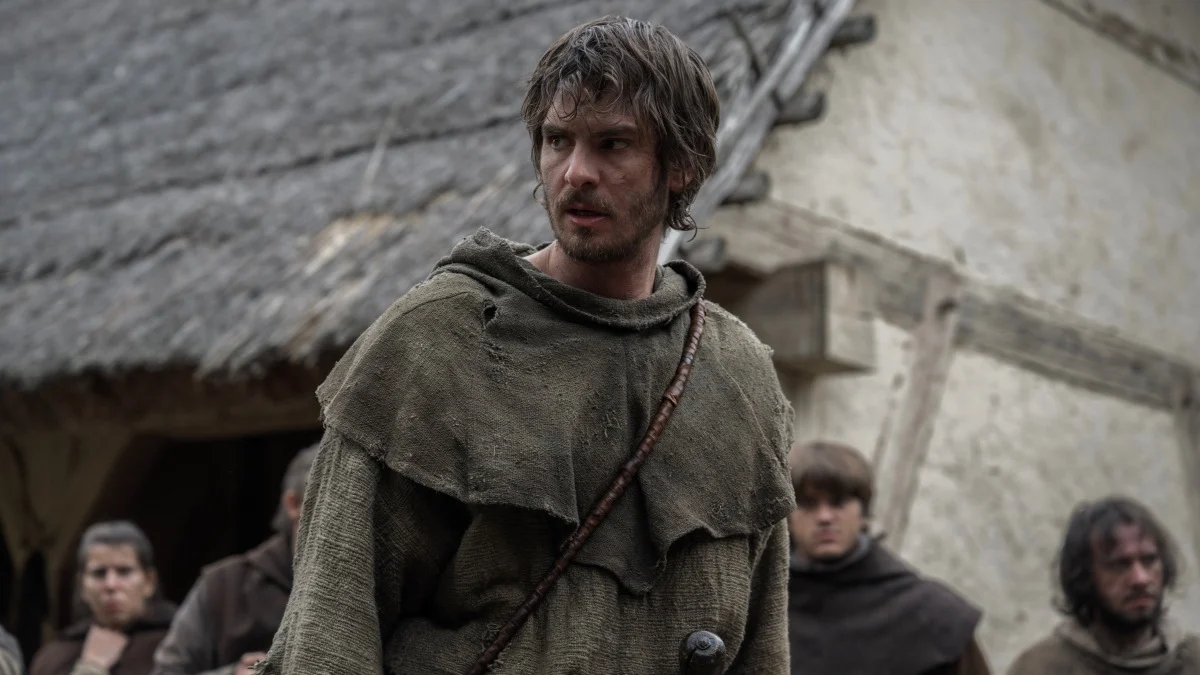
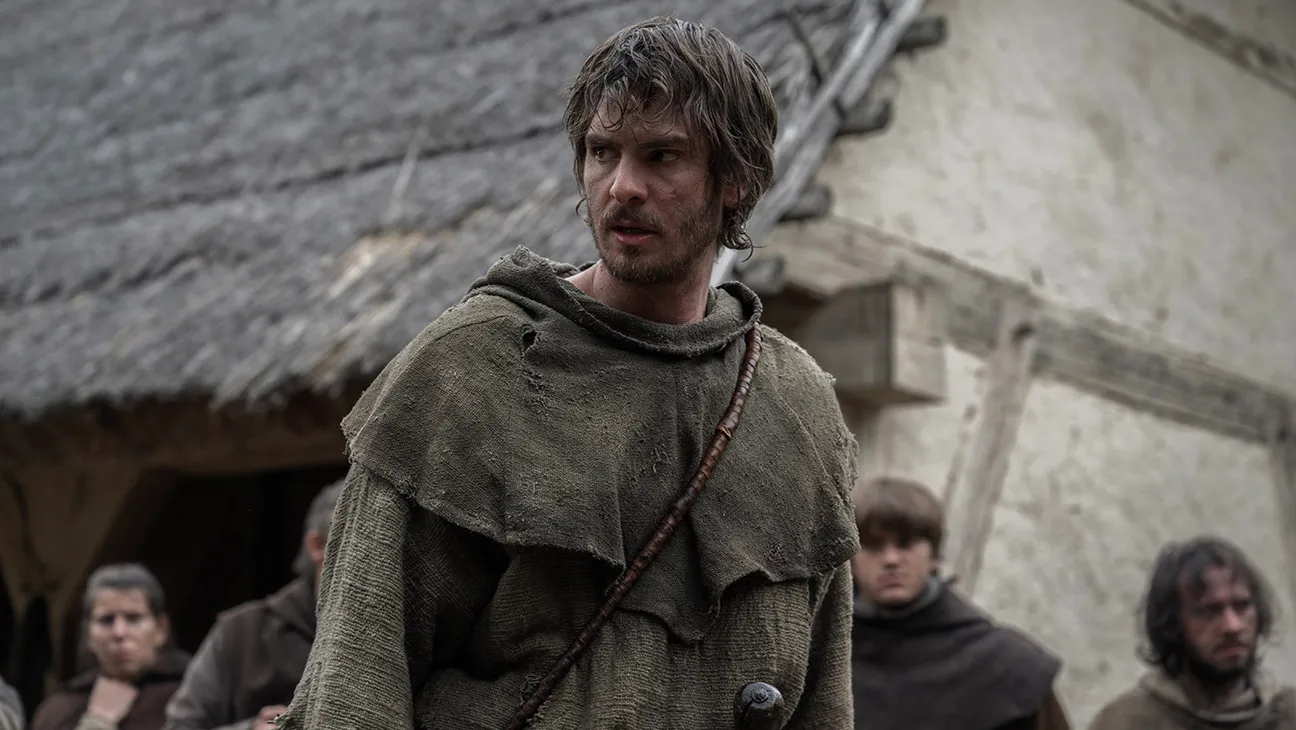
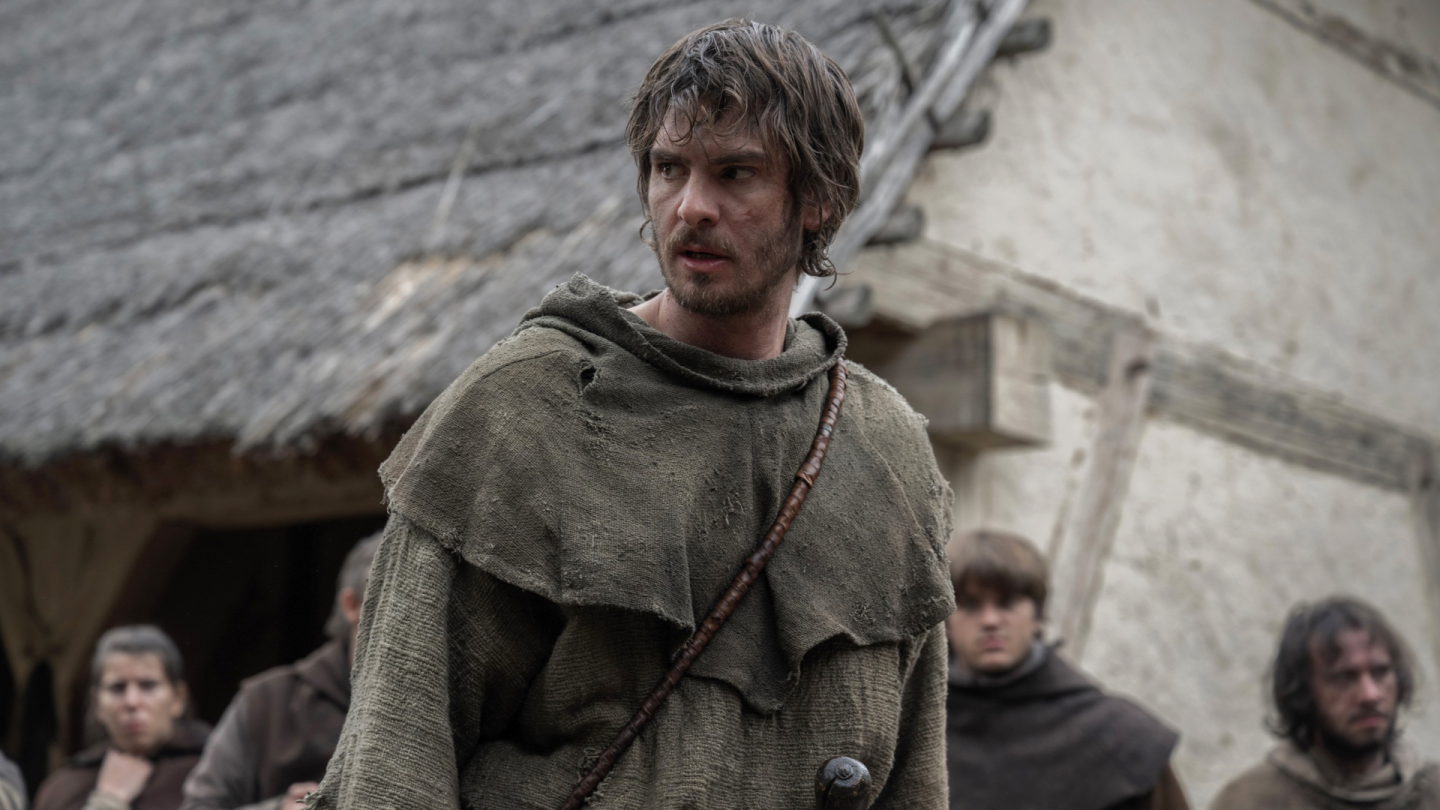
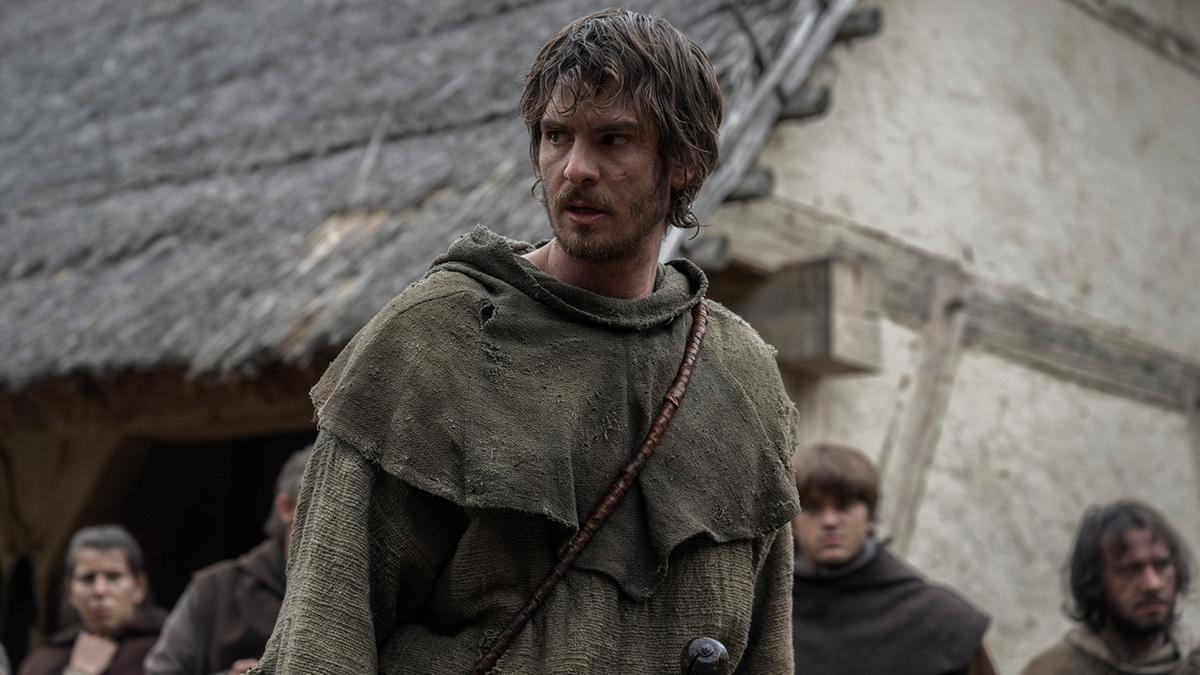
At any rate, Greengrass finally decided to dramatize the Peasants’ Revolt on the second day of the 2020 pandemic lockdown. But instead of centering his story on real-life players such as Tyler or Ball, he chose a fictional farmer known simply as the Ploughman (Andrew Garfield), allowing both the common folk of the period and the audience to identify with his quest.