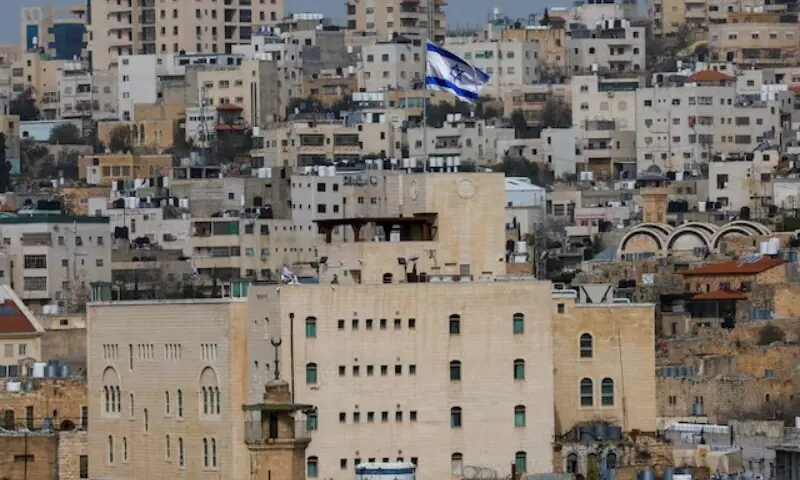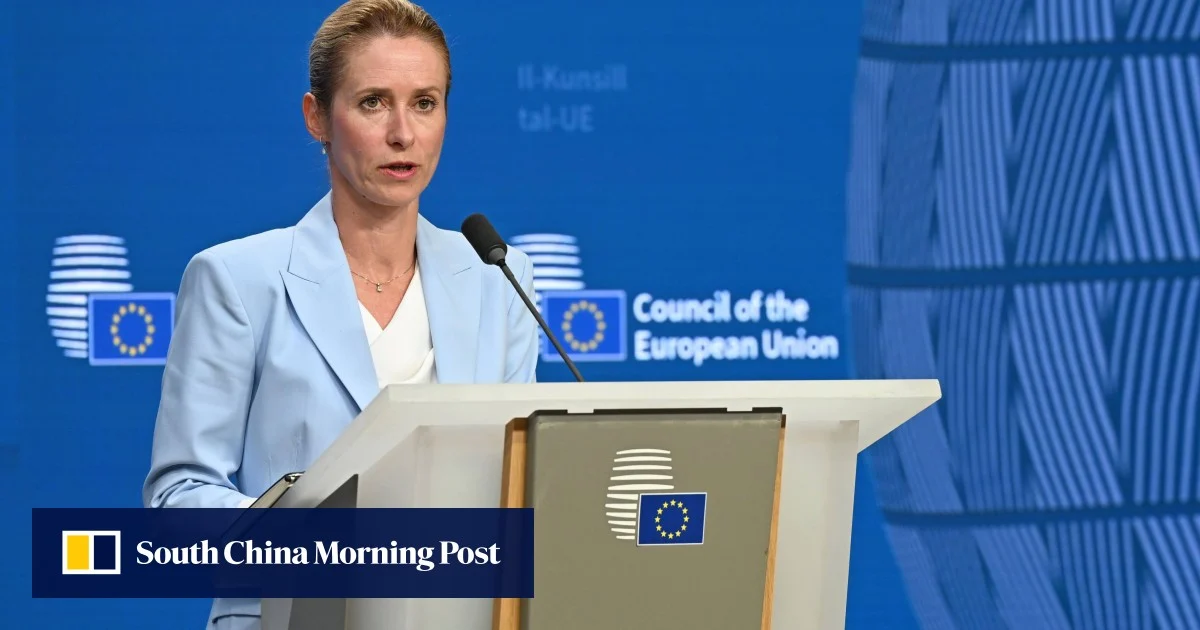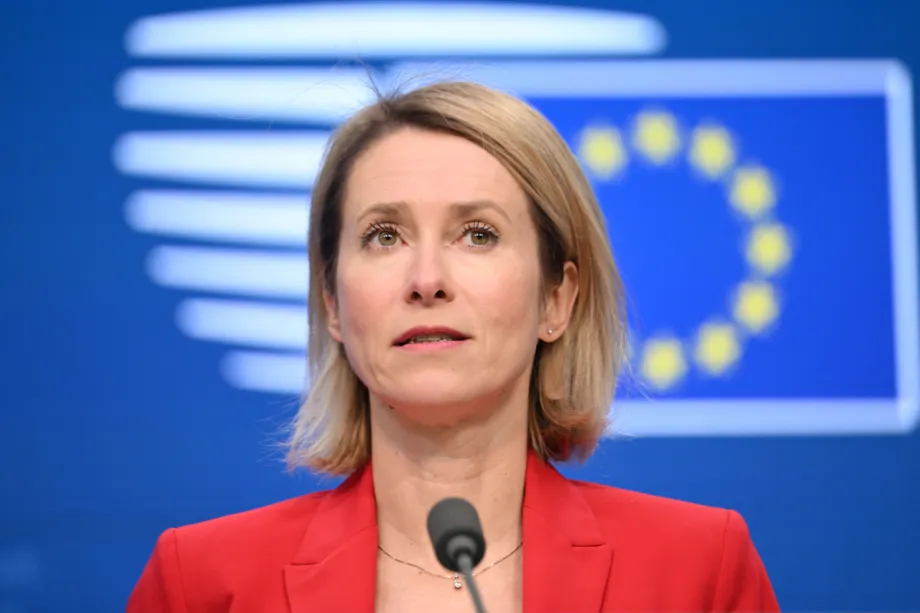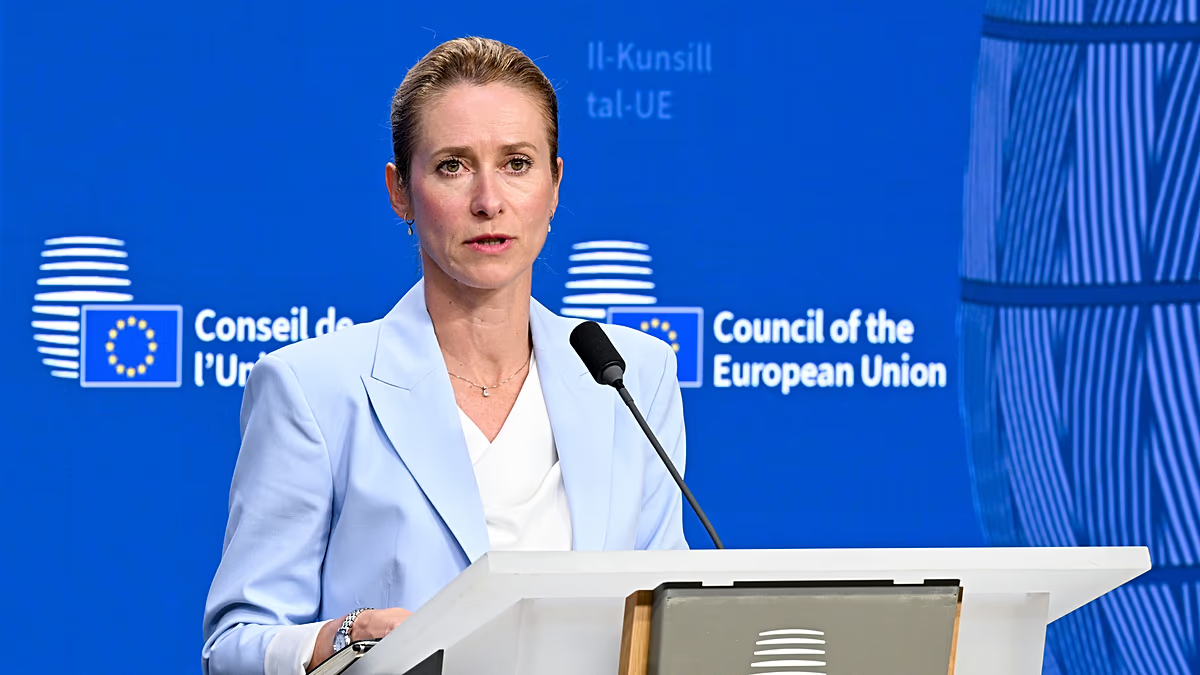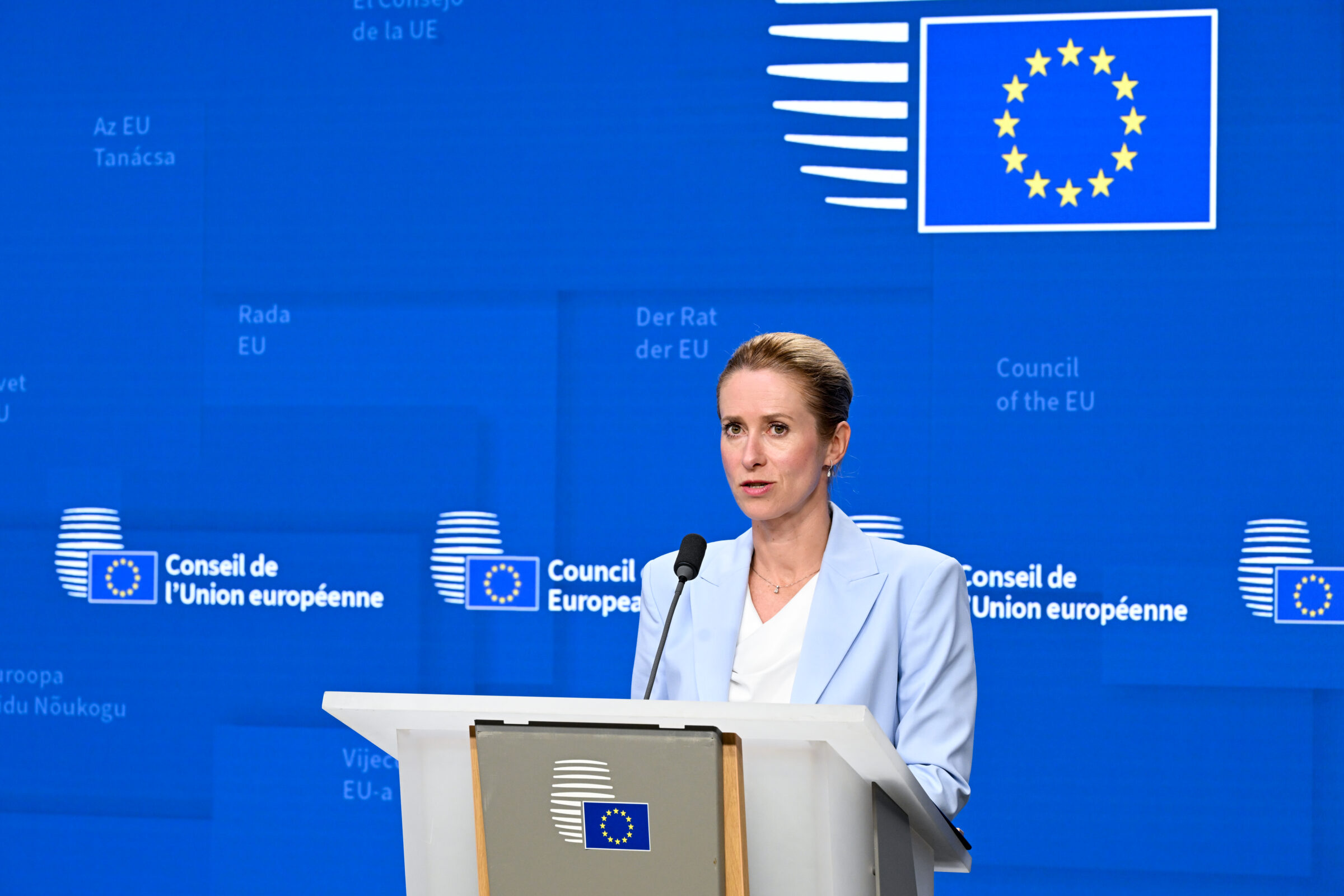
A European Union-wide trade ban on goods produced in illegal Israeli settlements in the West Bank would be a justified, “principled stance” to take, the union’s top foreign policy official Kaja Kallas has said. In an interview with The Irish Times, Kallas said it is “very clear” an EU ban prohibiting the import of goods produced by settlers in Occupied Palestinian Territories only requires the backing of a sizeable majority of governments, rather than the unanimous support of all 27 EU states – a bar Brussels has failed to clear in previous efforts to sanction Israel. There was broad agreement among EU foreign ministers that the expanding settlements are illegal under international law, she said. “When Crimea was occupied, then it was very clear – it’s illegal, we don’t recognise this,” Kallas said. “We should have the same principled stance – you know this is illegal, everybody agrees, so we should stop trading with Occupied [Palestinian] Territories." Following Russia’s annexation of Crimea, when troops seized the Black Sea peninsula from Ukraine in 2014, the EU levied economic sanctions on Moscow which included a ban on trade with occupied Crimea. Kallas, the EU’s high representative on foreign affairs, said the volume of trade coming from Israeli settlements was small, but a trade ban would send an important symbolic message. The European Commission, the bloc’s powerful executive arm led by Ursula von der Leyen which proposes EU laws, is under “very clear” pressure from national governments to propose a settlement trade ban, Kallas said.Crucially, a proposal banning the import of goods produced by Israeli settlements could be approved as an EU trade measure rather than a foreign policy decision. This means it would not require unanimity. Instead, it would only need the support of a qualified majority, which is at least 15 of the 27 states, accounting for about two thirds of the bloc’s population. Germany, Hungary, the Czech Republic and Slovenia have on different occasions vetoed EU responses to or sanctions on Israel that require the approval of all 27 capitals.The majority of this coalition of Israel’s defenders, which has at times included Italy and others, would likely vote against a trade ban targeting settlements. However, some governments that were fiercely opposed to suspending a wider EU-Israel free-trade deal are open to cutting off trade from illegal settlements, said Kallas, who chairs regular meetings of the union’s 27 foreign ministers. Speaking in her Brussels office across the road from the commission, Kallas said foreign ministers were waiting for the EU executive to table a proposed ban. There would be “pros and cons” to taking any decision before key Knesset parliamentary elections in Israel at the end of October. One line of thinking favours holding off on any action to avoid playing into the campaign of “radical” elements in Israeli politics, she said. “We know that [EU] member states have different positions also when it comes to the relations with Israel, so it is different than with Ukraine where we are all very much agreeing,” she said. Kallas, who was Estonia’s prime minister before being appointed to the top EU role in 2024, said European institutions “get a lot of bashing” over the failure to sanction Israel during its two-year bombardment of Gaza.The financial lifeline the EU provided to the Palestinian Authority as the administration’s biggest donor was sometimes “overlooked” in that debate, she said. “We are doing a lot to keep the two-state solution alive,” Kallas added.There were plenty of areas where European governments are in agreement, she said. “We agree on [the] two-state solution. We agree on humanitarian aid not being politicised and getting to the people."
Kaja Kallas: EU ban on Israeli settlement trade would be ‘principled stance’
Bloc’s most senior foreign policy official said move does not require unanimous support of all 27 member states
607 words~3 min read